
Краткие факты:
- ➡️ Американские спотовые Bitcoin ETF зафиксировали отток средств в размере $434 млн на фоне слабости цены BTC, что привело к снижению рисков со стороны институциональных инвесторов.
- ➡️ Инвесторы переходят от пассивных продуктов «бумажного Биткойна» к ончейн-протоколам, предлагающим доходность и программируемость.
- ➡️ Bitcoin Hyper использует этот сдвиг, интегрируя виртуальную машину Solana (SVM) для внедрения высокоскоростных смарт-контрактов в Bitcoin.
- ➡️ Несмотря на спад на рынке, умные деньги влили более $31 млн в пресейл $HYPER, стремясь получить ранний доступ к инфраструктуре BTC.
Цифры говорят сами за себя. Биткойн опасно приближается к психологическому уровню поддержки в $60 000, и институциональные инвесторы сдаются первыми.
Данные за прошедшую неделю показывают массовый исход из американских спотовых Bitcoin ETF: общий отток средств в четверг достиг $434 млн, что в совокупности с остальной неделей доводит потери до более чем $1 млрд и продолжает расти.
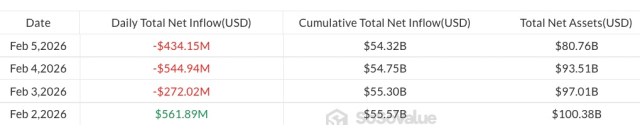
FBTC от Fidelity и GBTC от Grayscale возглавили отступление. Это явный сигнал: игроки TradFi быстро снижают риски на фоне сохраняющейся макроэкономической неопределенности.
Это обнажает хрупкость «бумажного Биткойна». Когда движение цены замирает, у держателей ETF, которые платят комиссии за управление, но не получают никакого дохода, мало стимулов оставаться. Мы наблюдаем ротацию. Капитал бежит от пассивных продуктов, взимающих комиссии, в поисках ончейн-полезности.
Давайте будем честны: исторической проблемой Биткойна всегда была инертность. Он лежит в кошельке (или в кастодиальном хранилище) и ничего не делает. Он не приносит дохода. Он не может легко выполнять смарт-контракты. И, откровенно говоря, он notoriously медленный по сравнению с современными блокчейнами.
Пока сектор ETF истекает кровью, формируется расхождение. В то время как розничные инвесторы панически продают, а институции хеджируются, умные деньги, по всей видимости, движутся дальше по кривой риска в инфраструктуру, которая фактически решает кризис полезности Биткойна.
Рынок вознаграждает протоколы, которые активируют спящий $BTC, а не просто хранят его.
Этот сдвиг в настроениях создал огромное окно возможностей для Bitcoin Hyper ($HYPER) — проекта, который пытается устранить разрыв между безопасностью Биткойна и высокоскоростными децентрализованными финансами.
Ознакомьтесь с пресейлом $HYPER.
Высокопроизводительные Layer 2 разблокируют спящий капитал Биткойна
Отток из ETF обнажает критический недостаток текущей экосистемы: отсутствие программируемости. Инвесторы осознают, что хранение актива, отключенного от DeFi, — это огромная упущенная выгода.
Bitcoin Hyper ($HYPER) решает эту проблему, позиционируя себя как первый Bitcoin Layer 2, интегрировавший виртуальную машину Solana (SVM). Это технический скачок, а не просто маркетинговая шумиха. Развернув SVM, протокол стремится обеспечить скорость транзакций, сопоставимую с самой Solana, привнося финальность менее чем за секунду в сеть Биткойн.
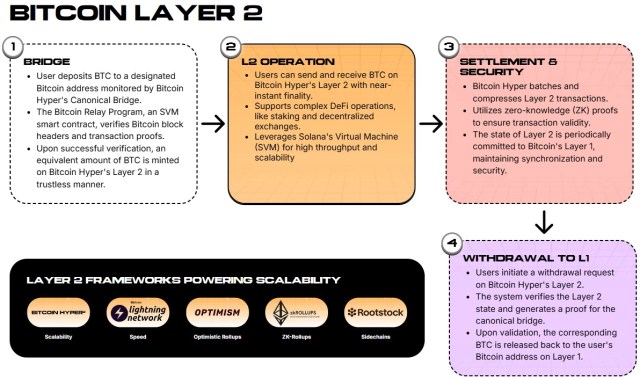
Что упускает большинство обзоров, так это модульная архитектура. Bitcoin Hyper использует Bitcoin L1 для settlement и безопасности, но перекладывает execution на высокоскоростной Layer 2 на основе SVM.
Это позволяет осуществлять высокоскоростные платежи в обернутом $BTC и сложные DeFi-приложения, свопы, кредитование, игры, написанные на Rust. Это эффективно решает блокчейн-трилемму, сохраняя доверенный слой Биткойна, но избавляясь от его задержек.
Для разработчиков это открывает дверь для создания dApps в стиле Ethereum на Биткойне без перегрузок (или этих болезненных комиссий в $20+), связанных с основной цепью.
Проект полагается на Децентрализованный Канонический Мост для переводов $BTC и единственный доверенный секвенсор с периодической привязкой состояния к L1.
Это гарантирует, что, хотя выполнение и происходит быстро, окончательная истина всегда resides на Биткойне. Для инвесторов, уставших наблюдать, как их $BTC простаивает в ETF, пока рынок падает, обещание APY за стейкинг предлагает compelling альтернативу пассивному хранению.
Приобретите свой $HYPER сегодня.
Киты переходят в Bitcoin Hyper на фоне всплеска пресейла на $31 млн
Пока широкий рынок капитулирует, данные on-chain предполагают, что sophisticated игроки накапливают $HYPER.
Согласно официальной странице пресейла, Bitcoin Hyper вопреки медвежьему тренду привлек впечатляющие $31,2 млн на данный момент.
В настоящее время токен оценивается в $0,0136752, что привлекает объемы, несмотря на (или, perhaps, благодаря) хаосу на основных крипто-индексах.

Это расхождение, продажи ETF против покупок в пресейле, suggests, что капитал не уходит из крипто entirely. Он merely перетекает из перенасыщенных активов в ранние инфраструктурные проекты.
Структура токеномики вознаграждает это раннее убеждение. Bitcoin Hyper предлагает немедленный стейкинг после события генерации токенов (TGE), хотя стейкеры пресейла сталкиваются с 7-дневным периодом вестинга, чтобы предотвратить немедленные сбросы. Этот лок-ап согласуется с фокусом проекта на долгосрочном governance.
Поскольку Биткойн изо всех сил пытается удержаться на уровне $60K, коэффициент риск/вознаграждение, по-видимому, смещается в сторону протоколов, которые предлагают доходность и полезность, а не просто спекуляции на цене.
Приобретите свой $HYPER сегодня.
Отказ от ответственности: Эта статья предназначена только для информационных целей и не constitutes финансовой консультацией. Криптовалюты, включая пресейлы и токены Layer 2, являются волатильными и высокорискованными инвестициями. Всегда проводите собственную должную осмотрительность (due diligence) перед инвестированием.

Похожие Посты

Metaplanet продолжит покупать Биткойн, заявляет Герович, пока $HYPER достигает вехи в $31 млн на пресейле

Питер Брандт заявляет, что Биткойн движется к $42K – Настало ли время $SUBBD?

Обвал Биткойна спровоцировал крупнейший торговый день IBIT, пока $HYPER продолжает расти

ETH опустился до $1,8K – Продолжит ли он падать и взорвется ли LiquidChain в 2026 году?

Поддерживаемый Винклвоссом Gemini увольняет до 25% сотрудников, уходит из Великобритании, ЕС и Австралии

Новый законопроект Вирджинии позволяет штату инвестировать в Биткойн, сигнализируя об институциональном сдвиге для Bitcoin Hyper
Трендовые криптовалюты












Связанные с этим вопросы
QКаковы основные причины оттока средств из биткоин-ETF на сумму $434 млн?
AОсновная причина оттока — слабость цены BTC, которая приблизилась к психологически важному уровню поддержки в $60 000. Это заставило институциональных инвесторов снижать риски (де-рискиться) на фоне макроэкономической неопределенности. Такие фонды, как FBTC от Fidelity и GBTC от Grayscale, возглавили отток.
QКакой проект, по мнению статьи, может извлечь выгоду из этой ситуации и почему?
AПроект Bitcoin Hyper ($HYPER), по мнению статьи, может извлечь выгоду. Он представляет собой решение проблемы отсутствия полезности (utility) биткоина, предлагая высокоскоростные смарт-контракты на базе Bitcoin Layer 2 с интеграцией Solana Virtual Machine (SVM), что позволяет активировать «спящий» капитал BTC и получать доход.
QКакую технологическую инновацию предлагает Bitcoin Hyper для решения проблем биткоина?
ABitcoin Hyper позиционируется как первый Bitcoin Layer 2, интегрирующий Solana Virtual Machine (SVM). Это позволяет достичь скорости транзакций, сопоставимой с Solana (субсекундная финальность), используя безопасность Bitcoin L1 для settlement, а выполнение операций перенося на высокоскоростной Layer 2. Это решает проблему медлительности и отсутствия программируемости биткоина.
QКакой успех presale токена $HYPER упоминается в статье, несмотря на медвежий рынок?
AНесмотря на общее падение рынка, presale Bitcoin Hyper достиг впечатляющего результата, собрав более $31 млн. Токен продается по цене $0.0136752, что свидетельствует о значительном интересе «умных денег» к ранним инфраструктурным проектам в экосистеме Биткоина.
QКакой сдвиг в поведении инвесторов наблюдается согласно анализу статьи?
AНаблюдается ротация капитала: инвесторы уходят из пассивных продуктов «бумажного биткоина» (таких как ETF, которые не приносят доход и взимают комиссии) в сторону ончейн-протоколов, которые предлагают доходность (yield) и программируемость, активируя капитал и предоставляя утилиту.
Похожее





Торговля
Популярные статьи
Тест по Bitcoin Биткоина
HTX Learn: Изучите Bitcoin halving и Заработаете Токены USDT
3.2k просмотров всегоОпубликовано 2024.04.16Обновлено 2024.04.16

Что такое $BITCOIN
ЦИФРОВОЕ ЗОЛОТО ($BITCOIN): Комплексный анализ Введение в ЦИФРОВОЕ ЗОЛОТО ($BITCOIN) ЦИФРОВОЕ ЗОЛОТО ($BITCOIN) — это проект на основе блокчейна, работающий в сети Solana, который стремится объединить характеристики традиционных драгоценных металлов с инновациями децентрализованных технологий. Хотя он носит имя Биткойн, часто называемого “цифровым золотом” из-за его восприятия как средства хранения ценности, ЦИФРОВОЕ ЗОЛОТО является отдельным токеном, предназначенным для создания уникальной экосистемы в ландшафте Web3. Его цель — позиционировать себя как жизнеспособный альтернативный цифровой актив, хотя детали его применения и функциональности все еще развиваются. Что такое ЦИФРОВОЕ ЗОЛОТО ($BITCOIN)? ЦИФРОВОЕ ЗОЛОТО ($BITCOIN) — это токен криптовалюты, специально разработанный для использования в блокчейне Solana. В отличие от Биткойна, который выполняет широко признанную роль хранения ценности, этот токен, похоже, сосредоточен на более широких приложениях и характеристиках. Примечательные аспекты включают: Инфраструктура блокчейна: Токен построен на блокчейне Solana, известном своей способностью обрабатывать высокоскоростные и недорогие транзакции. Динамика предложения: ЦИФРОВОЕ ЗОЛОТО имеет максимальное предложение, ограниченное 100 квадриллионами токенов (100P $BITCOIN), хотя детали о его обращающемся предложении в настоящее время не раскрыты. Утилита: Хотя точные функциональные возможности не описаны, есть указания на то, что токен может быть использован для различных приложений, потенциально связанных с децентрализованными приложениями (dApps) или стратегиями токенизации активов. Кто создатель ЦИФРОВОГО ЗОЛОТА ($BITCOIN)? На данный момент личность создателей и команды разработчиков, стоящих за ЦИФРОВЫМ ЗОЛОТОМ ($BITCOIN), остается неизвестной. Эта ситуация типична для многих инновационных проектов в области блокчейна, особенно тех, которые связаны с децентрализованными финансами и феноменом мем-криптовалют. Хотя такая анонимность может способствовать культуре, ориентированной на сообщество, она усиливает опасения по поводу управления и ответственности. Кто инвесторы ЦИФРОВОГО ЗОЛОТА ($BITCOIN)? Доступная информация указывает на то, что у ЦИФРОВОГО ЗОЛОТА ($BITCOIN) нет известных институциональных спонсоров или значительных венчурных капиталовложений. Проект, похоже, функционирует по модели пирингового взаимодействия, сосредоточенной на поддержке и принятии сообществом, а не на традиционных путях финансирования. Его активность и ликвидность в основном сосредоточены на децентрализованных биржах (DEX), таких как PumpSwap, а не на устоявшихся централизованных торговых платформах, что еще больше подчеркивает его подход, ориентированный на grassroots. Как работает ЦИФРОВОЕ ЗОЛОТО ($BITCOIN) Операционные механизмы ЦИФРОВОГО ЗОЛОТА ($BITCOIN) можно подробно описать на основе его дизайна блокчейна и характеристик сети: Механизм консенсуса: Используя уникальный механизм доказательства истории (PoH) Solana в сочетании с моделью доказательства доли (PoS), проект обеспечивает эффективную валидацию транзакций, что способствует высокой производительности сети. Токеномика: Хотя конкретные дефляционные механизмы не были подробно описаны, большое максимальное предложение токенов подразумевает, что оно может быть предназначено для микротранзакций или нишевых случаев использования, которые еще предстоит определить. Интероперабельность: Существует потенциал для интеграции с более широкой экосистемой Solana, включая различные платформы децентрализованных финансов (DeFi). Однако детали относительно конкретных интеграций остаются неуточненными. Хронология ключевых событий Вот хронология, которая подчеркивает значимые вехи, касающиеся ЦИФРОВОГО ЗОЛОТА ($BITCOIN): 2023: Первоначальное развертывание токена происходит в блокчейне Solana, отмеченное его адресом контракта. 2024: ЦИФРОВОЕ ЗОЛОТО приобретает видимость, когда оно становится доступным для торговли на децентрализованных биржах, таких как PumpSwap, позволяя пользователям обменивать его на SOL. 2025: Проект наблюдает спорадическую торговую активность и потенциальный интерес к инициативам, возглавляемым сообществом, хотя на данный момент не зафиксировано никаких значительных партнерств или технических достижений. Критический анализ Сильные стороны Масштабируемость: Основная инфраструктура Solana поддерживает высокие объемы транзакций, что может повысить полезность $BITCOIN в различных сценариях транзакций. Доступность: Потенциально низкая цена торговли за токен может привлечь розничных инвесторов, способствуя более широкому участию благодаря возможностям дробного владения. Риски Отсутствие прозрачности: Отсутствие публично известных спонсоров, разработчиков или процесса аудита может вызвать скептицизм относительно устойчивости и надежности проекта. Волатильность рынка: Торговая активность сильно зависит от спекулятивного поведения, что может привести к значительной волатильности цен и неопределенности для инвесторов. Заключение ЦИФРОВОЕ ЗОЛОТО ($BITCOIN) является интригующим, но неоднозначным проектом в быстро развивающейся экосистеме Solana. Хотя он пытается использовать нарратив “цифрового золота”, его отход от установленной роли Биткойна как средства хранения ценности подчеркивает необходимость более четкого различения его предполагаемой утилиты и структуры управления. Будущее принятие и усвоение, вероятно, будут зависеть от решения текущей непрозрачности и более четкого определения его операционных и экономических стратегий. Примечание: Этот отчет охватывает синтезированную информацию, доступную на октябрь 2023 года, и с тех пор могут произойти события.
266 просмотров всегоОпубликовано 2025.05.13Обновлено 2025.05.13

Fractal Bitcoin: масштабирование Биткоина с помощью рекурсивной системы
Fractal Bitcoin — масштабное Layer-1-решнение, созданное на базе кода Биткоина, позволяющего достигать бесконечного масштабирования с помощью рекурсивного подхода.
2.4k просмотров всегоОпубликовано 2025.06.30Обновлено 2025.06.30


