Автор: Thejaswini M A
Компиляция: Luffy, Foresight News
Если проехать около часа на северо-восток от Остина, штат Техас, мимо гриль-ресторанов и бесплодных кустарников, вы попадете в город Рокдейл. Если вы опустите окно, прежде чем увидите очертания города, вы услышите гул, похожий на работу реактивного двигателя на месте, низкий и непрерывный.
Рокдейл, построенный вокруг старого алюминиевого завода, стал крупнейшим в Северной Америке кластером по добыче биткоинов, где обосновались ведущие майнинговые компании, такие как Riot Platforms и Bitdeer. Журналистские расследования The New York Times и Al Jazeera уже задокументировали этот шум: десятки тысяч майнинговых установок в сочетании с промышленными вентиляторами работают на полную мощность, чтобы предотвратить перегрев и отказ оборудования в техасскую жару.
Следуя гулу на территорию бывшего алюминиевого плавильного завода, принадлежавшего American Aluminum, уже не осталось следов производства алюминиевых изделий, которые представляли тяжелую промышленность 20-го века. В огромном металлическом складе бесчисленные толстые медные кабели и промышленные стойки расположены в шахматном порядке, вычислительные устройства целиком погружены в бурлящую синтетическую охлаждающую жидкость.
Изначально здесь добывали биткоины, но теперь оборудование постепенно заменяется чипами AMD для перехода на обучение моделей искусственного интеллекта.
Не стоит зацикливаться на том, является ли ИИ пузырем или биткоин приходит в упадок, такие промышленные изменения — лишь поверхностное явление. Компании, получившие права на аренду этих площадок, ясно видят: истинный ключевой актив — это линии электропередач. Сегодня это уже отраслевой консенсус.
Если вы все еще хотите знать почему, логика кроется в разрыве доходности на единицу электроэнергии (в расчете по текущим ценам Лондонской биржи металлов):
- Выплавка алюминия: каждый киловатт-час электроэнергии может создать валовый доход в 0.17–0.27 доллара США.
- Добыча биткоина: при текущей рыночной конъюнктуре доход на киловатт-час составляет всего 0.05–0.11 доллара США.
- Запуск задач вывода ИИ на видеокартах H100: доход на киловатт-час достигает 1.27–3.67 доллара США.
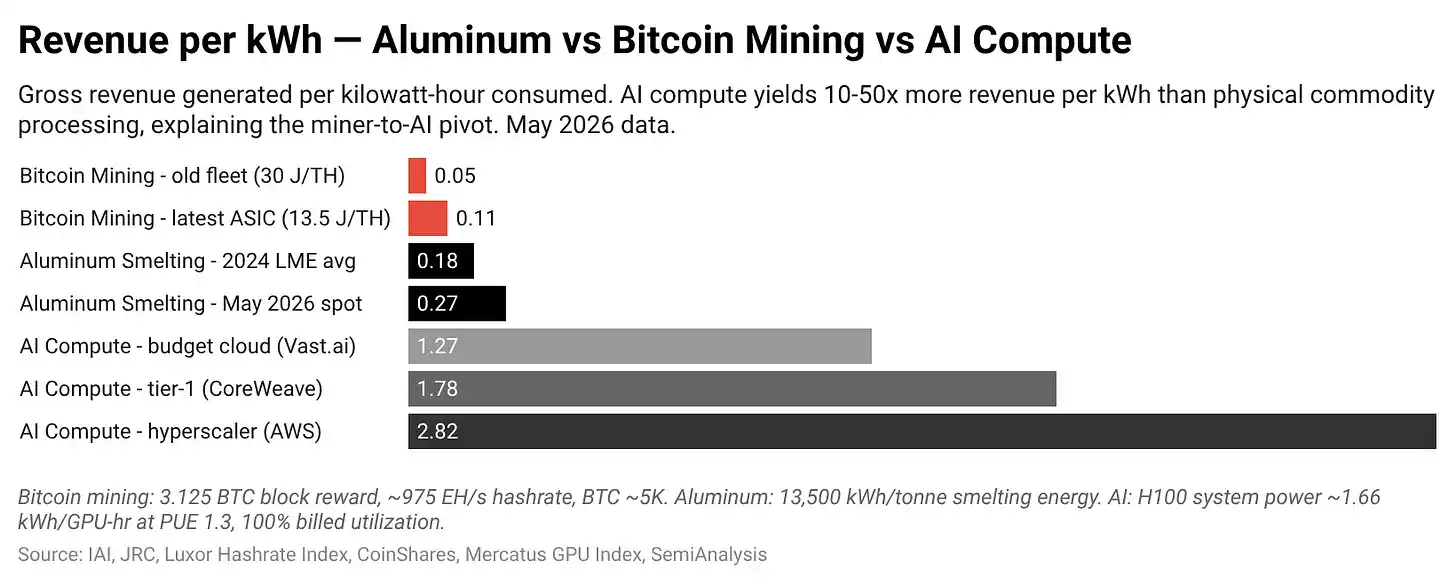
Когда стоимость электроэнергии низкая, производство алюминия является разумным выбором; когда прибыльность алюминиевой отрасли сократилась, майнинг биткоина взял на себя роль потребителя дешевой электроэнергии. А к 2026 году, при низких ценах на биткоин, бизнес в области ИИ, несомненно, стал лучшим выбором.
Три недавние сделки наглядно демонстрируют безумную гонку всей отрасли за электрическими ресурсами, независимо от того, используются ли они для криптовалютного майнинга или вычислений ИИ.
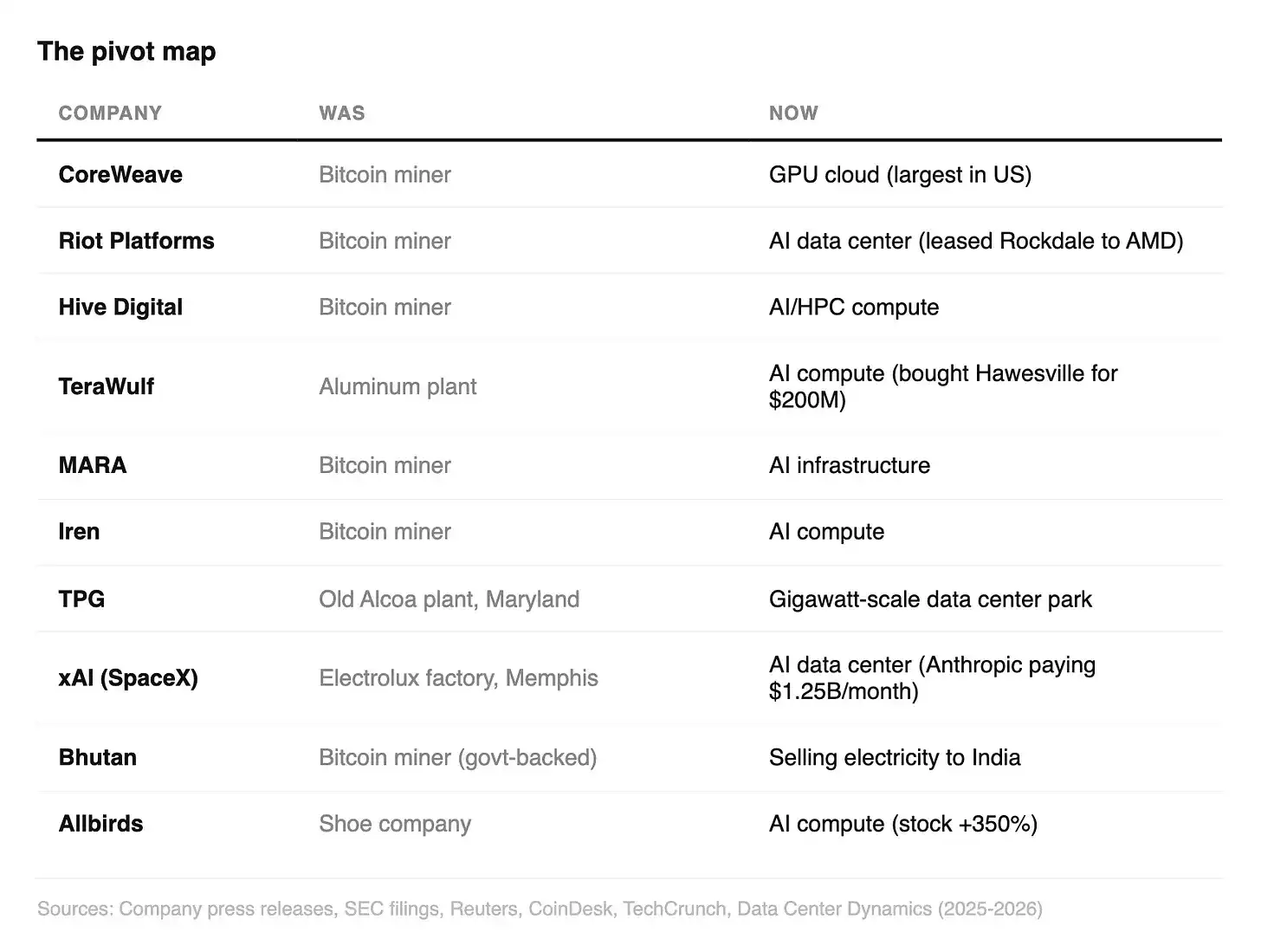
Riot, владеющая крупной площадкой в Рокдейле, не ограничивается майнингом биткоинов, а сдает часть пространства в аренду гиганту чип-индустрии AMD для создания центра обработки данных ИИ. Только за счет субаренды электроэнергии и площадей эта компания может получить доход в несколько миллиардов долларов.
TeraWulf, в свою очередь, приступила к крупномасштабному расширению, потратив 200 миллионов долларов на приобретение столетнего алюминиевого завода Century Aluminum в городе Хоуcвилл, штат Кентукки. Основная причина выбора — уже существующая мощная электрическая инфраструктура завода. Компания планирует демонтировать старое производственное оборудование и построить на основе существующей электросети крупный кампус центра обработки данных.
NYDIG обратила внимание на старый завод в Ист-Массене, штат Нью-Йорк. Эта площадка долгое время простаивала, но имеет прямой доступ к реке Святого Лаврентия, что позволяет получать 435 мегаватт дешевой гидроэлектроэнергии. В то время как конкуренты переключаются на ИИ, NYDIG приобрела эту площадку, чтобы зафиксировать ресурсы дешевой гидроэлектроэнергии и продолжать заниматься майнингом биткоинов. Сегодня отрасль больше не строит площадки с нуля, а борется за готовые энергетические узлы.
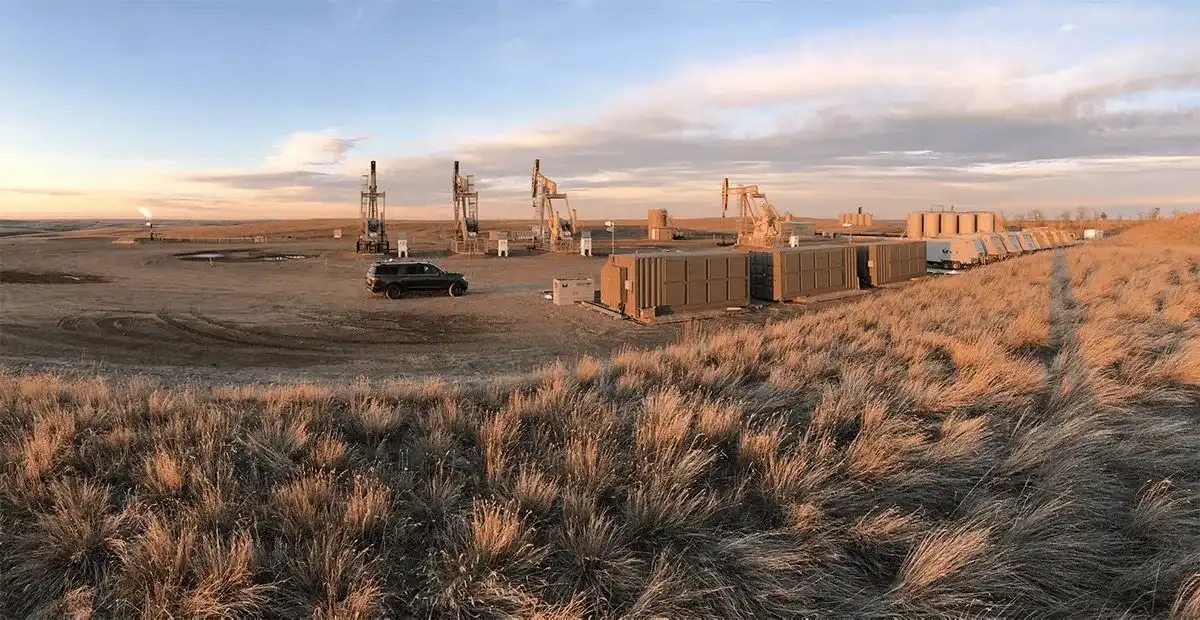
За последние два десятилетия майнеры биткоинов перемещались по миру в поисках дешевой электроэнергии: на удаленных гидроэлектростанциях штата Вашингтон, в местах сжигания попутного нефтяного газа на нефтяных месторождениях Северной Дакоты, в кластерах старых промышленных электросетей на севере штата Нью-Йорк. Отрасль также отточила зрелые вспомогательные возможности: круглосуточная эксплуатация с высокой нагрузкой, промышленные решения для охлаждения, долгосрочные контракты на дешевую электроэнергию.
А поднимающиеся компании в области ИИ как раз нуждаются в этих готовых ресурсах и обладают еще большей финансовой мощью.
Anthropic активно блокирует энергетические ресурсы, Microsoft, Google и Amazon также бешено расширяют центры обработки данных, причем темпы строительства энергетической инфраструктуры даже не успевают за вводом в эксплуатацию новых серверных. Три технологических гиганта теперь напрямую конкурируют с майнерами биткоинов за одни и те же промышленные энергоресурсы. Если раньше майнеры конкурировали друг с другом за электроэнергию, то теперь, столкнувшись с конкуренцией со стороны технологических гигантов, их недостатки стали очевидны.
Данные начала 2026 года подтверждают трудности отрасли: впервые за шесть лет произошло снижение общей вычислительной мощности сети биткоина. Сегодня стоимость добычи одного биткоина составляет 88 000 долларов США, но в течение большей части мая этого года цена монеты колебалась около 77 000 долларов США. Майнеры, работающие по обычным тарифам на электроэнергию, несут убытки при добыче каждой монеты.
Отрасль переживает коллективную трансформацию. Такие компании, как Hive, Hut 8, TeraWulf, Iren, последовательно демонтируют майнинговое оборудование и переоборудуют его в серверные для ИИ; CoreWeave полностью отказалась от криптовалютного майнинга, полностью перейдя на облачные услуги для ИИ; MARA приобрела французскую технологическую компанию, завершив переход бизнеса. Выживают те компании, которые контролируют энергоресурсы и позиционируют себя как «операторы электроэнергии», в то время как майнеры, сосредоточенные исключительно на крипто-направлении, оказываются в кризисе.
Энергетические аналитики называют это явление «цифровым ресурсным проклятием»: страны и компании постепенно обнаруживают, что простое владение дешевыми энергоресурсами приносит гораздо больше прибыли, чем самостоятельная разработка новых технологий.
Страны Персидского зала рано осознали эту логику. За последние шестьдесят лет там долгое время проводилась политика низких цен на электроэнергию: в Кувейте с 1966 года цена на электроэнергию для населения стабильно составляет 0,007 доллара США за киловатт-час; комплексная стоимость производства и передачи электроэнергии в Абу-Даби составляет около 0,087 доллара США за киловатт-час, а цена для населения — всего 0,014 доллара США. Дешевая электроэнергия изначально использовалась как средство для привлечения инвестиций, привлекая энергоемкие отрасли, такие как выплавка алюминия, химическая промышленность и сталелитейная промышленность, в пустынные районы.
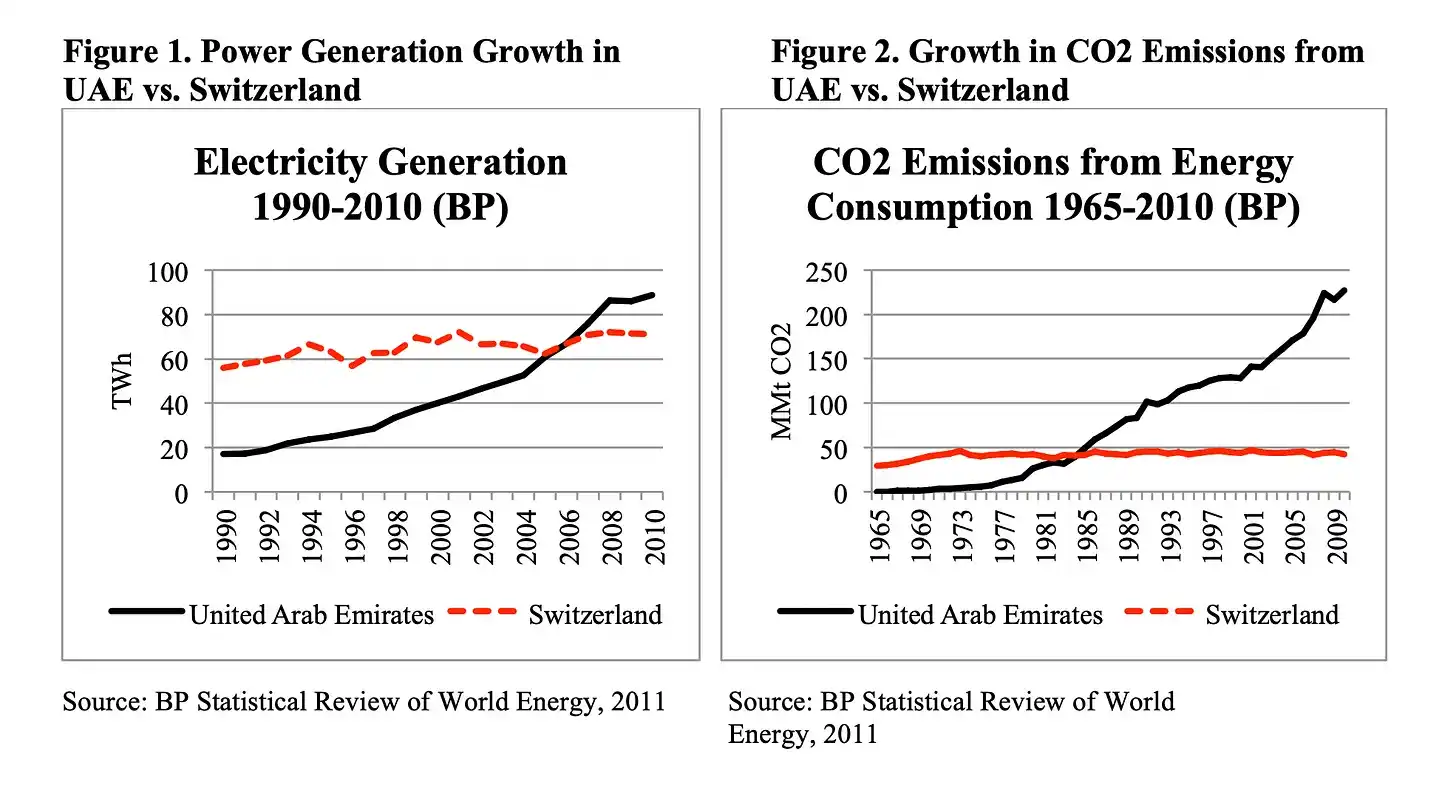
Сегодня дешевая электроэнергия, которая раньше использовалась энергоемкой промышленностью, нашла новых потребителей — центры обработки данных. Саудовская Аравия создала государственное агентство по инвестициям в ИИ HUMAIN, вложив десятки миллиардов долларов в развитие технологической инфраструктуры; ОАЭ начали строительство кампуса для ИИ общей установленной мощностью 5 гигаватт, привлекая такие компании, как OpenAI, Oracle и Nvidia. Электрическая сеть, которая когда-то использовалась для выплавки алюминиевой руды, теперь полностью поддерживает вычисления для ИИ. Проект NEOM Oxagon, изначально планировавшийся как плавучий индустриальный город, также изменил направление, превратившись в кластер центров обработки данных для ИИ стоимостью 5 миллиардов долларов, работающий на энергии ветра и солнца.
Фонд Карнеги за международный мир отметил: облачные вычисления уже стали «новой алюминиевой промышленностью» для стран Персидского залива. Местные жители больше не экспортируют физические сырьевые товары, а через Интернет превращают ископаемое топливо и солнечную энергию в вычислительную мощность для экспорта.
Не только Ближний Восток, пример Бутана также весьма показателен.
Бутан когда-то обладал самыми дешевыми в мире гидроэнергетическими ресурсами, и его официальный проект по добыче биткоинов когда-то считался эталоном государственного майнинга, с пиковыми запасами в сети в 13 000 биткоинов, которые сейчас резко сократились до 3100, а майнинговая деятельность полностью прекратилась более года назад. Местная гидроэлектроэнергия теперь напрямую передается в электросеть Индии.
Рассуждения, стоящие за этим, аналогичны решениям, принятым на американских алюминиевых заводах в свое время: является ли майнинг биткоинов по-прежнему оптимальным способом использования электроэнергии? Когда ответ был положительным, Бутан продолжал майнинг; когда продажа электроэнергии в Индию приносила более стабильный доход и не требовала принятия на себя рисков волатильности цен на монеты, электроэнергия потекла к соседней стране.
Аналогично, Starcloud привлекла 200 миллионов долларов на создание орбитального центра обработки данных на солнечной энергии. Они только что использовали графические процессоры H100 для обучения первой модели искусственного интеллекта в космосе и подают заявку на запуск 88 000 спутников. Хотя проект сохраняет майнинговый бизнес для биткоинов, он является лишь вспомогательным блоком: солнечные панели на орбите непрерывно вырабатывают электроэнергию, и когда очередь вычислительных задач ИИ простаивает, избыточная энергия используется для криптовалютного майнинга.
Низкая околоземная орбита обладает уникальными условиями для выработки электроэнергии: непрерывное освещение, отсутствие необходимости занимать землю, а низкая температура космической среды также избавляет от большого количества охлаждающего оборудования. За последние два десятилетия стоимость космических запусков упала на 95%.
SpaceX также глубоко вовлечена в борьбу за энергию и вычислительные мощности. Согласно последним документам об IPO, вычислительная мощность центра обработки данных Colossus 1 в Мемфисе, штат Теннесси, полностью арендована компанией Anthropic, срок контракта — до мая 2029 года, общая стоимость превышает 40 миллиардов долларов США, и только этот пункт может приносить SpaceX ежемесячный доход в 12,5 миллиардов долларов США. Этот центр обработки данных также был преобразован из старой фабрики по производству электроприборов, аналогично модели превращения алюминиевого завода в Рокдейле в центр вычислений.
Во всей этой промышленной трансформации трансформация Allbirds стала самым неожиданным случаем. Пиковая оценка этой обувной компании, ориентированной на устойчивое развитие, достигла 4 миллиардов долларов США, но после лопнувшего пузыря потребительских брендов ее акции упали на 98%. Когда основной бизнес стал нежизнеспособным, компания, имея наличные деньги и публичный статус, решительно полностью перешла на эксплуатацию инфраструктуры вычислений для ИИ, после чего ее акции взлетели на 350%. Рынок голосованием доказал: сегодня эксплуатация серверов, торговля электроэнергией и вычислительной мощностью приносит гораздо больше прибыли, чем традиционная потребительская отрасль.
В то же время такие криптопроекты, как Bittensor, Render и Akash, идут по пути дифференциации: они не строят крупные централизованные серверные, а интегрируют глобальные распределенные неиспользуемые вычислительные мощности.
Bittensor создала рынок для торговли вычислительной мощностью, опираясь на систему токенов с фиксированным предложением, позволяя различным моделям ИИ соревноваться в предоставлении ответов на платформе; проект также сократил ежедневную эмиссию токенов вдвое в декабре 2025 года. Render поощряет пользователей делиться неиспользуемыми ресурсами видеокарт для выполнения задач ИИ; Akash сдает в аренду облачные вычислительные мощности, заявляя о ценах на 85% ниже, чем у Amazon Web Services.
Эта модель распределенных вычислений постепенно привлекает внимание. На технической конференции Nvidia 2026 года генеральный директор Джексон Хуан сравнил Bittensor с классическим интернет-проектом Folding@home. Последний был создан с целью активизировать неиспользуемые домашние компьютеры по всему миру, позволяя простаивающему оборудованию создавать ценность; а Bittensor использует криптовалютные токены в качестве стимула для интеграции неиспользуемых вычислительных мощностей игровых консолей и старых майнинговых установок.
Рассматривая общую картину, от гудящих промышленных вентиляторов в Рокдейле до спутников на орбите, преследующих Солнце, происходит крупномасштабная реконструкция, связанная с материальными активами. Для компаний, находящихся в этой ситуации, единственный критерий — погоня за прибылью. Я предсказываю, что через десять лет, возможно, эти вычислительные цеха снова опустеют, трансформируются и будут обслуживать следующее поколение новых отраслей промышленности, в то время как подземные магистральные электрические сети с самого начала не изменятся.
Тот, кто контролирует самую дешевую электроэнергию, определяет, как будут использоваться вычислительные мощности. Эта логика уже подтвердилась в Техасе, Бутане и Абу-Даби, и в будущем она будет справедлива и в космосе, в 250 милях от поверхности Земли.