В конце 2025 года крипторынок находится на ключевом этапе. Биткоин (BTC) колеблется около отметки в 90 000 долларов, индекс страха и жадности (Fear & Greed Index) упал до 25 (экстремальный страх), капитуляция краткосрочных держателей достигла второго по величине исторического максимума, уступая только дну обвала арбитража иены в 2024 году. Заседание FOMC 10 декабря завершилось, и Федеральная резервная система (Fed), как и ожидалось рынком, снизила ставки на 25 базисных пунктов, доведя целевую ставку федеральных фондов до 3,50%-3,75%, но перспективные ориентиры стали более «ястребиными» — на 2026 год ожидается лишь одно снижение ставки. Это привело к кратковременному падению BTC ниже отметки в 90 000 долларов, реакция рынка была вялой, наблюдалась коррекция по принципу «покупай слухи, продавай факты».
Однако Fed одновременно запустила программу «резервных управленческих закупок» (RMP), ежемесячно вливая 400 миллиардов долларов ликвидности в краткосрочные казначейские облигации, что расценивается как сигнал к мягкому смягчению, «не являющемуся QE», которое может изменить рыночную динамику в 2026 году. На этом «главном экзамене конца года» — «держать монеты и встречать праздники» в ожидании потенциального отскока или «зафиксировать прибыль»? В этой статье, с учетом влияния FOMC, данных из блокчейна,动向 институциональных игроков и исторических закономерностей, рассматриваются стратегии распределения активов и展望 на развертывание в 2026 году.
Толкование решения FOMC
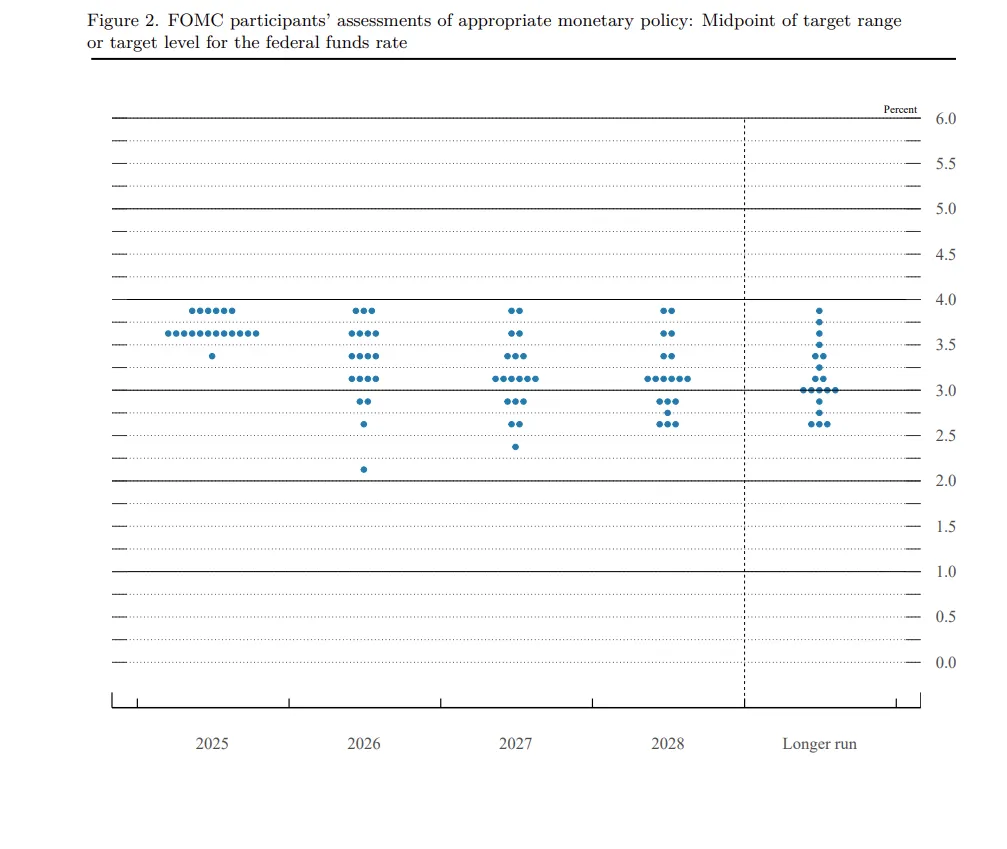
Поворот ликвидности в условиях ястребиного снижения ставок Заседание FOMC стало последним решением по денежно-кредитной политике в 2025 году, на этом раз снижение было принято с разногласиями 9:3, но «точечный график» (dot plot) показывает замедление траектории снижения ставок в 2026 году, осталось пространство лишь для одного снижения на 25 базисных пунктов.
Это усиливает нарратив «ястребиного снижения ставок»: Fed опасается отскока инфляции и мягкой посадки на рынке труда и в краткосрочной перспективе не желает чрезмерного смягчения. Рынок уже оценил вероятность снижения в 89%, что привело к незначительным колебаниям BTC после события, в то время как ETH консолидируется около отметки в 3 000 долларов.
Влияние на криптовалюты двойственное:
-
Краткосрочное давление: Ястребиные ориентиры усиливают неприятие риска, BTC не отскочил, как ожидалось, к максимуму в 94 000 долларов, а instead спровоцировал ликвидацию杠杆 на сотни миллиардов долларов. Низкая ликвидность в конце года (например, объем открытых позиций на perpetual-фьючерсах снизился на 40%-50% по сравнению с октябрем), в сочетании с решением Банка Японии (BOJ), делает рынок susceptible to «накачки и сброса» (pump and dump).
-
Долгосрочная польза: Количественное ужесточение (QT) официально завершилось 1 декабря, баланс Fed сократился с 9 триллионов долларов до 6,5 триллионов долларов и начал восстанавливаться. План RMP эквивалентен «скрытому QE», ожидается, что в 2026 году будет влито триллионы долларов ликвидности, что подтолкнет переоценку рисковых активов. Исторические данные показывают, что переломные моменты ликвидности often вызывают отскок на крипторынке (например, резкий рост BTC после разворота Fed в 2024 году). Кроме того, взрывной рост глобального денежного предложения M2, ослабление индекса доллара DXY, а также стимулирующая политика Китая/ЕС further склонят капитал в сторону рисковых активов.
FOMC усилил нарратив «доминирования макроэкономики», криптовалюты больше не движутся только циклами, а коррелируют с акциями/AI-активами. Краткосрочная волатильность усиливается, но вливание ликвидности прокладывает путь для 2026 года.
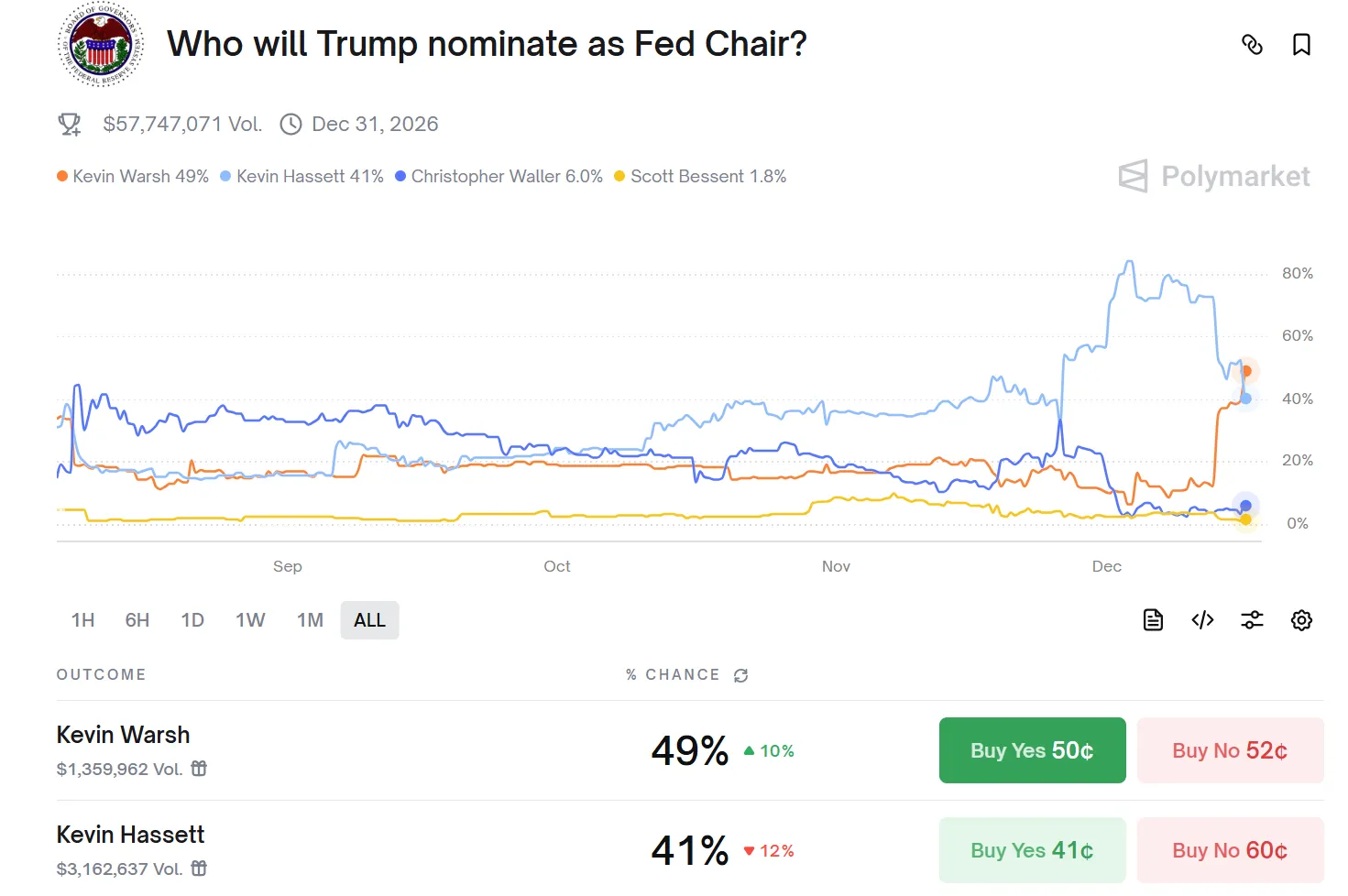
Назначение нового председателя ФРС также станет ключевой переменной для环境 ликвидности в 2026 году. Срок полномочий председателя Джерома Пауэлла официально истекает в мае 2026 года (его срок полномочий члена совета управляющих — до января 2028 года). Президент Трамп уже заявил, что объявит提名 преемника в начале 2026 года, в настоящее время热门 кандидаты сосредоточены на «двух Кевинах»: директоре Национального экономического совета Кевине Хассетте (выступает за более активное снижение ставок) и бывшем члене совета управляющих ФРС Кевине Уорше (недавно посетил Белый дом, подчеркивая консультации с президентом по вопросам ставок).
Вступление в должность более лояльного Трампу и более склонного к смягчению политики председателя может усилить траекторию снижения ставок в 2026 году и ускорить вливание ликвидности, войдя в резонанс с такими политиками, как программа RMP и национальные биткоин-резервы, и further поднять доверие к рисковым активам.
Предвидение动向 институций: развертывание на 2026 год — от «защиты» к «структурному участию»
2025 год считается «годом мейнстримизации криптовалют», вход институций больше не является периферийным экспериментом, а представляет собой системный转型. Согласно «Отчету о состоянии криптовалют за 2025 год» от a16z, традиционные финансовые институты, такие как Visa, BlackRock, Fidelity и JPMorgan Chase, уже全面推出 криптопродукты, а технологические нативные игроки, такие как PayPal и Stripe, делают ставку на платежную инфраструктуру.
Это знаменует смену парадигмы с «доминирования розницы» на «доминирование институций»: совместное исследование EY-Parthenon и Coinbase показывает, что 83% институциональных инвесторов планируют扩大 распределение криптоактивов в 2025 году, показатель экспозиции к DeFi, как ожидается, вырастет с 24% до 75%, фокус на деривативы, кредитование и возможности получения дохода.
Тренды распределения активов институциями: от单一 распределения BTC к мульти-ассетным портфелям
-
BTC остается ядром, но доля снижается: BTC как «цифровое золото» продолжает доминировать в институциональных позициях (AUM ETF превысил 168 миллиардов долларов, составляет 60-80% институциональной экспозиции к криптовалютам), но институции рассматривают его как инструмент диверсификации с низкой корреляцией, а не как единый спекулятивный актив.
-
Расширение в сторону ETH, Altcoins и emerging активов: Институции увеличивают доли ETH (привлекает доходность стейкинга), Solana (высокий TPS и институциональное партнерство), стейблкоинов (платежная инфраструктура), а также RWA (токенизация реальных активов). Отчет Coinbase показывает, что 76% институций планируют инвестировать в токенизированные активы в 2026 году, фокус включает tokenized казначейские облигации,私募 акции и облигации, обеспечивая мгновенный расчет и дробное владение.
-
Пенсионные фонды и суверенные фонды благосостояния试探ую入场: Хотя в основном это косвенная экспозиция (например, Норвежский фонд через MicroStrategy持有 BTC), но в 2026 году ожидается больше прямых распределений на 0,5-3% (через ETF или инструменты токенизации). В отчетах BlackRock等指出, что суверенные фонды и пенсионные фонды рассматривают криптовалюты как долгосрочный инструмент диверсификации и хеджирования, доля распределения постепенно растет.
Историческая закономерность: «Эффект Китайского Нового года» BTC в конце года
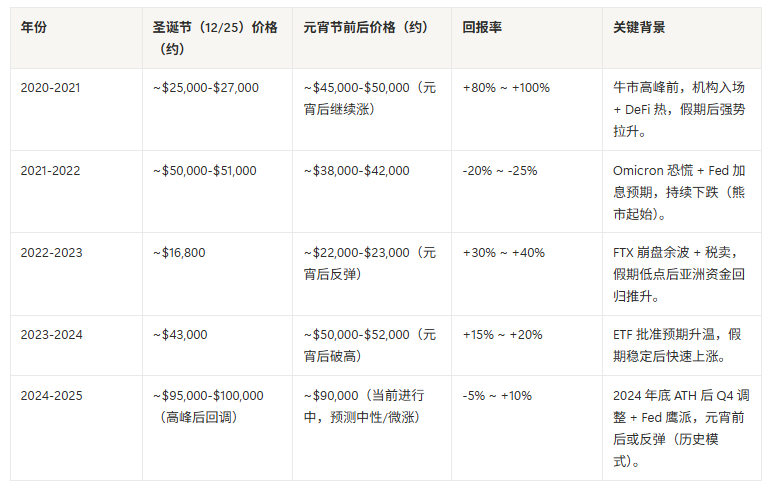
Движущие силы модели «Рождественское дно - отскок на Китайский Новый год»
Истощение ликвидности на Западе: С 20 декабря до начала января западные институции уходят на праздники, объем交易骤降. В условиях низкой ликвидности любое давление продаж усиливает волатильность, формируя технические минимумы.
Возврат资金 из Азии: В период Китайского Нового года (конец января - середина февраля) в материковом Китае, Гонконге, Сингапуре等地 выплачиваются годовые премии и красные конверты (хунбао), розничные инвесторы и состоятельные частные лица увеличивают распределение в рисковые активы. Исторические данные показывают, что за две недели до лунного Нового года объем покупок BTC на азиатских биржах (таких как Binance, OKX) обычно растет.
Ребалансировка институций: Январь — это начало нового финансового года для институций, пенсионные фонды, хедж-фонды переоценивают распределение активов. Если BTC показал相对 устойчивость в декабре (например, в 2025 году откатился лишь на 5-10%), институции склонны увеличивать позиции в январе, чтобы догнать基准 доходность.
Данные из блокчейна:密集 появление сигналов дна
После осуществления ястребиного снижения ставок FOMC, крипторынок вступил в типичную фазу «низкой ликвидности конца года», биткоин (BTC)反复震荡 в диапазоне 88 000-92 000 долларов, индекс страха и жадности упал до 25 (экстремальный страх). Поверхностно это looks like коррекция «продажи по факту». Но данные из блокчейна透露更多 структурные сигналы: глубокая капитуляция краткосрочных держателей,持续 накопление долгосрочными держателями, ускоренный отток резервов с бирж, а также признаки дна по среднесрочным и долгосрочным показателям. Эти данные暗示, что текущая ситуация — не просто медвежий рынок, а этап «среднесрочной корректировки + смыва» (washout) в бычьем цикле.
1. Капитуляция краткосрочных держателей (STH): боль接近 завершения
-
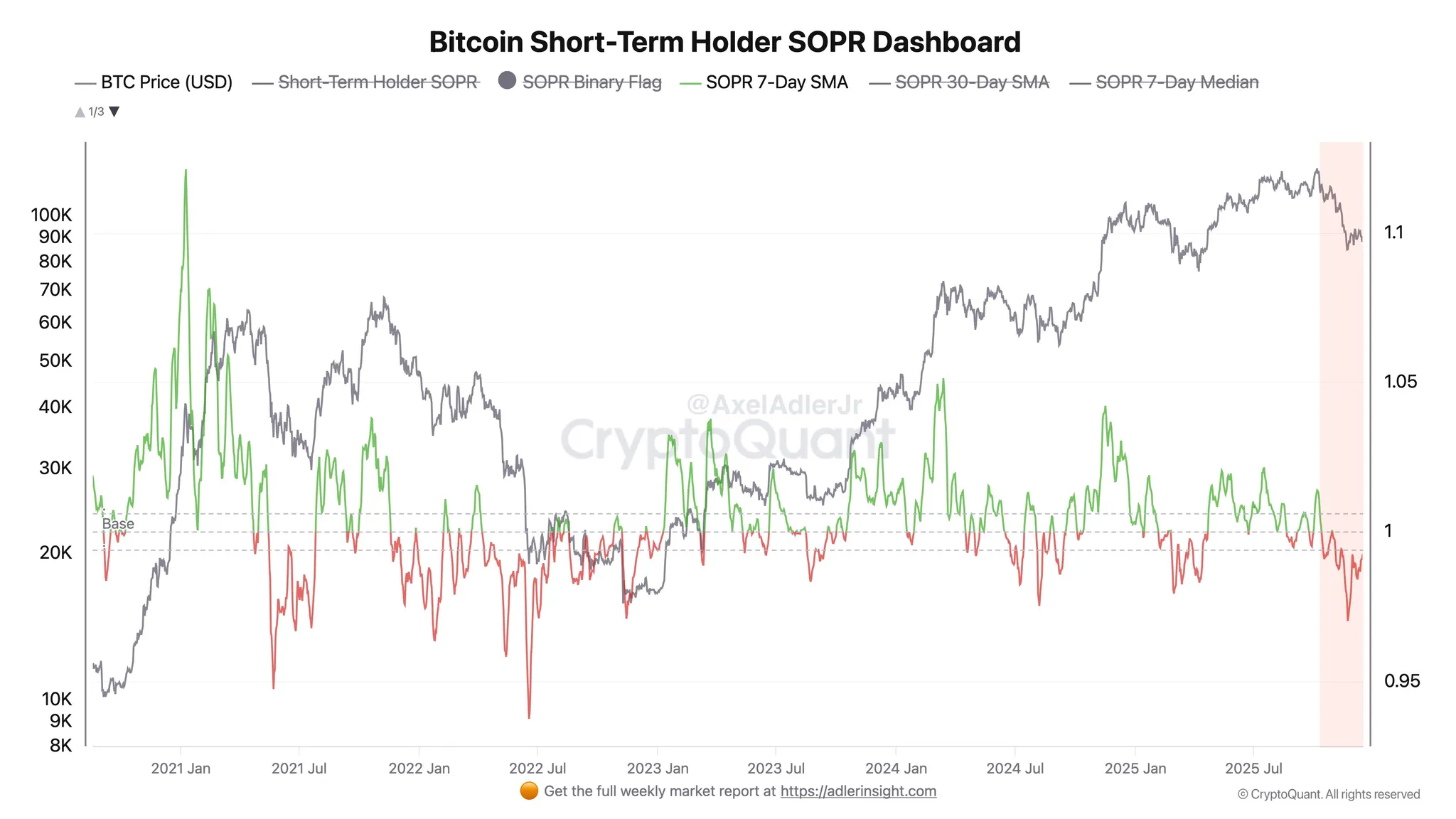
Масштаб реализованных убытков: За последние 30 дней краткосрочные держатели (持有 <155 дней) реализовали убытки на сумму более 4,5 миллиардов долларов, что уступает только 5,2 миллиардам долларов во время обвала арбитража иены в августе 2024 года (данные Glassnode). Это указывает на то, что杠杆 игроки и розничные инвесторы, купившие на пиках, уже массово капитулировали.
-
Индикатор SOPR: SOPR (Spent Output Profit Ratio) краткосрочных держателей持续 ниже 1 (средний убыток при продаже), сохраняется более 3 недель, история показывает, что после такой глубокой капитуляции BTC often достигает этапного дна в течение 1-3 месяцев.
2. Резервы на биржах и вывод: тенденция дезинтермедиации资金 усиливается
-
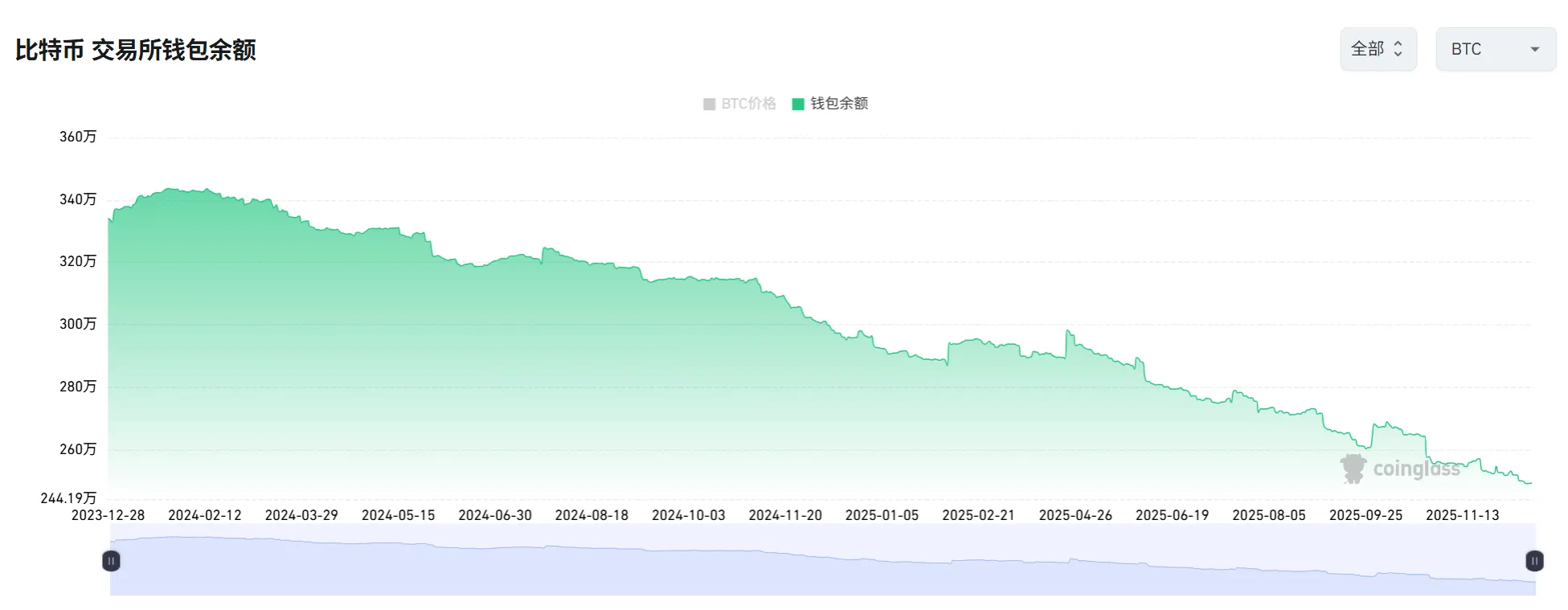
Баланс BTC на биржах: За последние 30 дней резервы BTC на всех биржах сократились примерно на 120 000 монет (около 2,5%), упав ниже 2,6 миллионов (CryptoQuant), что является最低 уровнем с 2018 года.
-
Резервы ETH на биржах: За тот же период сократилось около 1,2 миллиона ETH, скорость вывода достигла рекордного уровня за 2025 год, что отражает强劲 спрос на стейкинг и самостоятельное хранение.
-
Резервы стейблкоинов: Балансы USDT/USDC на биржах虽有 сезонного снижения, но количество активных адресов и объем переводов в блокчейне стабильны, что показывает, что资金 не ушли с рынка, а перешли в холодное хранение в ожидании повторного входа.
Отток средств с бирж обычно предвещает ценовое дно, уменьшая давление продаж и одновременно накапливая силы для последующего отскока.
3. Среднесрочные и долгосрочные индикаторы:密集 сигналы дна
-
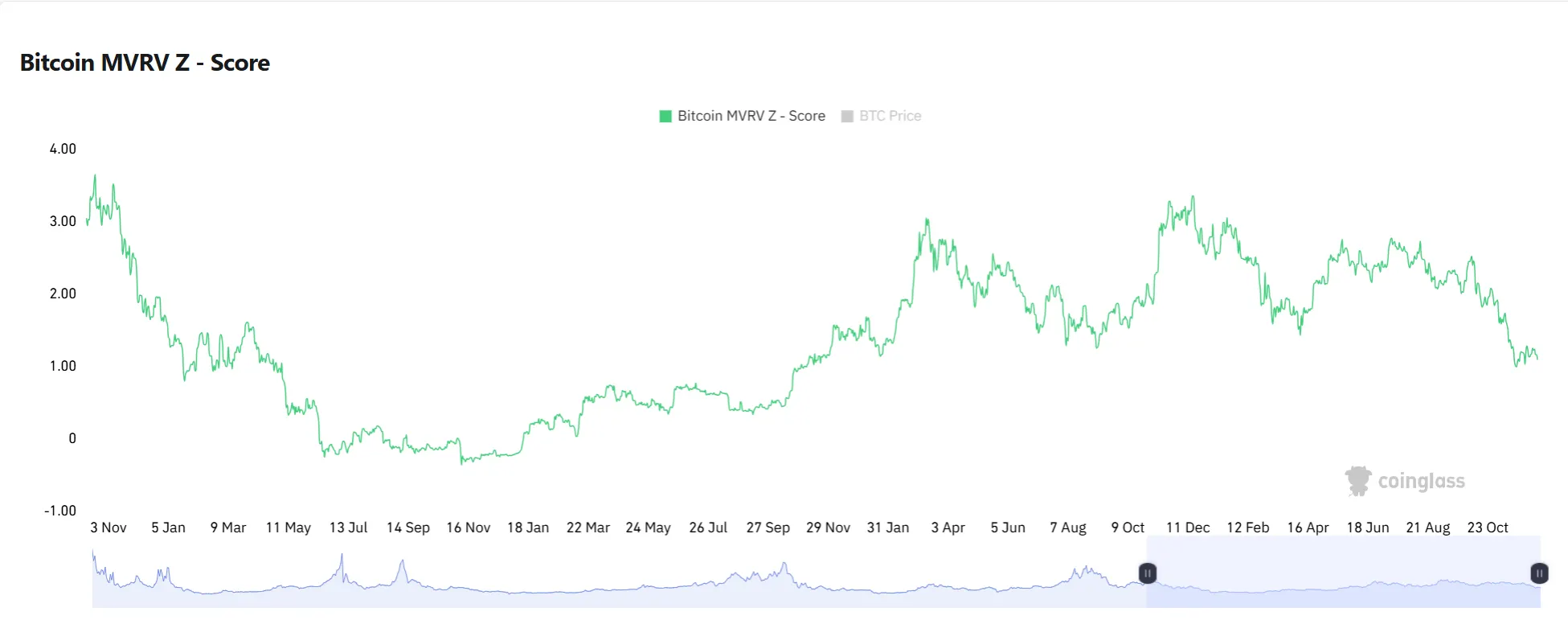
MVRV Z-Score: Текущее значение 1,1, вошло в историческую «зеленую зону покупки».
-
RHODL Ratio: Упал до уровня дна медвежьего рынка 2022 года, указывая на полное охлаждение рыночного ажиотажа.
-
Puell Multiple: Индикатор дохода майнеров откатился до 0,6, исторические низкие уровни often сопровождаются разворотом цены после капитуляции майнеров.
-
Активные адреса и объем交易: Хотя краткосрочно低迷,但 30-дневная скользящая средняя (MA) не показывает обрывистого падения, в отличие от «истощения активности» на пике бычьего рынка 2021 года.
Стратегия распределения активов: поиск определенности в неопределенности
Рынок находится в редкой точке пересечения:
-
Краткосрочные настроения极度 панические (Fear & Greed Index 25), но данные из блокчейна показывают密集 появление признаков дна
-
Историческая закономерность «Рождественское дно - отскок на Китайский Новый год»提供 сезонную поддержку, успешно подтвержденная трижды за последние пять лет
-
Макроэкономическая ликвидность即将 развернуться (завершение QT, запуск RMP), но краткосрочно все еще подавляется ястребиными ориентирами
-
Процесс институционализации ускоряется, рыночная структура转型 от «спекулятивного驱动» к «配置驱动» (управляемому распределением)
Для инвесторов, стремящихся к долгосрочной стоимости, текущая环境 предоставляет относительно четкие рамки соотношения риска и доходности: глубокая капитуляция краткосрочных держателей, ускоренный отток резервов с бирж,持续 накопление долгосрочными держателями, а также вход таких оценочных индикаторов, как MVRV и RHODL, в историческую зону покупки — эти сигналы в прошлом каждый раз отмечали открытие окон для среднесрочного и долгосрочного распределения активов. Для трейдеров, уделяющих внимание управлению ликвидностью, период истощения ликвидности в декабре — это как риск, так и возможность. Сохранение достаточной гибкости, сбережение боеприпасов во время рыночной паники и действия в соответствии с тенденцией при подтверждении эффекта Китайского Нового года, вероятно, более разумно, чем погоня за краткосрочными колебаниями.
Данные для этого отчета были отредактированы и整理ены WolfDAO, при наличии вопросов вы можете связаться с нами для обновления обработки;
Автор: Nikka / WolfDAO ( X : @10xWolfdao )