Стейблкоины — это «лоялисты» криптомира: Open USD выводит старую денежную систему на арену
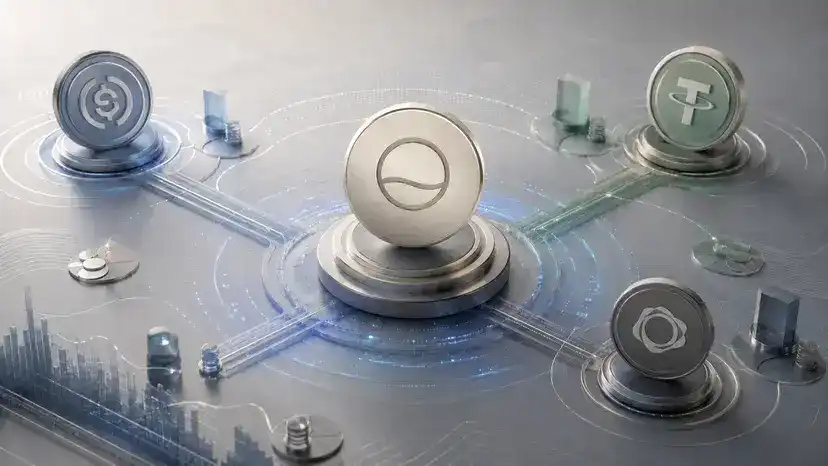
Автор Ху Илинь анализирует появление Open USD, новой стейблкоин-инициативы, объединяющей более 140 традиционных финансовых, платежных, технологических и блокчейн-компаний (Visa, Mastercard, BlackRock, Google, Coinbase и др.). Он утверждает, что стейблкоины, привязанные к доллару, не являются революционными в духе криптовалют. Вместо этого они действуют как «реформисты-роялисты» внутри старой системы: они используют эффективность блокчейна, но сохраняют доллар и ФРС США в качестве центрального авторитета. Их цель — оптимизировать, а не заменить существующую денежную иерархию.
Open USD символизирует переход конкуренции от криптостартапов к коалиции традиционных институтов, которые сами начинают строить инфраструктуру стейблкоинов. Это создает иронию для таких компаний, как Circle (USDC): если миссия стейблкоина — служить долларовой системе, то когда гиганты вроде Visa сами выпускают стейблкоин, первоначальная революционная повестка теряет смысл.
Ху Илинь проводит аналогию с астрономической революцией: стейблкоины подобны системе Тихо Браге — они используют новые технологии, но отказываются сдвинуть «Землю» (доллар) с центральной позиции. Истинная «коперниканская» революция в криптовалютах, представленная биткоином, заключается в идее, что экономическая жизнь и денежный порядок могут существовать без центрального банка как обязательного центра. В то время как стейблкоины могут быть полезным переходным инструментом, их успех, по сути, усиливает долларовую гегемонию, а не создает новую, децентрализованную денежную систему. Проекты, претендующие на трансформацию, должны сохранять «непокорный» элемент, такой как приверженность собственной денежной единице (биткоин) или устойчивая децентрализация, а не сводить свои амбиции к роли поставщика комиссионных сборов («продавца топлива»).
链捕手07/04 02:40