Анализ отчёта Goldman Sachs: Circle и USDC выходят за пределы криптовалютного мира, трансграничные платежи и AI-агенты становятся новой ареной битвы
Титульная статья Goldman Sachs о Circle и USDC: криптомир остается позади, новыми фронтами становятся трансграничные платежи и AI-агенты.
Аналитики Goldman Sachs 5 июля опубликовали отчет по итогам встречи с руководством Circle Internet Group (CRCL.US), эмитента стейблкоина USDC. Ключевой тезис: стейблкоины превращаются из периферийного инструмента криптомира в инфраструктуру для традиционных финансов и экономики на основе искусственного интеллекта (ИИ). Сценарии использования USDC быстро расширяются — от криптотрейдинга до трансграничных платежей, электронной коммерции, расчетов на рынках капитала и даже платежей для AI-агентов. Goldman Sachs дает Circle нейтральную оценку с целевой ценой акции $96 (текущая цена ~$64.62), что предполагает потенциал роста около 48.6%.
Руководство Circle подчеркивает, что рост стейблкоинов больше не зависит от циклов рынка криптовалют. Объем и стоимость USDC продолжают расти, несмотря на снижение цен и активности на крипторынке, благодаря диверсификации применения.
Выделяются пять ключевых направлений:
1. **Криптоэкосистема:** Базовое направление, партнерства с такими платформами, как Hyperliquid.
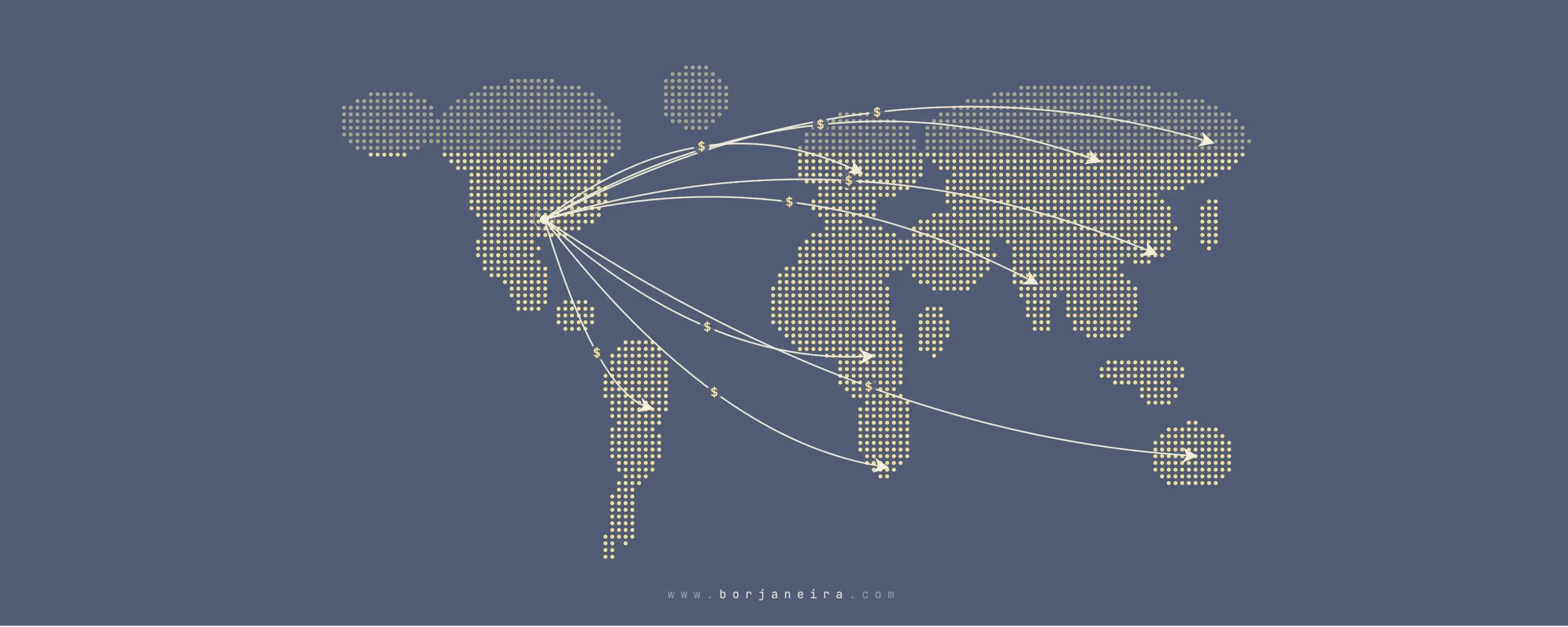
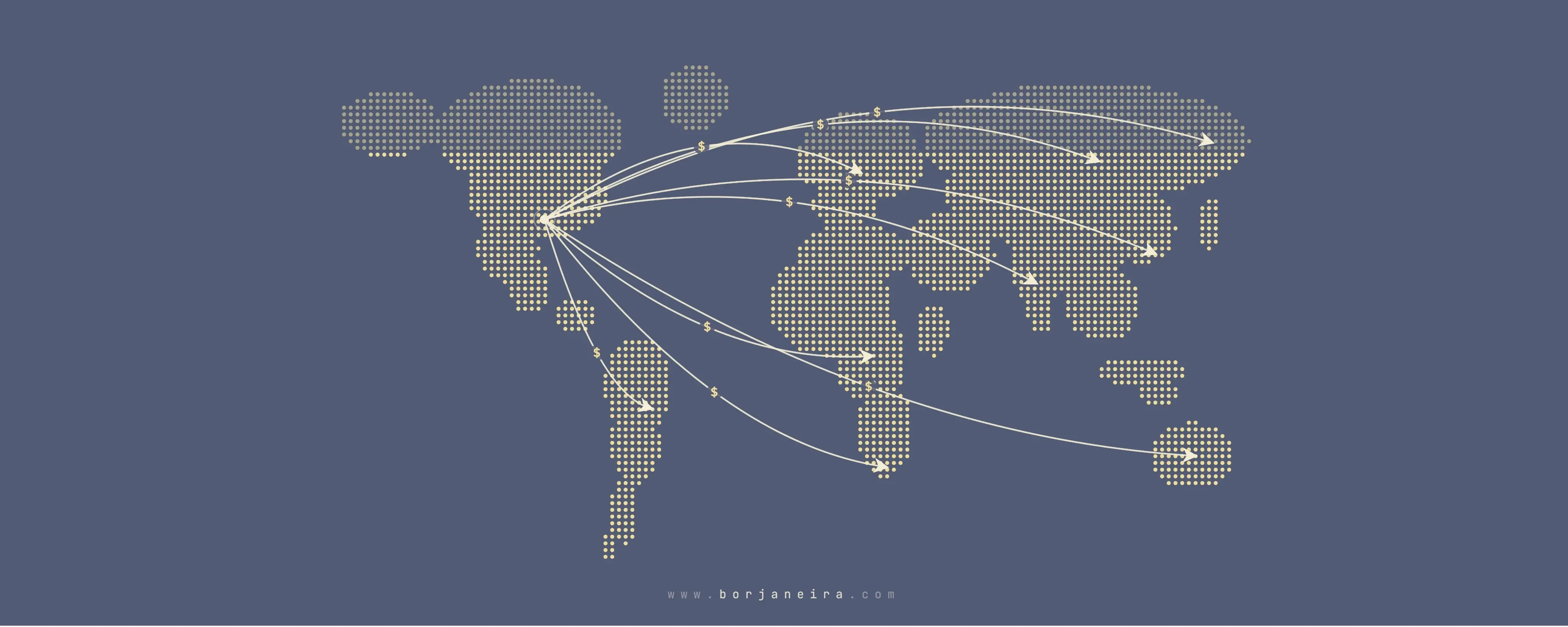
2. **Трансграничные платежи и управление капиталом:** Самый быстрорастущий сегмент. USDC с его мгновенным расчетом и низкой стоимостью трансформирует традиционные процессы, особенно востребован на развивающихся рынках как форма «цифровой долларизации».
3. **Потребительские платежи и электронная коммерция:** Такие платформы, как Stripe и Shopify, начинают принимать USDC.
4. **Рынки капитала:** USDC рассматривается как обеспечение для деривативов и инструмент расчетов, чему способствует регуляторный прогресс (например, одобрение CFTC).
5. **Платежи для AI-агентов:** Ключевое дифференцирующее направление. AI-агентам, выполняющим экономические операции, требуются атомарные расчеты с минимальными издержками. USDC доминирует в этой нише, занимая ~99% объема транзакций в протоколе x402.
Конкурентные преимущества USDC, по мнению Circle, основаны на сетевом эффекте: широкая экосистема партнеров («сверхновая ликвидность»), глобальная глубина ликвидности и развитая инфраструктура соответствия регуляторным требованиям.
Отдельно отмечается структурное отличие стейблкоинов от токенизированных банковских депозитов: USDC — это открытая, интернет-родная система без кредитного риска эмитента, тогда как токенизированные депозиты остаются частью банковской системы с ее рисками.
Стратегия Circle строится вокруг трех продуктов:
* **Arc:** публичный блокчейн Layer 1, позиционируемый как операционная система для финансов.
* **Circle Payments Network (CPN):** сеть для трансграничных платежей.
* **Agentic Stack:** продукты для AI-агентов с целью закрепить лидерство USDC в этой сфере.
В отношении регуляции Circle считает, что законы, подобные CLARITY Act, станут катализатором роста, а не ограничением, поскольку легитимизируют индустрию для институциональных игроков.
В перспективе, однако, остаются вопросы. Несмотря на сетевые эффекты, USDC по-прежнему уступает по рыночной капитализации USDT. Акцент на регулируемость является палкой о двух концах. Также прибыль Circle в значительной степени зависит от процентного дохода от резервных активов, что делает ее уязвимой в условиях снижения процентных ставок.
marsbit07/07 03:54