Биткоин, пройдя через масштабную корректировку в конце года, вступил в 2026 год с более четкой рыночной структурой. Давление фиксации прибыли ослабло, рыночные аппетиты к риску постепенно восстанавливаются, но для установления устойчивого восходящего тренда ключевым моментом по-прежнему остается удержание и отвоевание важных ценовых ориентиров.
Резюме
· Биткоин официально вступил в 2026 год после глубокой коррекции и многомесячной консолидации. Данные on-chain показывают, что давление фиксации прибыли значительно ослабло, а рыночная структура показывает первые признаки стабилизации у нижней границы диапазона.
· Несмотря на ослабление продажного давления, над ценой по-прежнему нависает большой объем ранее купленных активов, сконцентрированных в основном в верхней части текущего диапазона, что будет сдерживать восходящее движение цены, подчеркивая важность преодоления ключевых уровней сопротивления для восстановления восходящего тренда.
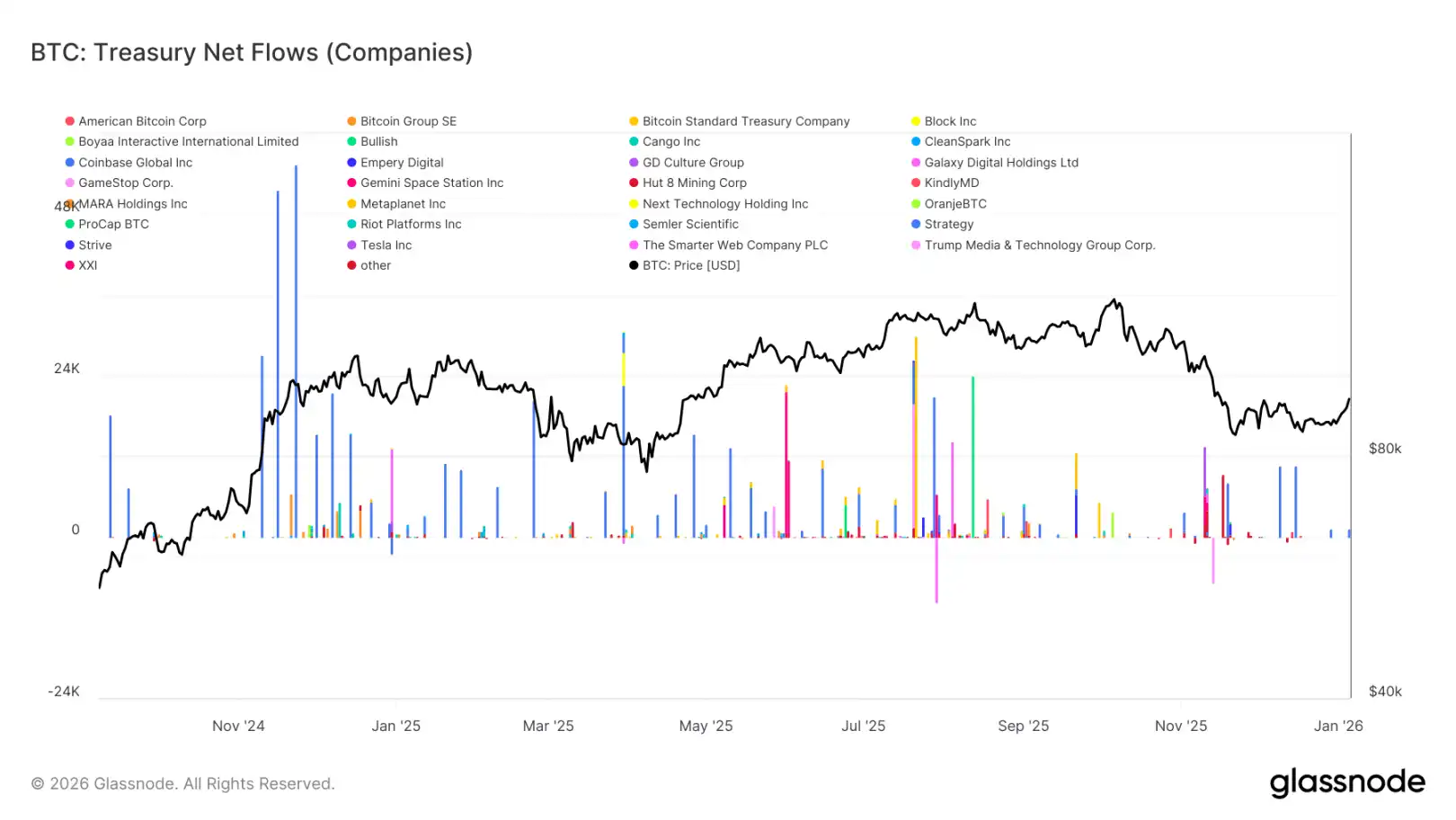
· Спрос на биткоин со стороны казначейств компаний по-прежнему обеспечивает базовую поддержку цене, но этот спрос носит импульсный характер, ему не хватает устойчивости и структурированности.
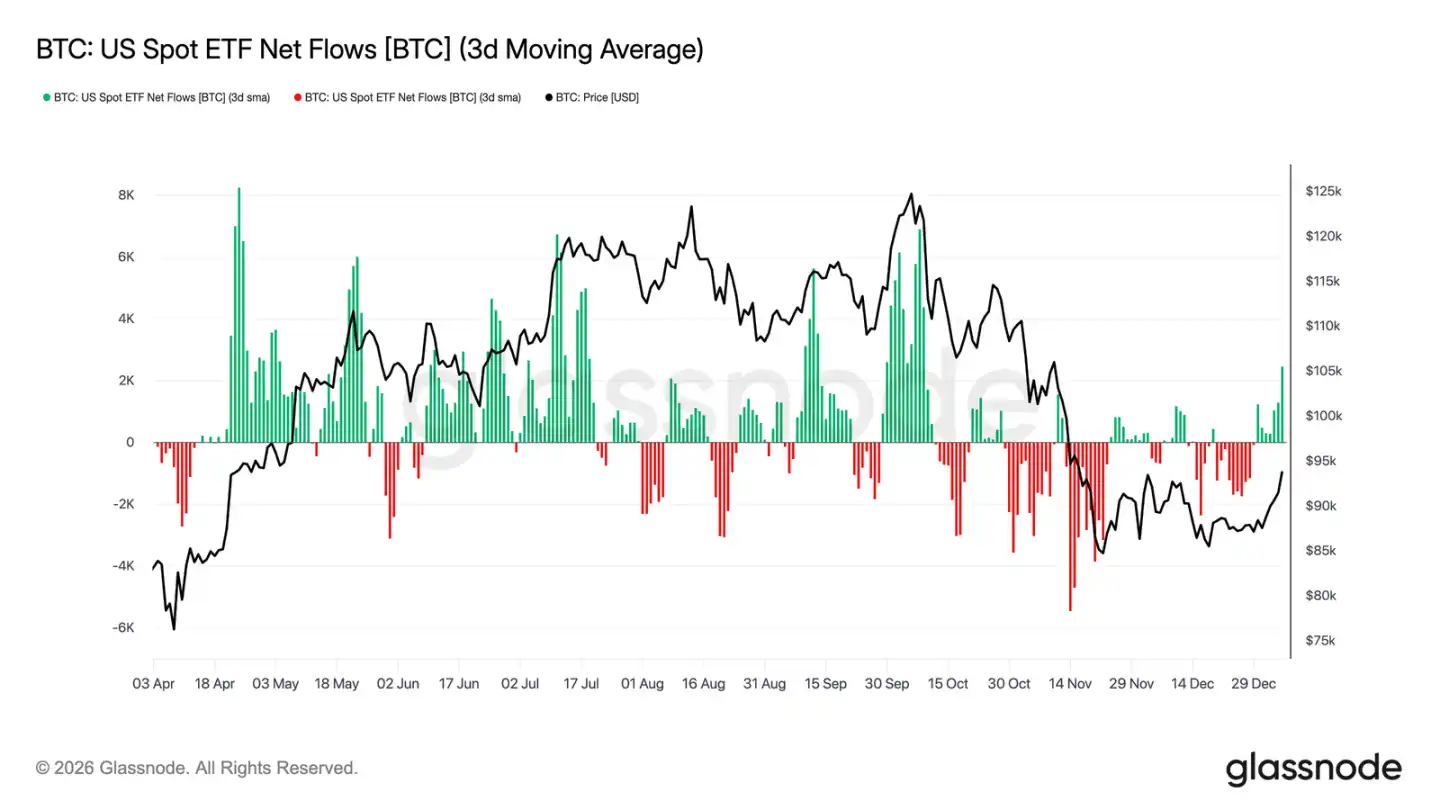
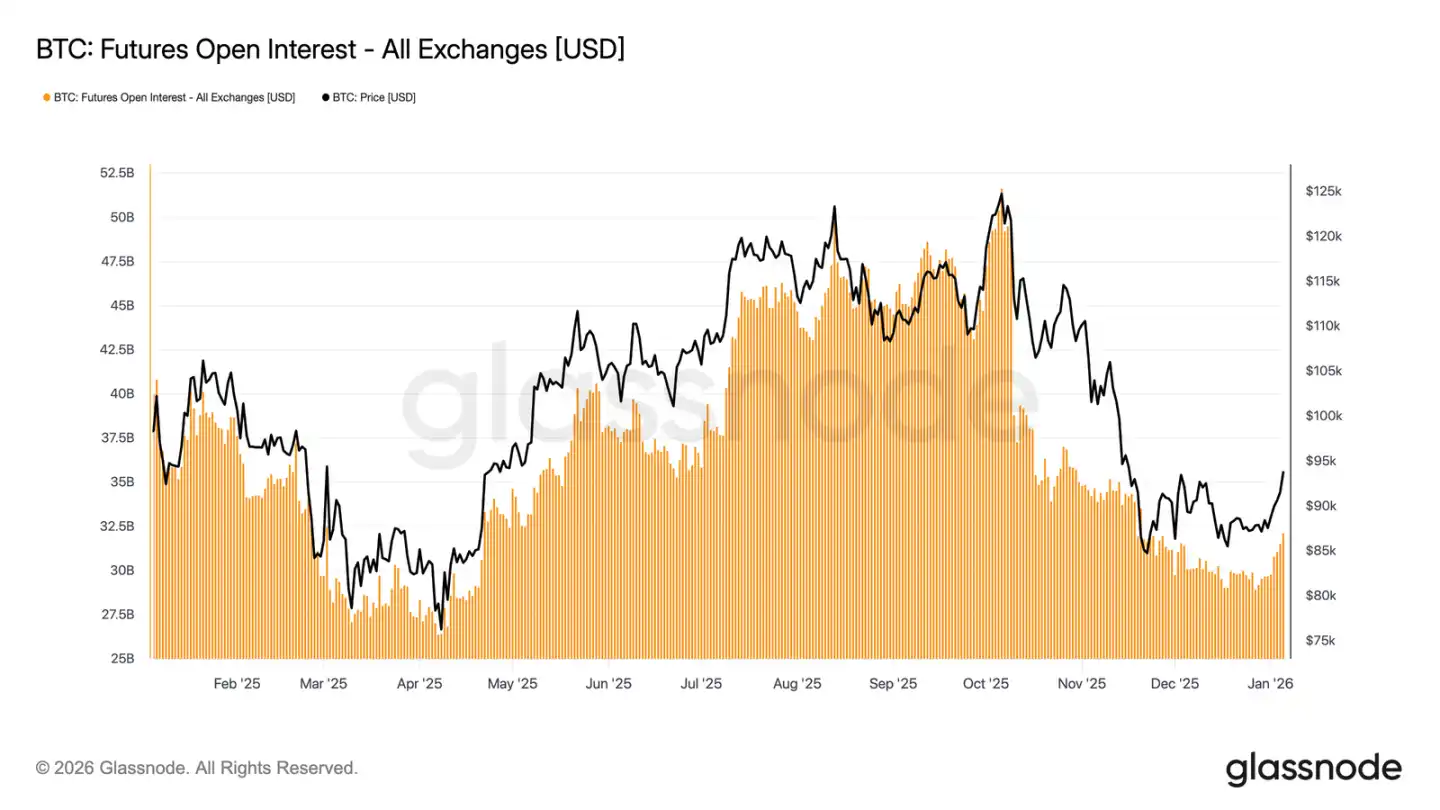
· Потоки средств в американские спотовые биткоин-ETF, показавшие чистый отток в конце 2025 года, в последнее время вновь демонстрируют признаки чистого притока. В то же время открытый интерес на фьючерсном рынке перестал снижаться и начал расти, что свидетельствует о возвращении институциональных инвесторов на рынок и восстановлении активности на рынке деривативов.
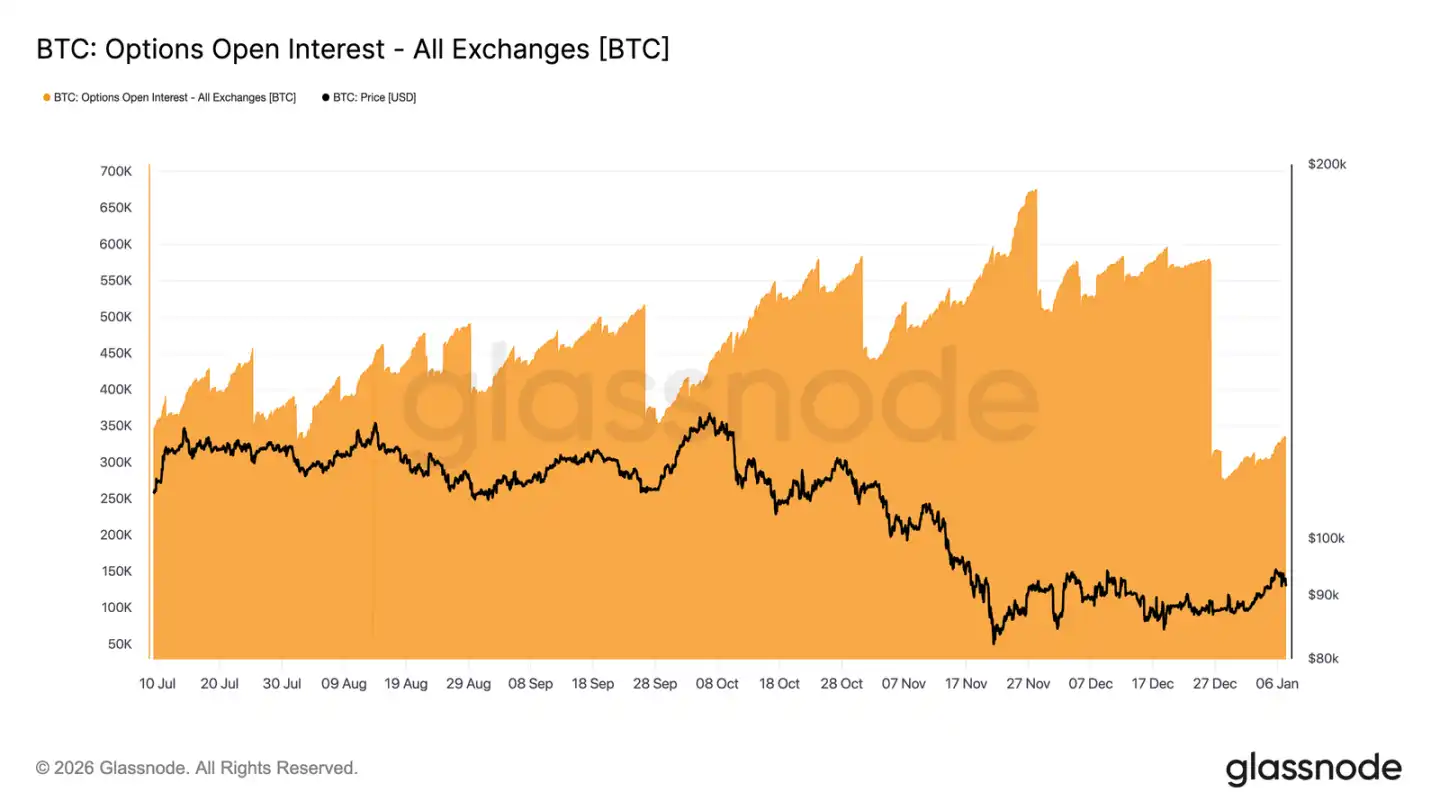
· Рекордный объем опционных позиций, сконцентрированных к концу года, истек: было ликвидировано более 45% открытого интереса, что устранило структурные хеджевые ограничения на рынке и позволило реальным аппетитам к риску более четко отражаться в цене.
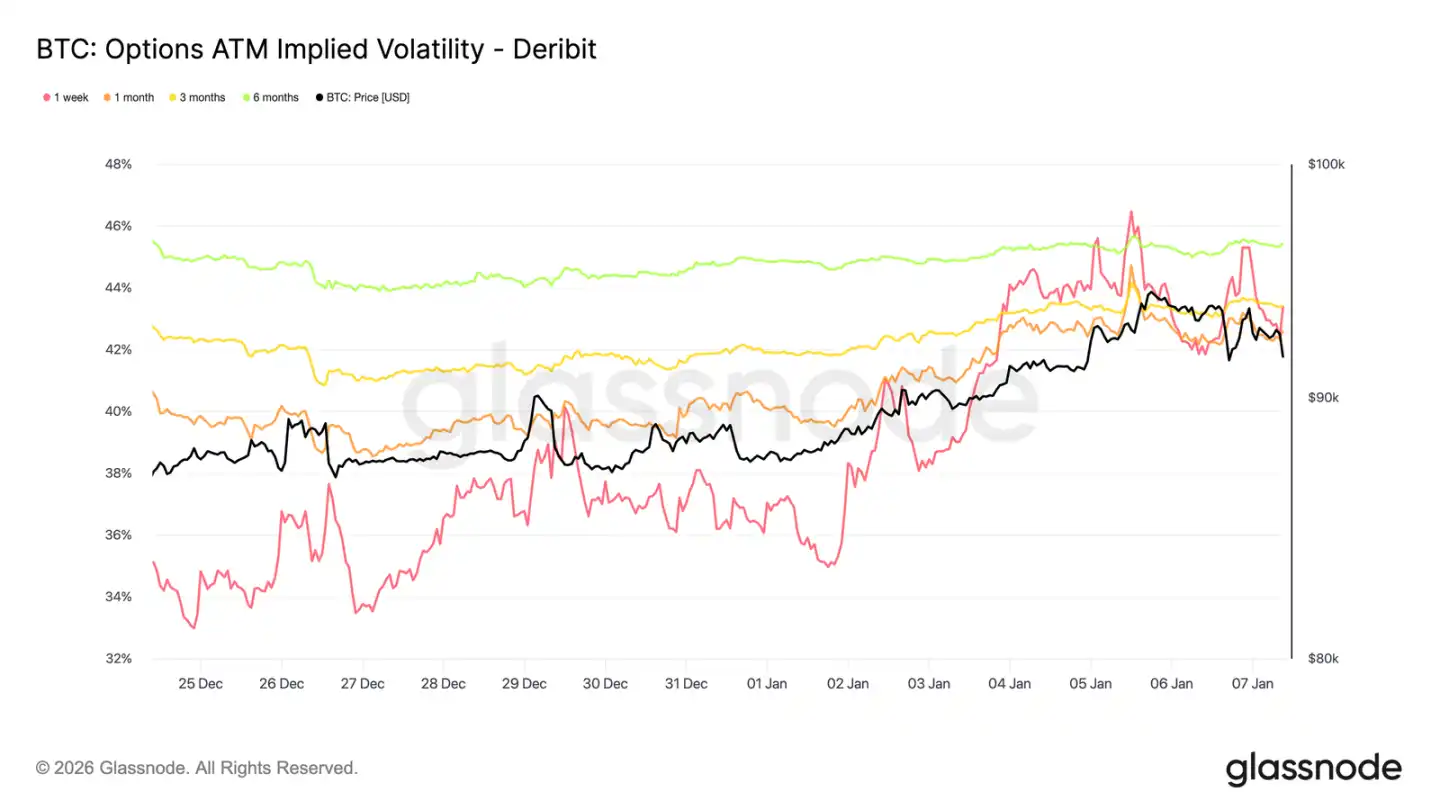
· Подразумеваемая волатильность, вероятно, достигла локального дна, и спрос со стороны покупателей в начале года мягко подталкивает вверх кривую волатильности, но она все еще находится в нижней части диапазона последних трех месяцев.
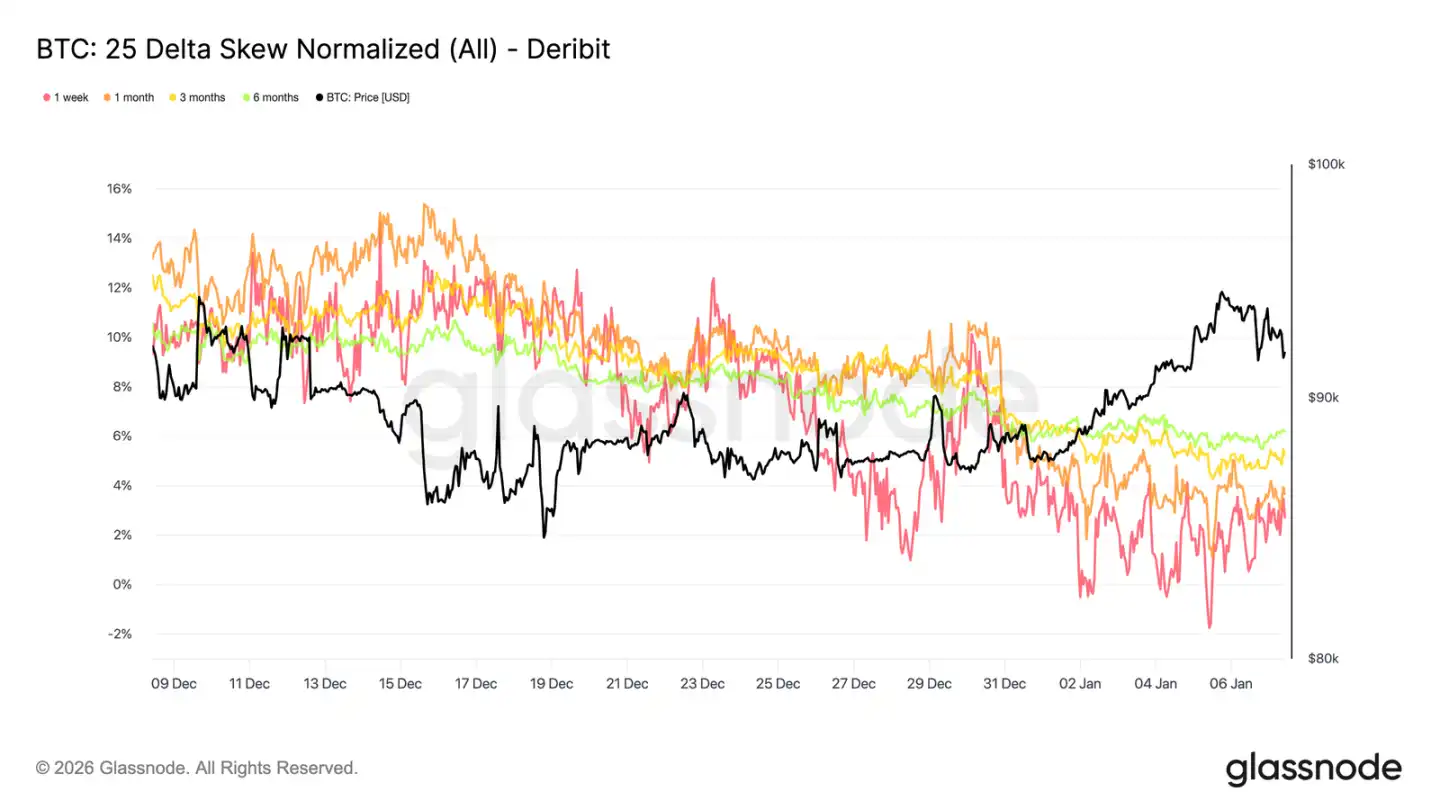
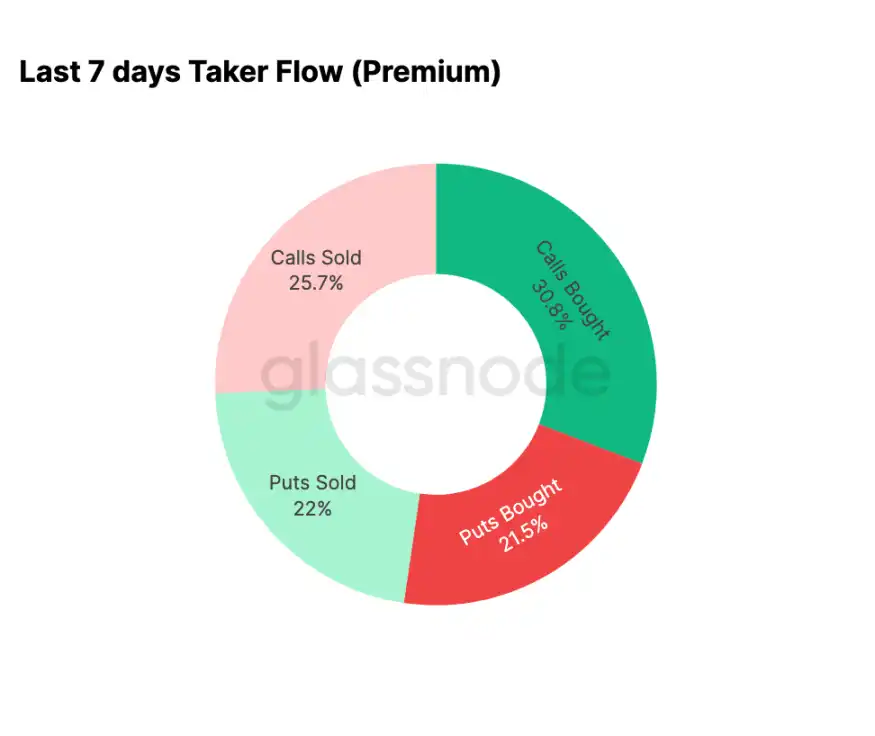
· По мере сужения премии пут-опционов и увеличения доли колл-опционов в сделках, рыночный перекос (skew) продолжает возвращаться к норме. С начала нового года опционные сделки явно сместились в сторону коллов, что означает, что инвесторы переходят от защитного хеджирования к активному позиционированию для роста.
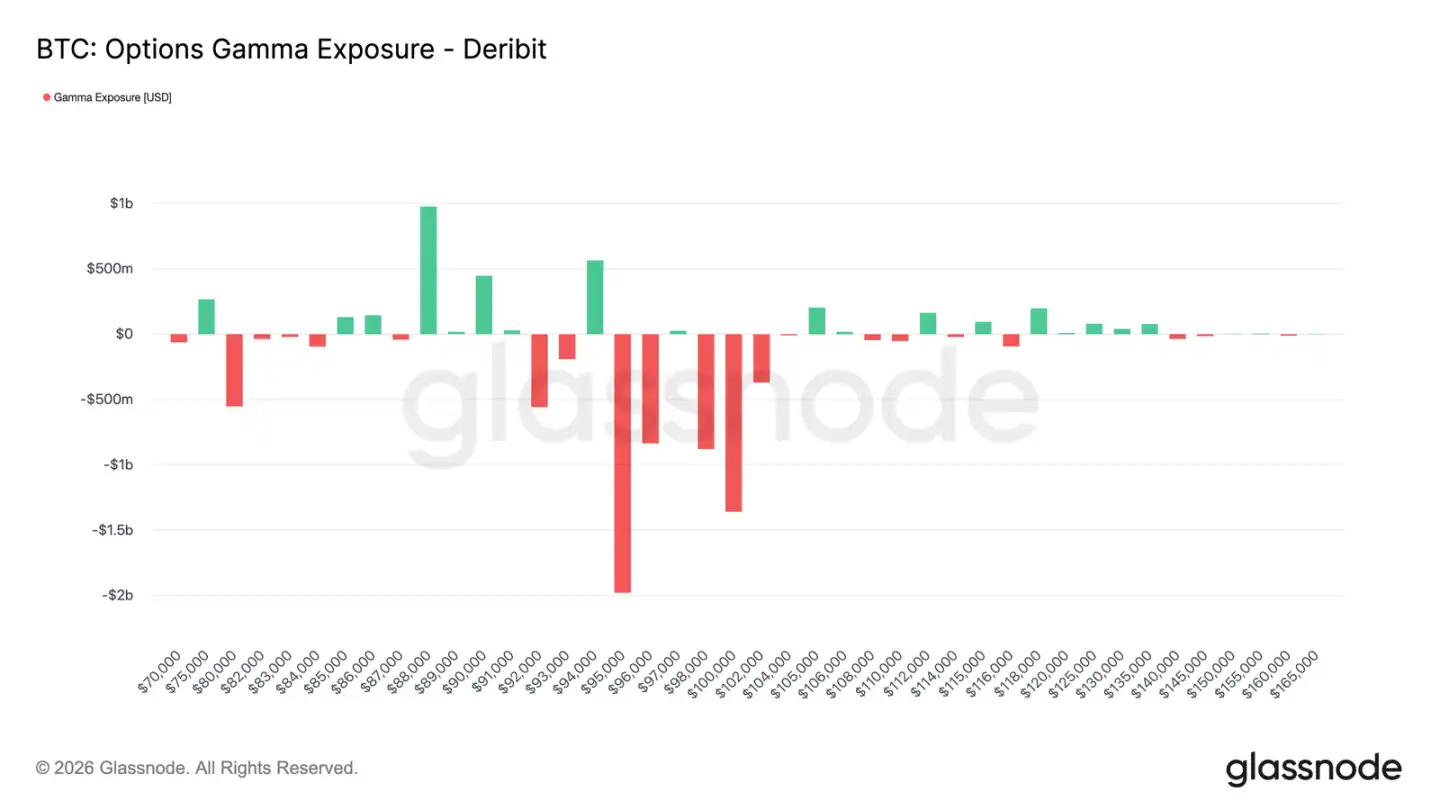
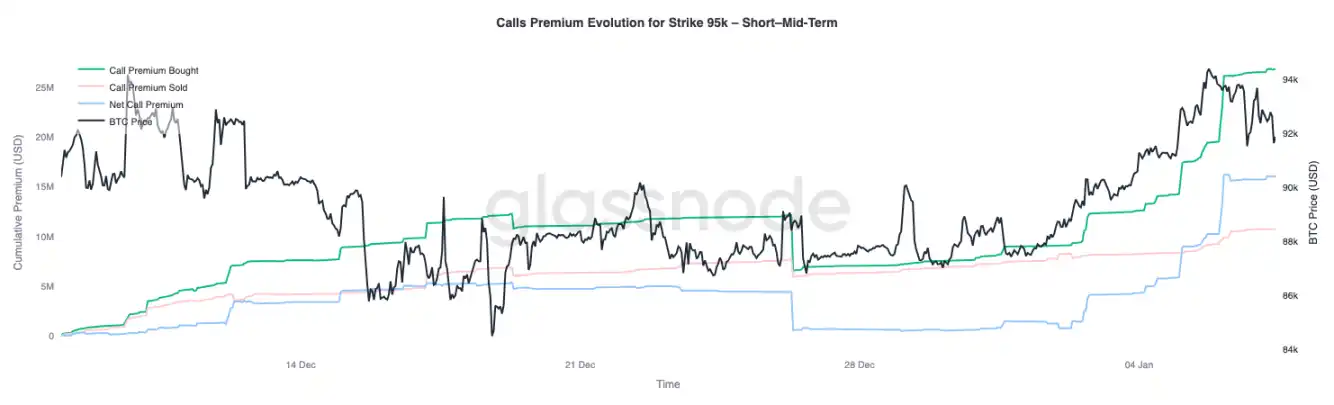
· В диапазоне от 95 до 104 тысяч долларов позиции маркет-мейкеров превратились в чистые короткие, что означает, что их хеджирующие действия будут пассивно подталкивать рост, когда цена войдет в этот диапазон. Кроме того, динамика премии колл-опционов с страйком 95 тысяч долларов также показывает, что держатели длинных позиций склонны удерживать их, а не спешить фиксировать прибыль.
В целом, рынок постепенно переходит от защитной стадии делевериджа к выборочному наращиванию риска, вступая в 2026 год с более четкой структурой и повышенной устойчивостью.
On-chain инсайты
Значительное ослабление давления фиксации прибыли
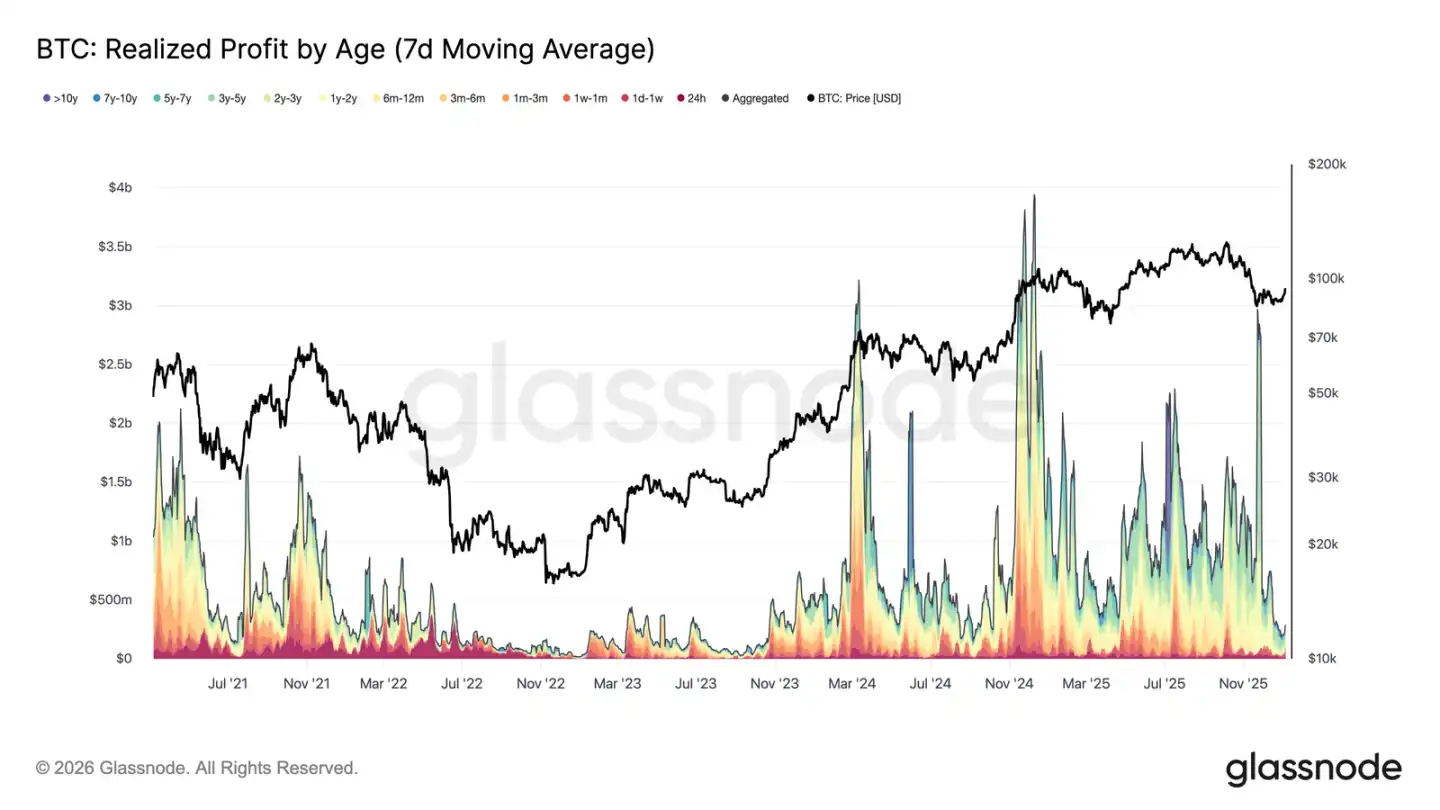
На первой неделе 2026 года биткоин прорвал затянувшийся на несколько недель диапазон консолидации около 87 тысяч долларов, поднявшись примерно на 8,5% и достигнув максимума на уровне 94,4 тысячи долларов. Этот рост произошел на фоне значительного охлаждения общего давления фиксации прибыли на рынке. В конце декабря 2025 года 7-дневная средняя реализованная прибыль значительно снизилась с уровней выше 1 млрд долларов в день, наблюдавшихся большую часть четвертого квартала, до 183,8 млн долларов.
Снижение реализованной прибыли, особенно ослабление продажного давления со стороны долгосрочных держателей, указывает на то, что основное продажное давление, сдерживавшее рост цены, было阶段性 высвобождено. Поскольку силы продавцов ослабевают, рынок смог стабилизироваться и восстановить уверенность, что способствовало новому витку роста. Таким образом, прорыв в начале года ознаменовал эффективное поглощение рынком давления фиксации прибыли, открыв пространство для роста цены.
Столкновение с сопротивлением "застрявших наверху"
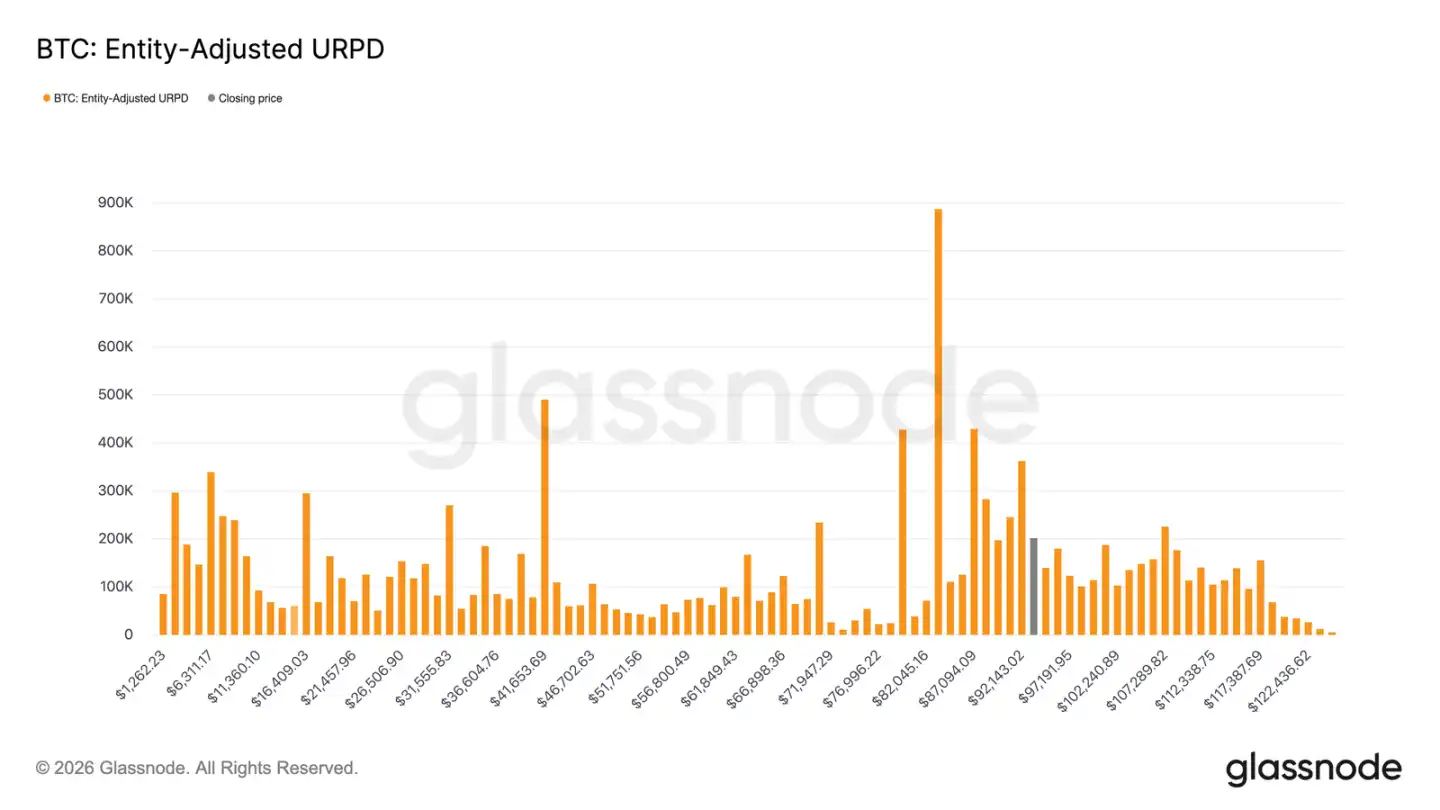
По мере ослабления давления со стороны фиксирующих прибыль, цена получила возможность для роста, но текущее восстановление входит в зону предложения, сформированную различными ценами входа. Рынок сейчас вошел в диапазон, контролируемый в основном "покупателями на недавних вершинах", чьи цены входа плотно распределены в диапазоне от 92,1 до 117,4 тысяч долларов. Эти инвесторы активно покупали near the previous highs и продолжали удерживать позиции в период падения цены с исторических максимумов примерно до 80 тысяч долларов, вплоть до текущей фазы восстановления.
Следовательно, по мере возврата цены в зону их безубыточности, эти инвесторы получат возможность выйти в ноль или с небольшой прибылью, создавая естественное сопротивление для восходящего движения. Для настоящего restartа бычьего рынка потребуется время и устойчивость, чтобы поглотить это верхнее предложение и推动 цена эффективно прорвать этот регион.
Ключевые уровни восстановления
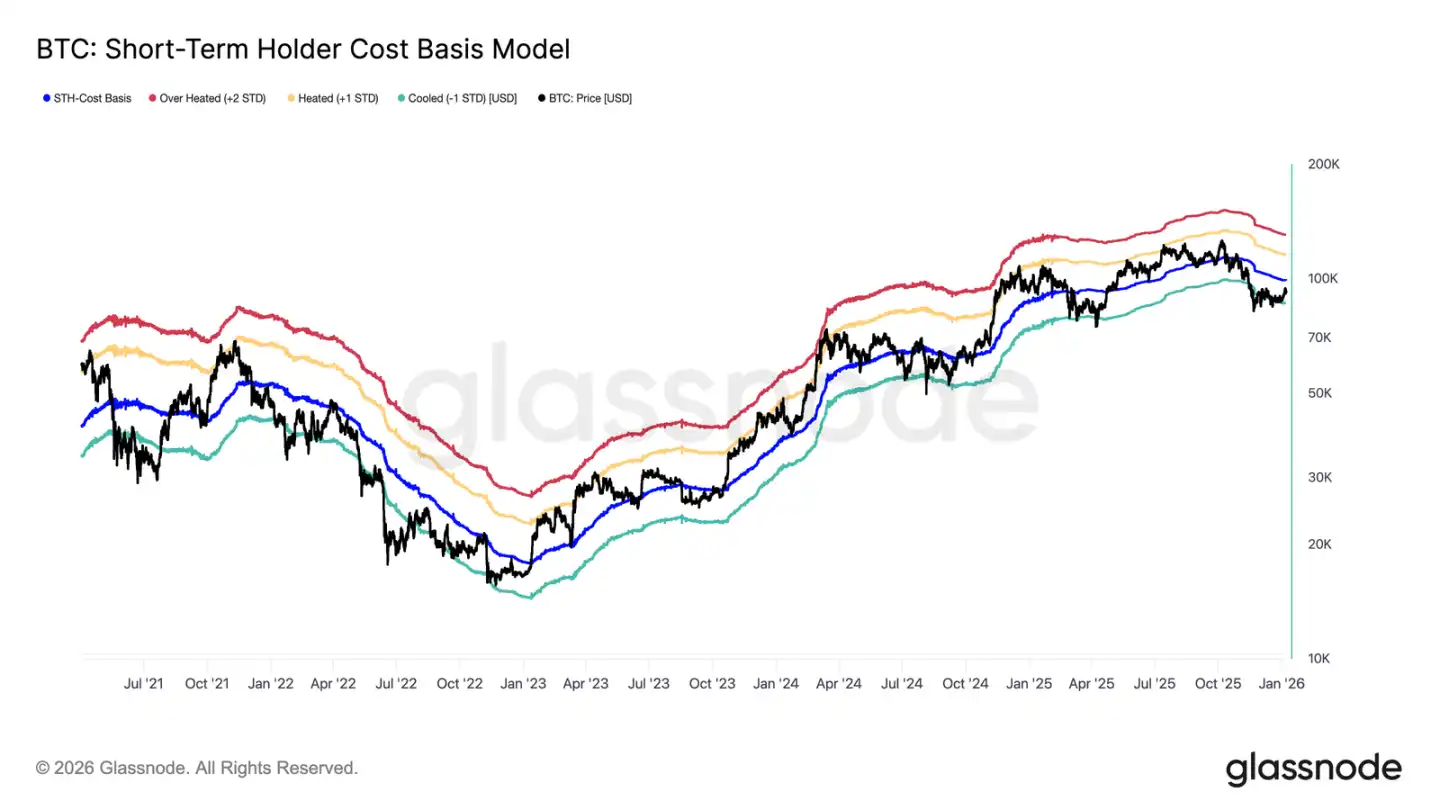
Сталкиваясь с давлением со стороны "застрявших наверху", для определения того, сможет ли недавнее восстановление действительно развернуть предыдущий нисходящий тренд и перейти в фазу, движимую устойчивым спросом, необходима надежная framework анализа цен. Модель成本基础 краткосрочных держателей особенно важна в этот переходный период.
Примечательно, что слабое равновесие рынка в декабре прошлого года сформировалось как раз near нижней границы этой модели, отражая хрупкость настроений и недостаток уверенности покупателей в то время. Последующий отскок вновь поднял цену near среднего значения модели, то есть уровня成本基础 краткосрочных держателей на уровне 99,1 тысячи долларов.
Следовательно, первым ключевым сигналом подтверждения восстановления рынка будет способность цены устойчиво закрепиться выше成本基础 краткосрочных держателей, что будет означать восстановление уверенности новых инвесторов и возможный разворот тренда в положительную сторону.
На перепутье прибыли и убытков
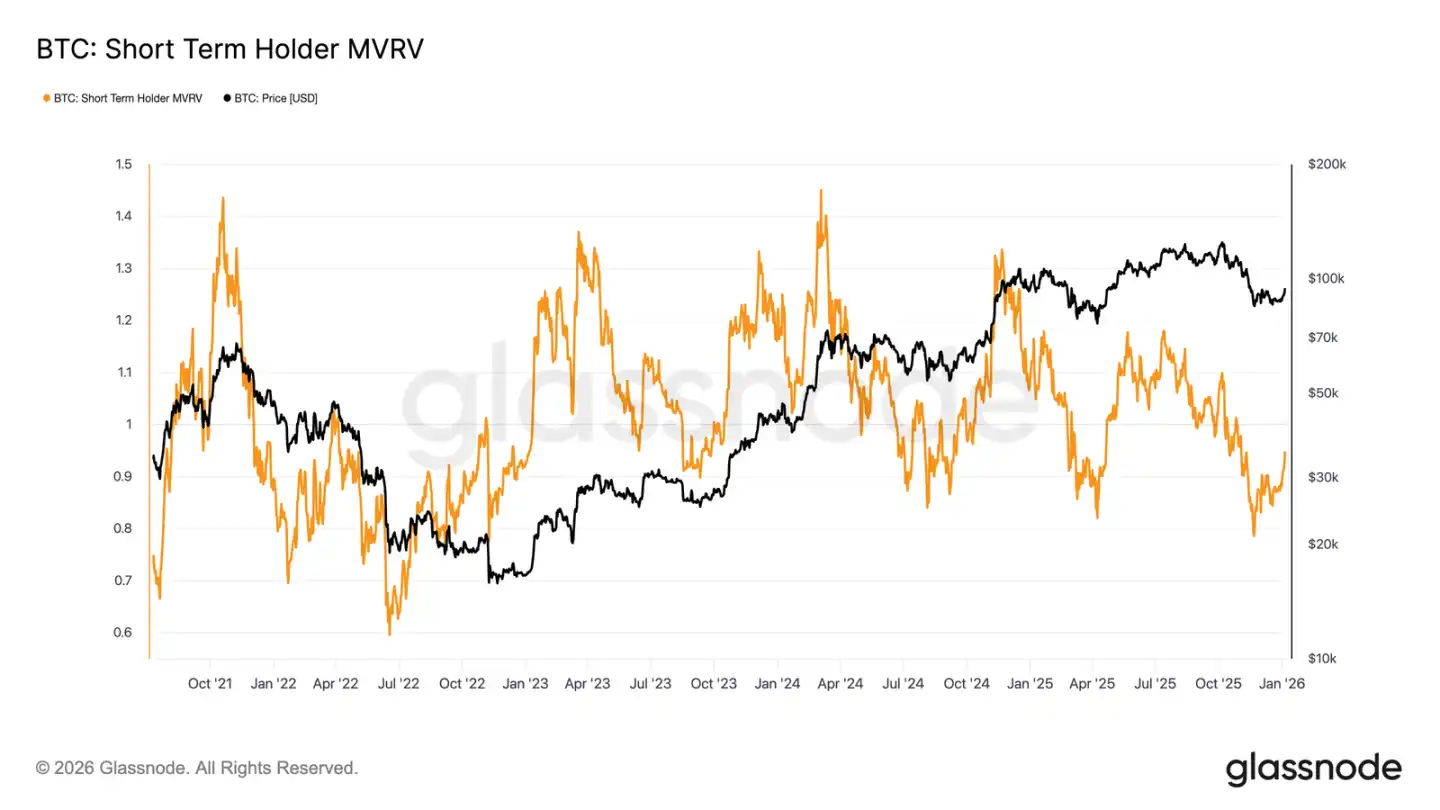
Поскольку внимание рынка смещается на способность эффективно отвоевать成本基础 краткосрочных держателей, текущая рыночная структура имеет некоторое сходство с неудачным отскоком в первом квартале 2022 года. Если цена не сможет持续 восстановиться выше этого уровня, это может спровоцировать риск более глубокого падения. Если уверенность будет持续 подрываться, спрос将进一步 сокращаться.
Эта динамика также четко отражается в показателе MVRV для краткосрочных держателей. Этот indicator сравнивает спотовую цену со средней ценой входа недавних покупателей, отражая прибыльность или убыточность их позиций. Исторически, когда этот indicator持续 ниже 1 (т.е. цена ниже средней стоимости), рынком往往 доминируют медведи. В настоящее время indicator отскочил с минимума 0,79 до 0,95, что означает, что недавние покупатели в среднем все еще находятся в примерно 5% нереализованного убытка. Если не удастся尽快 вернуться к прибыльности (MVRV > 1), рынок по-прежнему будет面临 давлением снижения, что делает этот indicator ключевой точкой наблюдения в ближайшие недели.
Off-chain инсайты
Охлаждение спроса со стороны казначейств digital assets
Корпоративные казначейства по-прежнему обеспечивают важную маржинальную поддержку спроса на биткоин, но их покупательское поведение по-прежнему носит прерывистый, событийно-ориентированный характер. Сущности казначейств多次 демонстрировали чистый приток в thousands биткоинов за неделю, но эти покупки не сформировали устойчивую, стабильную модель накопления.
Крупные притоки средств往往 происходят during локальных коррекций или фаз консолидации цены, что указывает на то, что корпоративные покупки по-прежнему ориентированы на цену и являются opportunistic размещением, а не долгосрочным структурным наращиванием. Хотя круг participating институтов расширился, общие притоки средств носят "импульсный" характер, с длительными периодами затишья между ними.
При отсутствии устойчивой поддержки покупок со стороны казначейств, корпоративный спрос скорее играет роль "стабилизатора" цены, а не драйвера трендового роста. Направление рынка будет в большей степени зависеть от изменений в позициях деривативов и状况 краткосрочной ликвидности.
Потоки ETF вновь показывают чистый приток
Потоки средств в спотовые биткоин-ETF США в последнее время показали ранние сигналы возвращения институциональных денег на рынок. После持续ного чистого оттока и вялой торговли в конце 2025 года, в recent неделях потоки средств明确 развернулись в сторону чистого притока, что совпало со стабилизацией и отскоком цены в нижнем диапазоне до 80 тысяч долларов.
Хотя текущие объемы чистого притока еще не восстановились до пиковых уровней середины周期, произошел确定ый разворот в направлении потоков. Увеличилось количество дней с чистым притоком, что указывает на то, что инвесторы ETF вновь превращаются из чистых продавцов в маржинальных покупателей.
Этот сдвиг означает, что институциональный спот-спрос вновь становится активной поддерживающей силой рынка, а не источником ликвидного давления, обеспечивая структурную поддержку покупками для стабилизировавшегося в начале года рынка.
Восстановление участия на фьючерсном рынке
После резкого делевериджа, вызванного падением цены в конце 2025 года, совокупный открытый interest на фьючерсном рынке в последнее время начал восстанавливаться. Объем открытого интереса, снизившийся с周期ного пика выше 50 млрд долларов, в настоящее время стабилизировался и демонстрирует умеренный рост, что указывает на то, что трейдеры деривативов вновь выстраивают рисковые позиции.
Это重建 позиций совпало с процессом стабилизации цены выше 80-90 тысяч долларов, показывая, что трейдеры постепенно увеличивают рисковую экспозицию, а не спешат догонять рост. Текущий темп повторного наращивания позиций относительно умеренный, объем открытого интереса все еще значительно ниже предыдущих周期ных пиков, что снижает риск крупномасштабных ликвидаций в краткосрочной перспективе.
Умеренное восстановление открытого интереса знаменует локальное улучшение аппетитов к риску, постепенное возвращение покупателей деривативов, что способствует развертыванию нового раунда ценообразования в начале года по мере нормализации ликвидности.
«Большая перетряска» позиций на опционном рынке
В конце 2025 года рынок опционов на биткоин пережил самую масштабную в истории перезагрузку позиций. Количество открытого интереса резко сократилось с 579 258 контрактов 25 декабря до 316 472 контрактов после истечения 26 декабря, снизившись более чем на 45%.
Большая концентрация открытых позиций на определенных ключевых страйках могла косвенно влиять на краткосрочную динамику цены через хеджирующие операции маркет-мейкеров. К концу прошлого года эта концентрация достигла высокого уровня, что привело к "липкости цены" и ограничивало волатильность.
Теперь эта格局 была нарушена. С массовым очищением позиций по истечении срока годности, рынок избавился от之前的 структурных ограничений хеджевого механизма.
Рыночная среда после истечения提供了 более четкое окно для наблюдения за真实ными настроениями, поскольку新开的 позиции отражают текущие аппетиты к риску инвесторов, а не влияние унаследованных позиций, что делает опционные сделки в первые недели года более прямым отражением ожиданий будущей динамики рынка.
Подразумеваемая волатильность, возможно, достигла дна
После массового重置 опционных позиций, подразумеваемая волатильность достигла краткосрочного минимума в рождественский период. Торги в праздники были вялыми, недельная подразумеваемая волатильность упала до最低шего уровня с конца сентября прошлого года.
С тех пор интерес покупателей начал возвращаться: инвесторы постепенно выстраивают длинные волатильностные позиции (особенно в коллов) с наступлением нового года, мягко подталкивая вверх кривые волатильности всех сроков.
Несмотря на восстановление, подразумеваемая волатильность все еще remains сжатой. Волатильность сроком от одной недели до шести месяцев сконцентрирована в диапазоне от 42,6% до 45,4%, форма кривой относительно плоская.
Волатильность все еще находится в нижней части диапазона за последние три месяца, и недавнее восстановление в большей степени отражает восстановление участия на рынке, а не全面重新定价 рисков.
Рынок движется к балансу
По мере стабилизации подразумеваемой волатильности, перекос (skew)提供了 более четкую перспективу для наблюдения за направленными предпочтениями трейдеров. В течение последнего месяца премия пут-опционов относительно колл-опционов для всех сроков持续 сужалась, кривая 25-Delta skew постепенно возвращалась к нулевой оси.
Это отражает постепенный переход рынка к бычьему позиционированию. Спрос инвесторов смещается от простой защиты от падения к увеличению экспозиции на рост, что согласуется с их поведением по перестройке позиций после очистки year-end.
В то же время, защитные позиции сократились. Часть хеджей на снижение была снята, снизив выплачиваемую премию за страховку от "черных лебедей".
В целом, перекос указывает на то, что рыночное выражение рисков становится более сбалансированным, а ожидания инвесторов относительно роста цен или расширения волатильности несколько升温.
С начала года опционные сделки смещены в сторону коллов
Данные потоков средств подтверждают тренд, отраженный в перекосе. С начала года активность на опционном рынке перешла от систематических продаж коллов (ставки на снижение волатильности) к активным покупкам коллов (ставки на рост или усиление волатильности).
За последние семь дней сделки по покупке коллов составили 30,8% от общей опционной активности. Рост спроса на коллы также привлек участие продавцов волатильности, которые продают коллы (25,7% от общей активности), чтобы получить более высокую премию.
Сделки в медвежью сторону составили 43,5% от общего объема, что относительно умеренно на фоне недавнего роста цен. Это согласуется с趋于平衡ным перекосом и отражает снижение спроса на немедленную защиту от падения.
Маркет-мейкеры стали net short в ключевом диапазоне
С ростом активности по колл-опционам с начала года, позиции маркет-мейкеров также скорректировались. В настоящее время в диапазоне от 95 до 104 тысяч долларов маркет-мейкеры в целом持有 чистые короткие позиции.
В этом диапазоне, при росте цены, маркет-мейкерам для хеджирования рисков необходимо покупать спот или перпетуальные контракты. Такое пассивное действие будет создавать эффект усиления при укреплении рынка, что резко контрастирует со средой положительного гамма-эффекта, подавлявшего волатильность в конце прошлого года.
Концентрированные покупки коллов трейдерами в диапазоне от 95 до 100 тысяч долларов в контрактах с истечением в первом квартале further подтверждает изменение способа выражения рыночного риска. Текущая структура позиций маркет-мейкеров означает, что их хеджирующие действия больше не подавляют волатильность цены в этом диапазоне и даже могут усиливать восходящее движение.
Премия колла на $95 тыс. показывает терпение
Динамика премии колл-опциона со страйком 95 тысяч долларов может служить эффективным indicatorом изменения настроений. 1 января, когда спотовая цена еще была около 87 тысяч долларов, покупки премии коллов с этим страйком начали ускоряться и持续 росли по мере приближения цены к недавнему максимуму на уровне 94,4 тысячи долларов.
Впоследствии покупки премии выровнялись, но значительного отката не произошло. Что более важно, этот процесс не сопровождался значительным увеличением продаж премии коллов.
Это указывает на ограниченность фиксации прибыли. С недавнего максимума объем продаж коллов仅 умеренно вырос, что говорит о том, что большинство держателей длинных коллов предпочитают继续 удерживать их, а не спешить фиксировать прибыль.
В целом, поведение премии опционов вокруг страйка 95 тысяч долларов отражает терпение и уверенность в удержании позиций со стороны бычьих参与者.
Итог
Вступая в новый год, биткоин провел значительную очистку исторических позиций на спотовом, фьючерсном и опционном рынках. Делеверидж конца 2025 года и событие истечения опционов year-end эффективно устранили структурные ограничения, с которыми ранее сталкивался рынок, оставив после себя более чистую среду с более четкими сигналами.
В настоящее время появляются ранние признаки возобновления участия на рынке: потоки ETF стабилизируются и восстанавливаются, активность на фьючерсном рынке重建, опционный рынок明确 переориентируется на бычье позиционирование — перекос возвращается к норме, волатильность достигла дна, маркет-мейкеры в ключевом верхнем диапазоне стали net short.
Эти динамики в совокупности表明, что рынок постепенно переходит от режима, определяемого защитными продажами, к фазе выборочного увеличения рисковый экспозиции и восстановления участия. Хотя структурные силы покупок еще有待 усиления, высвобождение давления исторических позиций и重新ое накопление бычьих настроений означают, что биткоин начал 2026 год с более легкой походкой, с улучшенной внутренней структурой рынка, предоставляющей больше возможностей для последующего развития行情.





















