Рынок восстанавливается, хотя и не сильно, и альткойны следуют его примеру. Примечательно, что на момент написания статьи индекс альткойнов CoinMarketCap составлял 38, что сигнализирует о сохранении доминирования Биткоина.
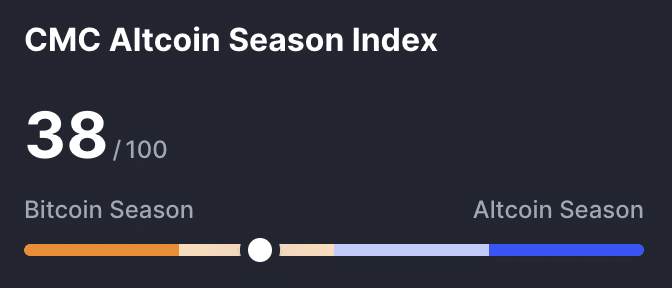
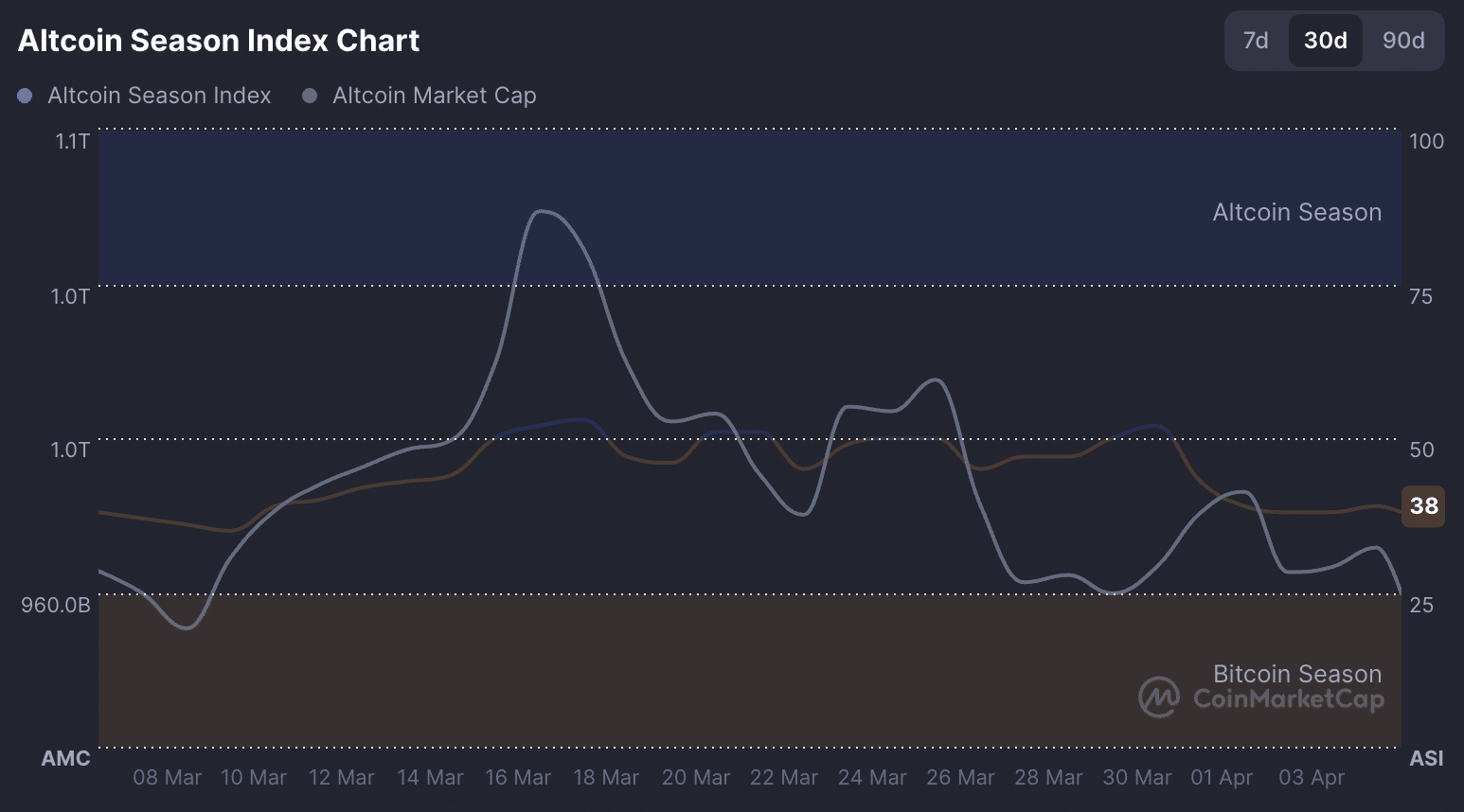
Это было дополнительно подтверждено графиком доминирования Биткоина (BTC.D), который торговался на уровне 58,79%, что указывает на то, что Биткоин по-прежнему доминирует по сравнению с альткойнами. Более пристальный взгляд на график индекса альткойнов показывает, что к концу первого квартала 2026 года альткойны, казалось, были готовы изменить рыночную динамику. Вместо этого слабые настроения привели к откату.
Смешанные реакции сообщества на разговоры об альтсезоне
Тем не менее, криптосообщество казалось довольно оптимистичным в отношении сезона альткойнов, как отметил аналитик, который считает, что «альткойны превзойдут $BTC».
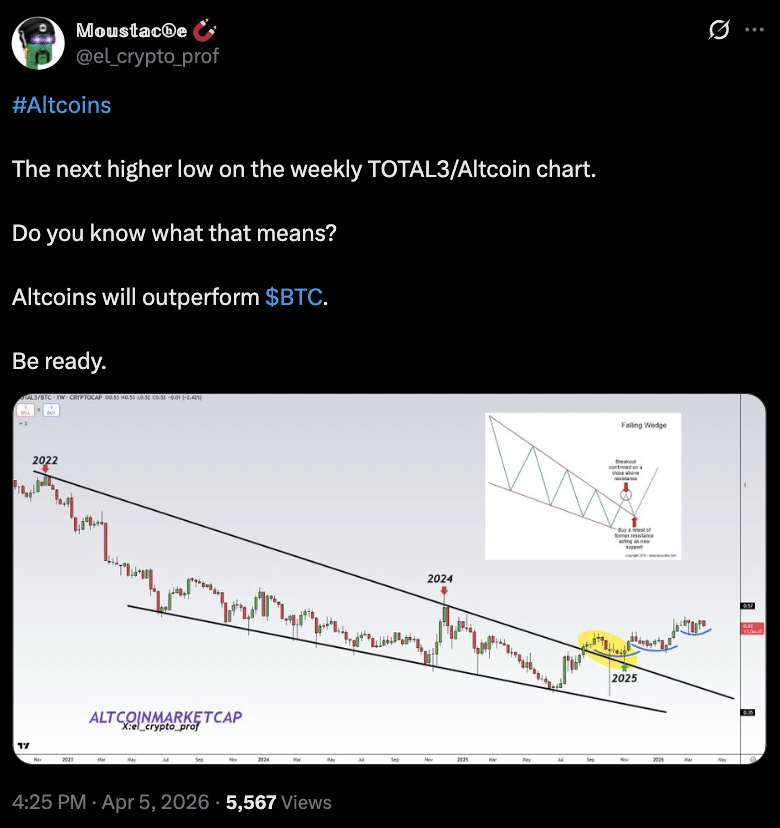
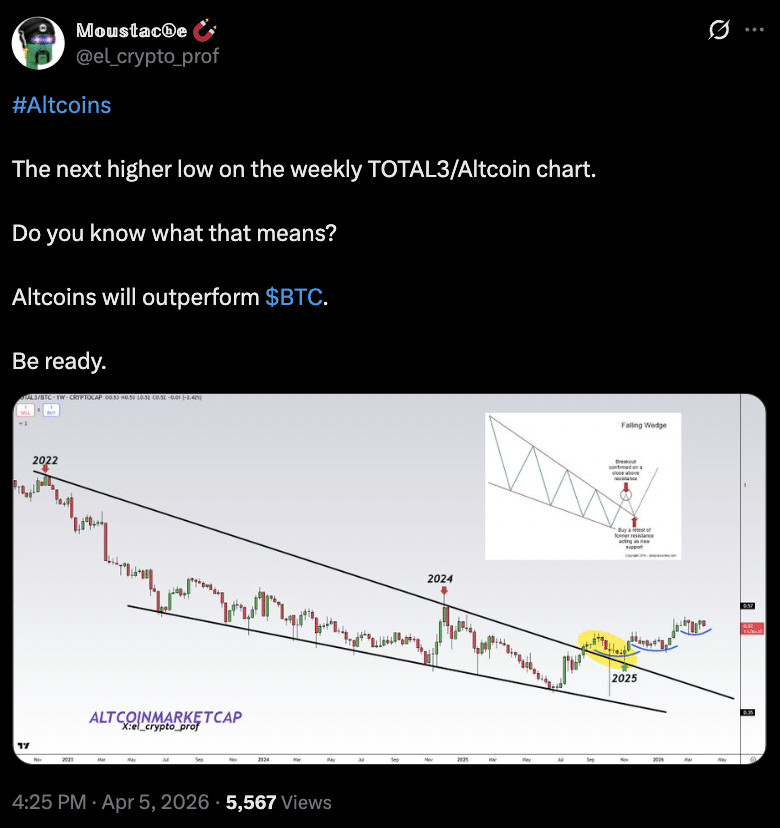
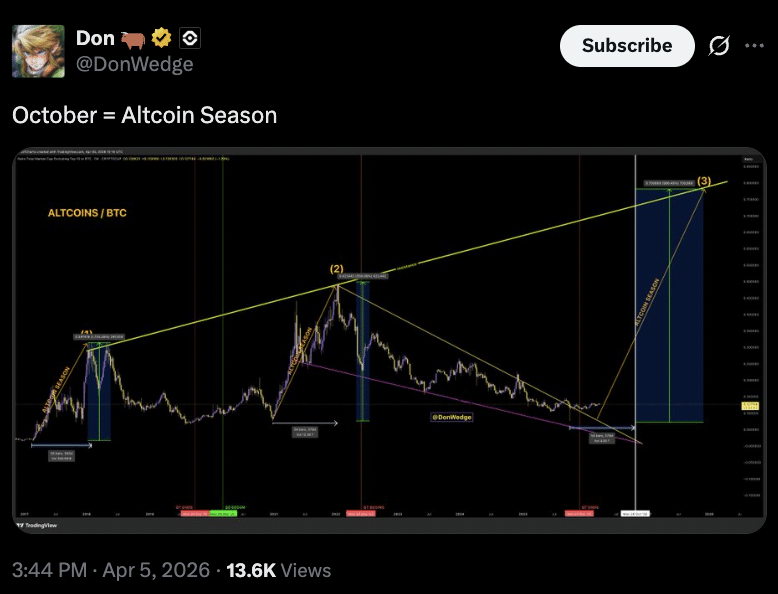
Разделяя схожие настроения, другой трейдер предположил, что октябрь станет месяцем альткойнов.

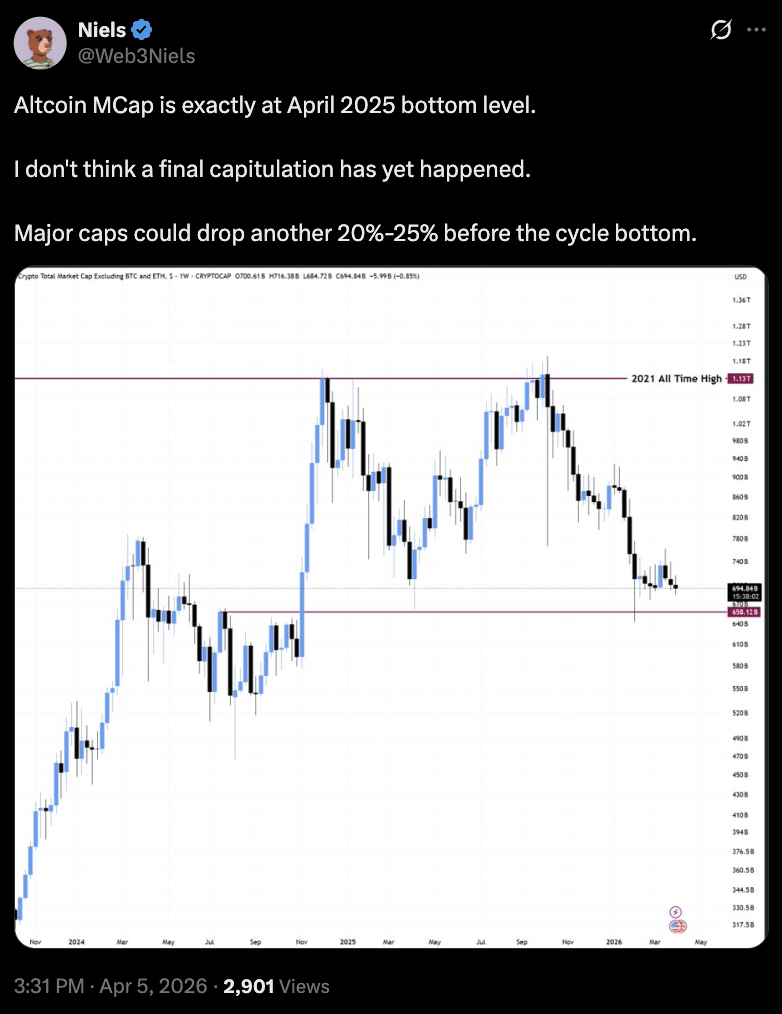
Однако не все разделяли это мнение, как добавил другой трейдер, отметив, что дно альткойнов еще впереди, и ожидая дальнейшего падения на 20%-25%.
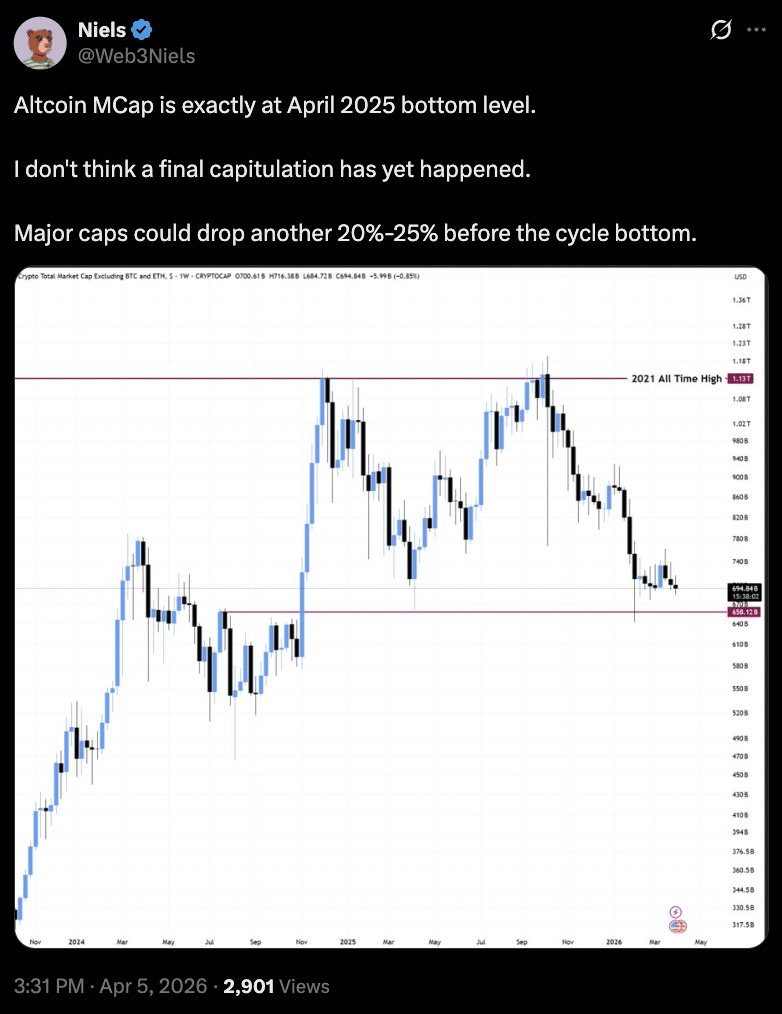
К обсуждению присоединился криптотрейдер Джеймс Уинн, который сказал:
Я надеюсь, вы все понимаете, что ваши альткойны мертвы. Очень немногие снова увидят свет. Альты находятся в затяжном медвежьем рынке независимо от Биткоина.
Поддерживают ли это метрики?
Если посмотреть на топ-10 монет, которые были в тренде за последние три месяца, мы увидим, что, несмотря на то, что некоторые токены показали трехзначный рост, в списке доминировали менее известные альткойны, а не самые established имена.


Это показывает, что для того, чтобы альткойны действительно опередили Биткоин, крупные имена в пространстве альткойнов должны проявить себя и соответственным образом затмить его.
Кроме того, Индекс страха и жадности на крипторынке, который остается слабым с середины января, в основном колеблясь между зонами «Страха» и «Сильного страха», suggests that investors are cautious.
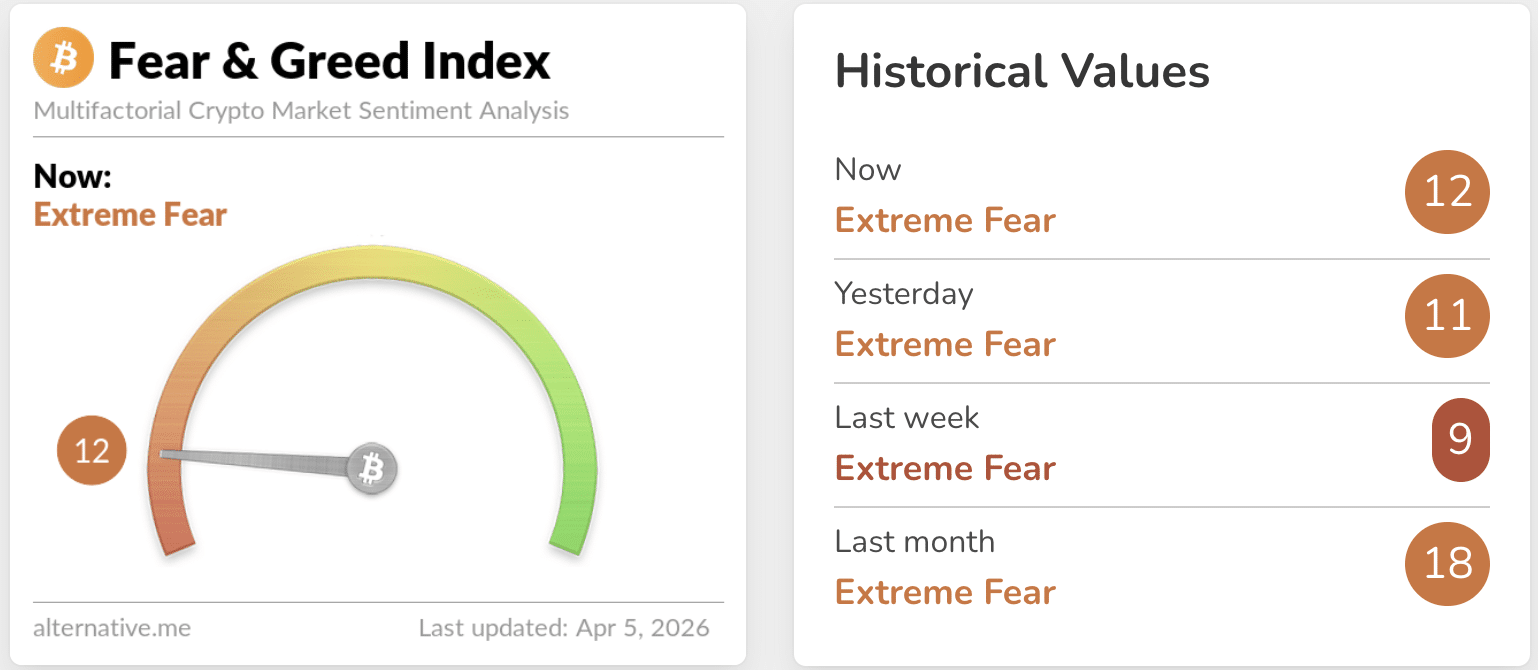
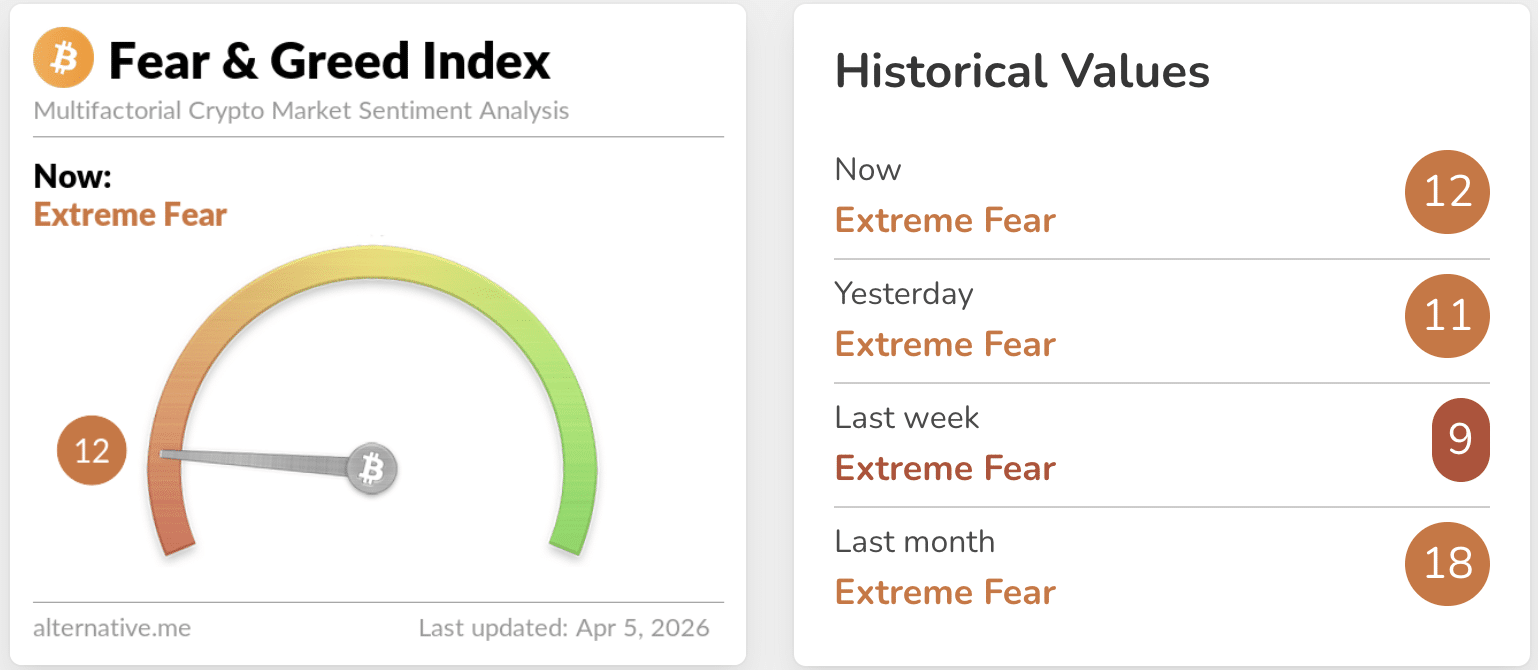
Это further adds to the point that в этих бдительных рыночных условиях инвесторы выбирают Биткоин вместо альткойнов в качестве защиты от инфляции, потрясений и многого другого.
Более того, падение открытого интереса и объема альткойнов further подтверждает настроение, что предсказание предстоящего альтсезона на данный момент является несбыточной мечтой.
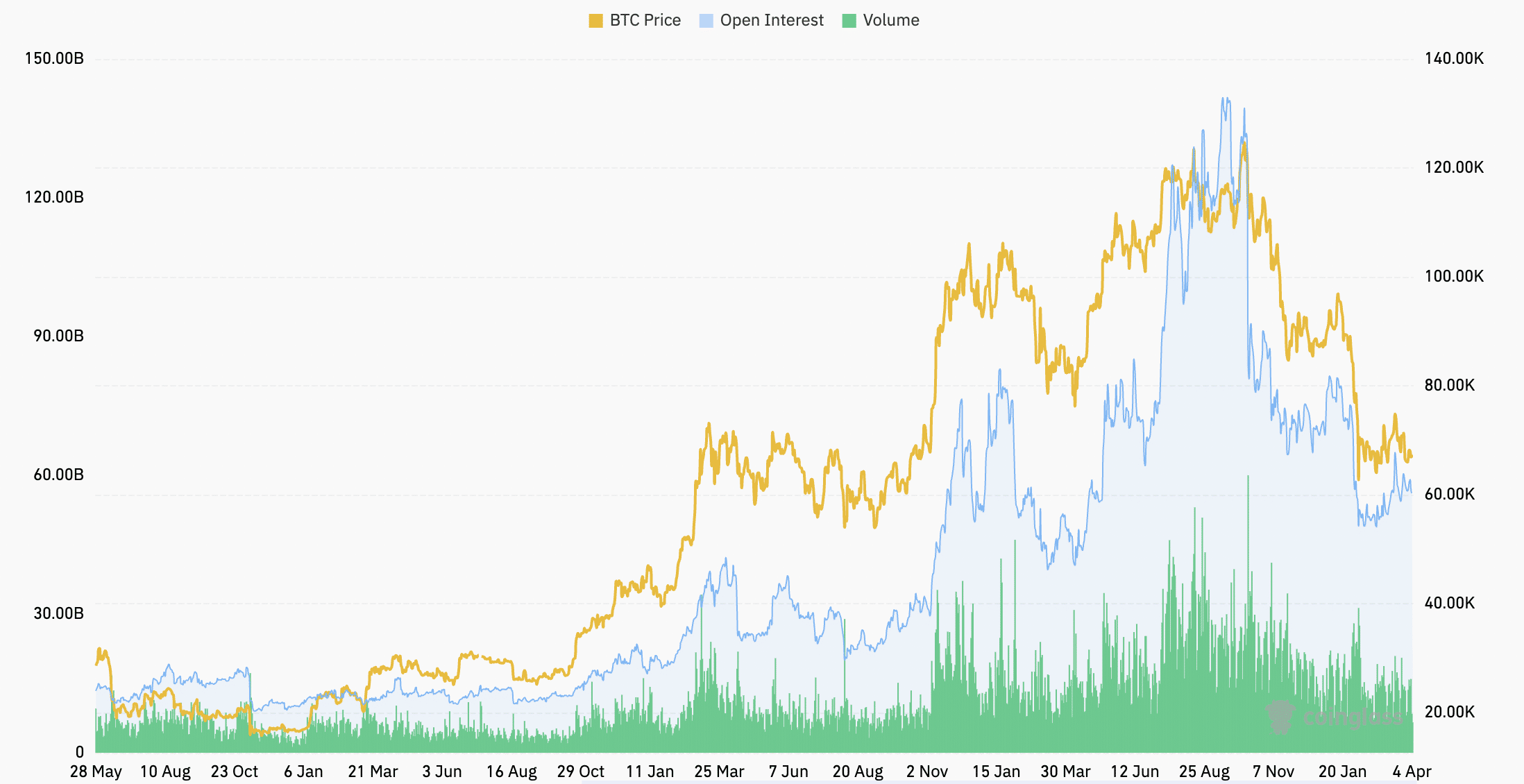
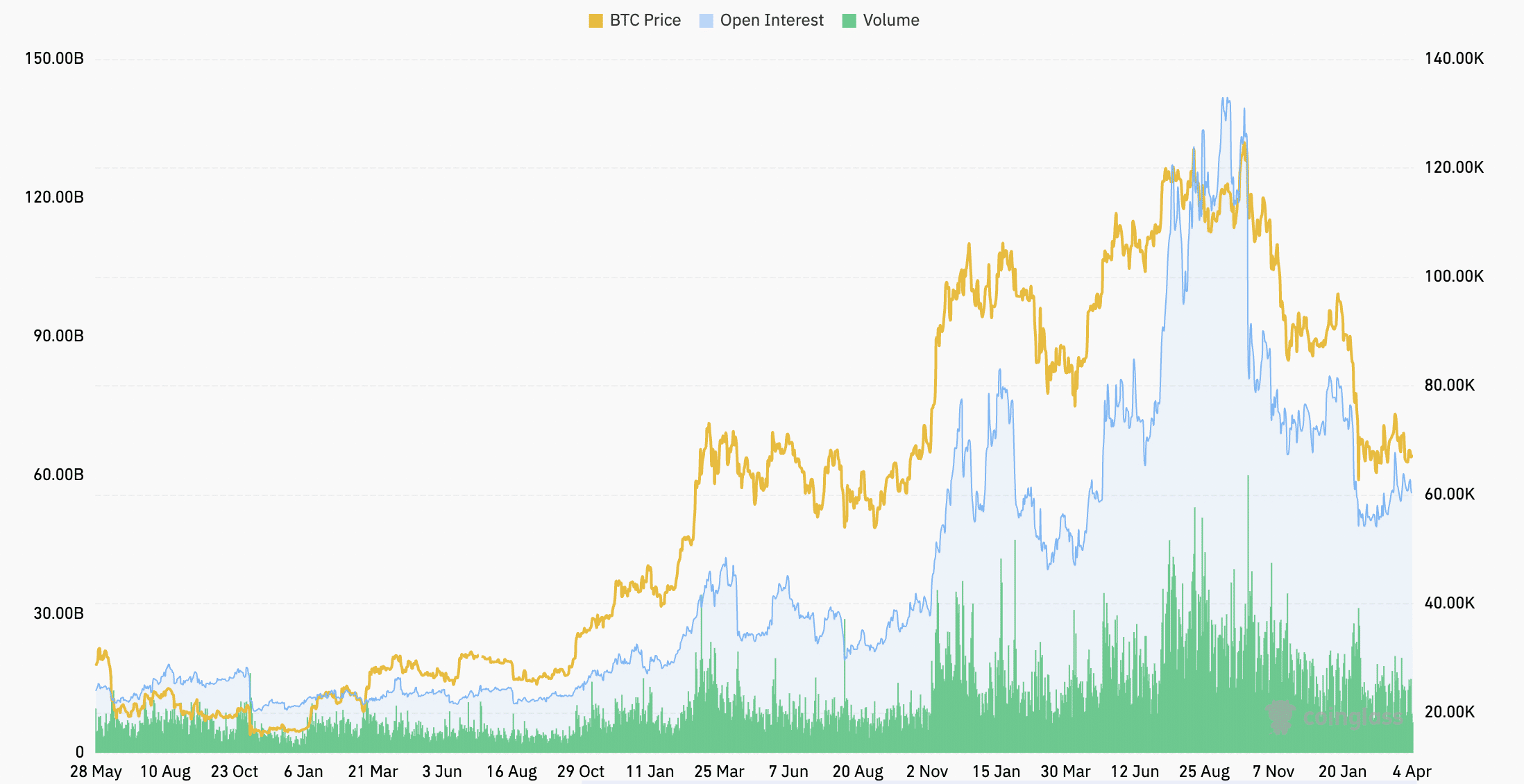
В условиях меняющейся рыночной динамики ничто не является определенным. Условия могут быстро измениться, если настроения станут благоприятными. Как сообщал AMBCrypto, BTC.D struggled to break past 60%, подпитывая надежды на то, что сезон альткойнов может быть не за горами.
Итоговое резюме
- Трейдеры и аналитики предсказывают, что сезон альткойнов может наступить к октябрю 2026 года.
- Ончейн-метрики показывают совершенно иную картину, но надежда остается.
Трендовые криптовалюты












Связанные с этим вопросы
QСогласуются ли рыночные метрики с утверждением, что альткоины превзойдут Биткоин в 2026 году?
AНет, текущие рыночные метрики не согласуются с этим утверждением. Доминирование Биткоина (BTC.D) остается высоким на уровне 58.79%, а Индекс страха и жадности крипторынка находится в зоне «Страха» или «Экстремального страха», что указывает на осторожность инвесторов, предпочитающих Биткоин.
QКаково текущее значение индекса доминирования Биткоина (BTC.D) согласно статье?
AСогласно статье, индекс доминирования Биткоина (BTC.D) на момент публикации составляет 58.79%, что указывает на его преобладание над альткоинами.
QКакие настроения преобладают в криптосообществе относительно альткоинов в 2026 году?
AНастроения в криптосообществе неоднозначны. Некоторые аналитики оптимистичны и предсказывают, что альткоины превзойдут Биткоин к октябрю 2026 года, в то время как другие, как трейдер Джеймс Винн, считают, что многие альткоины «мертвы» и находятся в затяжном медвежьем рынке.
QЧто показывает индекс страха и жадности крипторынка в начале 2026 года?
AИндекс страха и жадности крипторынка с середины января 2026 года в основном колеблется между зонами «Страха» и «Экстремального страха», что свидетельствует о повышенной осторожности и нерешительности инвесторов.
QПочему статья предполагает, что альтсезон в ближайшее время маловероятен?
AСтатья предполагает, что альтсезон маловероятен из-за снижения открытого интереса и объема торгов альткоинов, высокого доминирования Биткоина, а также общего настроения страха на рынке, что заставляет инвесторов выбирать Биткоин в качестве защитного актива.
Похожее





Торговля
Популярные статьи
Тест по Bitcoin Биткоина
HTX Learn: Изучите Bitcoin halving и Заработаете Токены USDT
3.2k просмотров всегоОпубликовано 2024.04.16Обновлено 2024.04.16

Что такое $BITCOIN
ЦИФРОВОЕ ЗОЛОТО ($BITCOIN): Комплексный анализ Введение в ЦИФРОВОЕ ЗОЛОТО ($BITCOIN) ЦИФРОВОЕ ЗОЛОТО ($BITCOIN) — это проект на основе блокчейна, работающий в сети Solana, который стремится объединить характеристики традиционных драгоценных металлов с инновациями децентрализованных технологий. Хотя он носит имя Биткойн, часто называемого “цифровым золотом” из-за его восприятия как средства хранения ценности, ЦИФРОВОЕ ЗОЛОТО является отдельным токеном, предназначенным для создания уникальной экосистемы в ландшафте Web3. Его цель — позиционировать себя как жизнеспособный альтернативный цифровой актив, хотя детали его применения и функциональности все еще развиваются. Что такое ЦИФРОВОЕ ЗОЛОТО ($BITCOIN)? ЦИФРОВОЕ ЗОЛОТО ($BITCOIN) — это токен криптовалюты, специально разработанный для использования в блокчейне Solana. В отличие от Биткойна, который выполняет широко признанную роль хранения ценности, этот токен, похоже, сосредоточен на более широких приложениях и характеристиках. Примечательные аспекты включают: Инфраструктура блокчейна: Токен построен на блокчейне Solana, известном своей способностью обрабатывать высокоскоростные и недорогие транзакции. Динамика предложения: ЦИФРОВОЕ ЗОЛОТО имеет максимальное предложение, ограниченное 100 квадриллионами токенов (100P $BITCOIN), хотя детали о его обращающемся предложении в настоящее время не раскрыты. Утилита: Хотя точные функциональные возможности не описаны, есть указания на то, что токен может быть использован для различных приложений, потенциально связанных с децентрализованными приложениями (dApps) или стратегиями токенизации активов. Кто создатель ЦИФРОВОГО ЗОЛОТА ($BITCOIN)? На данный момент личность создателей и команды разработчиков, стоящих за ЦИФРОВЫМ ЗОЛОТОМ ($BITCOIN), остается неизвестной. Эта ситуация типична для многих инновационных проектов в области блокчейна, особенно тех, которые связаны с децентрализованными финансами и феноменом мем-криптовалют. Хотя такая анонимность может способствовать культуре, ориентированной на сообщество, она усиливает опасения по поводу управления и ответственности. Кто инвесторы ЦИФРОВОГО ЗОЛОТА ($BITCOIN)? Доступная информация указывает на то, что у ЦИФРОВОГО ЗОЛОТА ($BITCOIN) нет известных институциональных спонсоров или значительных венчурных капиталовложений. Проект, похоже, функционирует по модели пирингового взаимодействия, сосредоточенной на поддержке и принятии сообществом, а не на традиционных путях финансирования. Его активность и ликвидность в основном сосредоточены на децентрализованных биржах (DEX), таких как PumpSwap, а не на устоявшихся централизованных торговых платформах, что еще больше подчеркивает его подход, ориентированный на grassroots. Как работает ЦИФРОВОЕ ЗОЛОТО ($BITCOIN) Операционные механизмы ЦИФРОВОГО ЗОЛОТА ($BITCOIN) можно подробно описать на основе его дизайна блокчейна и характеристик сети: Механизм консенсуса: Используя уникальный механизм доказательства истории (PoH) Solana в сочетании с моделью доказательства доли (PoS), проект обеспечивает эффективную валидацию транзакций, что способствует высокой производительности сети. Токеномика: Хотя конкретные дефляционные механизмы не были подробно описаны, большое максимальное предложение токенов подразумевает, что оно может быть предназначено для микротранзакций или нишевых случаев использования, которые еще предстоит определить. Интероперабельность: Существует потенциал для интеграции с более широкой экосистемой Solana, включая различные платформы децентрализованных финансов (DeFi). Однако детали относительно конкретных интеграций остаются неуточненными. Хронология ключевых событий Вот хронология, которая подчеркивает значимые вехи, касающиеся ЦИФРОВОГО ЗОЛОТА ($BITCOIN): 2023: Первоначальное развертывание токена происходит в блокчейне Solana, отмеченное его адресом контракта. 2024: ЦИФРОВОЕ ЗОЛОТО приобретает видимость, когда оно становится доступным для торговли на децентрализованных биржах, таких как PumpSwap, позволяя пользователям обменивать его на SOL. 2025: Проект наблюдает спорадическую торговую активность и потенциальный интерес к инициативам, возглавляемым сообществом, хотя на данный момент не зафиксировано никаких значительных партнерств или технических достижений. Критический анализ Сильные стороны Масштабируемость: Основная инфраструктура Solana поддерживает высокие объемы транзакций, что может повысить полезность $BITCOIN в различных сценариях транзакций. Доступность: Потенциально низкая цена торговли за токен может привлечь розничных инвесторов, способствуя более широкому участию благодаря возможностям дробного владения. Риски Отсутствие прозрачности: Отсутствие публично известных спонсоров, разработчиков или процесса аудита может вызвать скептицизм относительно устойчивости и надежности проекта. Волатильность рынка: Торговая активность сильно зависит от спекулятивного поведения, что может привести к значительной волатильности цен и неопределенности для инвесторов. Заключение ЦИФРОВОЕ ЗОЛОТО ($BITCOIN) является интригующим, но неоднозначным проектом в быстро развивающейся экосистеме Solana. Хотя он пытается использовать нарратив “цифрового золота”, его отход от установленной роли Биткойна как средства хранения ценности подчеркивает необходимость более четкого различения его предполагаемой утилиты и структуры управления. Будущее принятие и усвоение, вероятно, будут зависеть от решения текущей непрозрачности и более четкого определения его операционных и экономических стратегий. Примечание: Этот отчет охватывает синтезированную информацию, доступную на октябрь 2023 года, и с тех пор могут произойти события.
267 просмотров всегоОпубликовано 2025.05.13Обновлено 2025.05.13

Fractal Bitcoin: масштабирование Биткоина с помощью рекурсивной системы
Fractal Bitcoin — масштабное Layer-1-решнение, созданное на базе кода Биткоина, позволяющего достигать бесконечного масштабирования с помощью рекурсивного подхода.
2.4k просмотров всегоОпубликовано 2025.06.30Обновлено 2025.06.30


