Автор: Хашрейт Харт
Настольная майнинг-установка за 300 долларов, настолько тихая, что её можно поставить прямо на письменный стол.
Но 30 мая во второй половине дня она внезапно добыла биткоин-блок стоимостью 230 тысяч долларов.
Вероятность этого — 1 из 149 миллионов, того же порядка, что и выигрыш в джекпот лотереи.
Но в то время, когда крупные майнинг-фермы монополизируют хешрейт, этот исключительный случай как раз доказывает, что замысел Сатоши Накамото всё ещё жив.
I. «Грелка для рук» добыла 230 тысяч долларов
30 мая 2026 года в 16:27 по восточному времени США был добыт биткоин-блок высоты 951771 неизвестным адресом.
Награда за блок составила 3.1404 биткоина, что по тогдашнему курсу равнялось примерно 232 тысячам долларов.
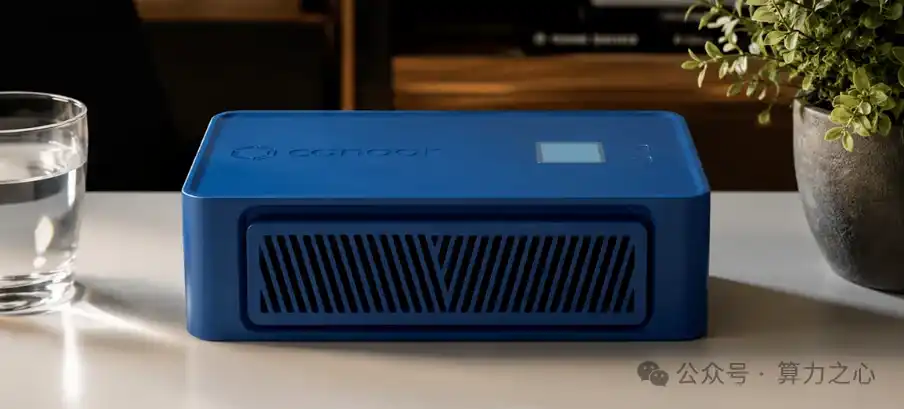
Машиной, добывшей его, стал Avalon Nano 3S от Canaan Creative с хешрейтом 6.68 TH/s, энергопотреблением 140 Вт и розничной ценой от 250 до 300 долларов.
Эта штука настолько мала, что помещается в ящик письменного стола, а шум издаёт как обычный настольный компьютер.
Многие покупают её ради забавы, зимой её можно включать, чтобы и немного «намайнить», и руки погреть, поэтому в индустрии её иногда называют «биткоин-обогревателем».
Но у этого счастливого майнера на самом деле была не одна машина.
У него был целый «маленький флот»: 2 устройства Avalon Mini 3 плюс 12 устройств Avalon Nano 3S, общий хешрейт около 147 TH/s.
При таком общем хешрейте ожидаемый период «выигрыша» для всего его флота должен был составлять 127 лет.
Но кто бы мог подумать, что он выиграет уже сейчас, причём награду унесла именно та самая незаметная отдельная машина с хешрейтом 6.68 TH/s.
Одна эта машина, составлявшая всего около 4.5% хешрейта всего флота, забрала 100% награды.
Это как если бы человек держал в руке пачку лотерейных билетов, а выиграл тот единственный, который он машинально сунул прохожему.
Но как игрушка с письменного стола смогла переиграть промышленные фермы?
II. Напротив сидел авианосец
Прежде всего, нужно понять: эта история попала в новости именно потому, что она почти невозможна.
Потому что к 2026 году биткоин-майнинг — это уже давно не эпоха, когда «можно играть на одном компьютере».
Сейчас поле битвы за хешрейт — это склады, гидроэлектростанции, огромные майнинг-фермы на просторах Техаса.
Промышленные майнеры начинаются с хешрейта 200 TH/s на устройство, крупная ферма легко набирает 100 EH/s (EH — это миллион TH).
Общий сетевой хешрейт на данный момент составляет около 1000 EH/s.
А та маленькая машина за 300 долларов составляет лишь примерно 0.00000067% от общего сетевого хешрейта.
Для сравнения, публичные компании легко их переигрывают: собственный хешрейт майнинга у Bitdeer — около 65.5 EH/s, у MARA Holdings — около 72.2 EH/s.
Например, один дата-центр MARA эквивалентен одновременной работе примерно 10.8 миллионов устройств Nano 3S.
По сравнению с этими гигантами малый майнер — это не муравей и слон, а муравей и авианосец.
Тогда почему кто-то до сих пор майнит в одиночку (не объединяясь в пулы, в одиночку)?
«Заходишь в большой пул — делишь деньги, твой крошечный хешрейт за день может не окупить даже электричество», — говорит инсайдер. — «Так что лучше сделать ставку: либо полный ноль, либо сорвать куш за одну ночь».
Не то чтобы не хочется стабильно зарабатывать, просто дверь для стабильного заработка уже давно закрыта.
Но если вероятность добыть блок в одиночку настолько низка, то кто же оставил малому майнеру путь за игровой стол?
III. Чёрный ход, оставленный для майнеров-одиночек
Тут нужно прояснить момент, который многие понимают неправильно.
Этот счастливчик не был буквально «отдельной машиной, напрямую подключённой к сети Биткоин». Он использовал Braiins Solo — пул, специально предназначенный для соло-майнеров.
Традиционный пул — это «краудфандинг»: все складывают свои вычислительные мощности вместе, и при добыче блока делят деньги согласно вкладу.
Соло-пул — это «аутсорсинг»: пул подключает вас к сети, берёт на себя технические детали, но если ваша машина случайно найдёт решение блока, вся награда достаётся вам, пул берёт лишь небольшую комиссию за обслуживание.
Проще говоря, соло-пул строит для малого майнера ринг, давая ему право выйти на один стадион с китами. Хотя ваш кулак размером с их ноготь.
Такие платформы, как CKPool, Braiins Solo, Public Pool, в каком-то смысле являются последними «народными коридорами» в мире Биткоина.
Просто за последний год соло-майнеры добыли около 22 блоков, общий доход примерно 69.24 биткоина, в среднем получается меньше 2 в месяц.
Настолько редкое событие, что каждый такой случай взрывает Reddit и Twitter.
Поэтому некоторые инсайдеры смотрят на этот коридор довольно холодно.
Соло-майнинг по сути — это покупка лотерейного билета, что означает, что подавляющее большинство в конечном итоге остаётся ни с чем.
Так является ли этот чёрный ход, оставленный для малых майнеров, защитой децентрализации или созданием иллюзии «у каждого есть шанс»?
IV. Сколько осталось от первоначального замысла Сатоши
В 2008 году Сатоши Накамото написал в биткоин-whitepaper: «Один CPU — один голос».
Имея в виду, что эта система должна давать право голоса каждому обычному участнику.
Семнадцать лет спустя «один CPU — один голос» превратился в «один EH/s — один голос».
CPU обычного пользователя даже не может купить входной билет.
Но сейчас этот выигрыш машины за 300 долларов как раз и доказывает, что замысел Сатоши Накамото не умер.
Механизм доказательства выполнения работы Биткоина, на жаргоне Proof of Work, простыми словами означает: кто первым найдёт правильный ответ по правилам, тому и достанется награда.
Он не признаёт личность, не признаёт капитал, не признаёт масштаб, признаёт только результат.
Будь ты майнинг-ферма стоимостью в десятки миллионов долларов или одна маленькая машинка в спальне какого-нибудь гика, перед правилами все равны.
Если твой ответ первым достиг цели, 230 тысяч долларов — твои.
Но если смотреть на вероятность, то покупка машины за 300 долларов для соло-майнинга имеет отрицательную ожидаемую доходность, причём значительно отрицательную.
Тот выигравший — это лишь самая крайняя часть распределения вероятностей, точка, которую почти не видно.
▌▌▌▌▌▌▌▌▌▌
Если миллион человек последуют его примеру, 999 999 человек потеряют свои вложения.
Но существование этого 0.0001% — как раз самое очаровательное место в системе Биткоина.
Она не обещает отдачу обычным людям, но и не закрывает перед ними дверь.
Дверь всё ещё открыта. Просто за ней — и пропасть, и звёздное небо.


















