# Liquidity Related Articles

HTX News Center provides the latest articles and in-depth analysis on "Liquidity", covering market trends, project updates, tech developments, and regulatory policies in the crypto industry.

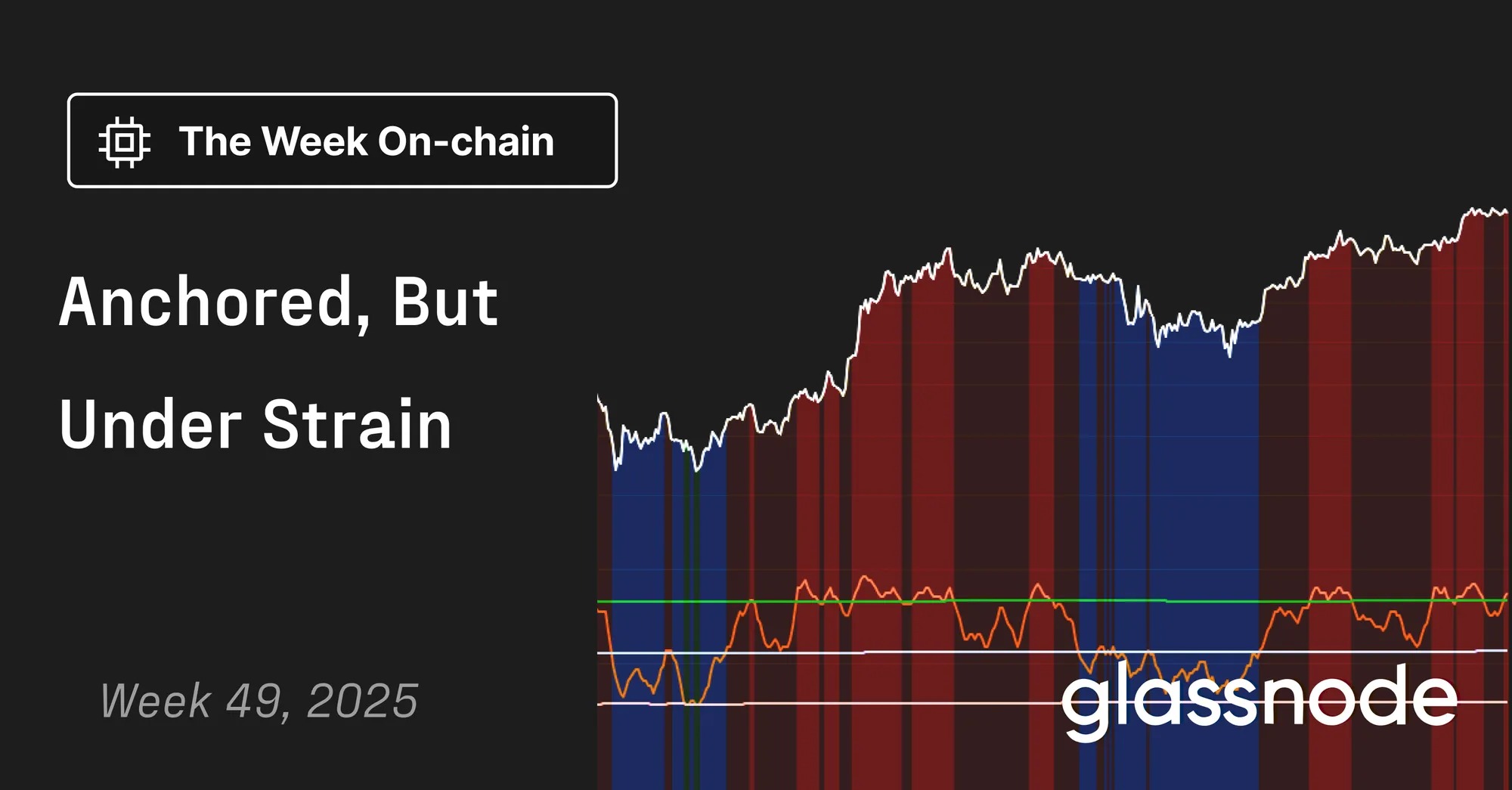
Bitcoin (BTC) Price Trend and Investor Sentiment Suggest a Bullish December

Bitcoin (BTC) is showing signs of a potential bullish December, challenging a decade-old bearish seasonal pattern where November losses typically extend into year-end declines. Key factors supporting this shift include reduced leverage, with open interest dropping from $94 billion to $60 billion, and Bitcoin’s price reclaiming its monthly volume-weighted average price (rVWAP), indicating controlled distribution. Liquidity dynamics have also shifted, with deep liquidity clusters moving upward, and around $3 billion in short positions set to liquidate near $96,000. Market structure diverges from historical cycles due to spot ETF inflows, introducing constant structural demand and accelerating price discovery. Analysts note that Bitcoin’s four-year cycle, while not obsolete, is no longer time-aligned, resembling extended accumulation phases like mid-2016 or late-2019. Macro liquidity (M2) growth has plateaued, creating a late-cycle environment where risk assets rally despite underlying economic softening. Supporting indicators, such as CNY/USD and ETH/BTC correlations, along with improving PMI data and gold’s relative strength, suggest continued risk-on momentum rather than cycle fatigue. While buy-sell ratios show urgency, analysts caution this may reflect positioning squeeze rather than sustainable accumulation. Overall, December’s performance may depend more on structural forces—ETF flows, liquidity rotation, and shifting macro correlations—than traditional halving-driven周期 patterns.

cointelegraph_中文12/12 12:20

Bitcoin (BTC) Price Trend and Investor Sentiment Suggest a Bullish December

cointelegraph_中文12/12 12:20

USDT Rating Controversy: S&P's 'Stability Scale', Tether's 'Market Debate', and the 'Shadow Central Bank' Transformation

The recent S&P Global downgrade of USDT's stability rating from "constrained" to "weak" has ignited a significant debate between traditional finance (TradFi) and the crypto ecosystem. S&P's decision was primarily based on concerns over Tether's reserve composition—now comprising ~24% in higher-volatility assets like Bitcoin and gold—and a perceived lack of governance transparency, fearing these assets could not be liquidated quickly in a mass redemption scenario. Tether countered by emphasizing its proven market resilience, having maintained its peg through multiple past crises, and its real-time reserve reporting. The core of the article identifies a fundamental clash in risk assessment frameworks: TradFi prioritizes redeemability and capital adequacy in extreme stress, while the crypto market's stability is underpinned by 24/7 on-chain liquidity and automated清算 mechanisms. The report further analyzes Tether's strategic shift from a simple stablecoin issuer to a "shadow central bank," diversifying its reserves into assets like BTC and gold for inflation hedging, yield generation, and de-dollarization. This strategy, while profitable in a bull market (e.g., $10B profit in 2025), introduces cyclical risks if asset prices fall. Looking forward, the article suggests the need for a dual-rating system: a traditional stability rating for redeemability and a new investment risk rating for收益 sustainability and exposure management, reflecting the evolving and divergent needs of the market.

marsbit12/12 02:17

USDT Rating Controversy: S&P's 'Stability Scale', Tether's 'Market Debate', and the 'Shadow Central Bank' Transformation

marsbit12/12 02:17

On the Night of the Fed Rate Cut, the Real Game Is Trump's 'Monetary Power Grab'

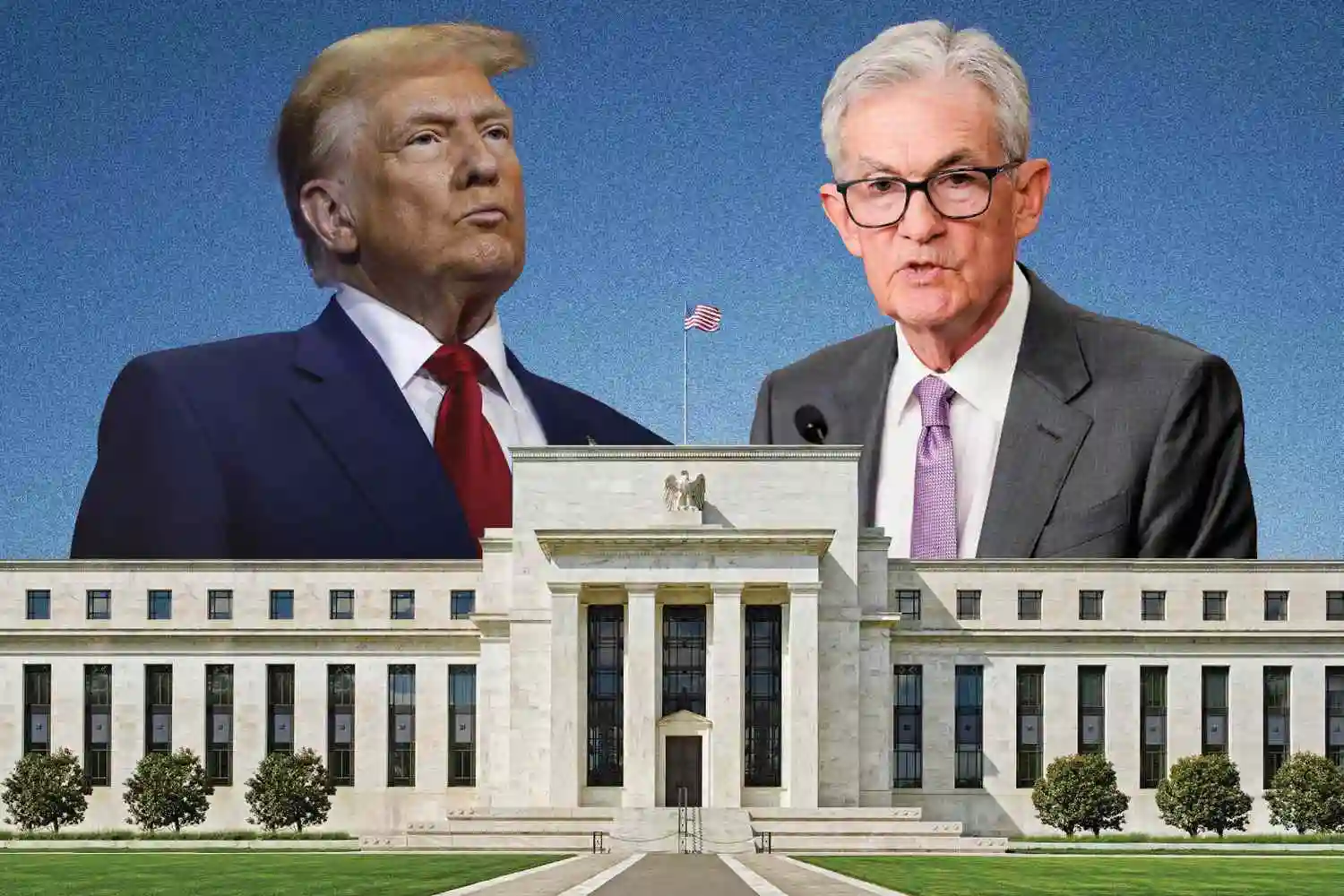
Tonight marks the Federal Reserve's most anticipated interest rate decision of the year. While a 25-basis-point cut is widely expected, the key variable for risk assets is whether the Fed will restart liquidity injections, potentially through a $45 billion monthly short-term debt purchase program starting in January. This signals a stealth return to quantitative easing. The larger tension stems from an unprecedented shift in monetary power. President Trump is rapidly reshaping the Federal Reserve, not just by replacing its chair but by redrawing the boundaries of monetary authority. The long-held principle of central bank independence is being eroded as the Treasury Department seeks to reclaim control over long-term interest rates, liquidity, and the balance sheet. This transition to a "fiscally dominated monetary era" is the underlying logic connecting recent market events. Despite a 40 billion outflow from Bitcoin ETFs, analysis suggests this was not panic selling but the unwinding of leveraged basis trades, leaving a healthier, less leveraged market. Meanwhile, led by Michael Saylor, made its largest Bitcoin purchase in months ($963 million), and Tom Lee's BitMine significantly increased its Ethereum holdings, signaling strong institutional conviction during the downturn. The macro shift implies higher market volatility as the old order fractures. While improved liquidity may provide a floor for Bitcoin, its longer-term trajectory awaits clarity within this new monetary framework, where Treasury, not the Fed, may ultimately dictate key financial conditions.

marsbit12/11 10:18

On the Night of the Fed Rate Cut, the Real Game Is Trump's 'Monetary Power Grab'

marsbit12/11 10:18

活动图片