# Inflation Related Articles

HTX News Center provides the latest articles and in-depth analysis on "Inflation", covering market trends, project updates, tech developments, and regulatory policies in the crypto industry.

Jackson Hole Speech Preview: Is the Fed Seeking Justification for a Rate Hike?

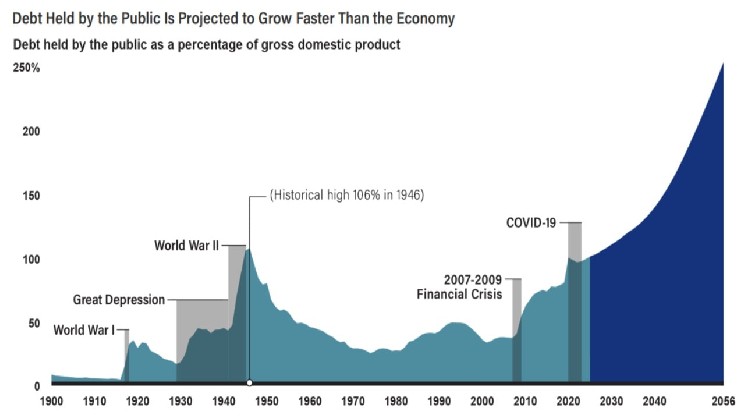
"Jackson Hole Speech Preview: Is the Fed Looking for Reasons to Raise Rates?" Ahead of the key Jackson Hole symposium, Federal Reserve officials and the IMF are signaling heightened concern over persistent inflation, with some advocating for tighter policy. Boston Fed President Susan Collins, in a recent article, supported holding rates steady only if evidence of falling inflation continues. Otherwise, she argues for prompt tightening, noting inflation has been above target for over five years and warning that prolonged deviation could entrench consumer expectations. Although not a voting member this year, her stance aligns with several officials; three FOMC voters dissented in July, favoring a rate hike. Richmond Fed's Tom Barkin warned of a future "reckoning" regarding the $40 trillion public debt, while IMF Managing Director Kristalina Georgieva urged central banks to maintain a laser focus on price stability. The core dilemma lies in the sources of inflation: Trump-era tariffs, Middle East conflict-driven oil prices, and surging AI investment. Collins believes the first two factors are fading, but identifies AI infrastructure spending as exerting "upward pressure" on core goods inflation. The problem is that interest rate hikes primarily curb demand, not these supply-side shocks. Georgieva framed it as a "tug of war" between negative supply shocks from the Middle East and positive demand shocks from AI. Meanwhile, economic data shows strain. The August Consumer Confidence Index fell to a seven-month low of 89.4. While the present situation index improved, future expectations plummeted. Consumers expect higher inflation (5.8% vs. 5.6% last month), likely influenced by high gas prices. Other data points are weak: July retail sales saw the largest drop in over a year, and job growth stalled. Key upcoming events include the July PCE inflation data (expected to remain well above the 2% target) and new Fed Chair Kevin Warsh's first major speech at Jackson Hole. Market pricing remains conflicted, showing a high probability of a December hike but expecting no move in September. Gold prices, however, have surged over 7% to near three-month highs, signaling market anxiety.

marsbit08/26 02:45

Jackson Hole Speech Preview: Is the Fed Seeking Justification for a Rate Hike?

marsbit08/26 02:45

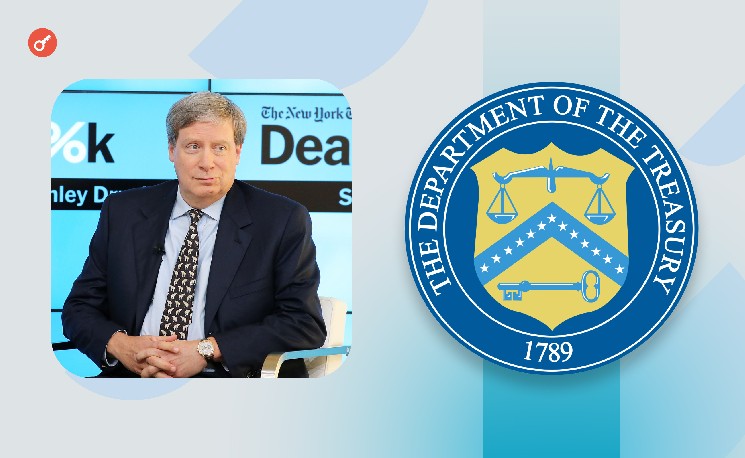
Billionaire Druckenmiller Considers U.S. Treasury's Bond Buyback Plan a Mistake

Billionaire investor Stanley Druckenmiller criticizes the U.S. Treasury's plan to increase purchases of long-term bonds as a mistake. The Treasury announced it would double its buyback amount for bonds with 10- to 30-year maturities from $2 billion to $4 billion. While this move, alongside other factors, boosted high-risk assets like Bitcoin, Druckenmiller argues the intervention failed to achieve its goals of lowering bond yields and slowing the growth of national debt. Druckenmiller contends the bond market was functioning properly without liquidity issues, and rising yields were justified by fundamentals like high inflation, low unemployment, and a massive budget deficit. He warns that artificially suppressing yields removes market pressure on Congress to address fiscal deficits and sets a dangerous precedent, inviting markets to constantly test any perceived "ceiling" protected by the Treasury. He likens the action to quantitative easing, which is inappropriate during high inflation. The investor believes the correct approach would be to let the market dictate yields, which could reasonably rise to 5.5%, and address them through deficit reduction. He concludes that governments lose when they defend prices against fundamental factors, and artificially suppressing interest rates only amplifies future risks. Following the announcement, the yield on 30-year bonds initially fell but later recovered.

cryptonews.ru08/25 13:45

Billionaire Druckenmiller Considers U.S. Treasury's Bond Buyback Plan a Mistake

cryptonews.ru08/25 13:45

Jackson Hole Becomes a Critical Battle for U.S. Treasuries, BofA Warns: If Warsh Doesn't Signal Rate Hikes, 30-Year Yield May Surge to 5.5%

The Jackson Hole Economic Policy Symposium is shaping up as a crucial battle for the US Treasury market, with the spotlight on Federal Reserve Chair Warsh's upcoming speech. Markets view this as the most critical near-term risk event for bond yields and the US dollar. A key concern is whether Warsh will provide clear signals on the Fed's willingness to resume interest rate hikes should inflation fail to improve. American Bank warns that if he avoids offering such forward guidance, the 30-year Treasury yield could surge toward or above 5.5%, putting further downward pressure on the dollar. This heightened sensitivity stems from fragile market conditions, including the Treasury's recent increased long-end bond buybacks and a string of weaker economic data. Analysts note that Warsh has historically been resistant to providing specific policy guidance, but sustained bond market pressure may force a shift in communication strategy. The market anticipates a framework outlining potential policy responses based on incoming inflation data. Barclays economists assign over a 50% probability to Warsh delivering a hawkish message. Historically, Jackson Hole speeches have had limited lasting market impact, but analysts suggest this year could be an exception due to the unique confluence of pressures, making Warsh's credibility and clarity paramount for stabilizing expectations.

marsbit08/25 10:36

Jackson Hole Becomes a Critical Battle for U.S. Treasuries, BofA Warns: If Warsh Doesn't Signal Rate Hikes, 30-Year Yield May Surge to 5.5%

marsbit08/25 10:36

Liquidity Improvement Upgraded Again: Bonds, Gold, and Bitcoin Rise Simultaneously. Why Do Tech Stocks Continue to Fall?

On August 25th, US financial markets exhibited an unusual pattern: US Treasury bonds, gold, and Bitcoin rose simultaneously, the dollar remained strong, crude oil prices declined, and tech stocks continued to fall. The core drivers were two policy signals from US Treasury Secretary Scott Bessent. First, reports suggested the Treasury might use cash from its General Account (TGA) at the Fed to fund an expansion of long-term bond buybacks. Second, the US policy focus on Iran appeared to shift toward economic sanctions rather than further military escalation. These developments collectively lowered long-term Treasury yields and oil prices, while supporting gold and crypto assets. However, US equities did not broadly rally, with AI and semiconductor stocks continuing to weigh on the Nasdaq. The potential use of TGA cash, estimated at $80-$200 billion, was seen as a stronger tool to stabilize the long-end of the bond market by improving liquidity and altering the supply structure of tradable bonds. This led to a flatter yield curve. However, analysts from Goldman Sachs and others argue such buybacks may not address the fundamental pressures on long-term yields stemming from fiscal deficits, debt supply, sticky inflation, and term premiums. Regarding Iran, the US emphasis on "economic D-Day" sanctions against entities facilitating Iranian oil trade was interpreted as a de-escalation of immediate military risks, leading to a pullback in oil's geopolitical risk premium. However, risks remain for refined products due to transport bottlenecks and global refining capacity constraints. Despite the decline in interest rates, tech stocks, led by semiconductors and AI-related names like Nvidia, extended their losses. This suggests the AI trade is transitioning from a liquidity-driven phase to one focused on validating earnings, valuations, and returns on capital expenditure. Market volatility increased at the index level but decreased for individual stocks, indicating concerns are centered on systemic macro and sector risks rather than company-specific events. In summary, the day's moves reflected a complex mix of factors: improved bond market liquidity expectations, a temporary downgrade of Iran-related oil risks, and support for alternative assets from lower real rates. Tech stocks' divergence highlights a shift toward fundamental scrutiny amid ongoing macro policy uncertainty.

marsbit08/25 07:09
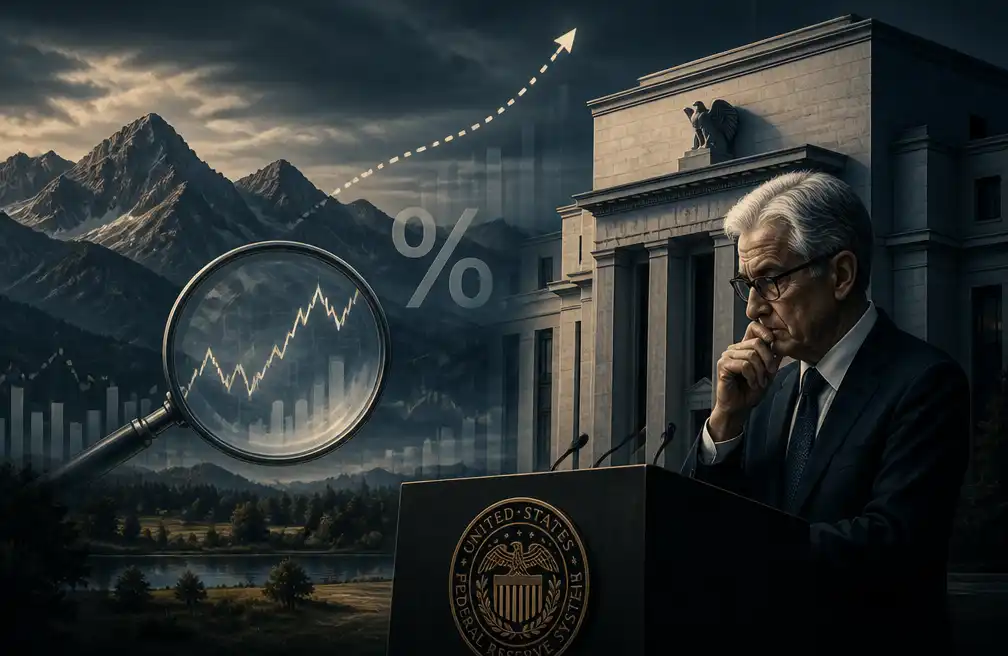
Liquidity Improvement Upgraded Again: Bonds, Gold, and Bitcoin Rise Simultaneously. Why Do Tech Stocks Continue to Fall?

marsbit08/25 07:09

Wall Street Morning Report: Nvidia Falls for 7 Consecutive Days, AI Stocks Continue to Bleed Out; U.S. Treasury Buybacks Criticized as Temporary Fix, Inflation and Deficit Are the Real Big Problems

Wall Street Morning Report: Tech and Treasury Tensions U.S. stocks were mixed. The Dow gained 0.26%, supported by defensive and consumer staples stocks, while the S&P 500 fell 0.28% and the Nasdaq dropped 0.76% amid a sell-off in AI hardware. The U.S. announced new sanctions targeting Iran's key economic sectors, temporarily easing oil prices (Brent -2.35%). However, concerns over potential disruption to the Strait of Hormuz could pressure European natural gas prices. Meanwhile, the Treasury's upcoming bond buyback plan faced criticism from major banks (Goldman Sachs, Deutsche Bank, Citadel), who argue it doesn't address the root causes of high long-term yields: persistent inflation and the massive fiscal deficit. The 10-year Treasury yield dipped slightly to around 4.70%. Gold rose, with Citi raising its short-term target to $4,800/oz. The AI hardware and semiconductor sector saw intense selling. The Philadelphia Semiconductor Index fell nearly 3%. NVIDIA dropped 2.91%, marking its seventh consecutive daily decline—its longest losing streak since 2022—due to pre-earnings caution despite strong analyst estimates. Memory chip stocks (Micron -6%, others down 5-6%) fell after Samsung's shareholder returns disappointed, raising cycle peak fears. Optical communications was also a big loser, led by Applied Optoelectronics (-14%) on equity dilution concerns. Wall Street is growing wary of off-balance-sheet credit risks in AI infrastructure financing. In other moves, Tesla fell 3.83% on a major China recall. Meta rose 1.66% on news of its upcoming "Hatch" AI platform. Defensive stocks like Visa and Walmart supported the Dow. Key upcoming events include the Jefferies Semiconductor Conference (Aug 25-26), Gamescom (Aug 26-30), and NVIDIA's earnings report (Aug 28).

marsbit08/25 04:51

Wall Street Morning Report: Nvidia Falls for 7 Consecutive Days, AI Stocks Continue to Bleed Out; U.S. Treasury Buybacks Criticized as Temporary Fix, Inflation and Deficit Are the Real Big Problems

marsbit08/25 04:51

Bessent Repurchases U.S. Treasury Bonds, So Why Is Bitcoin Rising?

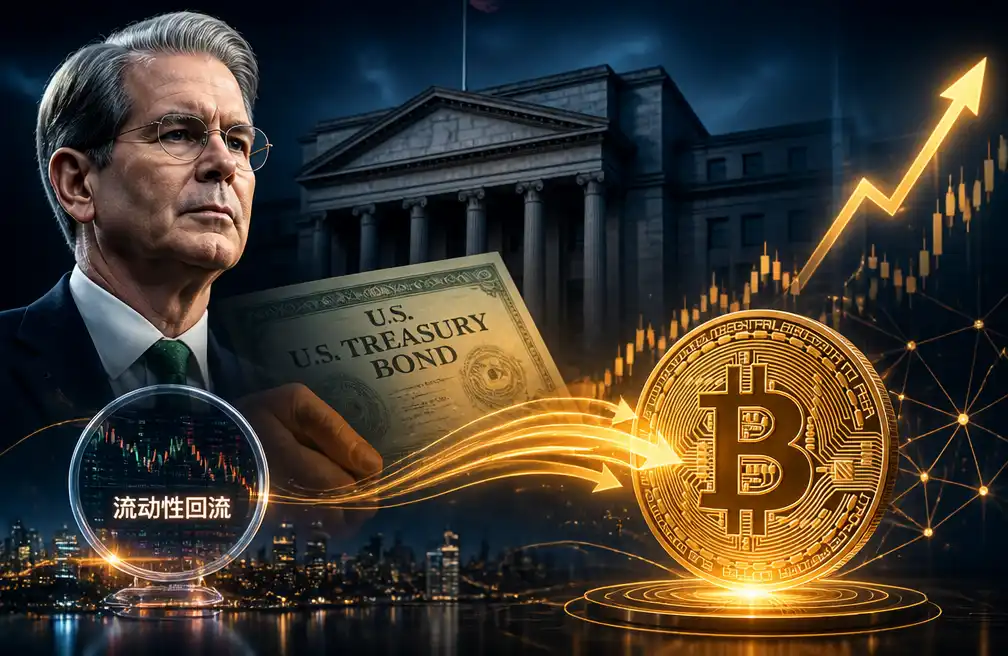
On August 19, U.S. Treasury Secretary Scott Bessent significantly increased the limits for buying back long-term Treasury bonds (10, 20, and 30-year maturities), calling it a "Treasury Twist Operation." The goal was to lower soaring long-term yields, which had recently hit multi-decade highs, by boosting demand for these bonds. However, the effect on yields was brief and limited. The article explains that the Treasury's bond buybacks, funded by issuing more short-term debt or using its cash reserves, do not create new money but merely restructure government debt. Major factors pushing yields higher—such as large budget deficits, corporate borrowing for AI investments, inflation driven by rising oil prices, and Federal Reserve policy uncertainty—remained unaddressed, limiting the operation's impact. Instead of taming bond yields, the intervention was interpreted by markets as a sign of official concern over debt sustainability and potential future currency depreciation. This triggered a rally in assets perceived as hedges against such risks: Bitcoin surged toward $80,000, gold rose, and the U.S. dollar weakened. Further context includes Bessent's unusual suggestion for corporations to issue more medium-term ("belly") debt and the potential long-term role of dollar-pegged stablecoins (backed heavily by Treasuries) in influencing government borrowing costs. The move broke with the Treasury's traditional "regular and predictable" debt management approach. Analysts warn that such unexpected interventions could ultimately increase long-term borrowing costs if they erode investor confidence, creating a potential "Bessent put" similar to the "Greenspan put" for equities. Ultimately, the operation twisted markets for currencies and alternative assets more than the Treasury yield curve itself.

marsbit08/25 02:00

Bessent Repurchases U.S. Treasury Bonds, So Why Is Bitcoin Rising?

marsbit08/25 02:00

活动图片