Author: Long Yue
Source: Wall Street Insights
Key Federal Reserve officials who previously advocated for rate cuts, including Waller and others, have recently signaled openness to potential rate hikes, leaving almost no one on the committee still arguing for cuts. The debut meeting chaired by Warsh is likely to send a signal — the Fed's next move could be a rate hike.
Trump appointed him to cut rates, but shortly after he took office, his colleagues began discussing raising them.
The Wall Street Journal recently published an in-depth report by veteran reporter Nick Timiraos, timed just before the first interest rate meeting chaired by new Fed Chairman Kevin Warsh. Timiraos has long specialized in Fed coverage and is seen by the market as a "Fed mouthpiece."
Timiraos wrote that Warsh enters this meeting room at an extremely awkward moment. He publicly argued for rate cuts last year, a stance that won him Trump's favor. Yet, shortly after he formally assumed the role, the direction of discussion within the Fed has quietly reversed — shifting from "when to cut" to "whether to raise."
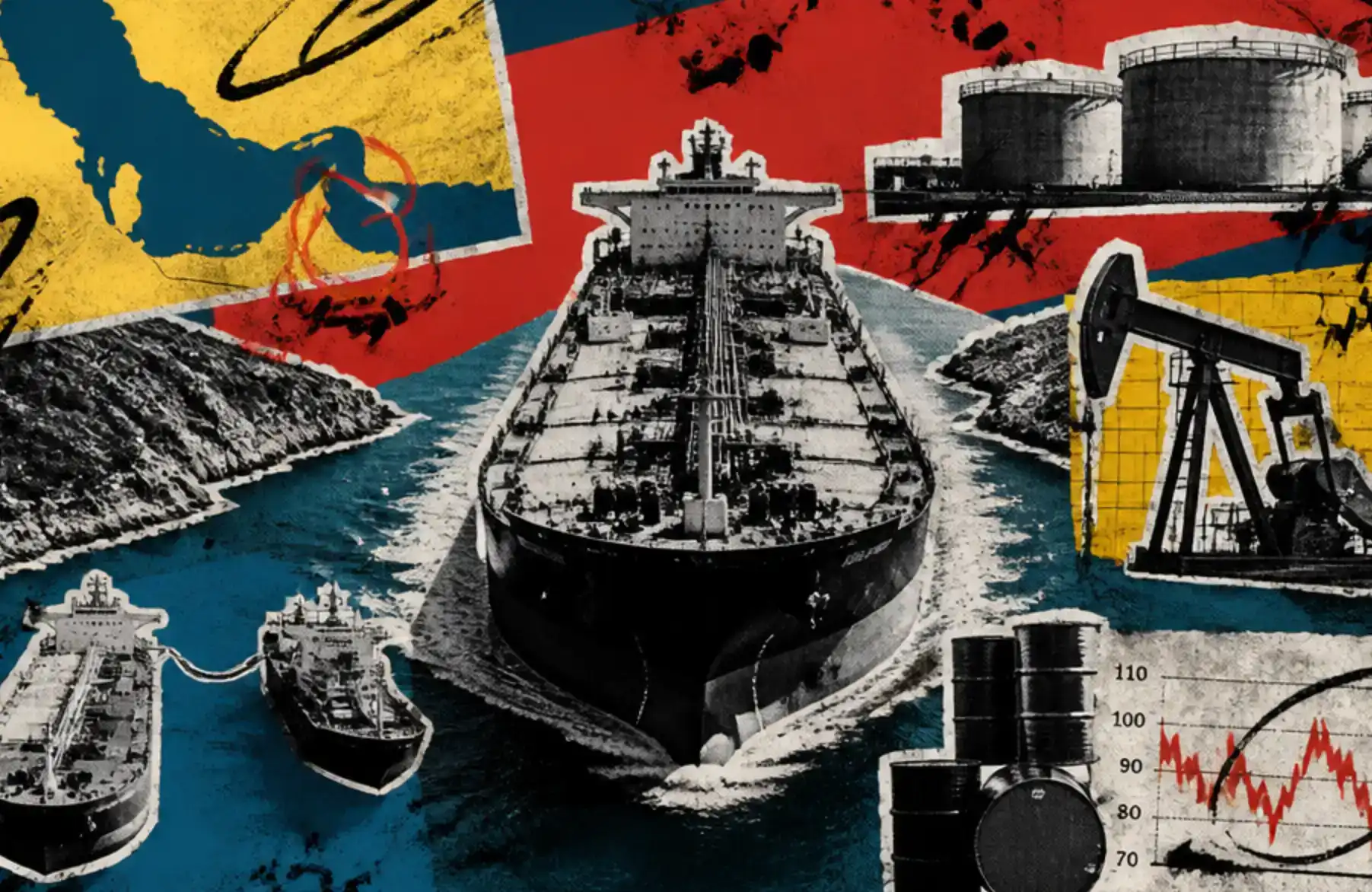
This reversal is not sudden. Since the start of the year, U.S. inflation has risen instead of falling, breaking above 3%; the job market has strengthened again; supply bottlenecks from the AI construction boom and higher oil prices fueled by the Iran war continue to add fuel to price pressures. The reasons that previously supported expectations for rate cuts have disappeared one by one.
Warsh faces a committee he did not assemble himself, a set of forecasting tools he has long criticized, and a policy direction that runs counter to the wishes of the president who appointed him. This debut is destined to be challenging.
How Did the Doves Turn Hawkish?
The most telling illustration is the change in stance by Fed Governor Christopher Waller.
Waller spent all of last year worrying about a weakening job market, even voting in favor of a rate cut in January against the majority of his colleagues. But just last month, he publicly stated that recent data "pushed me in the other direction." He explicitly supported removing the "easing bias" from the statement and bluntly said, "I can no longer rule out the possibility of a rate hike at some point in the future."
Regarding market discussions still focused on a September rate cut, Waller's response was quite direct: "You can't seriously be talking about it as a serious central banker."
The Middle Ground Is Also Shifting
If Waller represents the dovish faction's pivot, then the shift by Governor Lisa Cook shows that even the "middle ground" is loosening.
Cook is not a hawk; last month she still said holding rates steady was the right choice, with the baseline scenario being that inflation would cool on its own. But she added a condition — one that would have been almost unthinkable coming from her a year ago: she said she was "prepared to raise rates" if the decline in inflation "does not materialize in a timely manner."
The underlying concern is that five years of persistently above-target inflation may have begun to influence how businesses set prices and workers negotiate wages, creating self-reinforcing expectations.
The Hawks Have Been Waiting for This Day
The hawks on the committee have long been dissatisfied.
When the Fed cut rates late last year, Cleveland Fed President Beth Hammack, Dallas Fed President Lorie Logan, and Minneapolis Fed President Neel Kashkari voiced dissent, arguing the rationale for easing was shaky to begin with.
In April, the trio teamed up again. This time, they opposed not the rate decision itself, but the phrase in the statement hinting that "the next move is more likely to be a cut" — they demanded its removal to signal that a rate hike is also a possible option.
Now, the data is tilting further in their favor. Hammack said this month that holding steady is appropriate for now, "but if recent trends persist, action may be needed soon." Logan went further: "I'm increasingly concerned that a rate increase may be necessary later this year."
The hawks also raise a noteworthy argument: As inflation rises, the inflation-adjusted "real interest rate" is actually falling, meaning the Fed's policy may be less restrictive to the economy than the headline number suggests. In other words, merely "holding steady" is, in a sense, already a form of easing.
Warsh's Dilemma
This Wednesday, the Fed is expected to hold the benchmark rate steady at 3.5% to 3.75%. But the real focus is on two areas.
First, the wording of the statement. The phrase "easing bias"—which for months has hinted the next move is more likely to be a cut—is expected to be removed, signaling that cuts and hikes are now seen as equally likely.
Second, the quarterly "dot plot." In March, over a dozen officials still projected at least one rate cut this year. This time, most officials are expected to show rates holding steady this year, with some even penciling in a hike.
Warsh himself has long criticized the Fed's over-reliance on "forward guidance," including tools like the dot plot. He could choose not to submit his own projections or strip such hints from the official statement. But Timiraos notes that such operational distinctions matter little to investors — they will read the substance directly. The one who truly cares about this distinction is the president who wants to see low rates.
A comment last month by Chicago Fed President Austan Goolsbee perhaps best captures the current predicament: "We now have a fairly serious inflation problem that is forming, but the job market is basically stable."
The result is this: There is almost no one left on the committee arguing for rate cuts. The debut meeting chaired by Warsh is likely to send a signal — the Fed's next step could be a rate hike. And all this will be communicated using the very tools he has criticized, by a committee he did not personally select, and will point in a direction his appointer does not wish to see.