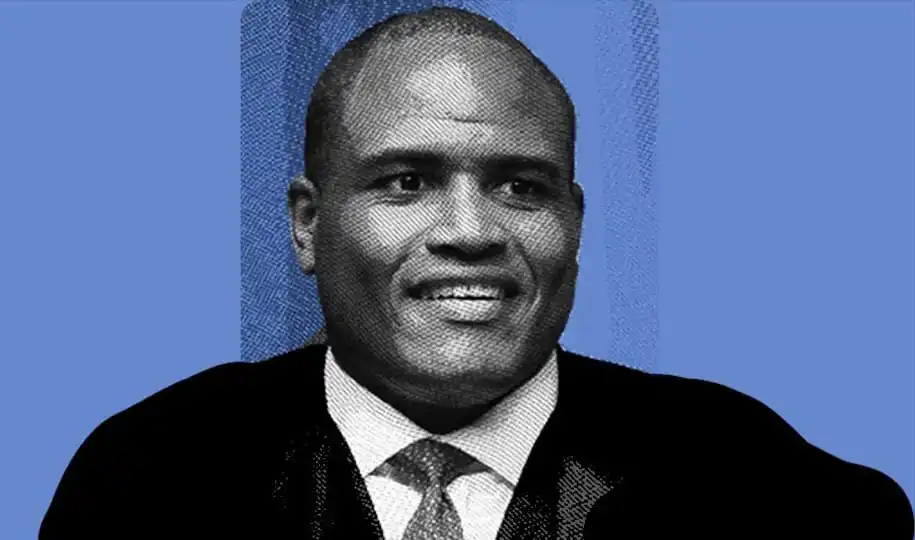
On September 2, Ripple announced ongoing plans to introduce native smart contracts to the XRP Ledger (XRPL) mainnet. Some members of the XRPL developer community haven’t taken this announcement kindly, especially the Director of XRPL Labs, Wietse Wind, who wrote an open letter to Ripple.
The Sudden Change To XRPL Smart Contracts Is “Surprising”
Wind mentioned in the open letter on the X (formerly Twitter) platform that the sudden change in Ripple’s stance about introducing native smart contracts is surprising. He noted that three mongs ago, Ripple’s Chief Technology Officer (CTO) David Schwartz had made it clear at the XRP Ledger Apex that there was no room for smart contracts on the XRP Ledger.
Back then, Schwartz mentioned that the XRPL mainnet was a “fixed function ledger” and that smart contracts belonged on other networks such as the EVM Sidechain and Xahua. Wind remarked that Ripple’s turnaround makes it hard to sustainably grow the thriving ecosystem with such “whimsical pivots by the organization consistently pushing for the direction of the core protocol.”
The Director of XRPL Labs further stated that the lack of direct communication from Ripple’s leadership about this pivotal change in stance and the reasons for it is “disappointing.” Wind claimed that learning about this development from back channels rather than direct dialogue highlights the current state of collaboration within the developer ecosystem.
Interestingly, Wind revealed they had proposed and championed the idea of native smart contracts on the XRPL mainnet years ago. However, Ripple seemed to have brushed off the idea. Despite the lack of communication from Ripple, the developer mentioned that they were glad to see the change in perspective but added that they feel this realization comes “frustratingly late and at a cost to those who have been driving innovation in the ecosystem.”
In line with this, Wind declared that the XRPL developer ecosystem stands at a “critical juncture.” He stated that Ripple faces a clear choice of either embracing and supporting the existing Hooks technology on the mainnet or pursuing a separate path that “risks alienating dedicated developers and fracturing the ecosystem.”
Hooks was the layer-1 smart contract solution that Wind and his team had begun to work on after Ripple seemed reluctant to introduce a native smart contract on the XRPL mainnet.
Ripple’s CTO Responds To Open Letter
Ripple’s CTO, David Schwartz, responded to Wind’s open letter, explaining Ripple’s side of the situation. Contrary to Wind’s claims about lack of direct communication, Schwartz revealed that the RippleX team called him before the announcement went live. The Ripple CTO also revealed that his firm had supported and even funded Hooks from the beginning but clarified that it would only support Hooks as an amendment on the mainnet.
Schwartz also mentioned that there is a lot of innovation in Hooks, as XRPL Labs proposed initially, but believes some updates could make it a better option for XRPL mainnet. In an earlier X post, the Ripple CTO explained why he didn’t support Hooks being the smart contract solution on the XRPL mainnet.
He remarked that he wasn’t convinced it was “small and safe enough to deploy on the mainnet without significant risk to things like transaction price stability and performance payments.”
Wind responded to Schwartz, stating that he was happy about the change of heart and excited for what was coming to the mainnet with or without Hooks, which his team developed. He added that his major concern was just the lack of communication on Ripple’s part as stakeholders in the developer ecosystem deserve an explanation when the crypto firm decides to pivot as they have done in this situation.

Related Posts