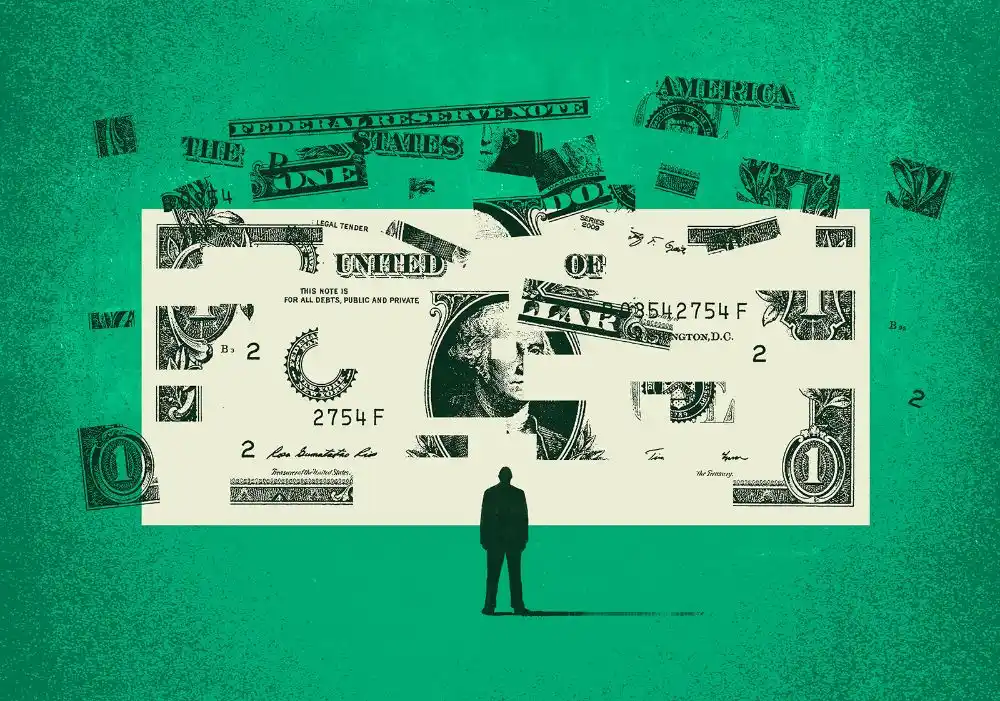
When Traditional Finance Fails People in Crisis, Bitcoin Succeeds

marsbitОпубликовано 2026-07-17Обновлено 2026-07-17

Введение

When traditional finance fails to reach people in crisis, Bitcoin succeeds. This article highlights how fundraising platforms like GoFundMe face severe limitations in delivering aid to conflict zones like Gaza due to banking regulations, sanctions, and compliance rules. For instance, Sami Jamal Al-Shannat raised over £55,000 for his family but couldn't receive the funds directly; instead, money had to be routed through a beneficiary in another country, leading to disputes and loss of access. The piece explores how compliance requirements often force reliance on intermediaries, shifting risk and responsibility away from platforms and onto individuals. In contrast, Bitcoin and blockchain-based platforms like Geyser and Agora enable direct, peer-to-peer transactions, bypassing traditional financial bottlenecks. These platforms shift trust from centralized institutions to verifiers—local partners or trusted organizations—who validate projects, allowing donors to send funds directly to recipients' wallets. While not a panacea, Bitcoin offers a way to circumvent "transnational financial repression," where sanctions and AML rules inadvertently harm legitimate aid recipients, activists, and dissidents. The conclusion emphasizes that open payment networks and decentralized trust models represent a systemic shift, empowering beneficiaries and providing more resilient humanitarian fundraising in crisis situations. However, challenges around verification, accountability, and fraud prev...

Author: Forbes

Compiled by: AididiaoJP, Foresight News

In the Gaza Strip, a fundraising campaign that should have brought hope has been mired in obstacles due to the limitations of traditional finance.

Sami Jamal Al-Shannat raised over £55,000 (approximately RMB 500,000) on GoFundMe for his family trapped in the war zone, thinking the hardest part was over. However, after the platform deducted a 3.9% fee, it did not support direct payments to Gaza. The remaining funds had to be transferred to a designated beneficiary living in a supported country, who would then forward the money to his family.

This arrangement complied with platform rules but placed the final delivery entirely on personal trust. Sami says the arrangement with his brother-in-law, who was the beneficiary, later broke down, and he has yet to receive the full amount, with the dispute unresolved. He described it not merely as a financial loss but as leaving his wife and children in an extremely vulnerable situation.

"Raising the money wasn't the problem," Sami told me from a displacement camp in Gaza. "The problem started when we had to rely on someone else to receive it for us."

Sami's primary hope now is to recover the funds and seek accountability, but from Gaza, he finds it difficult to locate a lawyer and lacks the necessary funds and connections. He also plans to continue fundraising for his family as wartime inflation has caused prices for basic necessities like food to soar.

GoFundMe did not respond to multiple requests for comment.

The Trap of Compliance

Sami's experience exposes a widespread issue faced by humanitarian crowdfunding platforms: platforms must comply with banking rules, sanctions regimes, and anti-money laundering requirements, which strictly limit the regions where funds can be sent.

When people in crisis cannot receive funds directly, they must rely on intermediaries. This not only shifts responsibility onto individuals but can also result in the aid raised for them failing to arrive.

This compliance bottleneck can even paralyze global human rights organizations. Lyudmyla Kozlovska, President of the Open Dialogue Foundation, recalled that during the initial days of Russia's invasion of Ukraine in 2022, platforms like PayPal, GoFundMe, and Wise blocked their fundraising appeals for Ukraine. By using Bitcoin, the foundation was able to bypass traditional delays and deliver urgent humanitarian aid on the second day of the war.

Charities, aid organizations, and tech companies have been grappling for years with how to reach people cut off from the traditional financial system. A growing number of developers believe the current model relies on too many intermediaries, especially when funds need to cross borders or reach restricted jurisdictions.

Redesigning the Architecture of Trust

Michele Morucci, co-founder of the Bitcoin crowdfunding platform Geyser, points out that trust is the core issue.

"People think the biggest challenge is moving money. It's not. The biggest challenge is deciding who to trust."

Donors often don't know the beneficiaries personally; they rely on platforms, charities, journalists, and community leaders to judge a project's authenticity. Removing one intermediary only makes sense if there is an equally credible alternative.

Geyser reviews projects before they go live, requiring creators to provide proof of work, team information, and necessary documents. Projects that don't meet credibility standards are not approved.

Furthermore, over 100 Geyser Field Partners are responsible for identifying and supporting projects within their familiar communities, forming a chain of trust between local communities and global donors. Michele notes these partners have helped deliver 12 million satoshis (approximately £5,600, equivalent to 0.12 Bitcoin) directly to community projects. He acknowledges the model is still new and data remains limited.

More Than Just One Fundraising Case

The weaknesses exposed by Sami's case are not isolated. Crowdfunding platforms can raise money for families facing war, disaster, or oppression within hours, but getting the funds safely into the hands of the intended recipients is far more complex.

GoFundMe isn't the only platform restricting payment regions. Mainstream crowdfunding platforms rely on banks and payment providers and must comply with sanctions, identity verification, and anti-money laundering rules specific to jurisdictions.

When direct payment isn't supported, organizers may need to designate a beneficiary in another jurisdiction to receive the funds on behalf of the recipient. While this satisfies the platform's legal and banking requirements, it transfers responsibility to the intermediary. If the relationship breaks down, the recipient has very limited recourse through the platform.

Shifting Trust to Verifiers

The Agora platform takes a different path. It allows funds to flow directly between donors and recipients, while verification comes from organizations and individuals with first-hand knowledge of the project.

Mary Kate, co-founder of Soapbox (the team behind Agora), explains that donors might not know the person in need, but they might know and trust the organization verifying the project.

"This allows us to shift trust from the project itself to the verifier. You might not know the person in need, but you might know and trust the organization verifying it."

This model leaves the final decision with the donor. A project can still be visible even without verifier support; trusted organizations can add context and credibility without being the sole gatekeepers.

Agora also removes the crowdfunding platform from the payment flow. Donations are sent directly to a wallet controlled by the recipient, reducing the risk of funds being held by the platform or passed through another person's hands.

Bitcoin enables cross-border fund movement without requiring platform custody or beneficiary forwarding. Of course, wallet security, access, and exchange rate risks remain.

For Mary Kate, this control extends far beyond the movement of money itself.

"We can't take away your account, we can't shut down your project, we can't take your money," she says. "For people going through trauma and feeling a lack of control over their lives, this can be a huge moment of empowerment."

Direct payment doesn't solve all problems. Projects still need vetting, donors still need sufficient information to make informed decisions, and recipients could still misuse funds. Agora is working to make these risks more transparent while giving recipients greater control over funds raised in their name.

The Unintended Consequences of Financial Sanctions

Sami's experience is not an isolated case because the underlying issue is widespread. Activists, journalists, and humanitarian organizations worldwide are finding it increasingly difficult to legally transfer funds across borders as financial regulations grow more complex and sanctions impact entire jurisdictions rather than just governments.

Femi Longe, Global Tech for Freedom Strategy Lead at the Human Rights Foundation, believes these restrictions often unintentionally harm the very people meant to receive humanitarian aid.

"Traditional crowdfunding platforms are regulated; moving money across borders requires compliance with AML and sanctions rules. The problem is that these rules ultimately affect legitimate opposition groups, nonprofits, and ordinary citizens, not the governments they were originally aimed at."

Femi notes that even organizations operating legally within sanctioned countries struggle to receive donations. Visible financial ties can put domestic supporters or relatives at risk of retaliation.

Lyudmyla warns that this issue has evolved beyond administrative friction into "transnational financial repression" – where regimes leverage global AML/CFT rules to deprive dissidents of banking access, even in Western countries.

She cites a landmark resolution passed by the OSCE Parliamentary Assembly in July 2026, which recognized transnational financial repression as a systemic threat and called for stronger protections for donor privacy and privacy-preserving digital tools. Lyudmyla states that Bitcoin payment tools are becoming a necessary lifeline for targeted donors and activists.

Political opposition groups, independent journalists, and civil society organizations often rely on international donations to sustain their work. When donations are hard to send or easier to monitor, financial infrastructure becomes another form of pressure.

This doesn't mean regulations should be abolished. Public fundraising requires accountability, transparency, and safeguards to protect donors from fraud. All interviewees acknowledged this challenge and accepted that there is no perfect solution.

Femi argues the goal should be to remove unnecessary intermediaries while retaining accountability.

"If you allow the project operator to directly control the wallet receiving the funds, I think that's an improvement over the status quo," he adds, noting that verification and oversight remain integral to any system handling public donations.

Sami's case highlights a fundamental weakness in the humanitarian financial architecture. Systems built around banks, payment processors, and judicial borders often struggle when transferring funds to people in war zones, under political repression, or facing humanitarian crises. No one believes technology alone can solve humanitarian fundraising problems.

Direct payment to recipients removes one layer of risk but does not guarantee a project's authenticity, the organizer's honesty, or that donations will be used for the stated purpose.

Femi says, "I don't think Bitcoin solves everything. You still need systems to verify project creators, you still need accountability for how funds are used. These challenges don't disappear just because payment becomes direct."

Platforms like Michele's and Mary Kate's are working along similar lines: they don't claim to eliminate trust but attempt to redesign where that trust is placed.

The new generation of humanitarian crowdfunding is more than a temporary patch for a broken traditional model; it is a systemic shift. Open payment networks can give recipients direct control over funds raised in their name, while decentralized trust networks help donors decide whom to support.

Although judgment, verification, and accountability remain indispensable, this open architecture is bypassing the legacy financial restrictions and regulatory hurdles that prevent traditional platforms from reaching those most in need.


Трендовые криптовалюты

Связанные с этим вопросы

QWhat was the primary challenge faced by Sami Jamal Al-Shannat after successfully raising funds on GoFundMe for his family in Gaza?

AThe primary challenge was that GoFundMe, after deducting fees, did not support direct payments to Gaza. The funds had to be sent to a designated beneficiary in a supported country, who was then supposed to forward the money. This reliance on an intermediary based on personal trust failed, as the arrangement with his brother-in-law broke down, leaving Sami unable to receive the full amount.

QHow did the Open Dialogue Foundation manage to deliver humanitarian aid to Ukraine promptly after the Russian invasion, according to the article?

AAccording to the article, when platforms like PayPal, GoFundMe, and Wise blocked their fundraising appeals, the Open Dialogue Foundation used Bitcoin. This allowed them to bypass traditional delays and deliver emergency humanitarian aid to Ukraine on the second day of the war.

QAccording to Michele Morucci of Geyser, what is the core problem in humanitarian crowdfunding, and how does Geyser address it?

AMichele Morucci states that the core problem is trust, not moving money. Geyser addresses this by vetting projects before they go live, requiring evidence of work and necessary documentation. They also utilize a network of over 100 'Field Partners' who identify and support projects within their own communities, creating a chain of trust between local communities and global donors.

QWhat key difference does the Agora platform introduce in its model compared to traditional crowdfunding platforms?

AAgora removes the platform from the payment flow. Donations are sent directly to a wallet controlled by the beneficiary. Trust is shifted from the project creator to verifiers—organizations or individuals with firsthand knowledge of the project who can vouch for it. This gives beneficiaries direct control over the funds raised in their name.

QWhat is 'transnational financial repression' as mentioned by Lyudmyla Kozlovska, and what role does Bitcoin play in this context?

A'Transnational financial repression' refers to regimes exploiting global anti-money laundering and counter-terrorism financing rules to deny banking access to dissidents, even in Western countries. Lyudmyla Kozlovska warns that this goes beyond administrative friction. In this context, Bitcoin payment tools are becoming a necessary lifeline for targeted donors and activists, as they can bypass these restrictive financial controls.

Похожее

Ansem: Почему я считаю, что выкуп токенов не решает никаких проблем?

**Ансем: Почему выкуп токенов не решает проблем?** Известный трейдер Solana Ансем утверждает, что механизмы выкупа токенов сами по себе не создают ценности. Ключевым фактором стоимости является «премия доверия» между командой и сообществом. В качестве примера он приводит Hyperliquid (годовой доход ~$8 млрд, FDV ~$650 млрд) и pump.fun (годовой доход ~$4,4 млрд, FDV ~$14 млрд). Обе платформы активно выкупают токены, но разница в оценке составляет почти 50 раз. Hyperliquid заслужил доверие честным распределением токенов, выполнением обещаний и фокусом на продукт. В то время как pump.fun, несмотря на высокие доходы, не выполнил обещанные аирдропы (24% токенов для сообщества), что подорвало доверие. Ансем делает вывод: успех зависит не от выкупа токенов, а от репутации команды и её отношений с сообществом.

marsbit4 мин. назад

Ansem: Почему я считаю, что выкуп токенов не решает никаких проблем?

marsbit4 мин. назад

Прогноз цены Bitcoin: $55,5 тыс. или $70 тыс. для следующего импульсного движения?

После падения до $62,2 тыс. 13 июля Bitcoin (BTC) вырос на 4,45%, достигнув уровня выше $65 тыс., однако в последующие 48 часов цена вновь снизилась на 1,37%. Объемы ликвидаций позиций были незначительными по сравнению с масштабными распродажами в конце июня. Несмотря на хрупкие рыночные условия и отсутствие очевидного спроса на Bitcoin, индекс Regime Score, учитывающий различные рыночные показатели, оставался в умеренно бычьей зоне (+34,6), указывая на краткосрочный оптимизм. С технической точки зрения, ситуация остается неоднозначной. Цена находится в ключевой зоне сопротивления около $65 260 (уровень 78,6% Фибоначчи на младшем таймфрейме), от которой уже последовала медвежья реакция. Преобладает сценарий продолжения нисходящего тренда с потенциальными целями в районе $55 560 и $51 934 в ближайшие недели. Этот сценарий будет отменен только при закрытии свечи на 4-часовом таймфрейме выше $67 292. Альтернативный вариант предполагает возможный рост до $77 489 перед возобновлением общего нисходящего тренда.

ambcrypto13 мин. назад

Прогноз цены Bitcoin: $55,5 тыс. или $70 тыс. для следующего импульсного движения?

ambcrypto13 мин. назад

Ли Шанью: Мир становится всё быстрее, мы можем быть медленнее, глубже и более обращёнными внутрь себя

Ли Шанью из «Хаотического университета» утверждает, что в эпоху, когда ИИ развивается стремительными темпами, а прошлый опыт теряет актуальность, необходимо вернуться к «первоначальным принципам». Ключевым сдвигом является переход от «познаваемого» (знания) к «способности познавать» — внутренней предрасположенности, определяющей глубину и степень нашего понимания. В статье анализируется эволюция предпринимателей: от героев эпохи ПК-интернета, которые полагались на копирование опыта, до таких фигур, как Чжан Иминь (основатель ByteDance), чей успех в мобильную эпоху основан на «логическом моделировании» и рациональном подходе второго порядка. Однако в эпоху ИИ для прорыва необходима дальнейшая эволюция — скачок к третьему порядку «способности познавать», где доминируют не логика, а интуиция, вдохновение и «идеи». В качестве примера нового типа предпринимателя приводится Лян Вэньфэн (основатель DeepSeek), чей подход основан на любопытстве и стремлении к фундаментальным инновациям, а не на коммерческих шаблонах прошлого. Для большинства людей, не стоящих на острие технологических волн, предлагается альтернативный путь — «путь качества» или «путь творения». Он заключается не в конкуренции и масштабных достижениях, а во внутренней работе: в сознательном и глубоком подходе к своему делу, превращении его в «произведение», через которое выражается и шлифуется собственное сознание. Когда работа выполняется с качеством и осмысленностью, она становится целью сама по себе, а не просто средством. Это способ противостоять все ускоряющемуся и конкурентному миру через осознанность, глубину и обращение внутрь себя.

marsbit30 мин. назад

Ли Шанью: Мир становится всё быстрее, мы можем быть медленнее, глубже и более обращёнными внутрь себя

marsbit30 мин. назад

Сооснователь 1inch Антон Буков уходит из проекта, чтобы запустить новый проект Second Tier

Соучредитель децентрализованного агрегатора обмена 1inch Антон Буков объявил об уходе из повседневной операционной деятельности проекта, подтвердив, что перестал участвовать в ней ещё в конце ноября 2025 года из-за разногласий по стратегическому направлению и стилю руководства. Он сохраняет статус соучредителя и 50% долю в компании. Одновременно Буков анонсировал запуск нового проекта Second Tier (tier.xyz), позиционируемого как инфраструктурная компания для «сокращения дистанции между экономическим намерением и исполнением в блокчейне». Конкретные детали продукта, архитектура или дорожная карта не раскрываются. В своём манифесте команда заявляет о намерении создавать принципиально новые архитектуры, а не конкурировать в существующих категориях, устраняя системные трения в финансах. Разногласия в 1inch возникли на фоне стратегического поворота протокола к сотрудничеству с традиционными финансовыми институтами в 2025 году, в то время как Буков оставался приверженцем децентрализованных и беспропускных принципов DeFi. Тем временем, согласно отчёту Messari, в первом квартале 2026 года 1inch столкнулся со значительным спадом: среднесуточный объём торгов упал на 60,3%, а доля рынка сократилась с 25,2% до 17%, опустив проект с первого на четвёртое место среди агрегаторов. Ключевые вопросы, требующие дальнейшего наблюдения, — как Буков распорядится своей долей в 1inch, когда концепция Second Tier обретёт конкретные очертания и сможет ли институциональная стратегия 1inch переломить негативную тенденцию в торговой активности.

Foresight News45 мин. назад

Сооснователь 1inch Антон Буков уходит из проекта, чтобы запустить новый проект Second Tier

Foresight News45 мин. назад

Meituan лидирует в раунде: рождается новый единорог на рынке манипуляторов

Инновационная компания Xynova (Синоува Футуре), занимающаяся комплексными решениями в области манипуляторов (ловких роботизированных рук) для воплощенного искусственного интеллекта, объявила о завершении раунда финансирования A+ на 5 млрд юаней. Раунд возглавила Meituan, к нему также присоединились NIO Capital, China Merchants Capital и крупная интернет-компания, а прежний инвестор Xiaomi продолжил участие. Это третье привлечение средств компанией в этом году, а общий объем финансирования за последние 4 месяца составил около 15 млрд юаней, что позволило Xynova достичь статуса единорога. Инвесторы, включая CATL, Xiaomi, JD.com, Li Auto, Meituan, NIO и BYD (через Zhengyuan Investment), представляют стратегические интересы в ключевых сценариях — от производства электромобилей и гибкой сборки до интеллектуальной логистики и доставки. Их цель — занять позиции в технологической базе для воплощенного ИИ, где ловкая рука является решающим компонентом, позволяющим роботам выполнять сложные задачи в физическом мире. Основанная в 2024 году 95-летним Ся Юйсюанем, компания Xynova сосредоточилась на решении проблемы «последнего сантиметра» для роботов. Преодолев трудности с цепочкой поставок и проведя исследования ключевых компонентов, в августе 2025 года она выпустила свою первую полностью самостоятельную ловкую руку с тросовым приводом Flex 1. В мае 2026 года был представлен Flex 2 — первая в мире гибридная (тросовый + прямой привод) бионическая рука с 23 степенями свободы и весом менее 400 граммов. Ключевые компоненты имеют ресурс более 1,5 млн циклов, что соответствует промышленным стандартам надежности. Компания подчеркивает глубокую интеграцию аппаратного и программного обеспечения, создание замкнутого цикла данных и библиотеки базовых навыков для выполнения сложных операций. Уже создав собственный завод в Ханчжоу, Xynova развивает серийное производство, планируя достичь мощности в 10 тыс. единиц в год к концу года, что является решающим фактором для коммерциализации в сфере воплощенного ИИ. Отрасль ожидает, что роботы начнут массово использоваться в реальных сценариях в ближайшие 1,5–3 года.

marsbit54 мин. назад

Meituan лидирует в раунде: рождается новый единорог на рынке манипуляторов

marsbit54 мин. назад

Торговля

Спот

Популярные статьи

Тест по Bitcoin Биткоина

HTX Learn: Изучите Bitcoin halving и Заработаете Токены USDT

3.2k просмотров всегоОпубликовано 2024.04.16Обновлено 2024.04.16

Тест по Bitcoin  Биткоина

Что такое $BITCOIN

ЦИФРОВОЕ ЗОЛОТО ($BITCOIN): Комплексный анализ Введение в ЦИФРОВОЕ ЗОЛОТО ($BITCOIN) ЦИФРОВОЕ ЗОЛОТО ($BITCOIN) — это проект на основе блокчейна, работающий в сети Solana, который стремится объединить характеристики традиционных драгоценных металлов с инновациями децентрализованных технологий. Хотя он носит имя Биткойн, часто называемого “цифровым золотом” из-за его восприятия как средства хранения ценности, ЦИФРОВОЕ ЗОЛОТО является отдельным токеном, предназначенным для создания уникальной экосистемы в ландшафте Web3. Его цель — позиционировать себя как жизнеспособный альтернативный цифровой актив, хотя детали его применения и функциональности все еще развиваются. Что такое ЦИФРОВОЕ ЗОЛОТО ($BITCOIN)? ЦИФРОВОЕ ЗОЛОТО ($BITCOIN) — это токен криптовалюты, специально разработанный для использования в блокчейне Solana. В отличие от Биткойна, который выполняет широко признанную роль хранения ценности, этот токен, похоже, сосредоточен на более широких приложениях и характеристиках. Примечательные аспекты включают: Инфраструктура блокчейна: Токен построен на блокчейне Solana, известном своей способностью обрабатывать высокоскоростные и недорогие транзакции. Динамика предложения: ЦИФРОВОЕ ЗОЛОТО имеет максимальное предложение, ограниченное 100 квадриллионами токенов (100P $BITCOIN), хотя детали о его обращающемся предложении в настоящее время не раскрыты. Утилита: Хотя точные функциональные возможности не описаны, есть указания на то, что токен может быть использован для различных приложений, потенциально связанных с децентрализованными приложениями (dApps) или стратегиями токенизации активов. Кто создатель ЦИФРОВОГО ЗОЛОТА ($BITCOIN)? На данный момент личность создателей и команды разработчиков, стоящих за ЦИФРОВЫМ ЗОЛОТОМ ($BITCOIN), остается неизвестной. Эта ситуация типична для многих инновационных проектов в области блокчейна, особенно тех, которые связаны с децентрализованными финансами и феноменом мем-криптовалют. Хотя такая анонимность может способствовать культуре, ориентированной на сообщество, она усиливает опасения по поводу управления и ответственности. Кто инвесторы ЦИФРОВОГО ЗОЛОТА ($BITCOIN)? Доступная информация указывает на то, что у ЦИФРОВОГО ЗОЛОТА ($BITCOIN) нет известных институциональных спонсоров или значительных венчурных капиталовложений. Проект, похоже, функционирует по модели пирингового взаимодействия, сосредоточенной на поддержке и принятии сообществом, а не на традиционных путях финансирования. Его активность и ликвидность в основном сосредоточены на децентрализованных биржах (DEX), таких как PumpSwap, а не на устоявшихся централизованных торговых платформах, что еще больше подчеркивает его подход, ориентированный на grassroots. Как работает ЦИФРОВОЕ ЗОЛОТО ($BITCOIN) Операционные механизмы ЦИФРОВОГО ЗОЛОТА ($BITCOIN) можно подробно описать на основе его дизайна блокчейна и характеристик сети: Механизм консенсуса: Используя уникальный механизм доказательства истории (PoH) Solana в сочетании с моделью доказательства доли (PoS), проект обеспечивает эффективную валидацию транзакций, что способствует высокой производительности сети. Токеномика: Хотя конкретные дефляционные механизмы не были подробно описаны, большое максимальное предложение токенов подразумевает, что оно может быть предназначено для микротранзакций или нишевых случаев использования, которые еще предстоит определить. Интероперабельность: Существует потенциал для интеграции с более широкой экосистемой Solana, включая различные платформы децентрализованных финансов (DeFi). Однако детали относительно конкретных интеграций остаются неуточненными. Хронология ключевых событий Вот хронология, которая подчеркивает значимые вехи, касающиеся ЦИФРОВОГО ЗОЛОТА ($BITCOIN): 2023: Первоначальное развертывание токена происходит в блокчейне Solana, отмеченное его адресом контракта. 2024: ЦИФРОВОЕ ЗОЛОТО приобретает видимость, когда оно становится доступным для торговли на децентрализованных биржах, таких как PumpSwap, позволяя пользователям обменивать его на SOL. 2025: Проект наблюдает спорадическую торговую активность и потенциальный интерес к инициативам, возглавляемым сообществом, хотя на данный момент не зафиксировано никаких значительных партнерств или технических достижений. Критический анализ Сильные стороны Масштабируемость: Основная инфраструктура Solana поддерживает высокие объемы транзакций, что может повысить полезность $BITCOIN в различных сценариях транзакций. Доступность: Потенциально низкая цена торговли за токен может привлечь розничных инвесторов, способствуя более широкому участию благодаря возможностям дробного владения. Риски Отсутствие прозрачности: Отсутствие публично известных спонсоров, разработчиков или процесса аудита может вызвать скептицизм относительно устойчивости и надежности проекта. Волатильность рынка: Торговая активность сильно зависит от спекулятивного поведения, что может привести к значительной волатильности цен и неопределенности для инвесторов. Заключение ЦИФРОВОЕ ЗОЛОТО ($BITCOIN) является интригующим, но неоднозначным проектом в быстро развивающейся экосистеме Solana. Хотя он пытается использовать нарратив “цифрового золота”, его отход от установленной роли Биткойна как средства хранения ценности подчеркивает необходимость более четкого различения его предполагаемой утилиты и структуры управления. Будущее принятие и усвоение, вероятно, будут зависеть от решения текущей непрозрачности и более четкого определения его операционных и экономических стратегий. Примечание: Этот отчет охватывает синтезированную информацию, доступную на октябрь 2023 года, и с тех пор могут произойти события.

193 просмотров всегоОпубликовано 2025.05.13Обновлено 2025.05.13

Что такое $BITCOIN

Fractal Bitcoin: масштабирование Биткоина с помощью рекурсивной системы

Fractal Bitcoin — масштабное Layer-1-решнение, созданное на базе кода Биткоина, позволяющего достигать бесконечного масштабирования с помощью рекурсивного подхода.

2.4k просмотров всегоОпубликовано 2025.06.30Обновлено 2025.06.30

Fractal Bitcoin: масштабирование Биткоина с помощью рекурсивной системы

Обсуждения

Добро пожаловать в Сообщество HTX. Здесь вы сможете быть в курсе последних новостей о развитии платформы и получить доступ к профессиональной аналитической информации о рынке. Мнения пользователей о цене на BTC (BTC) представлены ниже.

活动图片