# Сопутствующие статьи по теме Geopolitics

Новостной центр HTX предлагает последние статьи и углубленный анализ по "Geopolitics", охватывающие рыночные тренды, новости проектов, развитие технологий и политику регулирования в криптоиндустрии.

Iran's Impact on the Dollar: The Perfect Storm of Petrodollars

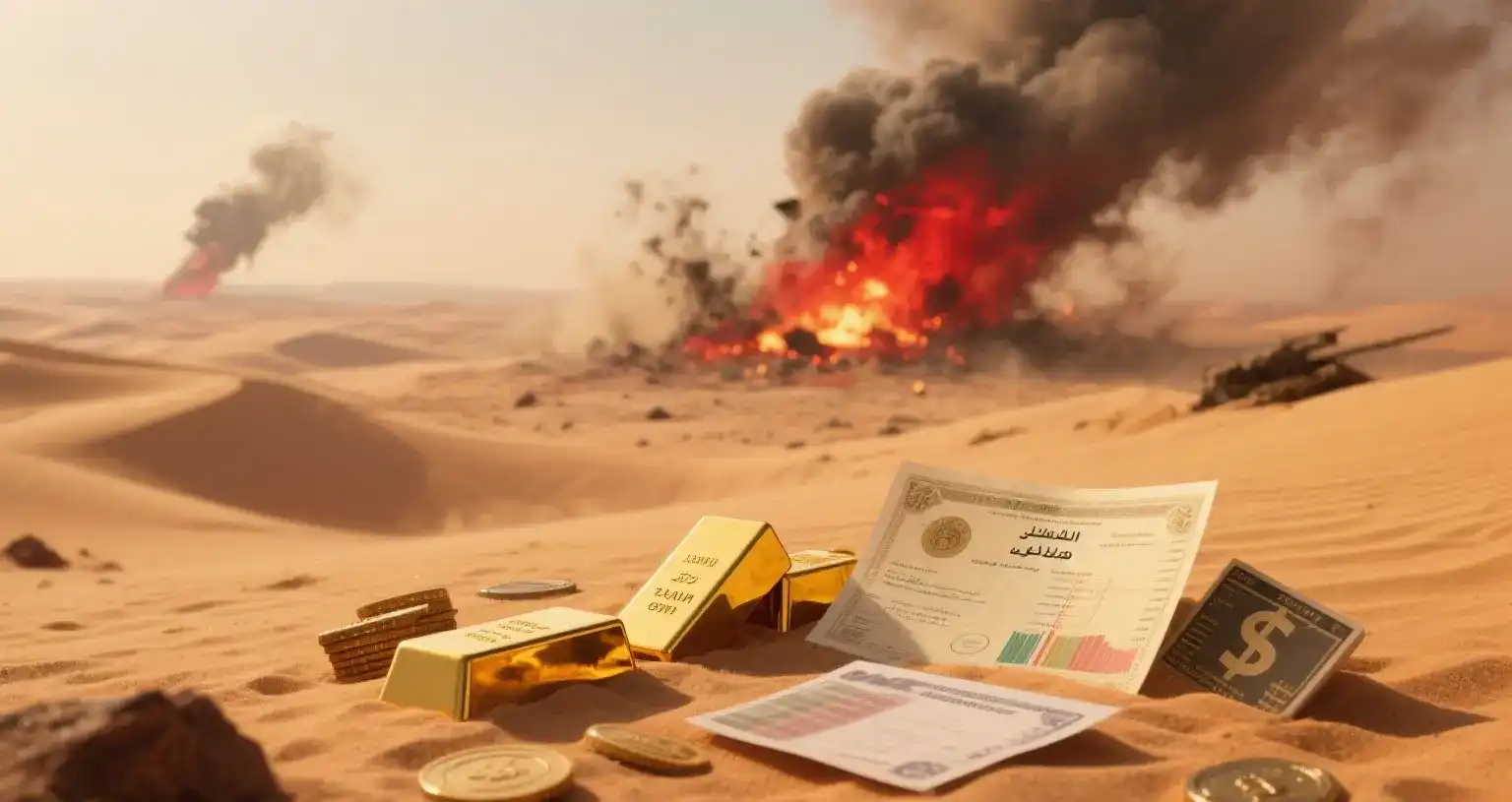
The report analyzes the profound impact of the Iran conflict on the petrodollar system, the cornerstone of dollar hegemony since 1974. It argues that the system, where global oil purchases in dollars lead to surplus recycling into U.S. Treasuries, is under unprecedented strain from three layers of pressure: pre-existing structural cracks, new shocks from the conflict, and the long-term threat of energy transition. Key structural cracks include the U.S. no longer being the primary buyer of Middle Eastern oil due to its shale revolution, Saudi Arabia's push for defense autonomy, the development of alternative payment infrastructure like Project mBridge, and sanctions driving de-dollarization. The conflict itself is damaging U.S. security credibility, shifting control of the Strait of Hormuz, and potentially forcing a shift to yuan-for-oil arrangements. The analysis details five complex mechanisms linking oil prices and U.S. Treasury yields, which can push in opposite directions. Crucially, the old logic is failing: oil producers, damaged by conflict, may become net sellers of U.S. debt to fund reconstruction, just as U.S. fiscal deficits and debt supply surge. While short-term buffers exist, like U.S. energy independence, the long-term trend points towards a world with less dollar dominance. The core conclusion is that a world focused on defense and energy self-sufficiency will inherently hold fewer dollar reserves, signaling a slow but structural decline in the petrodollar system.

marsbit04/13 10:01

Iran's Impact on the Dollar: The Perfect Storm of Petrodollars

marsbit04/13 10:01

TechFlow Intelligence Bureau: Anthropic Mythos Triggers Financial Regulatory Alarms, WLFI Unlocks 27 Billion Tokens with 0 Dividends

TechFlow Intelligence Report: Anthropic's Mythos AI model has triggered urgent meetings between the U.S. Treasury Secretary, Fed Chair, and major bank CEOs due to its ability to autonomously find software vulnerabilities and launch attacks, elevating AI safety to a systemic financial risk. In crypto, Bitcoin surpassed $70k amid significant ETF inflows, while the World Liberty Fi (WLFI) project unlocked 27 billion tokens with a controversial profit model directing 100% of protocol profits to the Trump family, offering stakers only 2% inflationary rewards. Other key developments include Microsoft facing criticism over Copilot's reliability, Google's AI search summaries being caught providing false information, and a major AI supply chain attack affecting projects like Apifox and LiteLLM. A solo Bitcoin miner with minimal computing power defied odds to mine a full block. Regulatory shifts are accelerating with Japan classifying crypto as financial instruments and the SEC frameworks taking shape. In macro, a whale shorted $74M in oil, betting against geopolitical tensions, while Moody's warned of a potential $680B AI investment bubble among tech giants. The overarching theme is the convergence of technology, finance, and geopolitics: AI breakthroughs are now systemic threats, geopolitical events are being priced on-chain in real-time, and supply chain vulnerabilities reveal the fragility of our interconnected digital ecosystem.

marsbit04/10 12:19

TechFlow Intelligence Bureau: Anthropic Mythos Triggers Financial Regulatory Alarms, WLFI Unlocks 27 Billion Tokens with 0 Dividends

marsbit04/10 12:19

From Threat to Ceasefire: How Did the U.S. Lose Its Dominance?

From escalating threats to a sudden ceasefire, the US appears to have lost its dominant position in the confrontation with Iran. The conflict has entered a more complex phase where ceasefire and strategic maneuvering coexist. A key shift lies in the reversal of the diplomatic structure: rather than forcing Iranian concessions through military action, the US has been drawn into a negotiation framework based on Tehran’s "Ten-Point Plan." Although Washington has not formally accepted all terms, its de facto recognition of Iran’s control over the Strait of Hormuz marks a significant strategic retreat. This has allowed Iran to regain diplomatic and economic leverage. The outcome is counterintuitive: the conflict has not weakened Iran but instead restored its deterrence capability. Meanwhile, the failure of US military means has undermined the credibility of American threats, forcing any future negotiations to be based on genuine compromise. However, the ceasefire remains fragile, with localized clashes continuing and Israel’s actions adding further uncertainty. The situation remains on the brink of escalation, highly dependent on external variables. More profoundly, a conflict originally intended to pressure or even topple the Iranian regime may instead consolidate its internal power structure. The US has shifted from a dominant party to a negotiator, while Iran has moved from a pressured state to an active player. The confrontation has thus entered a longer-term and more complicated stage.

marsbit04/09 17:03

From Threat to Ceasefire: How Did the U.S. Lose Its Dominance?

marsbit04/09 17:03

活动图片