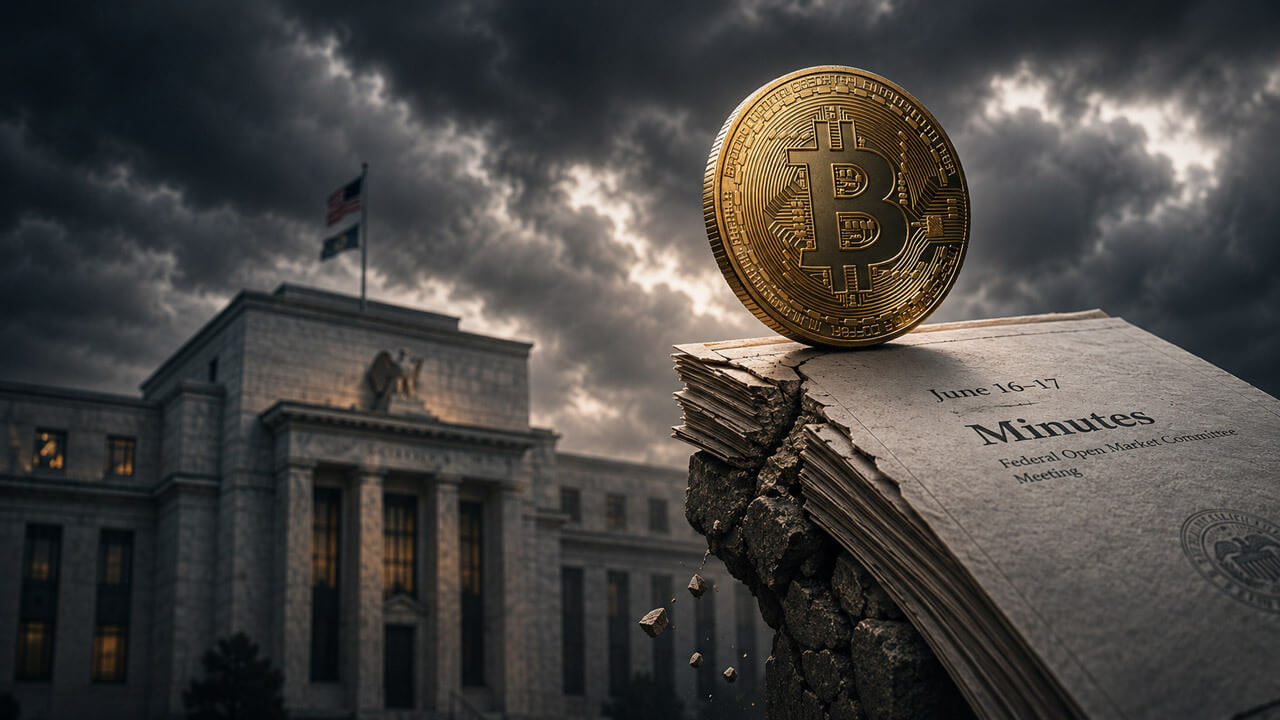
Загадка Гринспена" вновь актуальна: Может ли Войт снизить долгосрочные ставки за счет повышения процентных ставок?
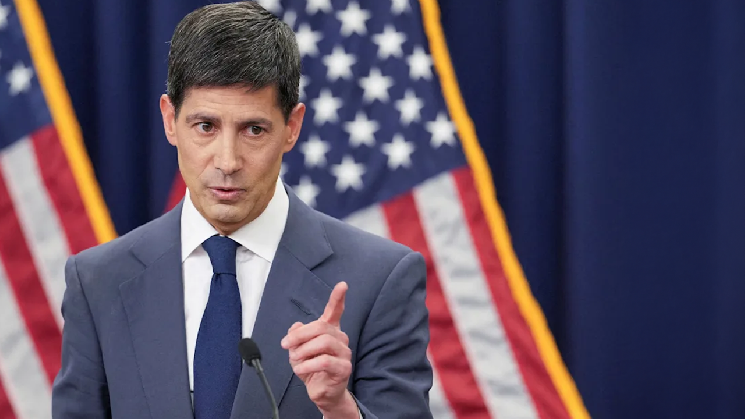
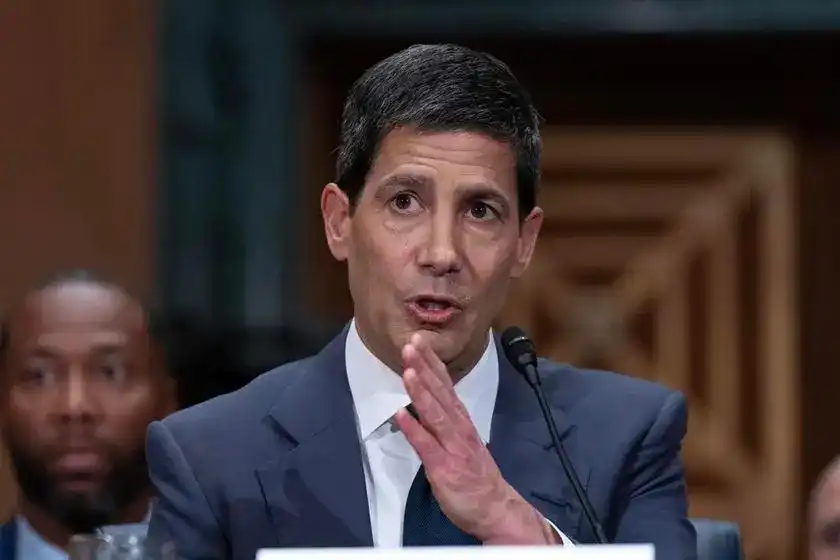
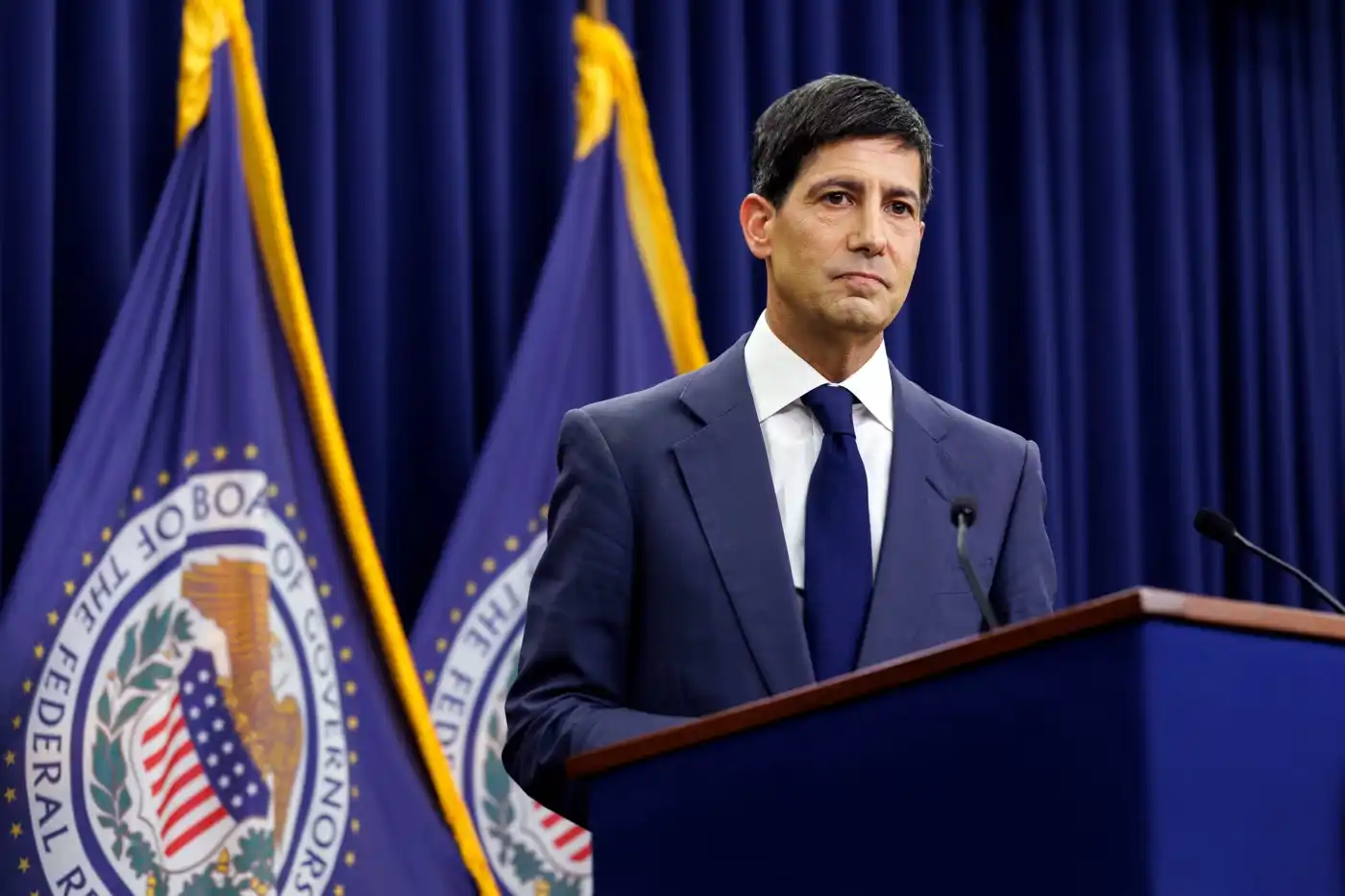
Повторяется «загадка Гринспена»: может ли председатель ФРС США Уолш, повышая ставки, добиться снижения долгосрочных процентных ставок?
Новый председатель Федеральной резервной системы (ФРС) США Уолш столкнулся с исторической дилеммой: повышение краткосрочной ставки может, как ни парадоксально, привести к снижению долгосрочных ставок и, следовательно, к снижению ипотечных ставок, чего так желает администрация Трампа. Этот сценарий не лишен исторических прецедентов: в 2004 году, когда тогдашний глава ФРС Алан Гринспен повышал ставки, долгосрочные доходности по облигациям и ипотечные ставки, вопреки ожиданиям, снижались — феномен, известный как «загадка Гринспена». Аналитики объясняют это тем, что решительные действия центрального банка укрепляют его кредит доверия в борьбе с инфляцией, что, в свою очередь, снижает инфляционные премии, заложенные в долгосрочные ставки.
Министр финансов Бессент и президент Трамп неоднократно подчеркивали свою заинтересованность именно в снижении долгосрочных ставок. С момента вступления в должность в мае Уолш последовательно занимает жесткую, «ястребиную» позицию, стремясь укрепить свой антиинфляционный имидж. Его недавние выступления уже вызвали снижение доходности 10-летних казначейских облигаций, что можно рассматривать как мини-версию «загадки Гринспена».
Исторически многие председатели ФРС (Волкер, Гринспен, Бернанк, Пауэлл) начинали свой срок с ужесточения денежно-кредитной политики, чтобы завоевать доверие рынков. Несмотря на то, что немедленное повышение ставки на предстоящем заседании FOMC не является основным сценарием, а Уолшу для этого потребуется поддержка большинства членов комитета, рынки считают, что сам процесс укрепления его антиинфляционной репутации может стать мощным фактором давления на долгосрочные процентные ставки.
marsbit2 дня назад 16:23