# Сопутствующие статьи по теме BOJ

Новостной центр HTX предлагает последние статьи и углубленный анализ по "BOJ", охватывающие рыночные тренды, новости проектов, развитие технологий и политику регулирования в криптоиндустрии.
Will Japan's Interest Rate Hike Trigger a Global Liquidity Shock?

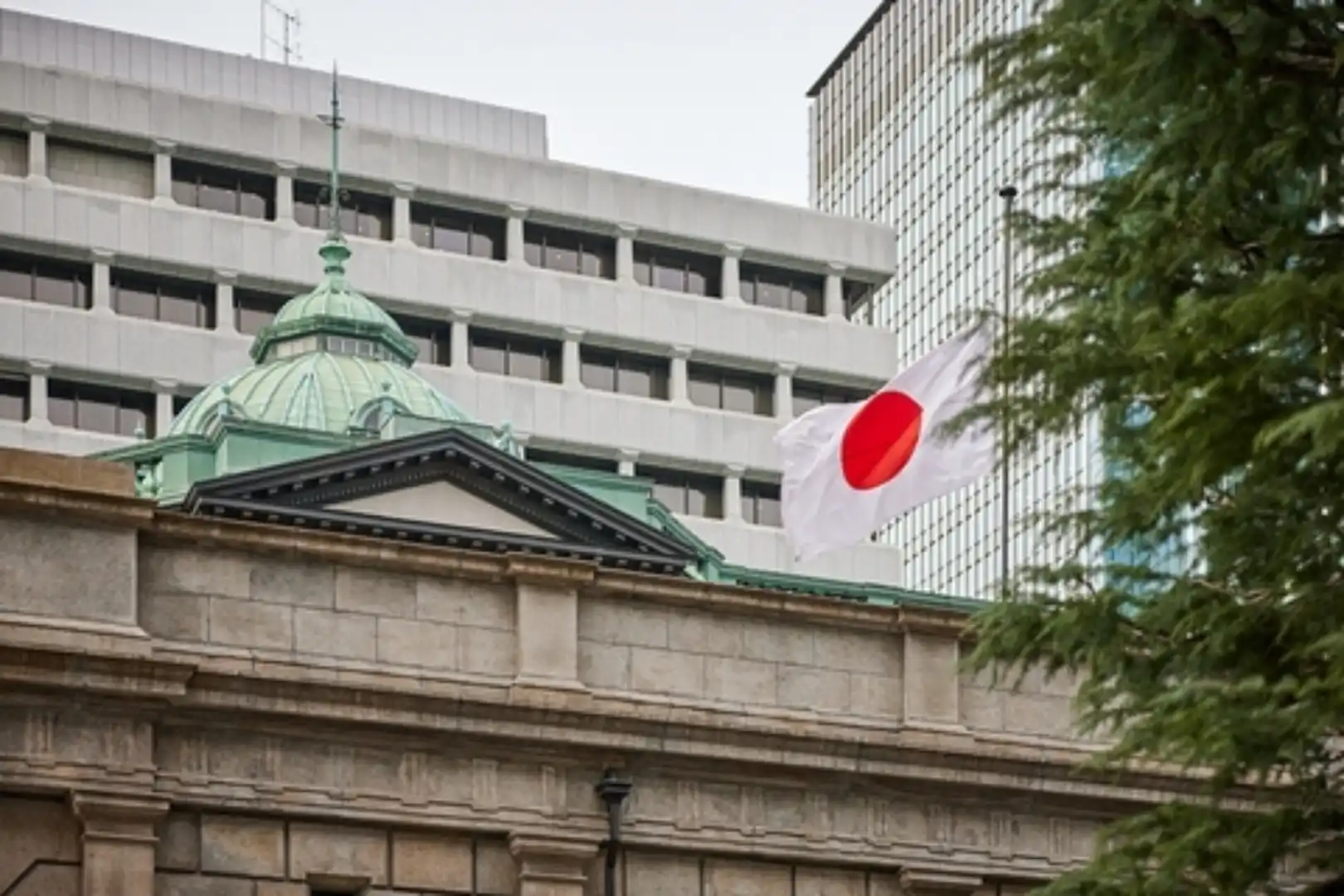
As the Bank of Japan's December 19 monetary policy meeting approaches, market concerns are rising over a potential hawkish interest rate hike. A report by Western Securities on December 16 analyzes whether this move could end the era of cheap yen and trigger a global liquidity crisis. Key drivers for a rate hike include Japan’s sustained inflation above the 2% target, low unemployment supporting wage growth, and expansionary fiscal policy. These factors may push the BOJ toward tightening, raising fears of unwinding large-scale carry trades and causing global financial stress. However, the report suggests the most dangerous phase of liquidity shock may have already passed. Previous rate hikes in July and January had diminishing market impact, speculative short positions in yen have largely been closed, and the macro environment—including a resilient U.S. economy and Fed easing—reduces urgency for rapid unwinding. The Fed’s expanded balance sheet also acts as a buffer. Despite theoretical stability, global markets remain fragile after a six-year bull run, with elevated valuations and AI-related泡沫 concerns. A BOJ hike could act as a catalyst for a liquidity shock, though any sharp sell-off may prompt stronger Fed easing, leading to a quick recovery. Investors are advised to monitor the situation closely. If U.S. markets experience repeated “stock-bond-currency triple sell-offs,” it may signal a liquidity crisis. Over the medium term, global monetary easing is expected to continue, supporting gold and China assets—especially AH shares—on yuan appreciation and capital inflows. U.S. stocks and bonds may face volatility.

marsbit12/18 06:11

Will Japan's Interest Rate Hike Trigger a Global Liquidity Shock?

marsbit12/18 06:11

On the Eve of the Bank of Japan's Interest Rate Hike, Why Did Bitcoin Fall First?

On December 15, Bitcoin fell over 5% to $85,616, while gold remained nearly unchanged. The drop was not due to crypto-specific news but was instead linked to expectations around the Bank of Japan’s (BOJ) upcoming interest rate decision. The BOJ was widely expected to raise rates from 0.5% to 0.75% on December 19—its highest rate in 30 years. This triggered a unwind of the "yen carry trade," a strategy where investors borrow cheap yen to invest in higher-yielding assets like U.S. stocks, bonds, and cryptocurrencies. Higher Japanese interest rates reduce the profitability of this trade, forcing global funds to sell assets—including Bitcoin—to repay yen-denominated loans. Bitcoin, being highly liquid and volatile, is often among the first to be sold. Historically, BOJ rate hikes have correlated with significant Bitcoin declines. For example, after the July 2024 hike, BTC fell 23% in a week. This reaction underscores Bitcoin’s shifting identity: once considered "digital gold," it now behaves more like a high-risk asset correlated with tech stocks. Since the approval of U.S. spot Bitcoin ETFs in early 2024, institutional investors have treated Bitcoin as part of a broader risk-asset portfolio, selling it alongside stocks during market stress. While the BOJ’s decision was largely anticipated, its wording could influence market volatility. If the bank signals further tightening, additional selling pressure may follow. However, some analysts believe the impact may be milder this time due to shifted market positioning and broader global liquidity conditions. In summary, Bitcoin’s decline ahead of the BOJ meeting reflects its increased sensitivity to global macro liquidity shifts. As institutional adoption grows, Bitcoin has become more integrated into traditional finance—gaining legitimacy but losing its earlier immunity to external monetary events.

marsbit12/17 07:20

On the Eve of the Bank of Japan's Interest Rate Hike, Why Did Bitcoin Fall First?

marsbit12/17 07:20

On the Eve of the Bank of Japan's Interest Rate Hike, Why Did Bitcoin Fall First?

On December 15, Bitcoin fell over 5% to $85,616, while gold remained almost unchanged. The drop was not driven by crypto-specific news but by expectations of the Bank of Japan (BOJ) raising interest rates on December 19—its highest rate in 30 years. The decline is linked to the unwinding of the "yen carry trade," where investors borrowed cheap yen to invest in higher-yielding assets like Bitcoin. BOJ rate hikes increase borrowing costs and strengthen the yen, forcing global funds to sell assets—including Bitcoin—to repay loans. Historically, Bitcoin has seen significant sell-offs following BOJ tightening moves, as it is often liquidated first due to its high liquidity and volatility. Bitcoin’s correlation with risk assets like the Nasdaq has risen sharply since the approval of U.S. spot Bitcoin ETFs, integrating it into traditional risk management frameworks. This has diminished its role as "digital gold" or a safe-haven asset, instead positioning it as a high-beta risk asset sensitive to global macro liquidity. While markets have largely priced in the expected rate hike, the BOJ’s forward guidance could determine the severity of further impacts. If the BOJ signals ongoing tightening, Bitcoin may face continued pressure. However, some analysts suggest the sell-off could be less severe than in previous instances due to shifted market positioning and broader Federal Reserve easing. In the ETF era, Bitcoin’s price is increasingly influenced by global macroeconomic events—making it more exposed to decisions made in Tokyo or Washington than to crypto-native factors.

深潮12/17 06:27

On the Eve of the Bank of Japan's Interest Rate Hike, Why Did Bitcoin Fall First?

深潮12/17 06:27

Weekly Outlook: Macro 'Data Deluge' Week: Delayed CPI and the Bank of Japan's 'Rate Hike Pursuit'

This week marks a critical period for global markets as a flood of delayed macroeconomic data and major central bank decisions converge, breaking months of uncertainty. The key events include the US Labor Department's release of two months of non-farm payroll data (October and November) on Tuesday, which is expected to show contradictory signals—a decline in October jobs followed by a rebound in November. This data may reveal structural weaknesses in the labor market, potentially triggering "recession trading" and risk-off sentiment. On Thursday, the delayed US November CPI report will be released. A higher-than-expected reading could signal premature Fed rate cuts and strengthen the US dollar, negatively impacting risk assets like Bitcoin. Conversely, softer inflation would support the case for further rate cuts. The Bank of Japan's meeting on Friday is another major event, with a 98% market probability priced in for a 25-basis-point rate hike. This divergence from global monetary policy could disrupt yen carry trade, potentially causing leveraged capital to exit crypto markets and testing Bitcoin's support near $88,000. Amid the macro turmoil, crypto institutions are pushing forward strategically. Coinbase plans to launch prediction markets and tokenized stocks on Wednesday, aiming to integrate traditional equity liquidity into crypto. Also on Wednesday, HashKey Group is listing on the Hong Kong Stock Exchange, seeking to raise up to HK$1.67 billion and boost confidence in Asian Web3 markets. Additional factors include US regulatory discussions and delays in South Korea’s stablecoin regulations, which may dampen retail investor participation. In summary, macro events will test market stability, while institutional developments could define crypto’s next growth phase. Traders are advised to monitor the DXY and USD/JPY closely and adopt a defensive stance ahead of Friday’s BoJ decision.

marsbit12/15 03:18

Weekly Outlook: Macro 'Data Deluge' Week: Delayed CPI and the Bank of Japan's 'Rate Hike Pursuit'

marsbit12/15 03:18

活动图片