Тенденции на фондовом рынке США (18 августа): Перспективы американо-иранского соглашения тускнеют, три основных индекса падают второй день подряд, акции чип-производителей растут против рынка
**Обзор рынка акций США (18 августа): перспективы соглашения между США и Ираном тускнеют, три основных индекса падают второй день подряд, чипы демонстрируют рост.**
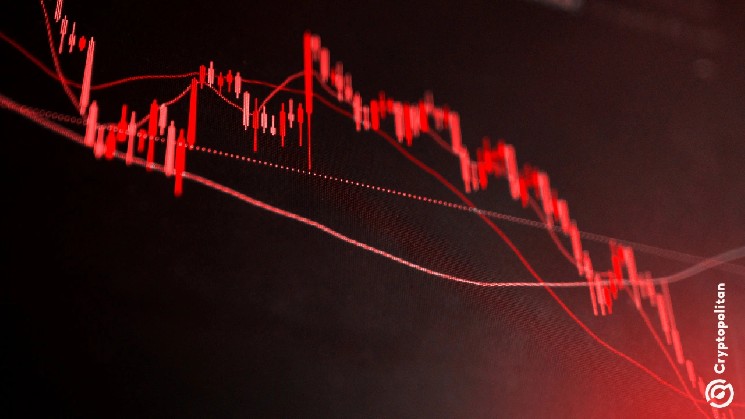
Основные индексы США завершили вторую торговую сессию подряд в минусе на фоне ухудшения перспектив долгосрочного соглашения с Ираном после истечения срока действия меморандума о взаимопонимании. Индекс S&P 500 упал на 0,52%, Dow Jones — на 0,51%, а Nasdaq — на 0,32%. Волатильность (VIX) выросла.
Однако акции полупроводниковых компаний показали уверенный рост на фоне четкого спроса на чипы для ИИ, игнорируя общее негативное настроение. Индекс Philadelphia Semiconductor вырос на 1,6%, вернувшись в бычий тренд. Особенно сильно выросли акции производителей чипов памяти (Western Digital, Micron) и компаний в сфере оптической связи (Coherent, Lumentum). В то же время «великолепная семерка» технологических гигантов, включая Meta, закрылась в красной зоне, чему способствовал рост доходности казначейских облигаций.
Геополитические риски на Ближнем Востоке подтолкнули цены на нефть: Brent впервые за три недели закрылся выше отметки $90 за баррель. Продолжился рост доходности гособлигаций США: доходность 30-летних бумаг достигла максимума с 2007 года из-за давления со стороны предложения. Доллар ослаб, а золото выросло до двухмесячного максимума, поддерживаемое спросом на безопасные активы. Ключевой темой дня стало расхождение в движении: геополитика подталкивает вверх нефть и защитные активы, в то время как инвестиции продолжают концентрироваться в сегментах аппаратного обеспечения ИИ.
marsbit08/18 01:46