Оригинальный заголовок: What's That Smell in San Francisco?
Автор оригинала: Spencer Yen
Перевод: Peggy, BlockBeats
Примечание редактора: Сан-Франциско снова становится точкой пересечения технологической революции и финансового пузыря. Компании ИИ, исследовательские лаборатории, венчурный капитал, наружная реклама и сети слухов вместе создают крайне возбужденную городскую атмосферу: одних подгоняют вперед оценка стоимости и пакеты акций, другие погружены в апокалиптические фантазии об ИИР (Искусственном Общем Интеллекте), а третьи видят в юных гениях математических олимпиад входной билет к следующему раунду сверхдоходов.
Автор начинает с цитаты «Я чувствую запах денег» из фильма «Игра на понижение» и описывает свои наблюдения после переезда из Нью-Йорка в Сан-Франциско: технологическая плотность, создание богатства и информационная асимметрия в этом городе реальны, но столь же реальны тревога, зависть и Большое Пузырное Поведение (Big Bubble Behavior). Когда ИИ становится единственной игрой статуса в Сан-Франциско, инновации, спекуляции, вера и страх начинают смешиваться, создавая самый наглядный образец нынешней волны ажиотажа вокруг ИИ.
Интерес этой статьи не в поспешной попытке предсказать, когда лопнет пузырь, а в том, чтобы показать, как он возникает: как люди говорят, сравнивают, инвестируют, тревожатся и ищут свое место в нарративе «будущее уже наступает». Музыка все еще играет, вечеринка еще не закончилась, но в конце автор напоминает себе и всем, кто оказался внутри этого явления: можно танцевать, но не напивайтесь.
Текст статьи:
Одна из моих любимых сцен в кино — эпизод с башней Дженга в фильме «Игра на понижение»: персонаж Райана Гослинга предлагает команде хедж-фонда Стива Карелла сделку по короткой продаже американского рынка жилья.
В той конференц-зале он излучает настолько самоуверенную и раздражающую харизму, что хочется дать ему по лицу. Рядом с ним три атрибута: его помощник Крис, его квант (количественный аналитик) Цзян и башня из блоков Дженга с напечатанными на них рейтингами ипотечных облигаций. Вступление тоже блестящее: Чувствуете запах? Что это за запах? Какой-то запах? Духи? Нет. Возможность? Нет. Это деньги. Я чувствую запах денег.

https://www.youtube.com/watch?v=YgF98vyn2fY
Несколько месяцев назад я переехал из Нью-Йорка в Сан-Франциско, присоединившись к стартапу друга. Перед переездом все говорили мне: «Ты должен поехать в Сан-Франциско», уверяя, что именно там все и происходит. Так что все это время я сталкиваюсь с вопросом: Сан-Франциско действительно так важен? Правда ли я что-то упускал, оставаясь в Нью-Йорке?
На данный момент мой ответ такой: если вы хотите находиться в эпицентре этой огромной технологической революции и пузыря, то это действительно то самое место. Плотность [технологических компаний и событий] здесь реальна, сети слухов реальны, и, следовательно, информационная асимметрия тоже реальна.
За это время в Сан-Франциско я накопил некоторые наблюдения и мысли. Вот что я «почувствовал» в Сан-Франциско:
1. Люди дрожат
2. Здесь есть только одна игра статуса
3. Город, который постоянно кричит «Волки!»
4. Одержимость математическими гениями
Меня поражает, насколько разным может быть опыт человека в одном городе — пройдясь по некоторым улицам, ты, к несчастью, чувствуешь себя так, будто попал в ад; свернешь на другую — и перед тобой залив, вдалеке кипарисы и красивые пейзажи. Самый технологичный, самый футуристичный момент здесь, наверное, когда наблюдаешь, как по городским улицам слоняются различные беспилотные автомобили. Я каждый раз не могу сдержать улыбки, когда вижу эти новые, дружелюбные бледно-голубые машинки Waymo. Или же у тебя возникает ощущение, что за тобой следит этот ИИ-представитель по развитию бизнеса (AI BDR) по имени Ава. Я ненавижу эту рекламу. Но, надо признать, их «приманка на гнев» сработала, раз я до сих пор о ней говорю. Каждое утро, выходя из квартиры, я вижу это чудовище:
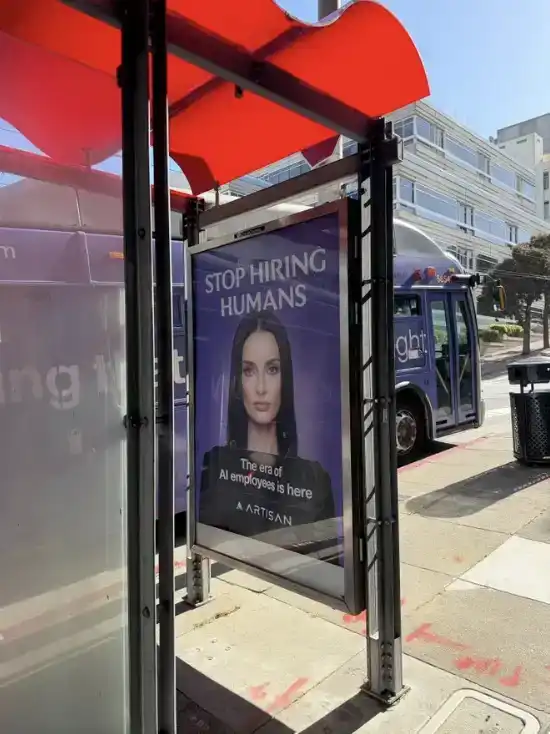
Почему все идут разрисовывать friend.com, а не эту дурацкую рекламу? И, кстати, если ты живешь неподалеку, можем вместе сходить за мороженым!
Люди в Сан-Франциско дрожат
Несколько недель назад я тусовался с другом Джаредом (@imjaredz). Он живет в Нью-Йорке, но недавно присоединился к Cognition. Мы пообедали и выпили кофе в офисе Cognition. Атмосфера хорошая, кофе отличный, крыша тоже классная. Я спросил его, как он ощущает вибрации Сан-Франциско.
«Ты заметил, что люди в Сан-Франциско дрожат?» Я рассмеялся, подумав: что? Дрожат? И тут я понял, что утром выпил холодный брю и потребил 300 мг кофеина, и сейчас меня тоже слегка потряхивает. «Да, в самом буквальном смысле. Я не против того, чтобы все выставляли свою СДВГ-натуру напоказ, но в следующий раз, когда будешь на кофе-чате, обрати внимание — посмотри, не дрожат ли они».
Пузыри и периоды бума порождают беспокойную энергию, ощущение, что если «не сделаешь это» сейчас, то второго шанса уже не будет. Я тоже не исключение — после напоминания Джареда я заметил, что иногда, кажется, и сам дрожу. Этот мем про «усердно пахать, чтобы вырваться из вечной серости» уже избит, но каждый мем становится популярным, потому что в какой-то мере улавливает дух времени. Если ночная жизнь — это пульс города и термометр, определяющий его культуру, то что говорит тот факт, что круглосуточное кафе «стартапа для собак» стало фактически святилищем ночных трудоголиков?
Дрожь — часть процесса технологической революции и финансового пузыря. Далее я в этом письме использовал ИИ, и если из-за этого вы захотите меня убить, я заранее приношу извинения. Но я тогда гуглил Карлоту Перес, пытаясь вспомнить некоторые цитаты, и мне понравилось, как Gemini резюмировал «Фазу неистовства» (Frenzy Phase):
Фаза неистовства: пик периода внедрения, когда рыночная психология отказывается от фундаментальных показателей. Финансовые участники перестают гнаться за дивидендами и начинают ориентироваться на прирост капитала, что приводит к отрыву «бумажной экономики» от «реальной экономики».
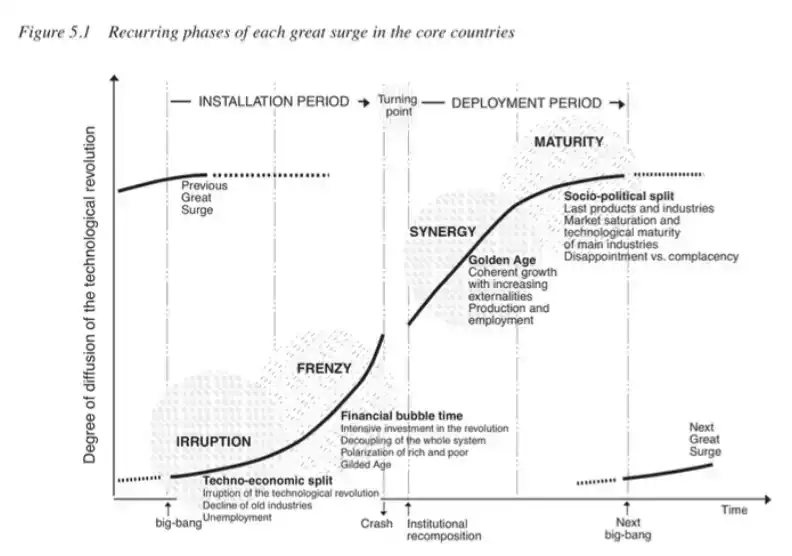
Источник: https://stratechery.com/2021/the-death-and-birth-of-technological-revolutions/
Один мой друг придумал термин «Большое Пузырное Поведение» (Big Bubble Behavior). Это очень удачное выражение, и я последние две недели использую его, чтобы отмечать все, что соответствует признакам фазы неистовства. Рыночное возбуждение иногда заставляет людей действовать нерационально. Дрожь — это Большое Пузырное Поведение. За свою жизнь я дважды видел подносы с лобстеровыми хвостами: первый раз — на крипто-вечеринке в особняке на одном из Венецианских островов в Майами в 2021 году, второй раз — на ClawCon в 2026-м.
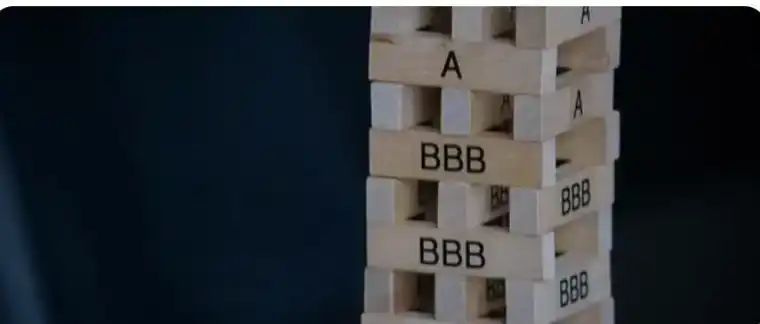
Большое Пузырное Поведение

В Сан-Франциско есть только одна игра статуса
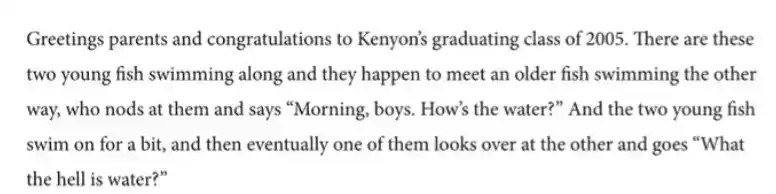
Дэвид Фостер Уоллес, «Вот это вода» (This is Water): https://fs.blog/david-foster-wallace-this-is-water/
В Сан-Франциско эта вода — ИИ. Наружная реклама повсюду — рекламные щиты, автобусы, остановки, велопрокат, даже небо кажется ею захваченным.
Моя проблема с Сан-Франциско в том, что здесь доминирует только одна игра статуса — технологии. Идешь на ужин или просто гуляешь в парке — слышишь одни и те же слова. Ты видишь все эти приемы «альфа-фарминга» (добычи информационного преимущества), потому что сети слухов действительно существуют. И я даже не могу злиться, потому что сам такой же. Не ненадь игрока, ненадь игру.
Проблема в том, что когда в городе доминирует только одна игра статуса, слишком легко начать сравнивать себя с другими.
Мы все чаще измеряем и сравниваем друг друга тщеславными метриками вроде того, сколько денег привлекли, или на каком раунде по алфавиту находится ваша компания. Я бы очень хотел, чтобы кто-нибудь привлек финансирование раунда Series Z, потому что это напрямую докажет, до какой степени абсурда дошли частные рынки. Ты слышишь разные сплетни: какой горячий стартап преследуют финансовые игроки, и до какого раскаленного уровня дошла его оценка. И тогда ты невольно начинаешь делать эти тошнотворные, в стиле Blind, обратные математические расчеты: сколько же сейчас стоят опционы того или иного человека.
Я сказал одному другу, что если посмотришь на Blind на эти обратные расчеты зарплат и оптимизацию офферов, будет так неловко, что пальцы на ногах скрючатся. Blind — это анонимная соцсеть для сотрудников крупных компаний, их самый известный мем, наверное: «У меня жизненный кризис, жена, возможно, уходит от меня, но как думаете, мне стоит принять оффер Meta на L6 или Google на L9? TC: $969k». Так почему же мы сейчас занимаемся здесь тем же самым? Выйди, пощупай траву. Или это просто мой способ успокоить себя.
В Нью-Йорке одновременно существует как минимум 7 игр статуса. Финансы, крупные юридические фирмы, музыка, мода, круг знаменитостей, семейные офисы старого денег, журналистика, спорт, развлечения. Поскольку круг интересов очень широк, некоторые игры настолько далеки, что почти недостижимы, и это, наоборот, делает их интересными для обсуждения и изучения. Это рассеивает внимание всех честолюбцев.
Мне нравится спрашивать у друзей из юридической сферы, какие элитные фирмы самые престижные, и понимать тонкие различия между ними. Мне нравится изучать мир моды и роскоши и то, что нужно, чтобы выжить в этой индустрии. Мне нравится узнавать о комфортной жизни квантовой элиты и об их условиях garden leave (оплачиваемый период запрета на конкуренцию после увольнения).
Сан-Франциско создает беспрецедентное богатство, что порождает странную энергию. Друг, занимающийся исследованиями, упомянул, что люди вокруг них уже изучают покупку земли и диверсификацию активов в редкие ресурсы. Здесь есть ощущение: либо ты среди тех, у кого есть доли в лабораториях, либо нет. Есть и шутка, что жители Сан-Франциско не знают, как тратить деньги; эта странная энергия исходит от того, что создается огромное новое богатство, но люди не знают, что с ним делать. Первый раз разбогатели? Пусть богатые дети со стажем научат тебя, как наслаждаться жизнью.
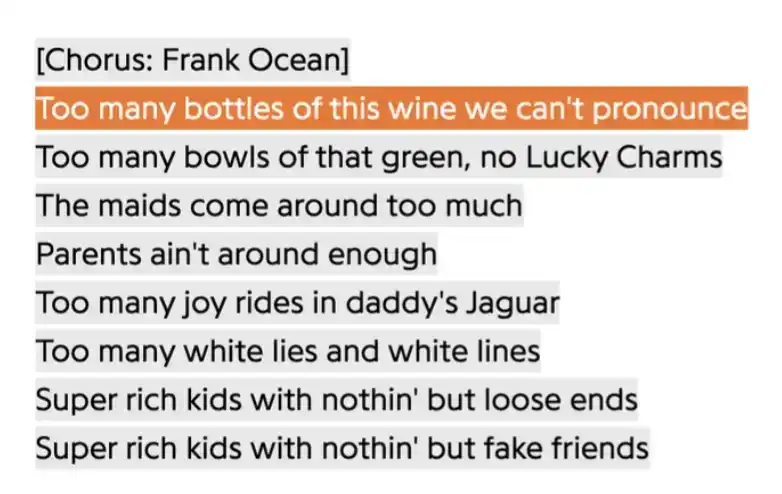
«Super Rich Kids» — Frank Ocean: https://www.youtube.com/watch?v=0XCQNpjWmRE
Город, который постоянно кричит «Волки!»
Моим первым впечатлением от Сан-Франциско было ощущение апокалиптических настроений. Возможно, исследователи в лабораториях действительно видят некое «Второе пришествие», и если это так, то их призывы к замедлению и акцент на безопасности, конечно, оправданы. Но я не могу этого знать наверняка. Единственное, что я знаю, — это как апокалиптизм влияет на меня лично — не очень хорошо!
У меня уже было несколько нигилистических разговоров, атмосфера примерно такая: «Если Mythos может разом все это уничтожить или все обрушить, то что мы вообще делаем здесь, создавая софт?» Или: «ИИ разрушит нашу жизнь?» А также: «ИИ вызовет огромное неравенство и принесет много страданий обществу».
Мое краткое мнение таково: люди всегда найдут, чем заняться, работа перейдет на более высокий уровень абстракции, новые вещи обретут ценность.
Мы очень плохо предсказываем, каким будет будущее общество. Думаю, те антикапиталисты, которых я читал в университете, злились не на то — представьте их реакцию, если бы они увидели, что люди могут получать удовольствие от мусорных видео с фруктами, сгенерированных ИИ, или от «Tung Tung Tung Sahur» в итальянском мозговом сыре.
«Проблема не в том, что ИИ делает контент тупым, [шмыг носом], а в том, что мы наслаждаемся этой тупостью как неким священным мусором, цифровым фетиш-объектом, [шмыг носом], не так ли?»
От моего друга Самира. Его резюме: не исследователь, но у него есть «рыба-братан».
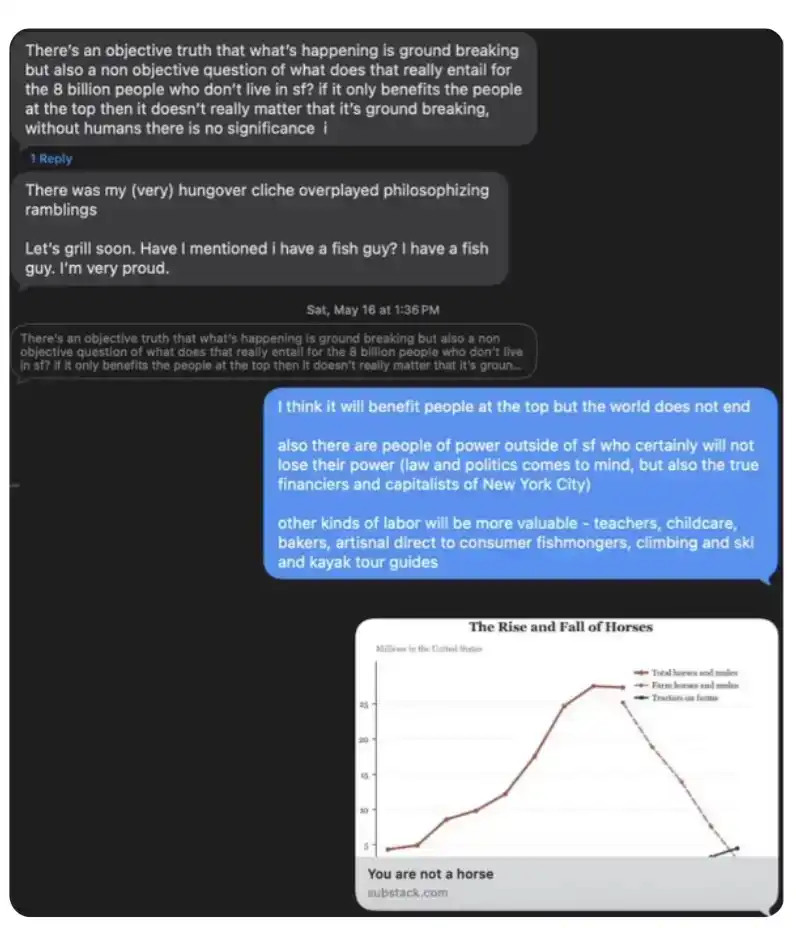
У кого-нибудь еще есть свой «такой-то братан»? Расскажите.
Друг, работающий в лаборатории, отметил, что команды GTM (выход на рынок, продажи, рост) и исследовательские команды в одной и той же компании сейчас живут совершенно разным опытом. Этот апокалиптизм уравновешивается чем-то другим: «Приходи потусоваться с командой GTM, выпей пива, пощупай траву». Пессимизм создателей моделей и оптимизм тех, кто ближе всех к внедрению технологий, — здесь действительно есть над чем подумать. Пора развернуться на передовой (Forward Deployed)!
Реальность обладает удивительным количеством деталей: https://johnsalvatier.org/blog/2017/reality-has-a-surprising-amount-of-detail
Шесть лет назад, когда я еще учился в университете, я писал о том, как ИИ меняет социальные структуры, под заголовком «Поланьи и Вторая Великая Трансформация» (не нужен детектор Pangram AI, Medium до 2023 года был как органическое пастбище для человеческого письма).
Объясню эту ссылку: Карл Поланьи — австро-венгерский экономист и социолог, наиболее известный своей работой «Великая трансформация». Книга написана в 1944 году и критикует становление современного рыночного капитализма в Англии XIX века. Так что «Первая великая трансформация» — это переход к капитализму, а я в свои 21 год, воображая себя умным, назвал ИИ «Второй» великой трансформацией... Ну вы поняли.
Самая известная концепция Поланьи — «Двойное движение» (The Double Movement), описывающая исторический феномен толчка и противодействия: с одной стороны, постоянная экспансия свободного рынка; с другой — ответная реакция общества, пытающегося защитить себя с помощью регулирования. Первое движение — попытка капиталистической элиты расширить свободный рынок и товаризировать общество; сегодня это товаризация интеллекта. Второе, ответное движение — реакция людей на разрушительное воздействие рынка и попытка защитить общество; сегодня это разговоры против ИИ, против дата-центров.
Вот как я наивно писал об этом в 21 год:
Поланьи объясняет, что развитие машин для производства привело к «фиктивной товаризации» труда (человека) и земли (природы). Хотя Четвертая промышленная революция уже произошла в рамках рыночной системы, появление механического разума несет иную угрозу: захват рабочих мест. По мере того как компьютеры смогут выполнять все больше «человеческих» когнитивных задач с большей эффективностью, многие обычные люди могут потерять работу.
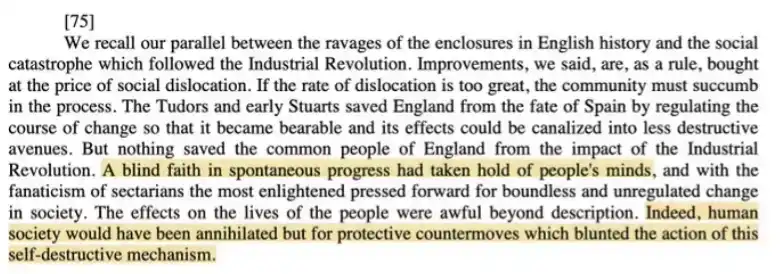
Поланьи пишет: «Ничто не могло спасти простых людей Англии от удара промышленной революции. Слепая вера в спонтанный прогресс завладела умами...»
https://medium.com/@spenceryen/polanyi-and-the-second-great-transformation-6d6364b5d3c6
Так что, если подумать, может, и правы те, кто постоянно кричит «Волки!». Слепая вера в спонтанный прогресс может и не привести к хорошему результату. Критика Поланьи рыночного капитализма заключается в том, что на протяжении большей части человеческой истории экономическая деятельность была подчинена социальным, культурным и религиозным институтам. Но позже рыночный капитализм перевернул это отношение, подчинив общество экономике.
Как нам гарантировать, что общество не окажется в подчинении у государства, состоящего из гениев в дата-центрах? Как точно отметил Бен Томпсон в своей статье об Anthropic и Mythos, прикол истории «Волки!» в том, что в конце волк действительно приходит.
Но что думает внутренний капиталист во мне? Тогда инвестируйте в социальные, культурные и религиозные институты! Если у вас есть хорошие идеи для сделок, присылайте мне ваши проспекты в личку.
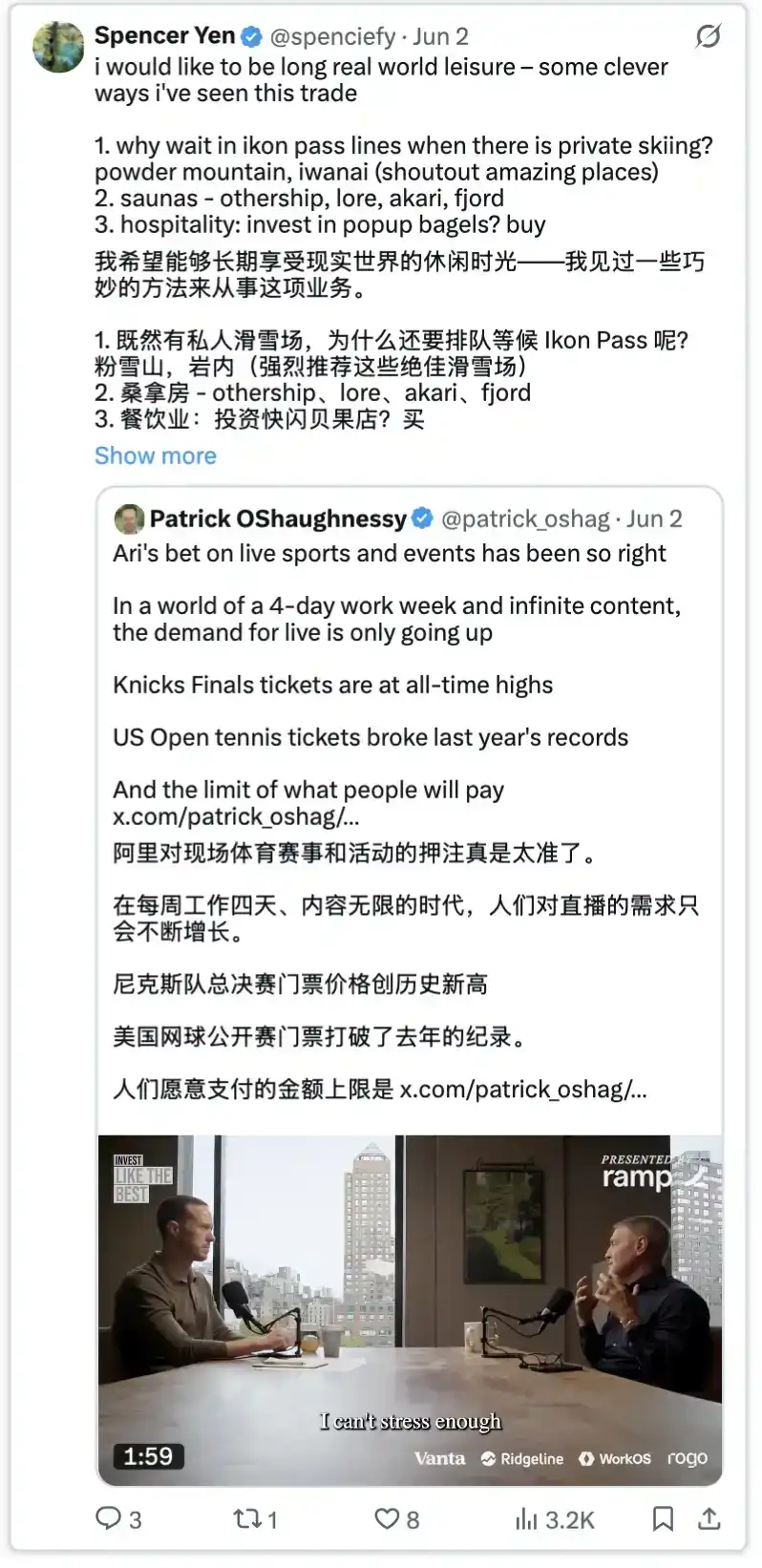
Одержимость математическими гениями
В той сцене с Дженга из «Игры на понижение» мой другой любимый момент — когда Райан Гослинг, указывая на китайца рядом с ним, говорит: «Это мой квант (количественный аналитик)». Эта атмосфера жутко перекликается с последней волной горячих основателей, за которыми гонятся инвесторы — они часто оказываются вундеркиндами, которые с детства блистали на математических олимпиадах.
Снова Райан Гослинг, отвечая на сомнения Стива Карелла:
«Вы хотите сказать, что если уровень дефолтов по этим облигациям достигнет 8%, они рухнут, а сейчас он уже 4%? Если они поднимутся до 8%, это будет конец света?» «Да, именно так.» «Почему об этом никто не говорит? Вы абсолютно уверены в этой математической модели?» «Взгляните на него. Это мой квант.» «Ваш кто?» «Мой кван-ти-та-тив, мой математический эксперт. Взгляните на него. Вы не заметили, что он отличается? Взгляните на его лицо.» «Это довольно расистски.» «Взгляните на его глаза. Подскажу, его зовут Ян! Он выиграл национальную математическую олимпиаду в Китае, он даже по-английски не говорит! Так что да, я абсолютно уверен в этой математической модели.»

В глазах некоторых инвесторов, ключевой прогностический показатель того, насколько успешен будет фонд с точки зрения DPI (Distributed to Paid-In Capital, распределенная к вложенной сумме капитала, часто используемая для оценки фактической отдачи фонда), по-видимому, связан с детством основателя — либо он в детстве был гением математических олимпиад, либо у него была какая-то детская травма. Я вырос в районе залива Сан-Франциско, и мое представление о собственных математических способностях было жестоко разрушено еще в юности, потому что мои талантливые одноклассники вращались в кругах математических олимпиад. Сейчас они в основном стали квантовыми трейдерами или исследователями в лабораториях больших моделей.
Я очень отчетливо помню один момент из седьмого класса: мы с отцом переключали спортивные каналы по телевизору дома, и вдруг я увидел своего одноклассника по средней школе на ESPN2... Он участвовал в математическом конкурсе Mathcounts. В тот момент я понял, что моя игра на этом поле окончена. Я часто шучу, что когда в девятом классе я начал играть в эту игру «усердной подготовки к поступлению в университет», я понял, что не могу конкурировать с теми детьми из Intel STS, RSI, AIME, USACO, поэтому мне пришлось найти свою собственную игру.
Я очень восхищаюсь многими из этих выдающихся CEO, основателей и исследователей, и я лично сделал финансовую ставку на одного из них. Но меня забавляет, что вокруг «выращивания самых умных детей-олимпиадников и восприятия их как билета к сверхдоходам» уже сформировался целый класс активов и инвесторский нарратив. Если подумать, это мало чем отличается от скаутов, ищущих следующего Вемби (Венбаньяму). Однако я также верю в историю Джелена Брансона — упорный труд, настойчивость и характер тоже могут победить.
Hyperliquid.
Ликуйте, словно в 1999-м

https://x.com/elonmusk/status/1656326406618619910
Один очень мудрый инвестор однажды дал мне два совета:
Первый: за свою жизнь ты переживешь три пузыря.
Когда переживаешь первый пузырь, ты полностью погружаешься в эйфорию. У тебя нет опыта, ты идешь на вечеринку, тебя затягивает в водоворот ажиотажа.
Переживая второй пузырь, ты помнишь, что происходило в первый раз, поэтому можешь выйти с некоторой прибылью, но все равно немного втянешься.
Третий пузырь — это твой шанс создать богатство для нескольких поколений — к этому времени ты набрался достаточно опыта из первых двух, чтобы знать, как управлять рисками, эмоциями и временем выхода.
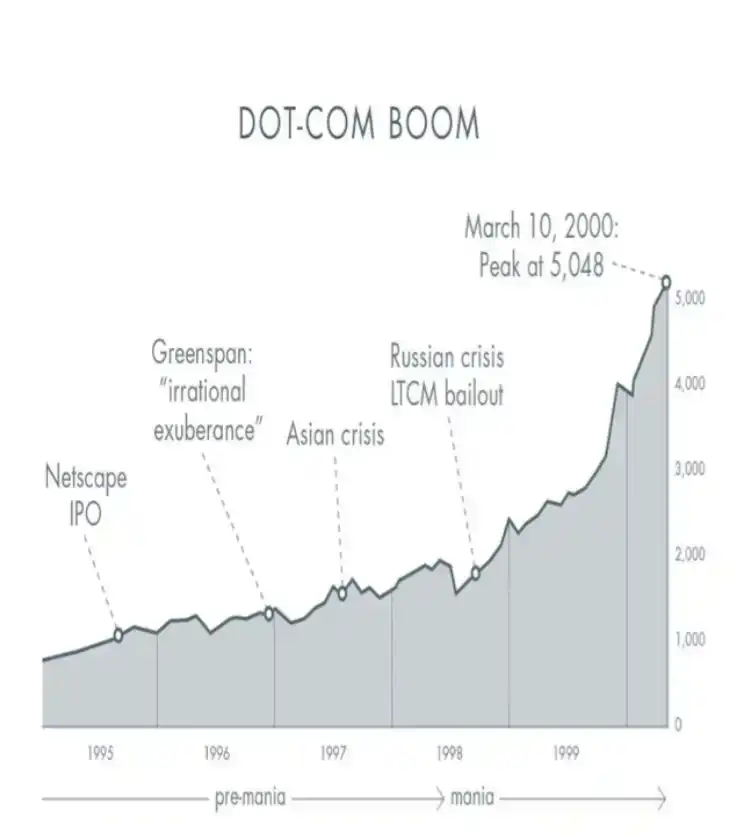
Второй совет: когда играет музыка, танцуй, но не напивайся.
Сейчас музыка играет уже оглушительно громко, возможно, даже на пределе возможностей колонок. Но где-то уже создаются запасные колонки побольше, и эта вечеринка явно еще не закончилась.
Это напоминание мне самому и всем, кому это нужно услышать: не забывай щупать траву, готовь сам, не позволяй Большому Пузырному Поведению искажать твое суждение. Сошлюсь на мудрые слова моего друга Самира: нам нужно как можно скорее собраться на шашлыки. Вы знаете кого-нибудь, кто продает рыбу?
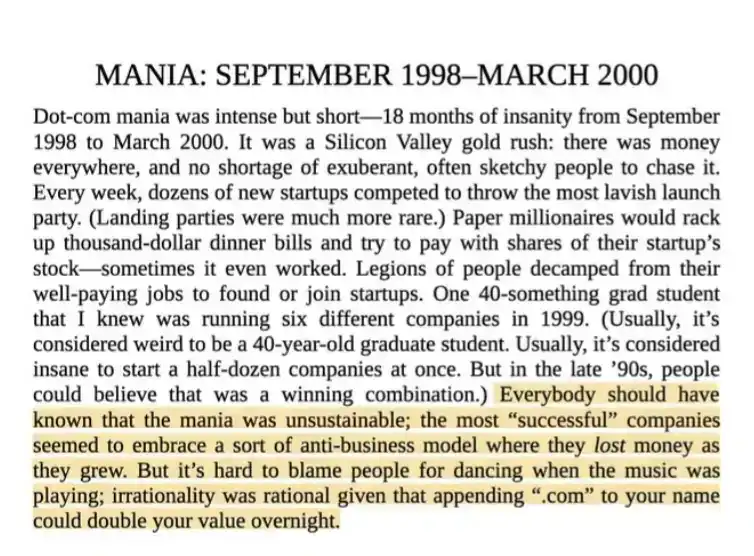
Из книги Питера Тиля «От нуля к единице»
Ссылка на оригинал