Оригинал | Odaily Planet Daily (@OdailyChina)
Автор | jk
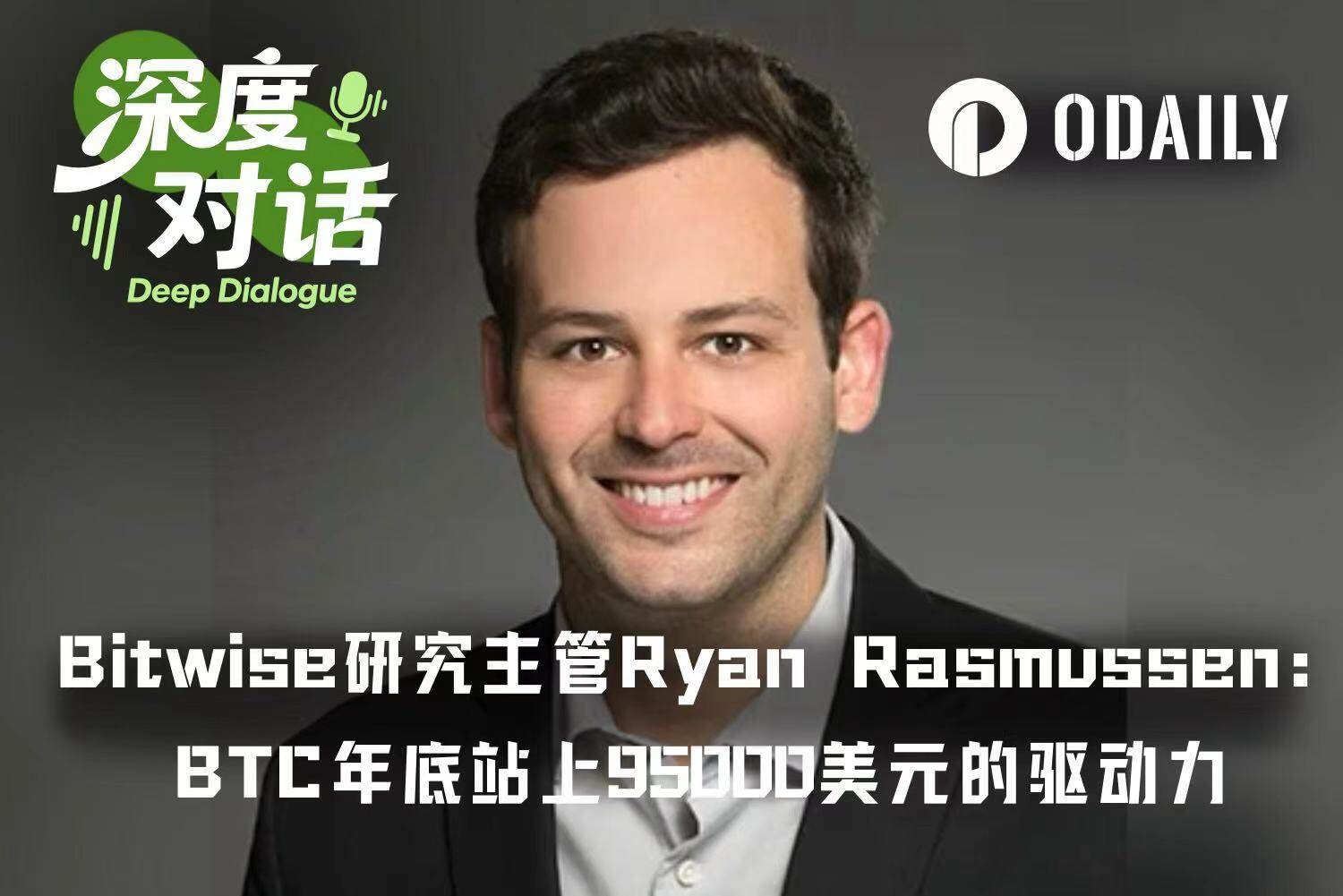
В то время, когда цена биткойна упала вдвое с исторического максимума, а геополитические тучи омрают глобальные рынки, уходят ли институциональные деньги или же они тайно наращивают позиции? 24 марта Odaily Planet Daily взяла эксклюзивное интервью у Райана Расмуссена, директора по исследованиям Bitwise Asset Management, в Нью-Йорке.
Bitwise в настоящее время управляет активами на сумму около 15 миллиардов долларов, являясь крупнейшим в мире провайдером крипто-индексных фондов, а также одним из основных эмитентов ETF на биткойн, эфириум и Solana. В этом интервью он рассказал о ключевой логике движения цены биткойна в 2026 году, дал конкретный прогноз цены на конец года, а также затронул тему происходящего «великого перемещения позиций» между розничными и институциональными инвесторами и роль азиатского рынка в глобальной крипто-структуре.
Далее следует основная часть интервью:
Odaily: Сегодня мы находимся на месте проведения саммита DAS в Нью-Йорке и имеем честь пригласить Райана из Bitwise. Прежде чем задавать вопросы, не могли бы вы кратко представиться нашей азиатской аудитории?
Райан: Конечно. Я Райан Расмуссен, директор по исследованиям Bitwise Asset Management. Мы — глобальная компания по управлению крипто-активами, которая в основном предоставляет институциональным инвесторам паевые и частные фонды, а также решения для стейкинга. В настоящее время мы управляем активами на сумму около 15 миллиардов долларов и ведем бизнес в США, Европе и Азии. Мы являемся одним из крупнейших эмитентов ETF на Solana, биткойн и эфириум, а также управляем рядом индексных фондов. У нас самый большой в мире криптовалютный индексный фонд.
Odaily: Каковы основные факторы, влияющие на цену биткойна в 2026 году, можете ли вы расположить их по порядку и примерно указать весовые коэффициенты, например, приток и отток структурированных продуктов американских традиционных финансовых институтов, заявления и политика Дональда Трампа и его семьи, пробуждение и распродажи китов-ходлеров, давление на майнеров, последствия прошлых хакерских атак и т.д.?
Райан: Крупнейшим долгосрочным драйвером цены биткойна является институциональное принятие. Причина в том, что в течение последних пятнадцати лет большинство глобальных институциональных инвесторов не имели доступа к биткойну или другим крипто-активам. С запуском американских биткойн-ETF в январе 2024 года, а теперь и с появлением ETF на эфириум, Solana и другие активы, мы видим, что институциональные инвесторы начинают постепенно наверстывать упущенное в инвестировании в биткойн. Но это не означает, что эти размещения уже действительно начались: на самом деле, многие инвесторы, с которыми мы общались, будь то в США, Европе или Азии, еще не начали инвестировать в биткойн. Поэтому я считаю, что главным фактором является скорость, с которой институциональные инвесторы начнут массово размещать средства в биткойне. Я считаю, что это уже начало происходить в 2026 году, и во второй половине 2026 года будет еще больше прогресса, это будет общим драйвером как в краткосрочной, так и в долгосрочной перспективе, и он исходит от спроса тех институциональных инвесторов, которые еще не вошли на рынок.
Odaily: Можете ли вы конкретно рассказать о весовых коэффициентах?
Райан: Это действительно интересная тема. Инвесторы, которые начали размещать средства у нас несколько лет назад, изначально выделяли около 1%, а сегодня большинство наших клиентов имеют размещение в крипто-активы около 5%. Самое интересное, что те инвесторы, которые только начинают делать первоначальное размещение, стартуют уже не с 1%, а с 2% до 3%, а многие наши давние клиенты уже находятся на уровне около 5%. Поэтому я бы сказал, что типичное размещение для новых инвесторов составляет около 2%, а для существующих инвесторов с крипто-экспозицией — около 5%. Но когда вы думаете о масштабах богатства, которым управляют глобальные институциональные инвесторы, эта цифра весьма существенна — 1-2-5% от 100 триллионов долларов богатства уже превышает общую рыночную капитализацию биткойна на сегодняшний день. Вот почему институциональное размещение в конечном итоге будет определять цену биткойна в долгосрочной перспективе, и почему это такой важный фактор.
Odaily: Может ли биткойн продолжить существенно падать? Может ли текущий уровень быть дном этого цикла?
Райан: Наша точка зрения заключается в том, что мы стали ближе к дну биткойна, потенциал снижения уже не так велик. Я не удивлюсь, если биткойн будет двигаться в боковом тренде еще несколько месяцев, потому что макроэкономические факторы сейчас действительно доминируют — конфликт на Ближнем Востоке, многое происходит в Южной Америке, никто не может сказать наверняка, что будет с Кубой в краткосрочной перспективе, в начале года мы также видели ситуацию в Венесуэле. Так что макроэкономической и геополитической неопределенности много, и я считаю, что это держит все рисковые активы, все финансовые активы под таким давлением.
Как только макроэкономическая неопределенность стабилизируется, геополитическая неопределенность также стабилизируется, я думаю, мы увидим, как биткойн и другие крипто-активы действительно начнут ускоряться вверх. Но я действительно считаю, что в ближайшие несколько месяцев рынок биткойна и криптовалют в целом будет двигаться в основном в боковом тренде. Во второй половине года, мы верим, что увидим значительный приток институциональных средств через ETF, который подтолкнет цены вверх, и год завершится с ценой выше, чем в начале года, что означает, что биткойн окажется в диапазоне около 95 000 долларов к концу года, что с сегодняшней цены составляет примерно 40% рост. Мы считаем, что находимся в крипто-медвежьем рынке, который длится уже около года, и наш прогноз — закрытие года с ростом, а 2027 год будет очень позитивным.
Odaily: От прошлогоднего ATH до сегодняшнего падения цены вдвое, как вы думаете, кто наращивает позиции, а кто сокращает?
Райан: Мы наблюдаем переход от розничных инвесторов к институциональным, это единовременный переход, который оказывает profoundное влияние на биткойн и более широкий крипто-рынок, потому что институциональные инвесторы выходят на этот рынок через ETF и другие фонды, поскольку мы видим, что регуляторная среда в США и за рубежом становится все более ясной, что дает институциональным инвесторам больше уверенности при принятии решений о размещении.
В то же время розничные инвесторы уже пережили множество циклов бума и падения на крипто-рынке. Те ранние инвесторы, которые вошли, когда биткойн стоил 1 доллар, 10 долларов, 100 долларов, видели, как он вырос до 125 000 долларов, а затем, возможно, наблюдали, как он упал до 70 000 долларов, и к сегодняшнему дню они готовы забрать часть фишек. Это на самом деле очень похоже на типичную ситуацию, когда частная компания наконец выходит на IPO: ранние инвесторы наконец получают выход и готовы зафиксировать прибыль, а затем появляются новые акционеры, которые участвуют в капитале этой компании. Я думаю, что именно это сейчас и происходит на крипто-рынке: ранние инвесторы, в основном розничные, передают свои позиции институциональным инвесторам с долгосрочной ориентацией и системным подходом. Их горизонт не один-два-три года, их горизонт — пять, десять, двадцать лет.
Подводя итог: в настоящее время продают розничные инвесторы, а покупают институциональные, и этот переход является чистым позитивом для динамики крипто-рынка, потому что институциональные инвесторы менее подвержены поведенческим предубеждениям, они более системны и более ориентированы на долгосрочную перспективу.
Odaily: В условиях нынешних глобальных потрясений BTC не оправдал ожиданий некоторых инвесторов на роль убежища. Если сравнивать с традиционными активами, такими как золото, серебро, нефть, то почему люди должны снова доверять биткойну?
Райан: Я считаю, что долгосрочные перспективы биткойна никогда не были столь сильными, как сейчас. Крупнейшие мировые финансовые институты приближаются к биткойну. Мы ежедневно общаемся с инвесторами, от финансовых консультантов до семейных офисов, хедж-фондов, эндаумент-фондов, пенсионных фондов и даже суверенных фондов благосостояния, и все они изучают крипто-активы и биткойн. Я считаю, что это путешествие, на завершение которого требуются годы, и ожидать, что биткойн за пятнадцать лет истории совершит переход от нишевого актива до зрелого глобального актива, было бы слишком близоруко.
То, что биткойн приносит в инвестиционный портфель, относится к той же категории, что и золото, нефть и другие товары: значительная диверсификационная выгода и низкая корреляция с другими классами активов. Если вы посмотрите на роль биткойна в портфеле (предполагая, что вы добавляете 5% биткойна в традиционный портфель из акций, облигаций и товаров), это повысит скорректированную на риск доходность, поскольку он почти не коррелирует с другими активами и имеет очень сильные характеристики риска и доходности в долгосрочной перспективе. Но инвестирование в крипто-активы должно быть долгосрочным, необходимо исключить эмоциональные предубеждения, и только тогда вы действительно начнете видеть ценность крипто-активов в портфеле.
Odaily: Ведет ли Bitwise в настоящее время бизнес в Азии? В основном какой?
Райан: Да, мы ведем бизнес в Азии. Я лично несколько раз ездил в Сингапур за последние годы. Наша команда по институциональному партнерству также бывала в Гонконге, Сингапуре и других азиатских рынках. У нас есть местные представители, которые всегда готовы встретиться с банками, клиентами, семейными офисами и другими учреждениями, чтобы помочь им получить экспозицию к крипто-активам через частные фонды, SMA, паевые фонды, продукты для стейкинга и другие способы.
Говоря о стейкинге, мы недавно значительно расширили свое присутствие в Азии за счет приобретения Chorus One. Chorus One является одним из крупнейших в мире провайдеров услуг стейкинга. Мы видим большой интерес и спрос в Азии, особенно многие семейные офисы сами связываются с нами, желая получить экспозицию; многие банки связываются с нами, чтобы узнать, как их клиенты по управлению благосостоянием и частные банковские клиенты могут получить доступ к крипто-активам. Мы очень воодушевлены перспективами роста и имеем команду на месте. Заинтересованные друзья, пожалуйста,随时 свяжитесь с нами.
Odaily: Можете ли вы поделиться наиболее заметными различиями между Азией и другими регионами?
Райан: Различия очень велики. С точки зрения того, как воспринимаются крипто-активы, эти три рынка — США, Европа и Азия — очень разные.
Американские институциональные инвесторы всегда отставали в вопросе крипто-активов, потому что в США с регуляторной точки зрения к крипто-активам всегда было очень враждебное отношение. Предыдущая администрация с 2020 по 2024 год, от Белого дома до различных регуляторных органов, на каждом шагу активно подавляла крипто-индустрию. Сейчас мы видим, что все это изменилось. Это означает, что институциональные инвесторы были задержаны на много-много лет, потому что они боялись接触 активы, которые правительство могло попытаться уничтожить с помощью регуляторных мер.
В Европе ситуация несколько иная, хотя европейские институциональные инвесторы также adopt крипто-активы медленнее, чем в Азии.
А в Азии мы видим огромный энтузиазм и участие, я считаю, что Азия на самом деле более proactive в принятии и инвестировании в эти технологии, чем принято считать. Это также часть причины, по которой мы считаем расширение на этот рынок таким exciting и привлекательным.





















