Автор: David Hoffman
Перевод: Джа Хуань, ChainCatcher
Если вы пропустили новости прошлой недели, я продал свой ETH.
Для человека, который построил карьеру, сообщество, идентичность и бизнес вокруг Ethereum, это решение далось нелегко.
Причины, побудившие к продаже, требуют более глубокого объяснения, чем разрозненные твиты в Twitter.
Тезис «ETH — это деньги» не провалился... он просто реализовался. Ethereum получил ту цену ETH, которую заслуживал, и я считаю, что ETH как актив не будет переоценен, ни вверх, ни вниз.
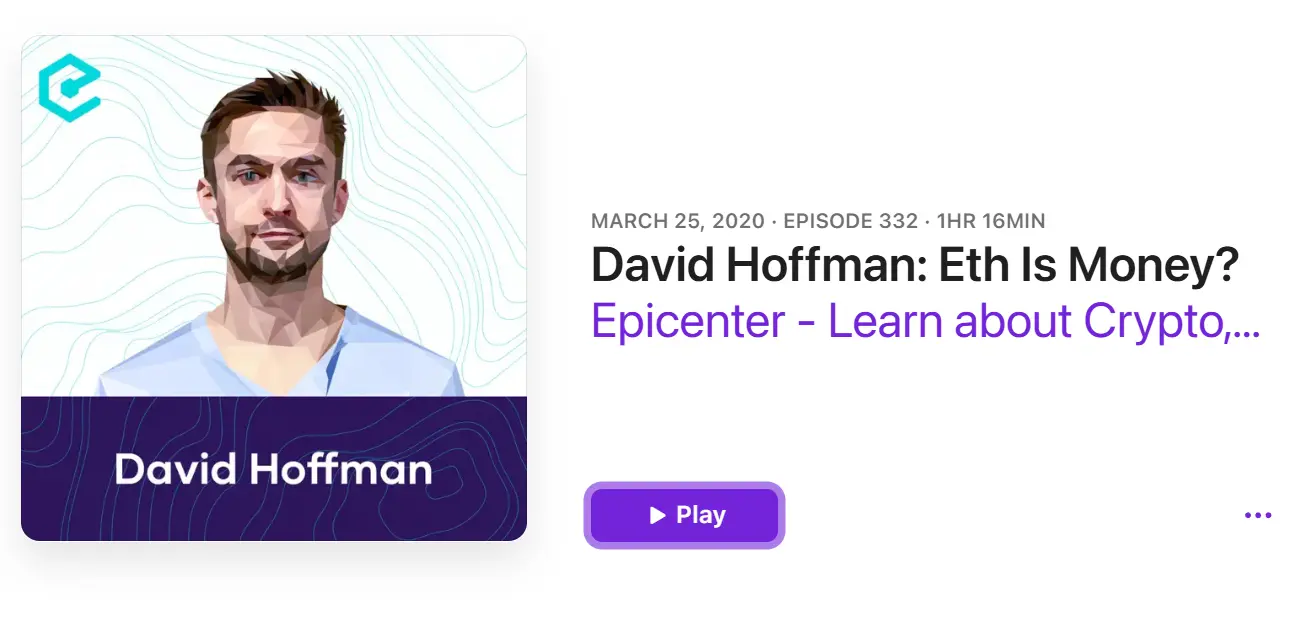
«ETH — это деньги» — это ключевой нарратив, предложенный автором Дэвидом Хоффманом в 2019 году и долгое время продвигаемый через Bankless, утверждающий, что ETH должен стать глобальным средством сбережения стоимости. Это был один из главных бычьих аргументов для Ethereum.
Примечание: я чрезвычайно оптимистично настроен в отношении Ethereum. Я ожидаю, что Ethereum как сеть будет показывать исключительно выдающиеся результаты отныне и впредь. Но я считаю, что лишь очень малая часть этого успеха отразится на ETH.
Текст статьи ниже:
Тезис «ETH — это деньги» всегда был амбициозным
Деньги — это игра координации, а координация — это очень сложно.
Сам проект Ethereum — это серия координационных вызовов, наложенных друг на друга на нескольких уровнях, и тезис «ETH — это деньги» требует успеха на всех этих уровнях, причем безупречного успеха.
ETH может стать деньгами только тогда, когда каждый слой технологического и социального стека Ethereum работает лучше, чем у его конкурентов.
Учитывая амбициозность проекта Ethereum, достижение его наиболее успешной версии всегда было огромной задачей. Несмотря на недостатки, проект Ethereum справился превосходно и полностью заслуживает своей текущей рыночной капитализации.
Тем не менее, окно возможностей для «переоценки» $ETH рынком, похоже, закрывается.
В каком-то смысле ETH и правда деньги. Но это не самая успешная версия, к которой мы все стремились.
Ethereum — это игра координации
Тьюринг-полный блокчейн — настолько мощная идея, что максимальный потенциал Ethereum — это весь криптовалютный мир. Захватить всё.
Единственное препятствие для достижения Ethereum 100% абсолютного господства над всем — это координация.
Руководство Ethereum должно быть достаточно децентрализованным, управление должно достигать «грубого консенсуса», чтобы создать надежный нейтралитет, максимизирующий внедрение Ethereum на самом высоком уровне.
Руководство Ethereum должно быстро реагировать на рыночную динамику, действуя как стартап, столкнувшийся с угрозой маргинализации.
L2 Ethereum должны иметь возможность работать независимо от базового уровня и делать свой рыночный выбор, но в то же время они должны быть экономически привязаны и ограничены более широкой экономикой и брендом Ethereum.
Дорожная карта Ethereum должна выполняться в определенном порядке, чтобы максимизировать и сохранить импульс и рыночное доминирование Ethereum, тем самым достаточно успокоив конкуренцию и максимизировав уверенность в Ethereum и ETH.
Ключевые исследования, разработки и инженерная реализация должны быть достаточно быстрыми, чтобы Ethereum мог одновременно доказывать свою полезность внешнему миру и оставаться впереди конкурентов.
Тезис «ETH — это деньги» заключается в создании чрезвычайно революционного и мощного финансового актива, который, благодаря своим уникальным свойствам как превосходного глобального средства сбережения стоимости, привлечет людей, которым изначально было все равно.
Бренд Ethereum и сила ETH должны быть настолько сильны, чтобы крупный традиционный капитал не только чувствовал себя в безопасности, но и активно рассматривал ETH как важную позицию в пенсионном инвестиционном портфеле из-за доминирования проекта Ethereum.
Для реализации «ETH — это деньги» все вышестоящие аспекты Ethereum должны работать чрезвычайно безупречно.
Ethereum — это не Bitcoin, он выбрал трудный путь. Bitcoin решил убрать всё со своего блокчейна, чтобы поднять статус BTC.
Ethereum решил добавить всё в свой блокчейн, чтобы максимизировать полезность своего блок-пространства. Только сделав это раньше конкурентов и наилучшим образом, ETH сможет получить статус глобальных денег.
Мы прошли часть пути, и Ethereum уже заслужил свою максимальную потенциальную долю рыночной капитализации.
Я опасаюсь, что временное окно для этой игры закрылось.
Макросреда, возможно, никогда этого не позволит
Оглядываясь на последние несколько лет, я вижу множество макро-вызовов, которые Ethereum должен был преодолеть.
1. Активы L1 неразрывно связаны с доходами
Что бы вы ни говорили о сложности оценки блокчейна смарт-контрактов на основе комиссий и доходов, очевидно, что именно комиссии и доходы позволяют активам L1 смарт-контрактов повышать свою ценовую власть.
К 2026 году у нас достаточно данных, чтобы показать, что все эти факторы тесно связаны: активность L1, комиссии L1 и рост цены нативного актива L1.
В 2021 году, когда доля доходов L1 Ethereum была наибольшей, он доминировал.
В 2024 году, когда доля доходов L1 SOL неожиданно взлетела по всей отрасли, он доминировал.
В 2026 году NEAR переживает переоценку цены, одновременно с этим наблюдается фундаментальный рост доходов L1 и сжигания NEAR.
Вы также можете взглянуть на активы, такие как BNB и TRX, которые, возможно, являются проектами с самыми высокими совокупными доходами за все время. Их ценовые графики выглядят именно так, как я когда-то ожидал от ETH — при условии, что ETH смог бы сохранить доминирование в комиссиях L1 дольше, чем всего лишь в течение части 2022 года.
2. «Сильная» версия криптовалюты не сработала
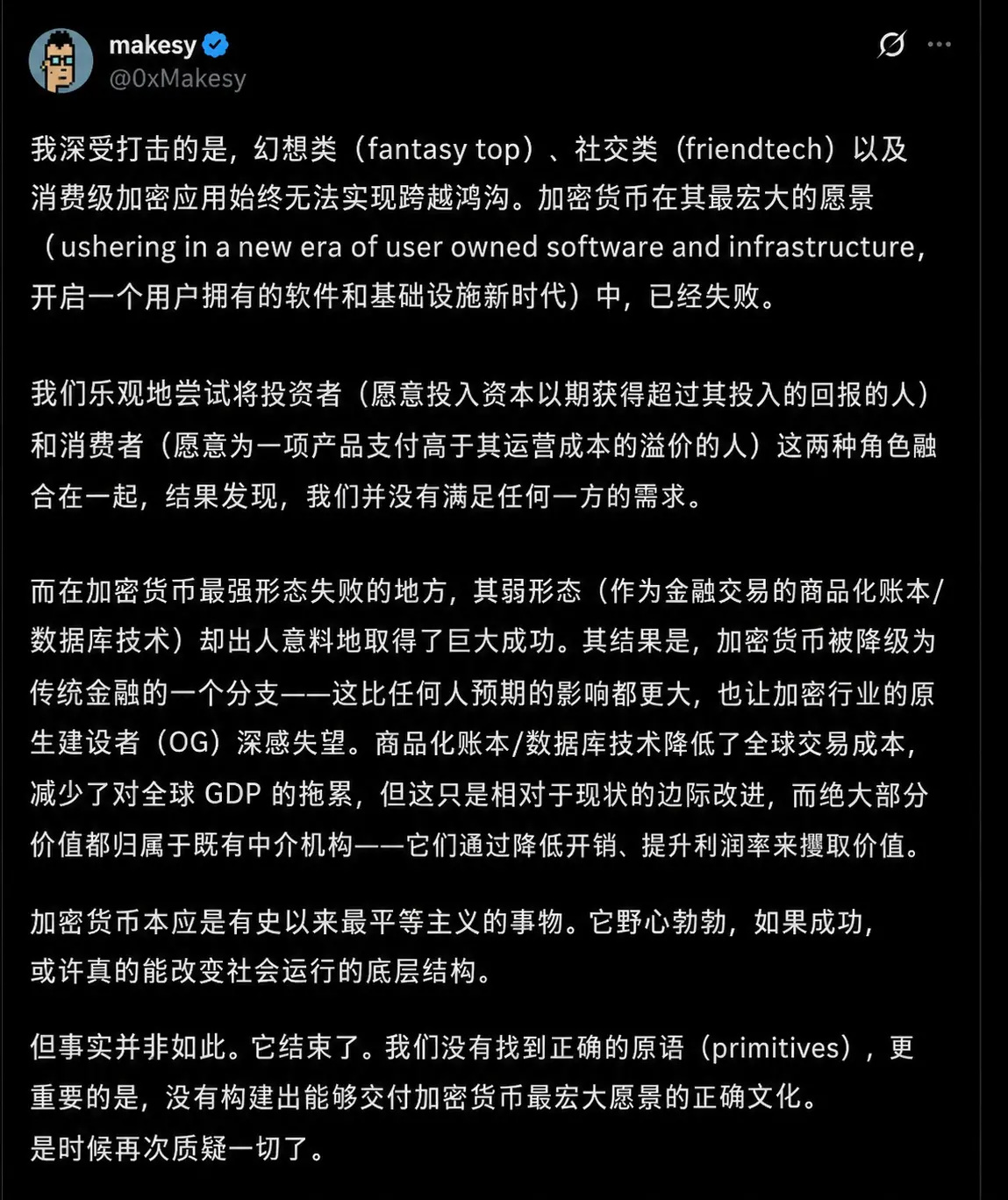
@0xMakesy очень хорошо выразился:
Ethereum представляет «сильную» версию криптовалюты, криптовалюту, существующую ради самой криптовалюты, самоподдерживающуюся и самовоспроизводящуюся. DeFi, NFT, DAO — мы были бунтарями, строящими альтернативную финансовую систему, принадлежащую народу и для народа, подключив воображение к денежной системе.
Существует также «слабая» версия: эффективная инфраструктура бухгалтерских книг для бэкенда финансовых учреждений. Слабая версия будет питать сильную, превращая спрос на бухгалтерские книги интернета в поток капитала, направленный внутрь криптовалюты, Ethereum и, в конечном счете, в ETH.
Возможно, если бы Ethereum выполнил свою задачу лучше, быстрее, сильнее, и если бы криптовалюта не привлекла такую огромную толпу спекулянтов, мошенников и экстракторов стоимости, индустрия смогла бы завоевать то влияние и уважение, которых, как я всегда считал, она заслуживает.
Но единственный период, когда криптовалюта сохраняла положительный имидж среди широкой публики, был с конца 2020 года до начала 2022 года. За пределами этого узкого временного окна репутация криптовалюты всегда была связана с мошенничеством, схемами, схемами быстрого обогащения и бесполезностью для обычных людей.
«ETH — это деньги» зависит от «сильной криптовалюты»
Именно в тот момент, когда всех заставили уйти в онлайн, ETH стал интернет-деньгами. Мир впервые открыл для себя криптовалюту, и в тот краткий промежуток времени она была очень крутой.
Деньги — это игра координации, а точка Шеллинга (фокус консенсуса) денег скрепляется верой. В 2021 году широкие массы верили в ETH: он был крутым, подрывным и популистским. Bitcoin обладал теми же свойствами и сохранил их лучше, чем ETH, после 2021 года.
Это вызывает тревожную возможность: «сильная» версия криптовалюты, возможно, никогда не была стабильной точкой равновесия. Пандемия COVID-19 была чрезвычайно искаженным временем для денег, и, возможно, тезис «ETH как деньги» поддерживался только благодаря этому искажению.
Если это так, то превращение ETH в деньги всегда зависело от того, сможет ли «сильная» версия криптовалюты работать лучше, чем в реальности.
3. Полезность Ethereum также выгодна другим деньгам
Являются ли Bitcoin деньгами? Является ли доллар деньгами? Является ли золото деньгами? Это не имеет значения — всё, что является деньгами, будет токенизировано на Ethereum.
В 2020 году Ник Картер на Bankless предположил, что стейблкоины, вероятно, паразитируют на ETH как на нативной единице Ethereum. Тогда на Ethereum было стейблкоинов на 3 миллиарда долларов. Сегодня эта цифра составляет 163 миллиарда долларов, увеличившись в 54 раза.
Полезность, предоставляемая Ethereum, помогает расширять денежную сеть любого актива, который действительно является деньгами. Именно поэтому США так оптимистично смотрят на распространение стейблкоинов через криптовалюты. Ethereum помогает США сохранить гегемонию доллара, и использование этого факта является четкой политикой правительства.
Очевидно, что позитивный эффект перелива для $ETH как денег намного слабее, чем тот, который видит правительство США в экосистеме стейблкоинов Ethereum.
Ethereum — даритель, а не получатель
По своей сути Ethereum — это даритель, а не получатель.
Он предоставляет самое безопасное в мире блок-пространство L2 по себестоимости.
Он токенизирует все мировые активы по себестоимости.
Он обеспечивает безопасность миллиардов долларов в DeFi по себестоимости.
Ethereum не берет никакой наценки за всё, что он делает.
В этом суть открытого программного обеспечения и сила Ethereum. Ethereum предоставляет миру весь свой чрезвычайно важный набор ценностей по себестоимости.
Ethereum благороден. Ethereum велик.
Ethereum — самый успешный в мире некоммерческий проект.
Естественно, что на Ethereum произойдет невероятное массовое внедрение. Он был и будет оставаться одним из самых влиятельных проектов открытого программного обеспечения, созданных человечеством, и его «некоммерческая протокольная» сущность является одной из его ключевых характеристик.
Вот почему путь ETH к статусу денег зависит от его способности поддерживать устойчивое и чрезвычайно высокое рыночное доминирование.
В конечном итоге, когда блок-пространство станет товаром, комиссии упадут до нуля. Если товаром станет именно Ethereum, а не его конкуренты, то Ethereum сможет сохранить свою маржу и доминирование.
В конечном итоге «теория толстых протоколов» уступит место «теории толстых приложений», и приложения поглотят оставшуюся прибыль.
Если это будут приложения Ethereum, а не конкурентов, то для ETH это не проблема.
Трудно согласовать тезисы «ETH — это деньги» и «Ethereum — даритель, а не получатель». Архитектура Ethereum намеренно спроектирована так, чтобы отдавать всё своей экосистеме и извлекать лишь минимум, необходимый для поддержания работы сети.
В архитектурном плане ETH не является приоритетом в Ethereum, это особенность, а не недостаток. ETH может стать деньгами только тогда, когда Ethereum выиграет битву, в которой он архитектурно отказывается участвовать.
Если бы Ethereum смог сохранить невероятное рыночное доминирование, это могло бы сработать.
Этот тезис предъявляет к Ethereum слишком высокие требования
Тезис «ETH — это деньги» требует, чтобы всё в Ethereum шло как по маслу. Допуск на ошибку оказался намного меньше, чем я первоначально предполагал. Импульс Ethereum в 2021 и 2022 годах создавал ощущение, что «ETH — это деньги» — это путь по умолчанию.
Ретроспективно взглянув, можно сказать, что рост Solana в 2021 году на фоне роста анти-Ethereum настроений стал первым важным признаком того, что игра координации Ethereum и ETH идет не по плану.
Фонду Ethereum необходимо децентрализоваться и позволить возникать альтернативным структурам власти. Но ему также необходимо реагировать на рыночные силы с оперативностью и динамичностью стартапа, столкнувшегося с угрозой вымирания.
Командам L2 нужна свобода самоопределения, но им также необходимо действовать под большим зонтиком бренда Ethereum и ETH. Техническая синхронизация и интеграция между Ethereum и его L2 должны была выполняться гораздо быстрее.
Блокчейны смарт-контрактов оцениваются по комиссиям, и чтобы вырваться из этой модели, Ethereum необходимо было переписать правила ошеломляющим успехом.
Причина, по которой я продал
Он просто тоже не реализовал свой максимальный потенциал.
Ethereum совершил благородный поступок, выбрав для себя самый трудный, самый амбициозный и идеологически чистый путь в будущее.
Он одержал невероятные победы и не смог преодолеть некоторые вызовы.
Ethereum заслужил свою рыночную капитализацию.
Я очень оптимистично настроен в отношении сети Ethereum и ее экосистемы — Ethereum архитектурно предназначен для максимизации успеха своих приложений, L2 и экосистемы. «Теория толстых приложений» означает, что приложения Ethereum забирают все комиссии, а роуллап-центричная дорожная карта означает, что L2 забирают 97% прибыли.
Что касается актива ETH, мне трудно увидеть, как он структурно может быть переоценен, ни в сторону роста, ни в сторону падения.
Поэтому причина, по которой я продал ETH, не в медвежьем настрое по отношению к ETH, а в том, что я считаю, что тезис «ETH — это деньги» уже реализовался, и я хочу распределить капитал между другими перспективными возможностями на рынке.