Author of 'AI Doomsday Report' Speaks Out: Market Panic Exceeds Expectations, but the Real Risk is the 'Unemployment Loop'

marsbitОпубликовано 2026-02-24Обновлено 2026-02-24

Введение

A report on the potential AI disruption scenario, co-authored by Alap Shah of Lotus Technology Management, triggered significant market sell-offs, with IBM’s stock plunging 13% in a single day. Shah stated that the market reaction "far exceeded expectations" and warned that AI could eliminate 5% of white-collar jobs within 18 months, particularly in service-intensive sectors like insurance and banking. He emphasized a negative feedback loop: companies cut jobs to boost margins, reinvest savings into AI, and cause further layoffs. Shah urged governments to tax AI-generated profits to mitigate unemployment and protect consumer demand, arguing that rapid job loss could severely harm the broader economy. The report, set in a hypothetical 2028 scenario, highlights rising market volatility and growing differentiation between AI beneficiaries (e.g., semiconductors) and vulnerable industries (e.g., software, payment processing).

Author: Zhang Yaqi, Hard AI

Summary: A report on AI impact scenarios triggered a global sell-off, with IBM plummeting 13% in a single day, the worst in 25 years. Report author Shah stated that the market reaction "far exceeded expectations" and warned that white-collar jobs could decrease by 5% in the next 18 months, calling on the government to tax AI to curb the negative feedback loop of unemployment—if jobs disappear faster than expected, the entire consumer economy will be at risk. He said, "Everyone is now fully invested in AI, and there are few incremental buyers left."

Full content below:

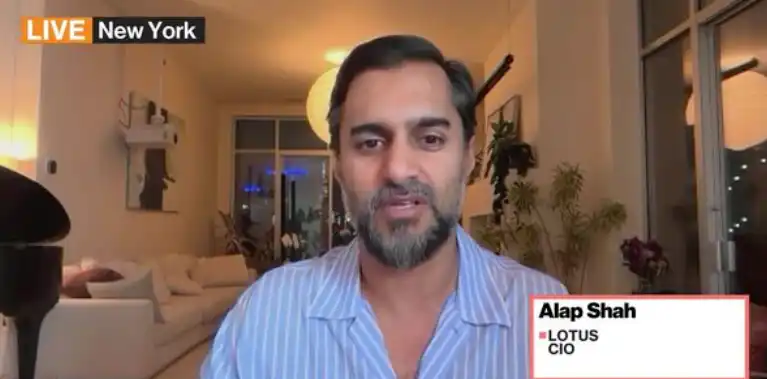
After a scenario analysis report on AI impact triggered a global market sell-off storm over the weekend, co-author Alap Shah publicly spoke out on Tuesday, admitting that the market reaction far exceeded expectations and calling on the government to tax AI to address the potential wave of large-scale unemployment.

The chief investment officer of Lotus Technology Management warned in an interview with Bloomberg Television that AI advancements could lead to a 5% reduction in white-collar jobs within the next 18 months, with the U.S. facing the greatest impact in the absence of policy intervention. He predicted that service-intensive industries such as insurance and banking are at higher risk.

Shah stated that governments should consider taxing the incremental or unexpected profits brought by AI to offset the impact of labor substitution and protect consumer demand. He believes that the replacement of white-collar labor will create a negative feedback loop: companies lay off employees to boost profit margins, reinvest the savings into AI, and thereby drive further layoffs.

As previously mentioned by Wall Street News, the report released over the weekend assumed a scenario in 2028, depicting rapid advancements in machine intelligence that increase productivity but render a large amount of human labor obsolete, leading to unemployment, a collapse in consumer spending, and dragging down indices such as the S&P 500. Shah admitted, "I originally thought there would be a slight reaction—but it clearly exceeded our expectations." He said that given that AI-related trading has been ongoing for about three and a half years and has basically been rising all the way, there are few incremental buyers left in the market, making this reaction somewhat understandable.
01 Market Reaction Far Exceeds Expectations

This report, released by Citrini Research on social media, combined with Nassim Taleb's market warning and related statements from AI startup Anthropic, triggered a large-scale sell-off. IBM's stock price plummeted 13% in a single day, the largest single-day drop in 25 years; DoorDash, American Express, KKR, and Blackstone all fell more than 6%; related software ETFs fell 4.8%, with the cumulative decline from last September's high expanding to about 35%.

Shah admitted he was surprised by the market reaction. "I originally expected a slight reaction, but it was definitely bigger than we expected," he said on Tuesday.

He analyzed that, considering the level of the U.S. market, this reaction is not entirely unexpected. "AI trading has been going on for three and a half years, basically rising in a straight line. Now everyone is fully invested long, and there are few incremental buyers left."

The report set the hypothetical scenario in 2028. Shah explained that this timeframe is far enough away to drive discussions on how to make amends, but close enough to serve as a warning. Recent market volatility has intensified, with tech stocks falling over the past few weeks due to concerns that AI could disrupt business models. The Citrini report further deepened concerns about widespread disruption and unemployment.

02 White-Collar Jobs in the "Eye of the Storm"

Shah pointed out that the U.S. has not really created any white-collar jobs in the past three years. "A large number of positions will be replaced by AI, specifically AI agents. These tools have only truly landed in the past few months."

He believes that information workers and their recruitment are in the eye of the storm, with the number of information-related jobs falling nearly 8% from the 2023 peak. In the report's hypothetical scenario, due to a severe economic contraction, 15% of white-collar workers will be unemployed within 18 months with no other job opportunities.

Shah warned that without policy responses, this group will be forced into the blue-collar and gig markets, significantly depressing the average wage levels in these markets. Over the next five years, U.S. white-collar employment will be a key indicator for measuring AI impact, with effects likely to appear fastest in the U.S. because its labor market is more dynamic. "It's much easier to fire employees in the U.S. than in other parts of the world," he added.

03 Proposing an AI Tax to Counter Unemployment Impact

Shah called on the government to take action to address the labor substitution brought by AI. He stated that consideration should be given to taxing the incremental or unexpected profits brought by AI to protect consumer demand.

"If we allow AI to replace these jobs without properly taxing AI, it will hit the core of the consumer economy. This is the real risk propagation scenario," Shah said. He emphasized:

"We released this report to the market not only because individual stock risks are important, but more crucially, if jobs disappear faster than expected and there is a lack of countermeasures, the overall economy and the consumer economy will face risks."

Based on the report's discussion results, the negative feedback loop formed by white-collar labor substitution will weaken demand in industries built on intermediary services, such as finance, insurance, and software. Consumer platforms relying on discretionary spending, including delivery services like DoorDash and Uber Eats, are seen as the areas with the greatest risk.

04 Increasing Industry Divergence

Shah pointed out that the benefits of AI are no longer evenly distributed but are beginning to disperse. The market is gradually discerning which industries will become winners and which will face pressure. "The software industry is the best example. The market has been selling software stocks for almost a year due to AI threats, and this trend has clearly accelerated in recent weeks."

He stated that intermediary industries also face tangible risks. According to the potential scenario described in the Citrini report, AI agents could disrupt the payment industry by eliminating transaction fees charged by payment processing companies like Mastercard and Visa to save users money.

Regarding investment strategy, Shah revealed: "We typically short companies that we believe will be disrupted by AI. On the other hand, we hold a large number of semiconductor stocks, which we believe will benefit from this." He expects further market volatility in the short term, including among software companies, as traders assess the long-term impact of AI. "We are entering a period of high market volatility," he said.

According to Bloomberg, Citrini Research was founded by James van Geelen. The report clearly states that "the following content is a scenario assumption, not a prediction," and its sole purpose is to simulate a relatively underexplored scenario. Shah is the CEO of AI company Littlebird and managing partner of Lotus Technology Management. He previously co-founded the meal subscription service Thistle and served as CEO and chairman of the financial data platform Sentieo, which was later acquired by AlphaSense.

Related reading: A Memo from 2028: What Do We Lose If AI Wins?

Трендовые криптовалюты

Связанные с этим вопросы

QWhat was the market reaction to the 'AI Doomsday Report' and why did the author find it surprising?

AThe report triggered a global sell-off, with IBM's stock plunging 13% in a single day, its worst drop in 25 years. Other companies like DoorDash, American Express, KKR, and Blackstone fell over 6%. The author, Alap Shah, stated the reaction was 'far beyond expectations' because he had anticipated only a minor market response.

QAccording to the report's author, what is the core economic risk posed by AI, and what policy does he propose to mitigate it?

AThe core risk is a 'negative feedback loop of unemployment,' where job losses from AI replacement outpace the creation of new roles, threatening the entire consumer economy. To mitigate this, the author proposes that governments tax the incremental or windfall profits generated by AI to offset the impact on displaced workers and protect consumer demand.

QWhich sector of the workforce is identified as being in the 'eye of the storm' for AI-driven job losses in the next 18 months?

AWhite-collar workers are identified as being in the 'eye of the storm.' The report warns that AI advancements could lead to a 5% reduction in white-collar jobs within 18 months, with information-based jobs already down nearly 8% from their 2023 peak.

QHow does the report suggest AI could specifically disrupt the payments industry?

AThe report suggests that AI agents could disrupt the payments industry by eliminating transaction fees charged by intermediaries like Mastercard and Visa, thereby saving users money and undermining the business models of these payment processing companies.

QWhat investment strategy does the author's firm, Lotus Technology Management, employ in response to the AI disruption?

AThe firm's strategy involves shorting companies they believe will be disrupted by AI while holding long positions in semiconductor stocks, which they expect to benefit from the increased demand for AI computing power.

Похожее

На неделе с 3 по 9 августа стоит обратить внимание: Закон CLARITY, возможно, будет поставлен на голосование в Сенате; SpaceX и Circle опубликуют финансовые отчеты

**Важные события на следующей неделе (3–9 августа 2026 г.)** **Ключевые даты:** * **3 августа:** Публикация отчетов American Bitcoin за Q2. Полное закрытие сервисов DeFi-трекера Zapper и кошелька Ctrl Wallet. LayerZero прекратит поддержку ретрансляторов v1. Upbit прекратит торговлю токенами AQT и AERGO. * **4 августа:** Публикация финансовых отчетов SpaceX и Hut 8 за второй квартал 2026 года. * **5 августа:** Circle опубликует отчет за Q2. Начинается предварительное ценовое консультирование для IPO компании Unitree Tech (Ушу Цзишу) в Китае. * **6 августа:** Первая крупная разблокировка акций SpaceX — до 12% от общего капитала. * **7 августа:** Выход важных данных по рынку труда США (отчет о занятости за июль). Предельный срок для Сената США — получить 60 голосов в поддержку **Закона CLARITY** (билль о регулировании криптовалют и этике). Ожидается выпуск Grok 4.6 от xAI. * **8 августа:** Начало принудительной подачи сигналов в сети Bitcoin согласно предложению BIP-110. * **На неделе (дата уточняется):** Ожидается голосование полного состава Сената США по **Закону CLARITY**. Выход нового релиза XRP Ledger (v3.3.0) с новыми функциями, такими как конфиденциальные данные и пакетные транзакции. **Основные темы недели:** корпоративная отчетность (SpaceX, Circle), регулирование (CLARITY Act), рыночные события (разблокировка акций SpaceX, отчет по занятости в США) и обновления в технологиях блокчейна.

marsbit15 мин. назад

На неделе с 3 по 9 августа стоит обратить внимание: Закон CLARITY, возможно, будет поставлен на голосование в Сенате; SpaceX и Circle опубликуют финансовые отчеты

marsbit15 мин. назад

Акции упали сильнее, чем криптовалюты. Куда делись деньги?

Автор: Кэти,白话区块链 28-29 июля, Сеул. Индекс Kospi впервые в истории Южной Кореи два дня подряд срабатывал на приостановку торгов. Первый день: падение на 10.84%, второй день: -5.98%. SK Hynix, крупнейшая по весу акция, потеряла за два дня около 23%. Падение Nasdaq, глобальный обвал акций полупроводниковых компаний, массовые потери на кредитных ETF. За два дня откат Kospi от пика июня достиг 40%. Июль угрожает стать худшим месяцем в истории индекса. Все ранее перегретые сделки были перевернуты, как стол. Это не локальный негатив по одной акции, а глобальное принудительное снижение кредитного плеча. Самое парадоксальное: на этот раз больше всего на «криптовалютное» падение похожи именно акции. Спот: прибыль SK Hynix за второй квартал достигла рекордных 60.54 трлн вон, но из-за несоответствия прогнозу в 64.22 трлн акция подверглась жесткой распродаже. Хорошие новости не растут — это уже плохая новость. Производные инструменты пострадали еще сильнее. Кредитный ETF с плечом 2x на SK Hynix упал на 83% с пика, потеряв в стоимости более 1 трлн гонконгских долларов. Эмитент был вынужден изменить правила продукта. Неожиданно: Биткоин, известный высокой волатильностью, с 1 июля вырос почти на 15%, в то время как акции демонстрировали «криптовалютную» динамику. Это не паника всего рынка, а точечный сброс перегретых позиций. Триггеры: отчет SK Hynix и фактор Китая — крупнейшее IPO ChangXin Memory, направленное на расширение производства DRAM, создало конкуренцию для нарратива о дефиците памяти для ИИ. Дополнительное давление — нормализация политики Банка Японии и потенциальное сокращение кэрри-трейда в иенах. Эксперт Дэн Найлз считает, что это не крах логики ИИ, а «краткосрочное дно», вызванное принудительными ликвидациями мелких инвесторов и хедж-фондов. Промышленная логика не мертва — умерло кредитное плечо. Перетекли ли деньги из акций в Биткоин? Нет. «Устойчивость» Биткоина объясняется тем, что он уже прошел фазу распродаж раньше. В мае-июне американские спотовые BTC-ETF зафиксировали рекордный отток средств. К июлю продавать было уже нечего. Небольшой приток в июле — лишь частичное восстановление. Настоящие «защитные» деньги пошли в золото. Коэффициент корреляции между Биткоином и золотом упал до -0.88. Нарратив о «цифровом золоте» разбит: золото — для сохранения капитала, Биткоин — для роста. Деньги придут в криптоактивы при выполнении трех условий: смягчение глобального давления на ликвидность; снижение ставок ФРС без рецессии; принятие закона CLARITY, устраняющего регуляторные неопределенности. Пока Биткоин — не убежище, а актив, который раньше других прошел очистку. Но когда шторм утихнет и глобальный капитал снова начнет распределяться, Биткоин займет место в первых рядах очереди. Место уже зарезервировано.

marsbit15 мин. назад

Акции упали сильнее, чем криптовалюты. Куда делись деньги?

marsbit15 мин. назад

Диалог с Далио: Сейчас мы находимся в пузыре ИИ, 1% моего инвестиционного портфеля — это биткоин

Источник: интервью Рэя Далио, основателя Bridgewater Associates, для подкаста "The Diary Of A CEO". Далио, предсказавший кризис 2008 года, обсуждает "большой цикл" — концепцию, охватывающую долговые проблемы, растущее неравенство и геополитические сдвиги. Он указывает, что текущий ажиотаж вокруг ИИ демонстрирует классические признаки пузыря, который может лопнуть из-за высокой долговой нагрузки, роста процентных ставок и чрезмерной эмиссии акций, что способно привести к рецессии. Для защиты личного капитала в неопределенные времена Далио советует диверсификацию: вместо хранения наличных инвестировать в акции, золото, облигации. Сам он держит около 1% портфеля в биткоине, считая его "твердыми деньгами", но предпочитает физическое золото из-за его статуса резервного актива и независимости от технологических рисков. Говоря о влиянии ИИ, Далио отмечает, что технология заменяет не только физический труд, но и элементы мышления, что увеличит разрыв между капиталом и трудом. Ключевыми останутся человеческие качества — эмоции и интуиция, а успеха добьются те, кто научится работать в партнерстве с ИИ. На геополитической арене, по его мнению, мир движется к регионализации с центрами в виде США и Китая. Вовлечение США в конфликты, подобные иранскому, обнажает снижение их абсолютного влияния. Внутренние вызовы, такие как дебаты о налогах на богатство, риск капитального бегства и низкая производительность, также ставят под вопрос стабильность традиционных держав в текущей фазе цикла.

marsbit4 ч. назад

Диалог с Далио: Сейчас мы находимся в пузыре ИИ, 1% моего инвестиционного портфеля — это биткоин

marsbit4 ч. назад

7.2 трлн вон за один день: иностранные инвесторы установили рекорд чистых покупок в пятницу! Уолл-Стрит: встречный ветер в плане ликвидности на южнокорейском рынке уже утих

Капиталы возвращаются на южнокорейский рынок акций. 31 июля иностранные инвесторы осуществили чистые покупки акций KOSPI на рекордные 7,2 трлн вон за один день, что стало самым высоким показателем в истории. По данным Citigroup, эта цифра знаменует собой кардинальный разворот после месяцев масштабного оттока средств нерезидентов. В июле чистые продажи иностранными инвесторами значительно сократились до 9,8 трлн вон по сравнению с 48,4 трлн и 44,5 трлн вон в июне и мае соответственно. Одновременно внутренние пенсионные и инвестиционные фонды в июле вернулись к чистым покупкам на 1,0 трлн вон. Дополнительным фактором снижения волатильности стали новые правила Комиссии по финансовым услугам (FSC), ужесточившие с 31 июля доступ розничных инвесторов к ETF с плечом на отдельные акции. После введения норм торговый оборот таких инструментов упал примерно вдвое. Citigroup сохраняет целевую точку для KOSPI на уровне 10000 пунктов, отмечая ослабление давления со стороны движения капиталов. Аналитики видят поддержку рынку в устойчивости фундаментальных показателей сектора чипов памяти, низких оценках KOSPI, сильной экономике и благоприятной политике властей, включая возможные меры по поддержке ликвидности.

marsbit4 ч. назад

7.2 трлн вон за один день: иностранные инвесторы установили рекорд чистых покупок в пятницу! Уолл-Стрит: встречный ветер в плане ликвидности на южнокорейском рынке уже утих

marsbit4 ч. назад

Торговля

Спот

Популярные статьи

Неделя обучения по популярным токенам (2): 2026 может стать годом приложений реального времени, сектор AI продолжает оставаться в тренде

2025 год — год институциональных инвесторов, в будущем он будет доминировать в приложениях реального времени.

1.9k просмотров всегоОпубликовано 2025.12.16Обновлено 2025.12.16

Неделя обучения по популярным токенам (2): 2026 может стать годом приложений реального времени, сектор AI продолжает оставаться в тренде

Обсуждения

Добро пожаловать в Сообщество HTX. Здесь вы сможете быть в курсе последних новостей о развитии платформы и получить доступ к профессиональной аналитической информации о рынке. Мнения пользователей о цене на AI (AI) представлены ниже.

活动图片