A History of Technological Evolution Powered by Electricity: Aluminum, Bitcoin, and AI

marsbitОпубликовано 2026-05-26Обновлено 2026-05-26

Введение

The journey from the Rockdale aluminum smelter in Texas to space-based data centers illustrates a core economic principle: whoever controls the cheapest electricity dictates the use of computing power. The evolution is clear. Old industrial sites with pre-existing, high-capacity power grids are being repurposed. In Rockdale, a former Alcoa plant now houses vast Bitcoin mining rigs, which are increasingly being replaced by AMD chips for AI training. The logic is purely financial: while smelting aluminum yields $0.17–0.27 per kWh and Bitcoin mining $0.05–0.11, AI inference on H100 GPUs generates $1.27–3.67 per kWh. Recent deals confirm the rush for power infrastructure. Riot Platforms leases space to AMD; TeraWulf bought an old Kentucky aluminum plant for its grid; NYDIG secured a New York site for its cheap hydropower to mine Bitcoin. As AI giants like Anthropic, Microsoft, Google, and Amazon aggressively expand, they now directly compete with crypto miners for the same industrial power resources, often outbidding them. This has led to a decline in Bitcoin's global hash rate and a wave of miner conversions to AI data centers. This "digital resource curse" extends globally. Gulf nations, long offering subsidized power to attract heavy industry like aluminum, are now pivoting to become AI and cloud computing hubs—exporting computational power instead of physical commodities. Similarly, Bhutan halted its sovereign Bitcoin mining to sell hydropower directly to India for a stead...

Written by: Thejaswini M A

Compiled by: Luffy, Foresight News

Drive about an hour northeast from Austin, Texas, past barbecue joints and barren scrubland, and you'll arrive in Rockdale, Texas. If you roll down the window before the town's outline comes into view, you'll hear a steady roar, like the rumble of a jet engine idling on the tarmac.

Rockdale, built around an old aluminum smelter, now hosts North America's largest concentration of Bitcoin mining operations, with industry leaders like Riot Platforms and Bitdeer having set up shop there. Investigations by The New York Times and Al Jazeera have long documented this soundscape: tens of thousands of mining rigs paired with industrial fans running at full throttle to prevent equipment from overheating and shutting down in the Texas heat.

Follow the roar into the former plant of Alcoa, a symbol of 20th-century heavy industry. No trace of aluminum production remains in the vast industrial yard. Inside a massive metal warehouse, countless thick copper cables and industrial server racks are arranged in grids. Computer equipment is fully submerged in churning synthetic coolant.

Originally used for Bitcoin mining, the equipment here is now being gradually replaced with AMD chips, transitioning to handle artificial intelligence model training workloads.

Forget debating whether AI is a bubble or Bitcoin is in terminal decline. This industrial succession is just a surface manifestation. The companies securing leases for these sites see it clearly: the true core asset is the electrical infrastructure. This is now an industry-wide consensus.

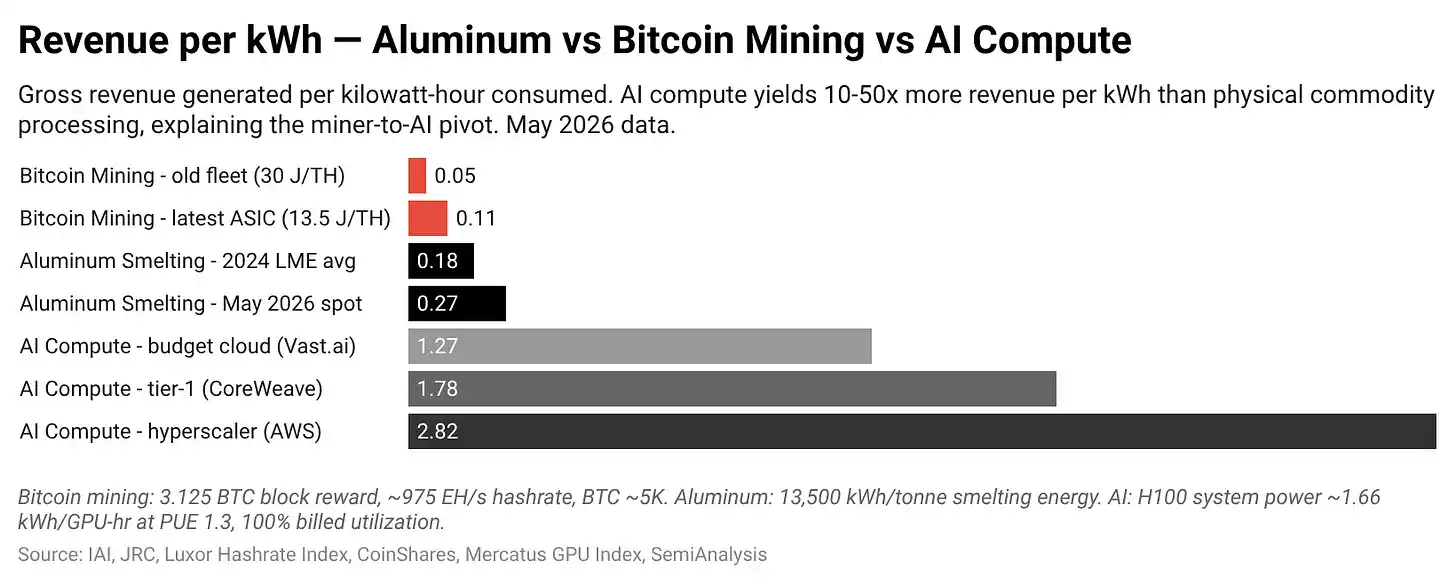
If you're still wondering why, the underlying logic stems from the disparity in revenue per kilowatt-hour of electricity (calculated at real-time London Metal Exchange prices):

  • Aluminum Smelting: Each kWh can generate $0.17–$0.27 in gross revenue.
  • Bitcoin Mining: At current rates, each kWh yields only $0.05–$0.11.
  • Running AI Inference Tasks on H100 GPUs: Each kWh yields a whopping $1.27–$3.67.

When electricity was cheap, producing aluminum made sense. As margins in the aluminum industry were squeezed, Bitcoin mining became the new use case for low-cost power. By 2026, with Bitcoin prices depressed, AI workloads have become the unequivocally better choice.

Three recent transactions vividly illustrate the industry-wide scramble for power resources, whether for cryptocurrency mining or AI compute.

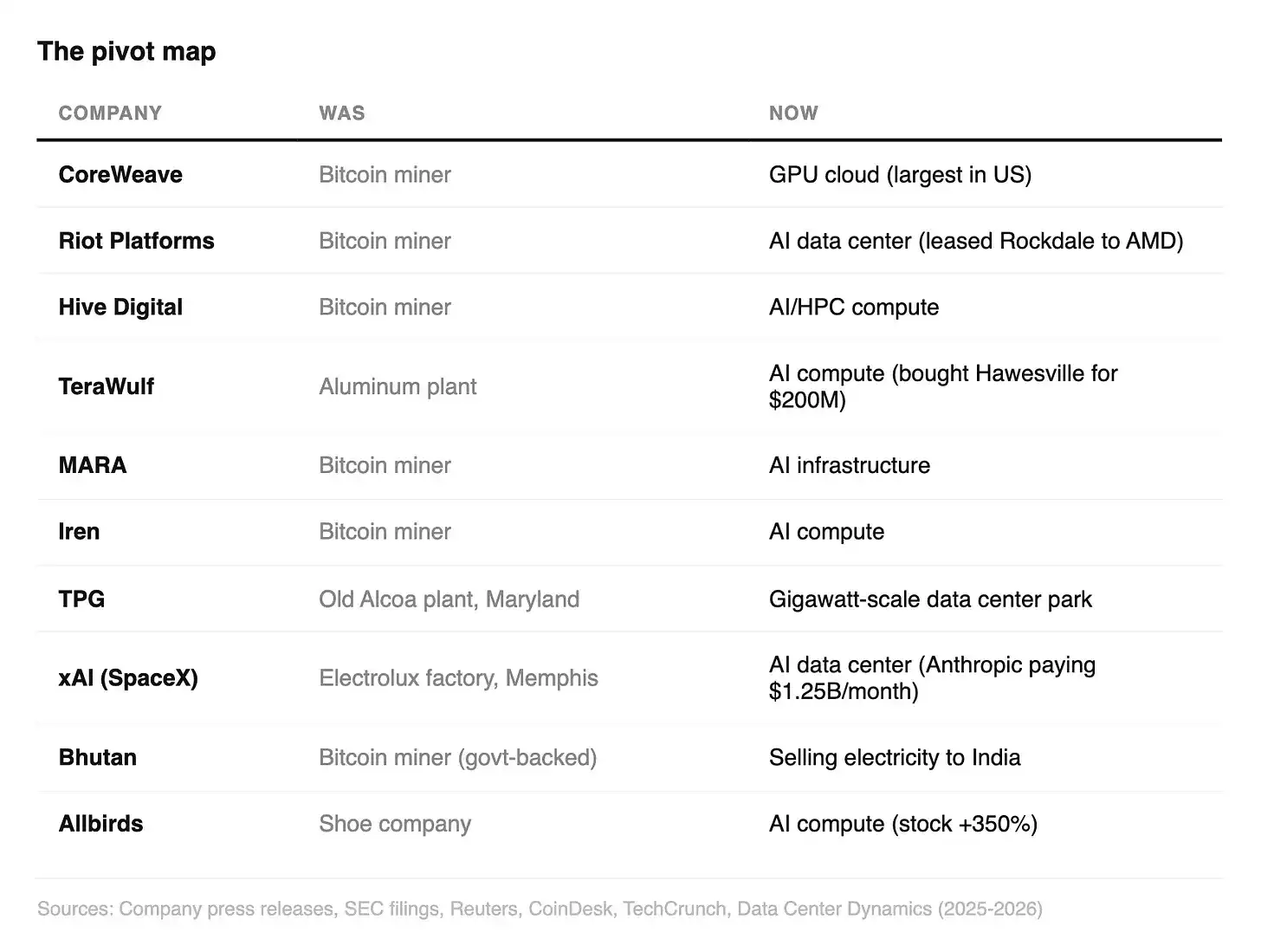
Riot, with its large site in Rockdale, hasn't limited itself to Bitcoin mining. It has leased part of its space and power to chip giant AMD for building an AI data center. Simply by subleasing electricity and space, the company stands to earn hundreds of millions of dollars.

TeraWulf has embarked on a major expansion, spending $200 million to acquire the century-old Century Aluminum plant in Hawesville, Kentucky. The core reason for choosing this location is the plant's existing, robust high-capacity electrical infrastructure. The company plans to dismantle the old production equipment and build a large-scale data center campus leveraging the ready-made power grid.

NYDIG set its sights on the former Massena East industrial site in New York State. The site had been idle for years but offers direct access to 435 megawatts of cheap hydroelectric power from the St. Lawrence River. While peers pivot to AI, NYDIG secured this location solely to lock in low-cost hydropower to continue its Bitcoin mining operations. The industry has long since stopped building sites from scratch; it now competes for existing power hubs.

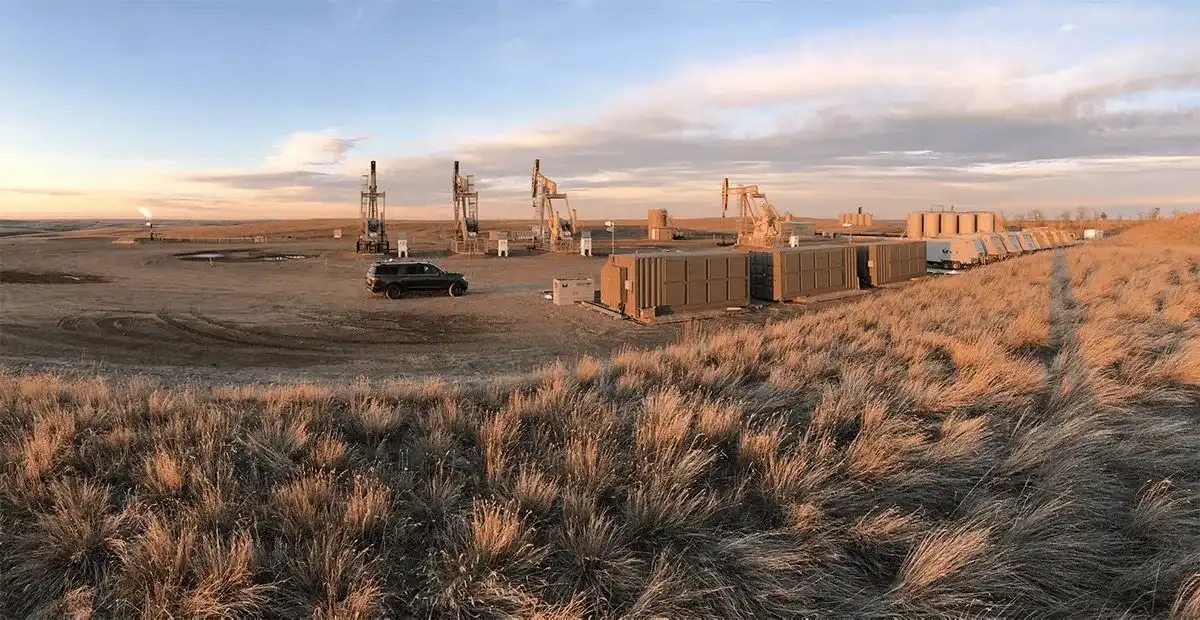
Over the past two decades, Bitcoin miners have roamed the globe in search of cheap power: at remote hydroelectric dams in Washington state, at flare gas sites in North Dakota's oil fields, in clusters of old industrial grids in upstate New York. The industry has honed a mature set of supporting capabilities: 24/7 high-load power management, industrial-grade cooling solutions, long-term, low-cost power contracts.

The rising AI firms happen to need these ready-made resources and have deeper pockets.

Anthropic is aggressively locking down power resources. Microsoft, Google, and Amazon are also on a data center construction spree, with power infrastructure buildout struggling to keep pace with new facility deployment. The three tech giants are now directly competing with Bitcoin miners for the same pool of industrial power resources. Where miners once competed against each other for power, they now find themselves at a disadvantage against the tech titans.

Data from early 2026 confirms the industry's predicament. Bitcoin's global network hash rate declined for the first time in six years. While the current cost to mine a single Bitcoin is around $88,000, for most of May this year, the price has hovered around $77,000. Miners operating at standard electricity rates are losing money on every coin they produce.

A collective pivot has followed. Companies like Hive, Hut 8, TeraWulf, and Iren are dismantling mining rigs and converting facilities into AI server rooms. CoreWeave has completely exited crypto mining, fully transitioning to AI cloud services. MARA acquired a French tech company to shift its business focus. Those positioned as "power operators," holding valuable electricity resources, are surviving. Miners solely focused on the crypto space are in crisis.

Energy analysts have dubbed this phenomenon the "digital resource curse": nations and companies are increasingly realizing that simply controlling cheap electricity yields higher returns than developing new technologies themselves.

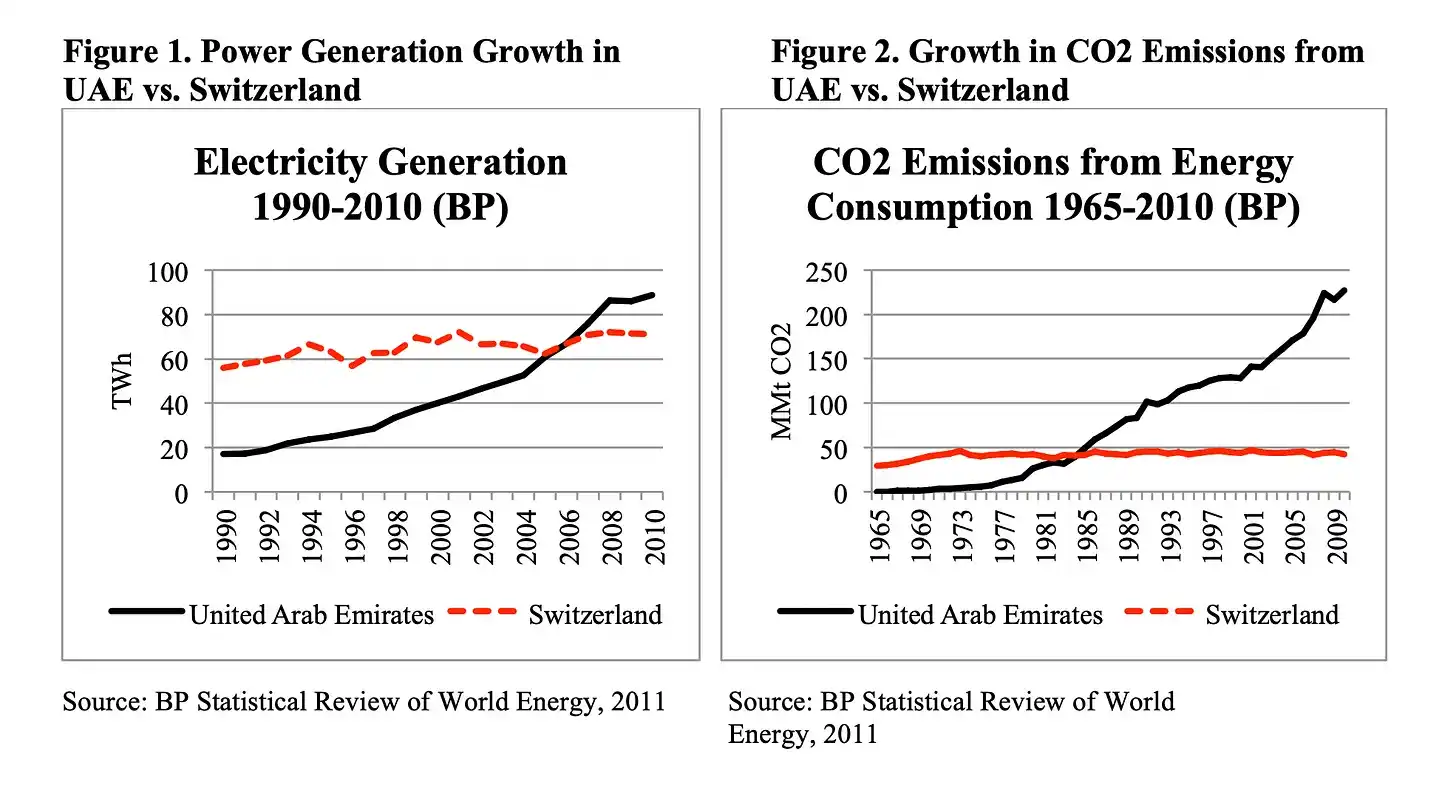
The Gulf States grasped this logic early. For the past six decades, they have maintained ultra-low electricity tariffs: Kuwait has kept residential rates stable at $0.007 per kWh since 1966; in Abu Dhabi, the combined cost of production and delivery is about $0.087 per kWh, but it's sold to residents for just $0.014. Low-cost power was originally a tool for industrial policy, attracting energy-intensive industries like aluminum smelting, petrochemicals, and steel to the desert.

Today, that same cheap power that once supported heavy industry has found a new user: the data center. Saudi Arabia has established a sovereign AI investment agency, HUMAIN, investing tens of billions in tech infrastructure. The UAE is building a 5-gigawatt AI park, attracting companies like OpenAI, Oracle, and Nvidia. The grid that once powered aluminum smelters now powers AI compute. The planned NEOM Oxagon, originally conceived as a floating industrial city, has been repurposed into a $5 billion AI data center cluster powered by wind and solar.

The Carnegie Endowment for International Peace noted: Cloud computing has become the Gulf's "new aluminum." Instead of exporting physical commodities, the region is now converting fossil fuels and solar energy into compute power and exporting it via the internet.

It's not just the Middle East. Bhutan's case is equally telling.

Bhutan once possessed some of the world's cheapest hydropower. Its state-backed Bitcoin mining project was once hailed as a model of sovereign mining, holding a peak of 13,000 BTC. That has now dwindled to 3,100 BTC, and mining operations ceased over a year ago. The country's hydropower is now sold directly to the Indian grid.

The calculus mirrors that of the old American aluminum plant: Is Bitcoin mining still the best use of our electricity? When the answer was yes, Bhutan mined. When selling power to India offered a more stable return without the volatility risk of cryptocurrency, the power flowed to its neighbor.

Similarly, Starcloud raised $200 million to plan an orbital solar-powered data center. They recently trained the first AI model in space using H100 GPUs and are seeking approval to launch 88,000 satellites. While the project retains a Bitcoin mining operation, it is only a secondary component: the in-orbit solar panels generate continuous power, and when the AI compute queue is idle, the surplus electricity is used for crypto mining.

Low Earth orbit offers unique advantages for power generation: constant sunlight, no land use, and the cold of space negates the need for extensive cooling equipment. Over the past two decades, launch costs have fallen by 95%.

SpaceX is also deeply involved in the power-and-compute calculus. According to its latest IPO filing, the company's Colossus 1 data center in Memphis, Tennessee, has its entire compute capacity exclusively leased by Anthropic under a contract running until May 2029, valued at over $40 billion. This single deal alone brings SpaceX $1.25 billion in monthly revenue. This data center was also converted from an old appliance factory, mirroring the transformation model seen in Rockdale's aluminum plant.

Amidst all this industrial churn, perhaps the most unexpected pivot is that of Allbirds. The sustainable shoe brand, once valued at $4 billion, saw its stock price plummet 98% as the consumer brand bubble burst. With its core business struggling, the company, armed with cash and a public listing, decisively pivoted entirely to operating AI compute infrastructure. Its stock price subsequently surged 350%. The market voted: operating servers and trading in power/compute is far more profitable today than the traditional consumer sector.

Meanwhile, crypto projects like Bittensor, Render, and Akash are charting a different path: not building large, centralized facilities, but aggregating the world's distributed, idle compute.

Bittensor has built a compute marketplace where, underpinned by a fixed-supply token system, various AI models compete to provide answers; the project also halved its daily token issuance in December 2025. Render incentivizes users to share idle GPU resources for AI tasks. Akash rents out cloud compute, claiming prices up to 85% lower than Amazon Web Services.

This distributed compute model is gaining attention. At Nvidia's GTC conference in 2026, CEO Jensen Huang compared Bittensor to the classic internet project Folding@home. The latter was born from the idea of leveraging idle home computers worldwide, making dormant devices productive; Bittensor uses crypto tokens as an incentive to aggregate the compute of idle gaming PCs and old mining rigs.

Looking at the big picture, from the roar of industrial fans in Rockdale to sun-chasing satellites in orbit, a massive reconfiguration around physical assets is underway. For the companies involved, the only rule is to chase profit margins. I predict that a decade from now, these compute facilities may once again be emptied and repurposed for the next generation of emerging industries. The underground electrical transmission lines, however, will remain unchanged from beginning to end.

Whoever controls the cheapest electricity decides what the compute is used for. This logic has already played out in Texas, Bhutan, and Abu Dhabi. And 250 miles above the Earth's surface, it will hold true as well.

Связанные с этим вопросы

QWhat is the core reason behind the industrial transformation from aluminum smelting to Bitcoin mining and then to AI data centers at sites like the one in Rockdale, Texas?

AThe core reason is the pursuit of maximizing revenue per kilowatt-hour of electricity consumed. The decision is driven by comparing the gross revenue each activity generates from the same unit of power: aluminum smelting ($0.17–0.27/kWh), Bitcoin mining ($0.05–0.11/kWh), and AI inference tasks using H100 GPUs ($1.27–3.67/kWh). As profitability shifts, businesses repurpose infrastructure to host the most lucrative power-consuming operation.

QHow are Bitcoin miners being outcompeted in the race for cheap electricity resources according to the article?

ABitcoin miners are being outcompeted by well-funded AI companies and tech giants like Microsoft, Google, and Amazon. These AI-focused firms have stronger capital and are aggressively securing the same industrial-scale, low-cost power resources and data center sites that miners previously relied on. This competition has contributed to a decline in Bitcoin's global hash rate as miners struggle with profitability against higher electricity bidders.

QWhat is the 'digital resource curse' mentioned in the article, and how is it exemplified by Gulf states?

AThe 'digital resource curse' refers to the phenomenon where countries or companies find that simply controlling cheap electricity resources yields higher returns than developing new technologies. Gulf states like Kuwait and Abu Dhabi exemplify this by using long-standing, heavily subsidized low electricity prices—initially to attract energy-intensive industries like aluminum and chemicals—to now pivot and attract massive AI data center investments, effectively exporting compute power instead of physical commodities.

QWhat alternative, decentralized model for providing AI compute is highlighted in the article, and which projects represent it?

AThe article highlights a decentralized model that aggregates globally distributed, idle computing power instead of building large centralized data centers. This model is represented by crypto projects like Bittensor (which creates a marketplace for AI models to compete), Render (which shares idle GPU resources for AI tasks), and Akash (which offers decentralized cloud computing at lower costs). Nvidia's CEO compared Bittensor to the classic distributed computing project Folding@home.

QWhat broader principle does the article conclude governs the evolution of power-intensive industries from aluminum to AI?

AThe article concludes that the fundamental principle is that whoever controls the cheapest electricity determines the use of compute power. Industries—whether aluminum smelting, Bitcoin mining, or AI training—will continuously migrate to and repurpose infrastructure based on where they can achieve the highest profit per unit of electricity. The physical power grid remains constant, while the operations it supports evolve to follow the highest monetary return.

Похожее

Bankless Co-founder: Why I Sold All My ETH

Author David Hoffman, founder of Bankless, explains his decision to sell all his ETH, despite being a prominent figure in the Ethereum ecosystem. He clarifies that his move is not a bearish take on Ethereum itself, which he remains highly optimistic about as a network. His core argument is that the "ETH is money" thesis, which he helped popularize, has largely played out. Hoffman argues that ETH has achieved the market valuation it deserves based on Ethereum's current success and competitive position. He details several reasons for this view. First, the path for ETH to become global money required nearly flawless execution and sustained dominance across Ethereum's entire technical and social stack—a coordination challenge he now believes had a narrower window for success than anticipated. Second, market data shows a strong correlation between L1 chain activity/fees and the price of its native asset; Ethereum's fee dominance has been challenged by competitors like Solana. Third, the "strong version" of crypto (decentralized, native crypto economies) that ETH's monetary thesis relied upon has struggled to maintain a positive mainstream narrative and stable adoption beyond a brief period. Finally, Ethereum's architecture as a "giver"—providing secure block space and tokenization capabilities at cost to L2s and applications—means it doesn't capture premium value directly. Its rollup-centric roadmap further directs most profits to L2s and applications ("fat app theory"). In conclusion, Hoffman believes the opportunity for ETH to be revalued significantly upward as money has diminished. He sold not because ETH will fail, but because its monetary thesis has matured, and he seeks to allocate capital to other opportunities he finds more compelling.

链捕手1 ч. назад

Bankless Co-founder: Why I Sold All My ETH

链捕手1 ч. назад

From Issuer to Infrastructure Owner: Circle's Arc Strategy and the Fatal Gap in the GENIUS Act

Circle raised $222 million for its proprietary Layer-1 blockchain, Arc, positioning itself not just as a stablecoin issuer but as the owner of the settlement infrastructure USDC relies on. This move, backed by investors like BlackRock and Apollo, highlights a significant structural conflict unaddressed by the GENIUS Act of 2025. While the act focuses on stablecoin reserves and issuer oversight, it remains silent on the market structure implications of an issuer controlling the underlying network—a scenario akin to a currency issuer also owning the payment rails. Traditionally, financial regulations separate issuers from settlement infrastructure to ensure neutrality. With Arc, Circle gains control over transaction ordering, fees, and network rules, potentially favoring USDC over competitors. The article argues that this creates a permanent structural temptation, even if no abuse occurs. The solution lies in applying established market infrastructure principles: mandating neutral transaction ordering, transparent fee schedules, and governance separated from Circle’s commercial interests. The current pre-mainnet phase offers a critical window for regulators to establish these rules before Arc becomes entrenched. Once operational, enforcing changes would be costly and disruptive. The core question remains: should a regulated stablecoin issuer be allowed to own the settlement network its competitors must use? The GENIUS Act doesn’t answer this, but Circle’s Arc strategy makes it urgent.

marsbit1 ч. назад

From Issuer to Infrastructure Owner: Circle's Arc Strategy and the Fatal Gap in the GENIUS Act

marsbit1 ч. назад

What Are the Key Variables Determining the AI Bull Market?

Title: What Determines the AI Bull Market? Key Variables Revealed Despite rising oil prices above $100/barrel, persistent inflation, and fragile Fed rate cut expectations—a traditionally hostile environment for high-valuation tech stocks—the AI sector continues to drive the market to new highs. According to analysts, the current AI boom is in a phase of "rational fervor": while bubbles exist, they are not yet out of control. The crucial shift is the emergence of Agentic AI, which is evolving from an assisting tool (Copilot) to an autonomous execution tool (Autopilot), creating a clearer commercial path from investment to revenue. This shift accelerates Token consumption and inference computing demand while boosting revenue forecasts for leading firms. The market is now rewarding capital expenditure as it transforms from a burden into a competitive moat, supporting hardware chains like GPUs, optical modules, and storage. However, valuations have already priced in growth expectations for 2027-2028. The forward P/E ratio for the "Magnificent Seven" tech giants is about 35x, compared to 25x for the rest of the S&P 500. This premium implies AI adoption must occur 5 to 8 times faster than past technological revolutions—a scenario with little room for error. The sustainability of the AI bull market hinges on three key variables: 1. **Short-term liquidity shocks**: Risks include sustained high oil prices, resurgent inflation, rising interest rates, and potential unwinding of the yen carry trade. The critical question is whether the upward revision speed of Annual Recurring Revenue (ARR) can outpace the rise in interest rates. 2. **Mid-term industry realization**: Can the actual pace of AI adoption and commercialization match the current lofty valuations? Historically, general-purpose technology revolutions follow a non-linear path with periods of acceleration and deceleration. 3. **Long-term structural constraints**: These include energy and power grid limitations, employment displacement and consumer purchasing power, social acceptance and potential backlash, and potential hardware technology breakthroughs that could disrupt current supply chains. While the long-term prospects for AI remain optimistic with potential for significant productivity gains, the stock market's pricing depends not just on the vision but on the actual speed of realization amid these growing constraints. The direction is clear, but the pace of execution will determine whether the bubble remains controlled or spirals out of control.

marsbit1 ч. назад

What Are the Key Variables Determining the AI Bull Market?

marsbit1 ч. назад

Торговля

Спот
Фьючерсы

Популярные статьи

Тест по Bitcoin Биткоина

HTX Learn: Изучите Bitcoin halving и Заработаете Токены USDT

3.0k просмотров всегоОпубликовано 2024.04.16Обновлено 2024.04.16

Тест по Bitcoin  Биткоина

Что такое $BITCOIN

ЦИФРОВОЕ ЗОЛОТО ($BITCOIN): Комплексный анализ Введение в ЦИФРОВОЕ ЗОЛОТО ($BITCOIN) ЦИФРОВОЕ ЗОЛОТО ($BITCOIN) — это проект на основе блокчейна, работающий в сети Solana, который стремится объединить характеристики традиционных драгоценных металлов с инновациями децентрализованных технологий. Хотя он носит имя Биткойн, часто называемого “цифровым золотом” из-за его восприятия как средства хранения ценности, ЦИФРОВОЕ ЗОЛОТО является отдельным токеном, предназначенным для создания уникальной экосистемы в ландшафте Web3. Его цель — позиционировать себя как жизнеспособный альтернативный цифровой актив, хотя детали его применения и функциональности все еще развиваются. Что такое ЦИФРОВОЕ ЗОЛОТО ($BITCOIN)? ЦИФРОВОЕ ЗОЛОТО ($BITCOIN) — это токен криптовалюты, специально разработанный для использования в блокчейне Solana. В отличие от Биткойна, который выполняет широко признанную роль хранения ценности, этот токен, похоже, сосредоточен на более широких приложениях и характеристиках. Примечательные аспекты включают: Инфраструктура блокчейна: Токен построен на блокчейне Solana, известном своей способностью обрабатывать высокоскоростные и недорогие транзакции. Динамика предложения: ЦИФРОВОЕ ЗОЛОТО имеет максимальное предложение, ограниченное 100 квадриллионами токенов (100P $BITCOIN), хотя детали о его обращающемся предложении в настоящее время не раскрыты. Утилита: Хотя точные функциональные возможности не описаны, есть указания на то, что токен может быть использован для различных приложений, потенциально связанных с децентрализованными приложениями (dApps) или стратегиями токенизации активов. Кто создатель ЦИФРОВОГО ЗОЛОТА ($BITCOIN)? На данный момент личность создателей и команды разработчиков, стоящих за ЦИФРОВЫМ ЗОЛОТОМ ($BITCOIN), остается неизвестной. Эта ситуация типична для многих инновационных проектов в области блокчейна, особенно тех, которые связаны с децентрализованными финансами и феноменом мем-криптовалют. Хотя такая анонимность может способствовать культуре, ориентированной на сообщество, она усиливает опасения по поводу управления и ответственности. Кто инвесторы ЦИФРОВОГО ЗОЛОТА ($BITCOIN)? Доступная информация указывает на то, что у ЦИФРОВОГО ЗОЛОТА ($BITCOIN) нет известных институциональных спонсоров или значительных венчурных капиталовложений. Проект, похоже, функционирует по модели пирингового взаимодействия, сосредоточенной на поддержке и принятии сообществом, а не на традиционных путях финансирования. Его активность и ликвидность в основном сосредоточены на децентрализованных биржах (DEX), таких как PumpSwap, а не на устоявшихся централизованных торговых платформах, что еще больше подчеркивает его подход, ориентированный на grassroots. Как работает ЦИФРОВОЕ ЗОЛОТО ($BITCOIN) Операционные механизмы ЦИФРОВОГО ЗОЛОТА ($BITCOIN) можно подробно описать на основе его дизайна блокчейна и характеристик сети: Механизм консенсуса: Используя уникальный механизм доказательства истории (PoH) Solana в сочетании с моделью доказательства доли (PoS), проект обеспечивает эффективную валидацию транзакций, что способствует высокой производительности сети. Токеномика: Хотя конкретные дефляционные механизмы не были подробно описаны, большое максимальное предложение токенов подразумевает, что оно может быть предназначено для микротранзакций или нишевых случаев использования, которые еще предстоит определить. Интероперабельность: Существует потенциал для интеграции с более широкой экосистемой Solana, включая различные платформы децентрализованных финансов (DeFi). Однако детали относительно конкретных интеграций остаются неуточненными. Хронология ключевых событий Вот хронология, которая подчеркивает значимые вехи, касающиеся ЦИФРОВОГО ЗОЛОТА ($BITCOIN): 2023: Первоначальное развертывание токена происходит в блокчейне Solana, отмеченное его адресом контракта. 2024: ЦИФРОВОЕ ЗОЛОТО приобретает видимость, когда оно становится доступным для торговли на децентрализованных биржах, таких как PumpSwap, позволяя пользователям обменивать его на SOL. 2025: Проект наблюдает спорадическую торговую активность и потенциальный интерес к инициативам, возглавляемым сообществом, хотя на данный момент не зафиксировано никаких значительных партнерств или технических достижений. Критический анализ Сильные стороны Масштабируемость: Основная инфраструктура Solana поддерживает высокие объемы транзакций, что может повысить полезность $BITCOIN в различных сценариях транзакций. Доступность: Потенциально низкая цена торговли за токен может привлечь розничных инвесторов, способствуя более широкому участию благодаря возможностям дробного владения. Риски Отсутствие прозрачности: Отсутствие публично известных спонсоров, разработчиков или процесса аудита может вызвать скептицизм относительно устойчивости и надежности проекта. Волатильность рынка: Торговая активность сильно зависит от спекулятивного поведения, что может привести к значительной волатильности цен и неопределенности для инвесторов. Заключение ЦИФРОВОЕ ЗОЛОТО ($BITCOIN) является интригующим, но неоднозначным проектом в быстро развивающейся экосистеме Solana. Хотя он пытается использовать нарратив “цифрового золота”, его отход от установленной роли Биткойна как средства хранения ценности подчеркивает необходимость более четкого различения его предполагаемой утилиты и структуры управления. Будущее принятие и усвоение, вероятно, будут зависеть от решения текущей непрозрачности и более четкого определения его операционных и экономических стратегий. Примечание: Этот отчет охватывает синтезированную информацию, доступную на октябрь 2023 года, и с тех пор могут произойти события.

99 просмотров всегоОпубликовано 2025.05.13Обновлено 2025.05.13

Что такое $BITCOIN

Fractal Bitcoin: масштабирование Биткоина с помощью рекурсивной системы

Fractal Bitcoin — масштабное Layer-1-решнение, созданное на базе кода Биткоина, позволяющего достигать бесконечного масштабирования с помощью рекурсивного подхода.

2.3k просмотров всегоОпубликовано 2025.06.30Обновлено 2025.06.30

Fractal Bitcoin: масштабирование Биткоина с помощью рекурсивной системы

Обсуждения

Добро пожаловать в Сообщество HTX. Здесь вы сможете быть в курсе последних новостей о развитии платформы и получить доступ к профессиональной аналитической информации о рынке. Мнения пользователей о цене на BTC (BTC) представлены ниже.

活动图片