Spending Without Selling: Galaxy Turns BTC, ETH, SOL Into Personal Lines of Credit

marsbitОпубликовано 2026-08-28Обновлено 2026-08-28

Введение

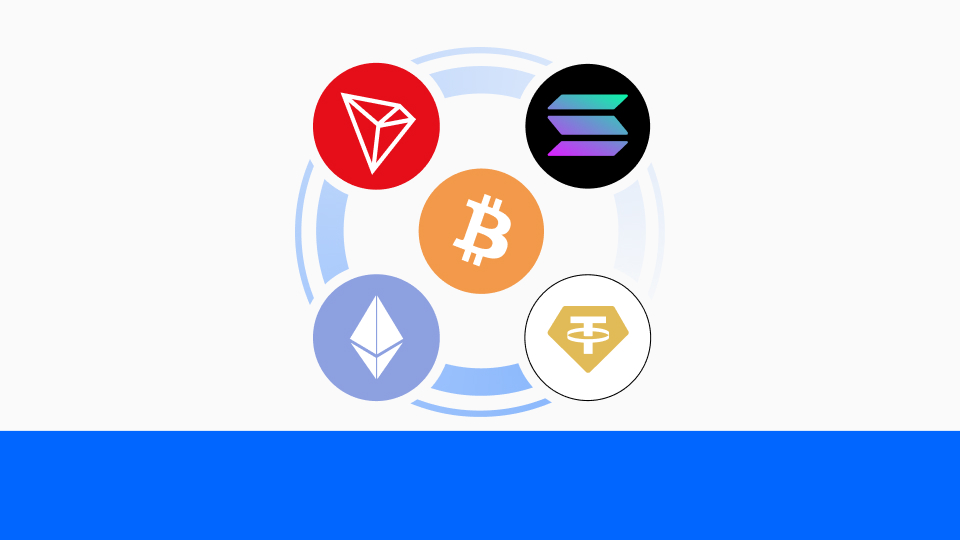
On August 25th, Galaxy Digital launched a Crypto Portfolio Line of Credit on its GalaxyOne retail platform. Users can borrow USD or USDC at a fixed 8.99% APR using a mix of BTC, ETH, and SOL (including staked SOL) as collateral. The initial loan-to-value ratio is 50%, and the service is currently available in 40 U.S. states. Galaxy emphasizes that client collateral will not be rehypothecated, and staked SOL will continue to earn rewards. This product targets high-net-worth individuals, family offices, and founders who hold significant crypto assets but seek liquidity without triggering capital gains taxes by selling. Key features include combined collateral across multiple assets, acceptance of staked SOL, and flexible fund usage for expenses, investments, or trading within GalaxyOne. The launch occurs amidst a contracting crypto-backed lending market, which declined to $56.16 billion in Q2 2026. Galaxy's entry, led by BlockFi's former founder Zac Prince, positions itself with a safety-first promise of no rehypothecation, directly addressing failures seen in 2022. However, risks remain for borrowers, including potential margin calls if collateral values drop significantly and the ongoing cost of the 8.99% interest rate. The product is most advantageous during bullish markets where asset appreciation outweighs interest costs, functioning best as a short-term liquidity tool rather than a long-term leverage strategy.

Author: Xiaobing

On August 25th, Galaxy Digital launched a Crypto Portfolio Line of Credit on its retail platform, GalaxyOne. Users can borrow USD or USDC at a 8.99% annual interest rate using a mix of BTC, ETH, and SOL (including staked SOL) as collateral. There are no account opening fees; interest is paid monthly; the credit line is revolving, available for repeated use, and funds are instantly accessible. The initial loan-to-value (LTV) ratio is 50% (meaning up to $50,000 can be borrowed against $100,000 worth of crypto assets), and the product is currently available in 40 US states.

Galaxy explicitly promises: clients' collateral assets will not be rehypothecated, and staked SOL will continue to earn staking rewards.

This is a product aimed at retail users, but the question behind it concerns the next phase of competition in the entire crypto industry: Can on-chain assets become purchasing power in the real world?

Product Breakdown

There are several notable design aspects of Galaxy's credit line.

First, it involves portfolio collateral, not single-asset collateral. Users can put BTC, ETH, and SOL into the same credit line, eliminating the need to apply for separate loans for each asset. This means volatility risk within the collateral portfolio is somewhat diversified; if ETH falls but BTC rises, the overall LTV of the portfolio may still remain healthy.

Second, SOL is included as eligible collateral, and even staked SOL can be used.

This is a clear statement from Galaxy regarding SOL's status as an institutional-grade asset. Prior to this, most crypto-collateralized lending products only supported BTC and ETH. The inclusion of SOL and the "staking uninterrupted" design directly appeal to Solana ecosystem token holders.

Third, the 8.99% interest rate is not cheap.

Crypto-collateralized lending rates offered by Coinbase via Morpho can be as low as 5% (but fluctuate with pool utilization), Ledn is around 10.4%, Figure is about 9.9%. Strike starts around 9.5%, Nexo advertises rates as low as 1.9% but requires holding NEXO tokens. Galaxy's 8.99% sits in the middle of the market; its selling point is not the lowest price but rather fixed, predictable rates combined with the security promise of no rehypothecation.

Fourth, there are no restrictions on fund usage. The borrowed USD or USDC can be used for daily expenses, paying taxes, a down payment on a house, investment opportunities, or trading US stocks and ETFs within the GalaxyOne platform. GalaxyOne already integrated crypto and stock trading functions when it launched in October 2024; the credit line product further connects the four links of "holding crypto, borrowing, spending, and investing."

Who Needs This Product

The core user profile for crypto-collateralized lending is: individuals holding significant crypto assets who do not wish to sell (due to bullish long-term views or to avoid triggering capital gains tax) but have short-term cash flow needs.

Under US tax law, selling crypto assets is a taxable event. Long-term capital gains tax rates for holdings over a year can reach 20%, plus a 3.8% Net Investment Income Tax, pushing the marginal rate close to 24%. If a holder has $1 million in unrealized BTC gains, selling could mean over $200,000 in taxes. But if they use BTC as collateral to borrow $500,000, they gain liquidity without triggering a tax event and continue holding the BTC. The cost is roughly $45,000 in annual interest (8.99% × $500k).

This calculation makes sense when BTC's appreciation exceeds the interest rate. BTC's annual returns in 2024 and 2025 both far exceeded 8.99%. However, if BTC enters a downtrend, borrowers face a double blow: asset depreciation + ongoing interest payments + potential margin calls or forced liquidations.

Galaxy's target clients are high-net-worth individuals, family offices, and founders. GalaxyOne Managing Director Zac Prince (former founder of BlockFi) stated that this product leverages Galaxy's institutional-grade infrastructure to serve retail clients.

Prince's background is noteworthy. The company he founded, BlockFi, was once a leader in the crypto-collateralized lending market and went bankrupt in 2022 due to the FTX fallout.

He is now back building a similar product at Galaxy but emphasizes the safety baseline of "no rehypothecation."

A Market That Is Contracting

Data from Galaxy's own research department shows the crypto-collateralized lending market is shrinking.

In Q1 2026, the total outstanding crypto-collateralized loans were $67.42 billion, down 5.1% from the previous quarter and down 14.3% from the Q3 2025 peak of $78.67 billion. It further contracted to $56.16 billion in Q2, a quarter-on-quarter decline of 16.78%.

But from a longer-term perspective, CeFi lending has rebounded 271.69% from its Q4 2023 low of $6.8 billion. The market is undergoing a post-FTX, post-BlockFi reshuffling and consolidation, not a return to zero. Tether dominates the CeFi lending market with a 62.25% share, followed by Maple and Nexo.

Galaxy's decision to enter during a market contraction may be based on two logics. First, contraction means competitors are exiting, making market share easier to capture. Second, Galaxy believes the demand for crypto-collateralized lending is structural (avoiding taxes + the rigid need to hold without selling), and short-term market contraction does not alter the long-term growth trend.

Crypto-collateralized lending is a leverage product. Its risk structure is the same as all leverage products: it makes your assets more efficient during uptrends but worsens your situation during downtrends.

A 50% initial LTV means if the collateral value drops more than 50%, borrowers may face margin calls or forced liquidation.

Galaxy has not yet publicly disclosed specific margin call thresholds and liquidation mechanisms; this is key information potential borrowers need to confirm before use.

The lessons from 2022 are not far behind.

BlockFi, Celsius, Voyager, and Genesis went bankrupt one after another, primarily because when crypto assets plummeted, collateral values fell below loan amounts, triggering chain liquidations. Another common factor in their downfall was rehypothecation; they used client collateral for other investments, and when those investments lost money, they lacked sufficient assets to repay clients. Galaxy's promise not to rehypothecate is a direct response to the 2022 disaster.

But eliminating rehypothecation only addresses platform-side risk, not borrower-side risk.

If BTC falls 40% to 50% from current levels, borrowers will still face margin call pressure. In extreme market conditions, being forced to liquidate collateral at a low point could result in greater losses than selling the assets and paying taxes in the first place.

The 8.99% interest rate is also not zero cost. Holding an asset that generates no yield for a year while paying nearly 9% interest is a significant burden for most retail users. The truly advantageous scenario for this product is during a crypto bull market, where asset appreciation far exceeds interest costs. In a sideways or bear market, it more closely resembles a liquidity trap.

The correct way to use crypto-collateralized lending is as a short-term liquidity tool, not a long-term leverage strategy.

Трендовые криптовалюты

Связанные с этим вопросы

QWhat is Galaxy Digital's new product on the GalaxyOne platform, and which cryptocurrencies does it support as collateral?

AGalaxy Digital has launched a Crypto Portfolio Line of Credit on its GalaxyOne platform. This product allows users to borrow USD or USDC using a mix of BTC, ETH, and SOL (including staked SOL) as collateral, with a fixed annual interest rate of 8.99%.

QAccording to the article, what is a key financial reason why a crypto holder in the US might prefer using this credit line instead of selling their assets?

AA key reason is to avoid triggering a taxable event. In the US, selling crypto assets incurs capital gains tax (potentially up to a ~24% marginal rate for long-term holdings). Borrowing against the assets provides liquidity without selling and thus without immediate tax consequences.

QWhat significant safety commitment does Galaxy make regarding the customer's collateral assets, and why is this important in the context of recent crypto history?

AGalaxy commits to not rehypothecating (re-using for other investments) the customer's collateral assets. This is a direct response to the failures of lenders like BlockFi and Celsius in 2022, where rehypothecation contributed to catastrophic losses when their investments failed.

QWhat is the current trend in the overall crypto-collateralized lending market, and what might be Galaxy's rationale for launching the product now?

AThe overall market is currently contracting, with total loan value declining for consecutive quarters. Galaxy's rationale for launching now could be twofold: 1) Contraction means competitors are exiting, making it easier to capture market share. 2) Galaxy believes the demand for such products (driven by tax avoidance and long-term holding) is structural and will persist long-term despite short-term market cycles.

QWhat are the primary risks for a borrower using this Galaxy credit line, even with Galaxy's 'no rehypothecation' promise?

AThe primary risks for the borrower remain market risk and leverage risk. If the value of the collateral portfolio (e.g., BTC, ETH, SOL) falls significantly (e.g., 40-50% from entry), the borrower may face margin calls or forced liquidation, potentially locking in losses. Additionally, the 8.99% interest represents a ongoing cost that can become burdensome, especially in bear or stagnant markets where asset appreciation does not outpace it.

Похожее

The Sandbox обязалась возместить потери в соотношении 1:1 после эксплуатации моста на $700 000

Игровая блокчейн-платформа The Sandbox пообещала полностью возместить потери держателям токена SAND после взлома моста 21 августа, в результате которого из Ethereum-хранилища было похищено токенов на сумму около $700 000. Компания опубликовала разбор инцидента, пообещав, что пользователи, законно хранившие «привязанные» (bridged) токены SAND в сетях Base или BNB Smart Chain до атаки, получат эквивалентное количество токенов SAND в сети Ethereum. Компенсация будет выплачена из казны проекта, без выпуска новых токенов. Процесс подачи заявок на возмещение откроется в течение двух недель и продлится ещё две недели. Более 72% от общего объёма компенсаций приходится на два централизованных биржа, которые самостоятельно выплатят средства пострадавшим клиентам. По данным The Sandbox, злоумышленник воспользовался уязвимостью в конфигурации контрактов SAND в сетях Base и BNB Chain, что позволило ему стать единственным верификатором входящих сообщений моста и выпустить ничем не обеспеченные токены. Было незаконно отчеканено свыше 339 триллионов токенов, однако они были изолированы и не могут быть перемещены через мост или погашены. Токены SAND в сетях Ethereum и Polygon не пострадали. Скомпрометированные контракты моста будут окончательно отключены. В будущем любые мосты для сетей Base или BNB Chain будут использовать новые контракты.

cointelegraph21 мин. назад

The Sandbox обязалась возместить потери в соотношении 1:1 после эксплуатации моста на $700 000

cointelegraph21 мин. назад

Китайский венчурный капитал: от выбора людей к выбору городов

Китайские венчурные инвестиции смещаются от выбора основателей к выбору городов. В эпоху интернета успех стартапов, таких как Meituan, NIO и Li Auto, во многом зависел от видения и опыта предпринимателей, таких как Ван Син, Ли Бин и Ли Сян. Однако с приходом эпохи hard tech (робототехника, ИИ, биомедицина) ситуация изменилась. Теперь успех всё больше зависит от городской экосистемы: наличия производственно-сбытовых цепочек, кадрового потенциала, исследовательской инфраструктуры и государственной поддержки. Яркие примеры — Шэньчжэнь (робототехника), Пекин (ИИ), Сучжоу (биомедицина), Хэфэй (полупроводники). Решающую роль начинают играть местные государственные фонды, которые, будучи «терпеливым капиталом», задают тренд и привлекают частных инвесторов. Таким образом, для венчурных инвесторов оценка рисков и потенциала компании теперь неразрывно связана с оценкой возможностей и устойчивости города, в котором она базируется. Городам, в свою очередь, для привлечения капитала необходимо концентрироваться на конкретных отраслях, формировать пул перспективных компаний и создавать стабильные, благоприятные условия для бизнеса.

marsbit34 мин. назад

Китайский венчурный капитал: от выбора людей к выбору городов

marsbit34 мин. назад

64,4 миллиарда долларов в опционах на биткойн истекают в пятницу: вызовет ли рынок значительные колебания?

Суммарная стоимость опционов на Bitcoin в размере 64,4 млрд долларов истекает в пятницу на бирже Deribit (81 700 контрактов, соотношение пут/колл 0,83), что указывает на преобладание бычьих настроений. «Максимальная боль» (max pain) составляет около 70 000 долларов, что значительно ниже текущей цены. Большинство контрактов являются глубоко внеденежными и истекают без стоимости, что снижает их потенциальное влияние. Исторически крупные экспирации (например, на 150 млрд и 133 млрд долларов) не вызывали значительных колебаний рынка. Ключевыми факторами на этой неделе являются приток средств в спотовые ETF Bitcoin и Ethereum, а также выступление председателя ФРС Кевина Уорша на симпозиуме в Джексон-Хоул, которое по времени совпадает с экспирацией. Некоторые эксперты полагают, что более серьёзное испытание ожидает рынок в сентябре, когда объём истекающих опционов может быть почти вдвое больше.

marsbit36 мин. назад

64,4 миллиарда долларов в опционах на биткойн истекают в пятницу: вызовет ли рынок значительные колебания?

marsbit36 мин. назад

Компания Evernorth преодолела препятствие, установленное Комиссией по ценным бумагам и биржам США (SEC), и приближается листинг на Nasdaq, ориентированный на XRP

Компания Evernorth Holdings объявила, что Комиссия по ценным бумагам и биржам США (SEC) утвердила ее регистрационное заявление, что приближает возможность листинга компании, ориентированной на XRP, на бирже Nasdaq. Это создает новый регулируемый вариант доступа к токену XRP для институциональных инвесторов без прямой покупки криптоактива. Компания планирует инвестировать в инфраструктуру XRP и увеличивать его объем в расчете на акцию. Выход на Nasdaq планируется через слияние с компанией специального назначения (SPAC) Armada Acquisition Corp. II, соглашение по которому было подписано в октябре 2025 года. Среди инвесторов Evernorth значатся Ripple, Arrington Capital и SBI Group. После завершения сделки объединенная компания будет торговаться под тикером XRPN. Тем не менее, время для сделки выглядит неопределенным на фоне общего спада энтузиазма к компаниям, управляющим цифровыми активами (DAT). Ранее Evernorth уже фиксировала нереализованные убытки от позиций в XRP. Утверждение SEC касается лишь процедуры регистрации, но не является одобрением бизнес-модели. Ключевым вопросом остается интерес инвесторов к таким компаниям в долгосрочной перспективе. Сделка еще не завершена. Голосование акционеров запланировано на 30 сентября 2026 года, а закрытие ожидается в конце третьего — начале четвертого квартала 2026 года.

cryptonews.ru38 мин. назад

Компания Evernorth преодолела препятствие, установленное Комиссией по ценным бумагам и биржам США (SEC), и приближается листинг на Nasdaq, ориентированный на XRP

cryptonews.ru38 мин. назад

Новозеландская партия ACT предлагает отменить налог на прирост капитала при сделках с криптовалютами

Новозеландская правоконсервативная партия ACT предложила план по модернизации регулирования цифровых активов. Ключевое предложение — отмена налога на прирост капитала для частных розничных инвесторов, владеющих криптовалютами более года, что должно стимулировать долгосрочные инвестиции. Профессиональные трейдеры и краткосрочные операции сохранят налогообложение. План также предусматривает освобождение от налогов мелких покупок, оплаченных криптоактивами, для их популяризации как платёжного средства. Другие меры включают создание чёткой нормативной базы для стейблкоинов и токенизированных активов, регуляторную «песочницу» для стартапов и пересмотр правил, которые могут необоснованно ограничивать криптокомпании. Партия заявляет, что чёткие правила и сокращение бюрократии раскроют потенциал цифровой экономики Новой Зеландии, превратив страну в центр финансовых инноваций. Это предложение контрастирует с ранее сдержанной позицией регуляторов страны в отношении криптовалют.

cryptonews.ru41 мин. назад

Новозеландская партия ACT предлагает отменить налог на прирост капитала при сделках с криптовалютами

cryptonews.ru41 мин. назад

Торговля

Спот

Популярные статьи

Manyu: восходящая мем-звезда на Ethereum, готовая открыть новую эру культуры Shiba

Manyu - это мемтокен на Ethereum, который приносит децентрализованную культурную и развлекательную ценность через вирусное влияние в соцсетях и вовлечённость сообщества.

2.2k просмотров всегоОпубликовано 2025.11.27Обновлено 2025.11.27

Manyu: восходящая мем-звезда на Ethereum, готовая открыть новую эру культуры Shiba

Неделя обучения по популярным токенам 14: Glamsterdam — самое ожидаемое обновление Ethereum в 2026 году

Ordinals/Runes по-прежнему стимулируют доходы от комиссий за блоки и активность разработчиков, рассматриваются как отправная точка «нативной эмиссии активов» в сети.

1.8k просмотров всегоОпубликовано 2026.04.29Обновлено 2026.04.29

Неделя обучения по популярным токенам 14: Glamsterdam — самое ожидаемое обновление Ethereum в 2026 году

Обсуждения

Добро пожаловать в Сообщество HTX. Здесь вы сможете быть в курсе последних новостей о развитии платформы и получить доступ к профессиональной аналитической информации о рынке. Мнения пользователей о цене на ETH (ETH) представлены ниже.

活动图片