以太坊第 1 层网络收入骤减,原因何在?

marsbitОпубликовано 2024-09-02Обновлено 2024-09-02

尽管第 2 层的月度用户和每日交易成本急剧增加,但自 2024 年 3 月以来,以太坊第 1 层网络收入却暴跌了 99%。

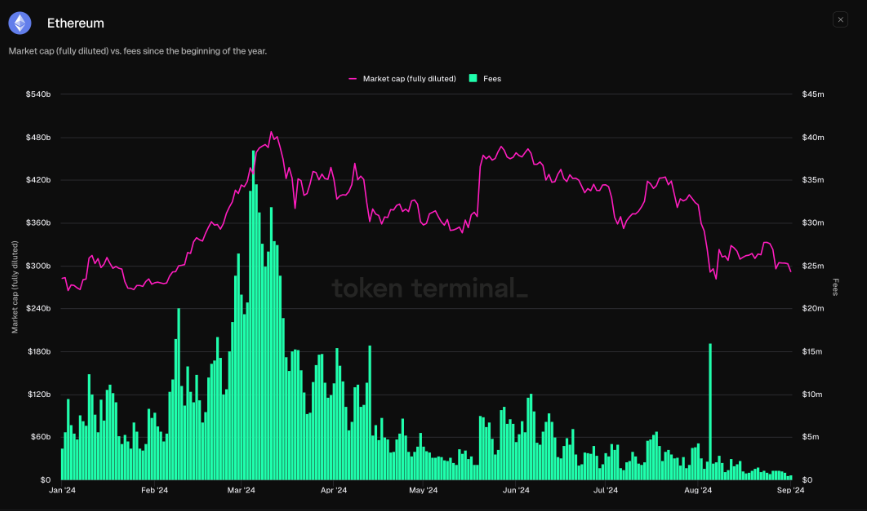
根据Token Terminal 的数据,网络费用在 2024 年 3 月 5 日达到年度最高水平,为 3550 万美元。Dencun 升级于 2024 年 3 月 13 日上线,该升级大大降低了以太坊第 2 层交易的费用。

以太坊

2024 年以太坊网络费用。资料来源:Token Terminal

升级后,网络费用稳步下降,于 8 月 31 日触及 566,000 美元的低点,并于 2024 年 9 月 2 日小幅上涨至 578,000 美元。

L2 太多?

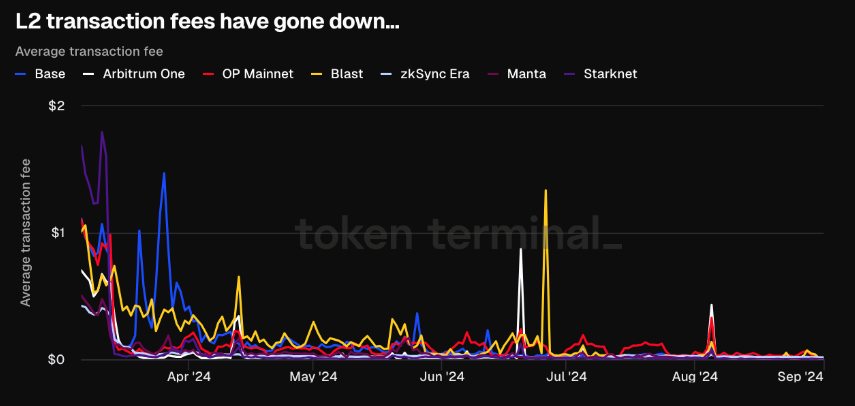
Dencun 升级后,以太坊 L2 费用大幅下降,引发了 L2 扩容解决方案的竞争。第 2 层数据资源 L2Beat 目前列出了74 个以太坊 L2 扩容项目和 21 个第 3 层项目。

Anoma 首席执行官 Adrian Brink 认为,目前在以太坊网络上构建的 L2 解决方案的数量远远超过市场需求。Brink 估计,第 2 层扩展解决方案的数量大约是行业需求的 10 倍。

以太坊

以太坊第 2 层 L2 网络平均网络费用。资料来源:Token Terminal

这种高度竞争的环境鼓励了一场逐底竞争,竞争对手的 L2 竞相向客户提供最低的交易费用。由此产生的竞争吸引了用户不再直接在以太坊基础层上结算,并充当了一种自我强化的机制,进一步降低了网络费用。

低费用造成通胀供给压力

Dencun降低的交易成本抵消了 EIP-1559(一项以太坊改进提案,引入了一种在网络上销毁部分费用的机制)带来的通货紧缩压力。

以太坊

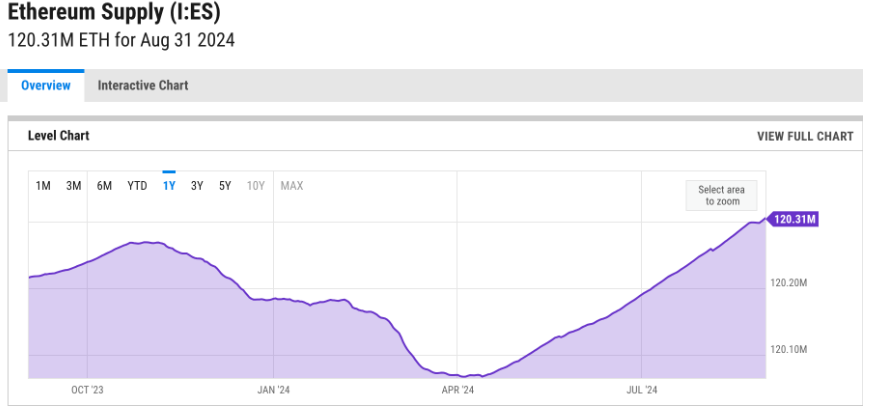
以太坊供应量。资料来源:Y Charts

费用的大幅降低意味着对以太币的需求下降,即支付网络交易费用所需的货币。因此,自 Dencun 升级上线以来,ETH 的供应量一直在稳步增长。以太坊历史上较低的交易成本,以及相应的需求不足,导致 ETH 的价格跌破 3,000 美元

Похожее

USDC Begins Nested Issuance, Coinbase Launches Custom Stablecoin Branding Service

Coinbase has launched its "Custom Stablecoins" platform, enabling businesses to offer branded stablecoins. The first client is Flipcash, a social payments app, which has introduced USDF. USDF is a Solana-based stablecoin, pegged 1:1 to USDC, and is designed to serve as a stable pricing and settlement unit for Flipcash's user-created community currencies. This move shifts the focus of stablecoins from being standalone assets or investment products to becoming embedded payment and settlement components within broader applications. For businesses like Flipcash, the core need is not to become a stablecoin issuer, but to integrate stable, reliable digital cash functionality—handling pricing, payments, and settlements—without managing the complex underlying infrastructure of issuance, reserves, on-chain contracts, fiat on-ramps, and compliance. Coinbase's platform provides this infrastructure as a service, positioning the exchange as a stablecoin infrastructure provider. While USDC remains the foundational reserve asset, the branded token (e.g., USDF) offers applications a tailored, user-facing financial tool. This development highlights a potential path for stablecoins to become ubiquitous backend utilities in social, gaming, and e-commerce applications, though it also brings significant regulatory and operational complexities associated with handling real user funds.

链捕手1 ч. назад

USDC Begins Nested Issuance, Coinbase Launches Custom Stablecoin Branding Service

链捕手1 ч. назад

Detained for 37 Days: The First Wave of People Who Got Rich from 'AI Gateways' Are Starting to Go to Jail

A prominent AI proxy service operator was reportedly detained for 37 days and is now on bail pending trial, highlighting the legal risks in China's booming but unregulated AI intermediary market. These services act as "AI scalpers," providing domestic users with access to restricted overseas models (like OpenAI, Claude) by bundling APIs, handling payments, and bypassing network blocks, all for a fee. Their controversial profitability stems from practices like bulk-registering accounts to resell free credits, exploiting refund policies, overcharging for tokens, substituting cheaper models, and illegally selling user conversation data. Major figures, including cryptocurrency entrepreneurs, are now entering this space. Legally, these operations face severe risks. Their core model often involves unauthorized API access and operating without required telecom licenses, potentially constituting illegal business operations. They fail to meet data security obligations for the vast amounts of user data they process, risking charges for failing to fulfill network security duties. Crucially, the unauthorized collection and sale of user data, which can include personal and commercial secrets, easily meets the threshold for the crime of infringing on personal information. The case underscores a critical juncture for the AI industry. While proxies lower access barriers, they expose user data to unsecured middlemen and undermine the business models of AI developers, forcing them to divert resources to security and distorting market value perceptions. The article argues that the industry's sustainable future depends on building trust, protecting data, and fostering compliant competition, moving away from its current "wild growth" phase.

marsbit1 ч. назад
Detained for 37 Days: The First Wave of People Who Got Rich from 'AI Gateways' Are Starting to Go to Jail

marsbit1 ч. назад

Putting Markets On-Chain: Canton Network Quietly Becomes the New Backbone of Institutional Finance

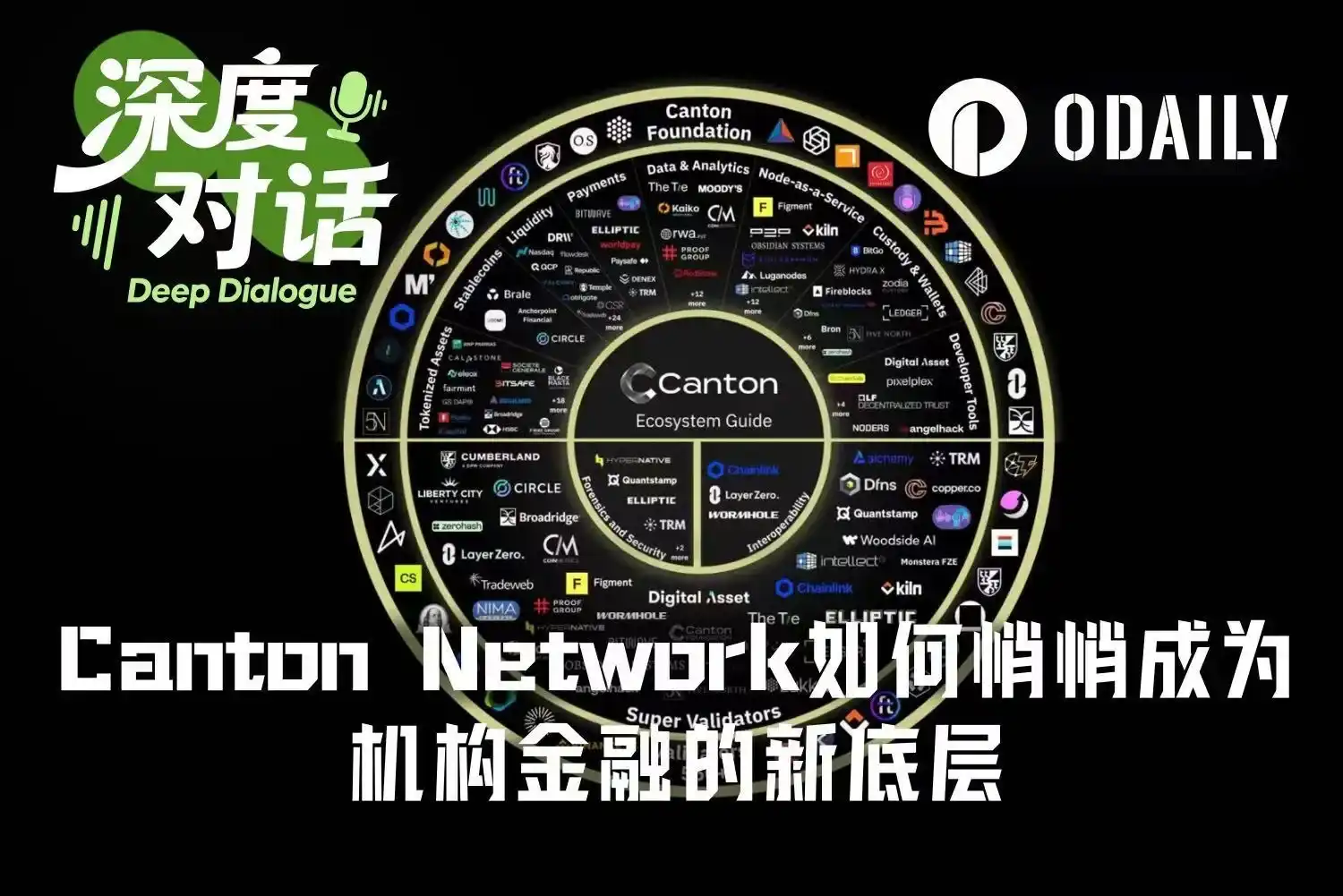
**Title: Letting the Market Itself Go On-Chain: Canton Network Quietly Becomes the New Backbone for Institutional Finance** **Summary:** The Canton Network, a blockchain platform designed for institutional finance, is gaining significant traction. A key sign of its maturity was Visa's recent entry as a super-validator, a proposal approved in just three days—highlighting prior, extensive collaboration between traditional finance and crypto. Unlike public chains like Ethereum that prioritize transparency and asset onboarding, Canton focuses on enabling confidential, compliant business operations for regulated institutions. Its core design features built-in **data visibility control**, meaning transaction details are only shared between direct counterparties. This privacy is fundamental, allowing competing institutions (like banks Goldman Sachs, JPMorgan, and BNP Paribas, all validators) to interact on the same network without exposing sensitive positions or strategies. Developed by Wall Street veterans at Digital Asset, Canton has taken a slow, deliberate approach to onboard real financial activity. It now handles over **$9 trillion monthly** in transaction volume, primarily from real-world institutional use cases like **tokenized repo agreements**, Treasury settlements, and collateral mobility. Major live applications include **JPM Coin** for institutional payments and **DTCC's tokenized U.S. Treasuries** project. Canton's native token, **CC**, is framed as a "network utility asset" with zero pre-mine or VC allocations. Its value is intended to be driven by the volume of real financial activity on the network. Looking ahead, Canton aims to become the invisible foundational layer for global finance—enabling atomic settlement (where payment and asset delivery occur simultaneously), 24/7 capital flows, and the native issuance and settlement of various asset classes, from corporate bonds to potentially equities. The main challenges are no longer technical but involve navigating fragmented global regulations and integrating with legacy financial systems.

marsbit1 ч. назад

Putting Markets On-Chain: Canton Network Quietly Becomes the New Backbone of Institutional Finance

marsbit1 ч. назад

Торговля

Спот
Фьючерсы

Популярные статьи

Manyu: восходящая мем-звезда на Ethereum, готовая открыть новую эру культуры Shiba

Manyu - это мемтокен на Ethereum, который приносит децентрализованную культурную и развлекательную ценность через вирусное влияние в соцсетях и вовлечённость сообщества.

1.9k просмотров всегоОпубликовано 2025.11.27Обновлено 2025.11.27

Manyu: восходящая мем-звезда на Ethereum, готовая открыть новую эру культуры Shiba

Неделя обучения по популярным токенам 14: Glamsterdam — самое ожидаемое обновление Ethereum в 2026 году

Ordinals/Runes по-прежнему стимулируют доходы от комиссий за блоки и активность разработчиков, рассматриваются как отправная точка «нативной эмиссии активов» в сети.

1.4k просмотров всегоОпубликовано 2026.04.29Обновлено 2026.04.29

Неделя обучения по популярным токенам 14: Glamsterdam — самое ожидаемое обновление Ethereum в 2026 году

Обсуждения

Добро пожаловать в Сообщество HTX. Здесь вы сможете быть в курсе последних новостей о развитии платформы и получить доступ к профессиональной аналитической информации о рынке. Мнения пользователей о цене на ETH (ETH) представлены ниже.

活动图片