2026 ARK "Big Ideas" Report Highlights: In the Era of Great Acceleration, Bullish on Bitcoin, Tokenization, and DeFi Applications

marsbitОпубликовано 2026-01-22Обновлено 2026-01-22

Введение

ARK Invest's 2026 Big Ideas report highlights a "Great Acceleration" driven by converging technologies like AI, blockchain, robotics, energy storage, and multi-omics. AI infrastructure investment is surging, with data center spending potentially reaching $1.4 trillion by 2030. Bitcoin is maturing as an institutional asset, with ETFs and public companies now holding 12% of supply. Stablecoin transaction volume hit $3.5 trillion in December 2025, far surpassing traditional payment networks. Tokenized real-world assets (RWA) grew 208% to $19 billion, with a potential market of over $11 trillion by 2030. DeFi applications are capturing value, with protocols like Hyperliquid generating massive revenue with minimal staff, signaling a shift from networks to apps as primary value drivers.

Author: ARK Invest

Compiled by: Felix, PANews (This article has been abridged)

ARK Invest releases its flagship research report, "Big Ideas," annually. This report filters out short-term noise, aiming to identify and interpret the technologies reshaping the global economy. In this year's report, ARK explores 13 significant ideas spanning AI, robotics, energy, blockchain, space, and biology, which are creating compound effects and redefining productivity, capital allocation, and competitive advantages across industries. This excerpt covers areas like AI and blockchain. Details are as follows.

In the Era of Great Acceleration, AI acts as the core engine, accelerating the development of five major innovation platforms and triggering an inflection point in macroeconomic growth.

Technological convergence is accelerating. Five innovative technologies (AI, public blockchains, robotics, energy storage, and multi-omics) are becoming increasingly interdependent, as performance improvements in one technology unlock new capabilities for another.

Reusable rockets delivering autonomous Mobility AI chips into orbit could be key to scaling next-generation cloud services. Multi-omics data authorized in digital wallets could power neural networks, advancing precision therapies to cure rare diseases.

The world is entering an unprecedented cycle of technological investment. Each disruptive technology has the potential for profound macroeconomic impact.

AI Infrastructure

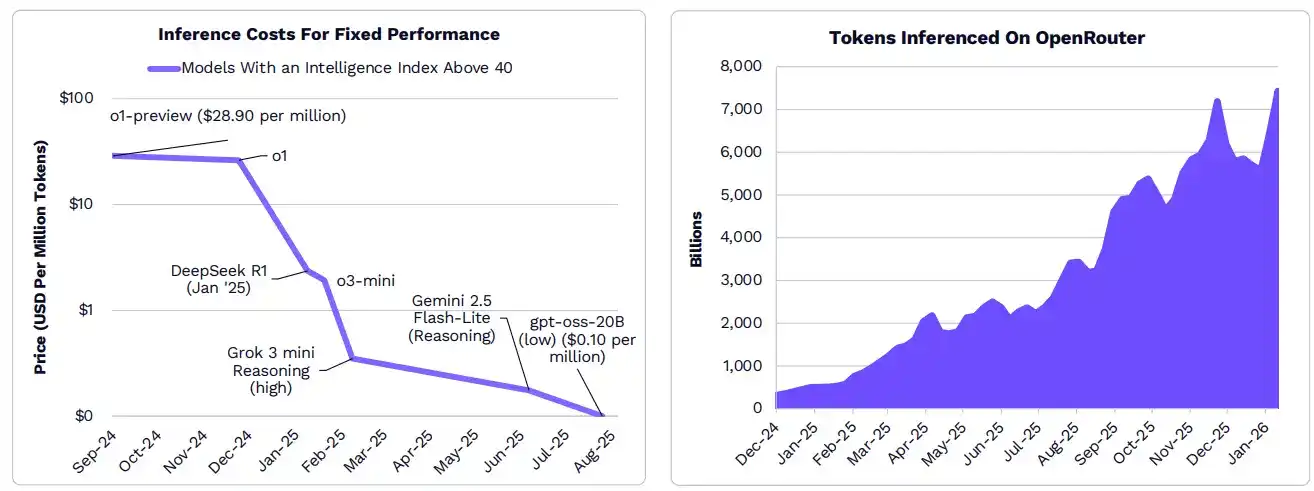
As inference costs decline, demand for AI is growing rapidly.

By some metrics, inference costs have fallen by over 99% in the past year. The decline in costs is driving an explosion in the number of tokens for developer, enterprise, and consumer inference as AI-native applications proliferate. Since December 2024, computational demand on OpenRouter (a unified API for accessing large language models) has grown 25-fold.

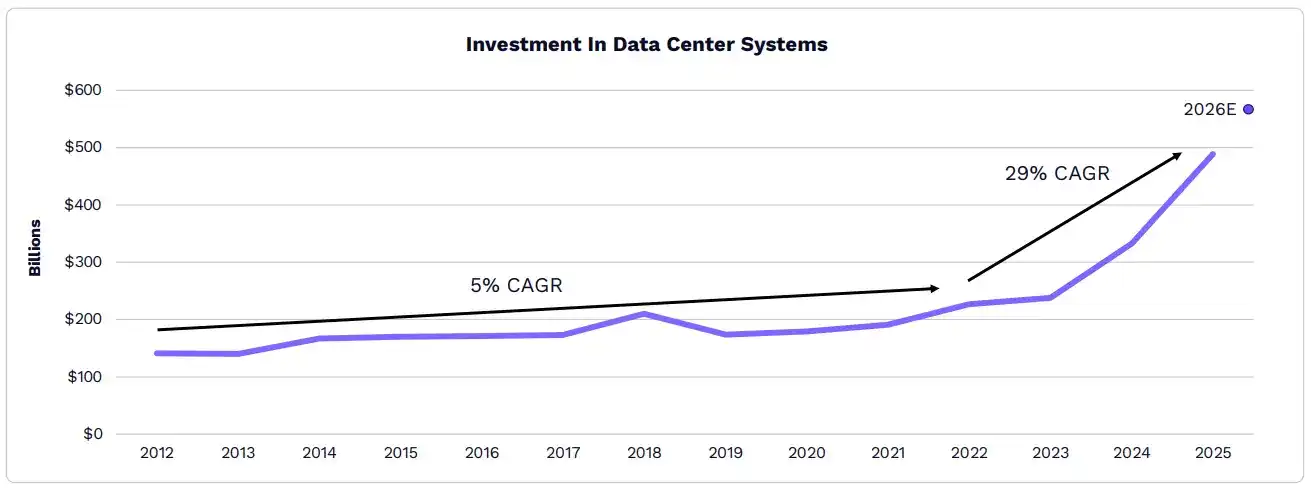
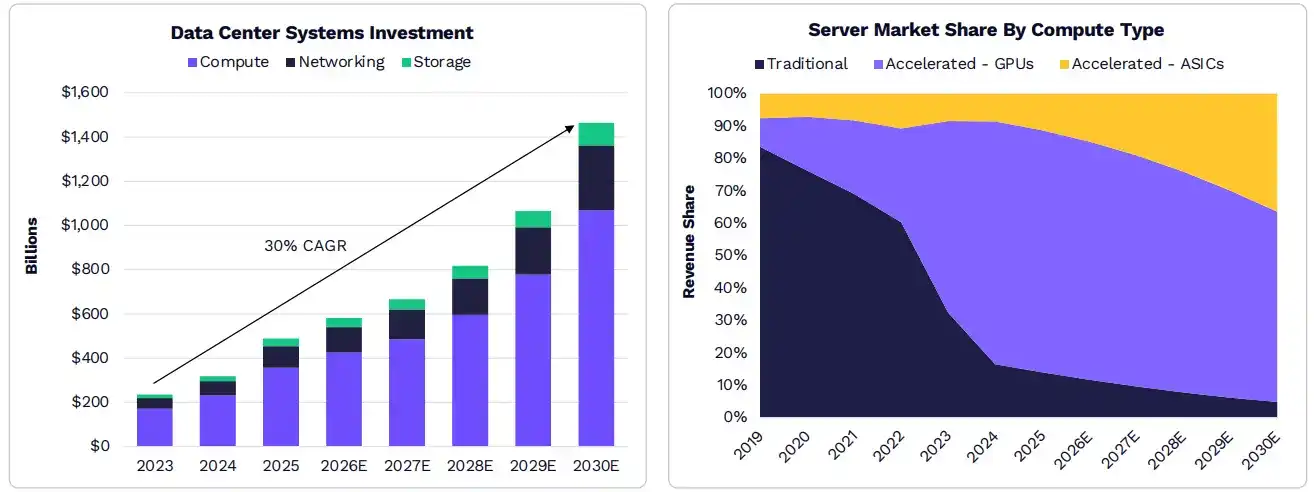
Since the "ChatGPT moment", the growth rate of data center systems has accelerated from 5% to 29%, with the annual growth rate continuing to climb.

By 2025, annual investment in data center systems was approximately $500 billion, nearly 2.5 times the average from 2012 to 2023. According to ARK research, such investment will continue to grow, potentially tripling to approximately $1.4 trillion by 2030.

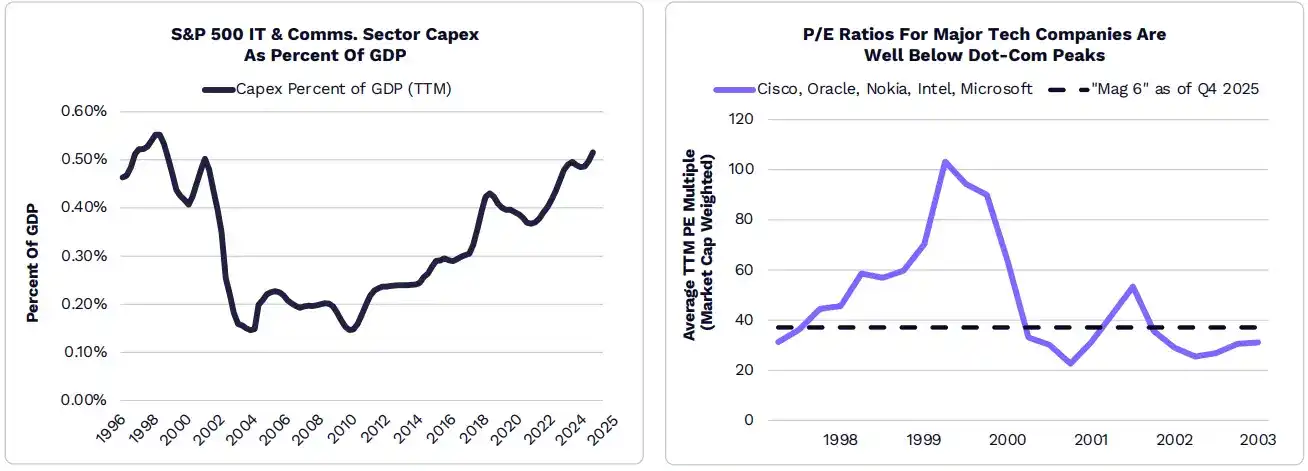
Tech capital expenditure has reached levels seen during the tech and telecom boom, but tech company valuations are far lower than during that period.

According to ARK research, hyperscale data center operators' capital expenditure in 2026 will exceed $500 billion, nearly triple the $135 billion in 2021 (pre-ChatGPT boom in 2022). Although the capital expenditure of the Information Technology and Communication Services sectors as a percentage of GDP has reached its highest level since 1998, the price-to-earnings (P/E) ratio of the tech sector is far below the peak of the tech and telecom bubble era.

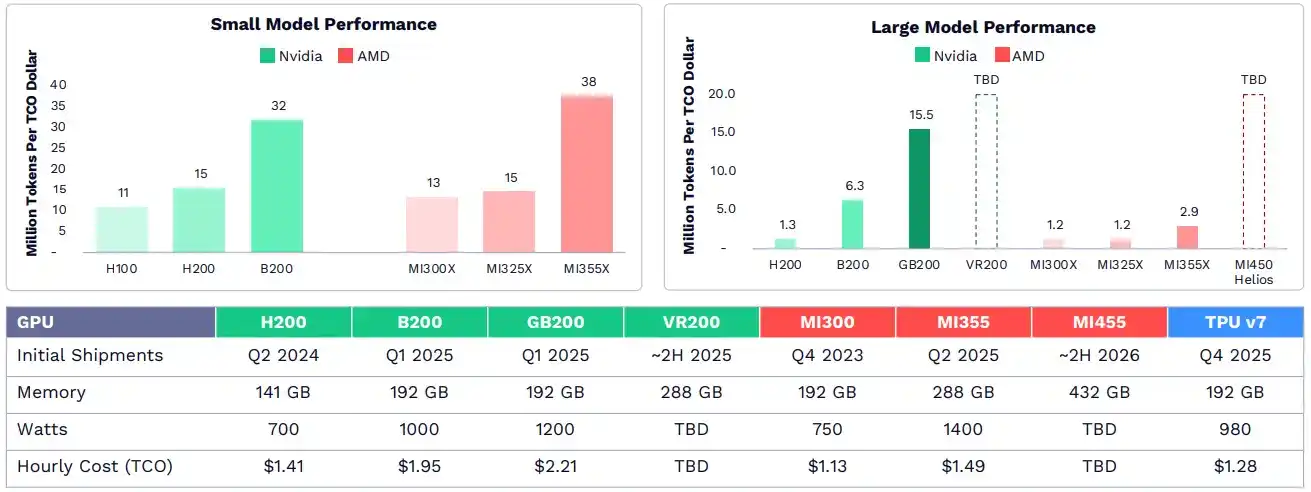
Nvidia faces increasing competition.

Nvidia's early investments in AI chip design, software, and networking gave its graphics processing units (GPUs) an 85% market share and 75% gross margins. Today, competitors like AMD and Google have caught up in certain areas, such as small language model inference. Nvidia's Grace Blackwell rack-scale systems lead in large model inference, supporting the most advanced foundational models.

AI demand will drive sustainable growth in infrastructure.

As AI workloads proliferate in enterprise and consumer environments, AI infrastructure investment could exceed $1.4 trillion by 2030, with the majority going towards accelerated servers. ARK research indicates that ASICs designed by companies like Broadcom and Amazon's Annapurna Labs will continue to gain market share as AI labs and hyperscalers seek cost-effective computing power.

Bitcoin

Bitcoin is gradually becoming the leader of a new institutional asset class.

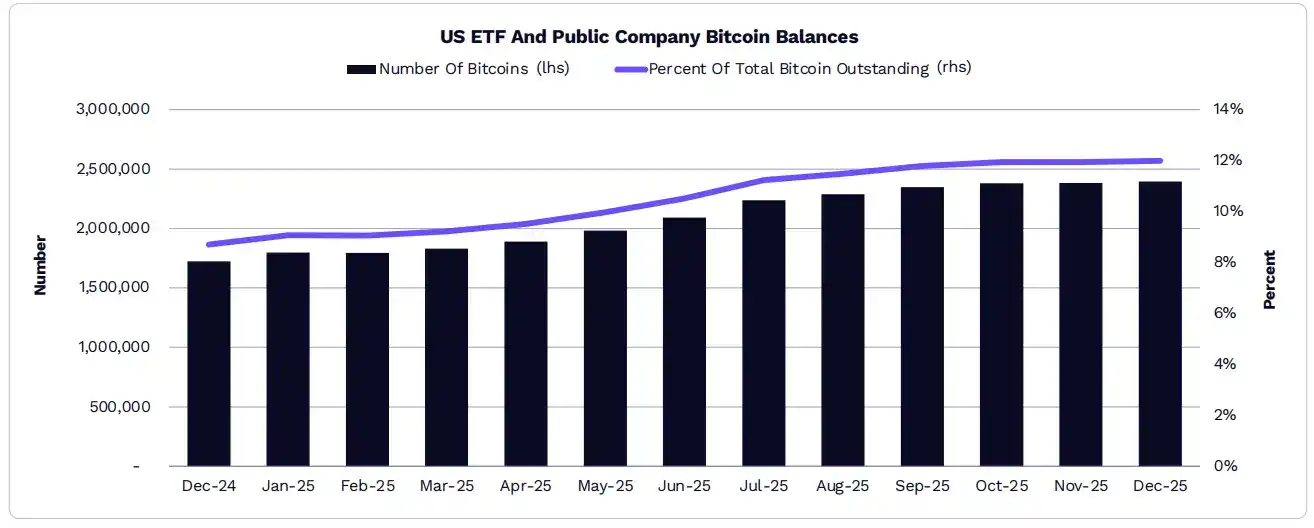
US ETFs and publicly traded companies hold 12% of the total Bitcoin supply.

In 2025, Bitcoin ETF holdings grew 19.7%, from approximately 1.12 million to about 1.29 million BTC; holdings by publicly traded companies grew 73%, from approximately 598,000 to about 1.09 million BTC. Consequently, the total Bitcoin held by ETFs and public companies increased from 8.7% to 12% of the supply.

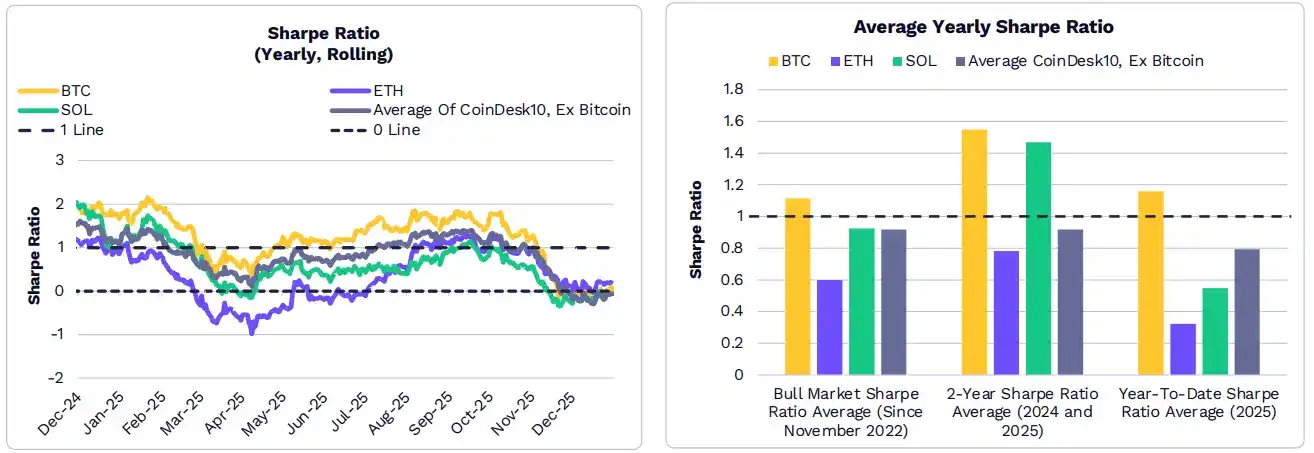
Bitcoin's annual risk-adjusted returns (Sharpe Ratio) have long been higher than those of the broader crypto market.

For most of 2025, Bitcoin's risk-adjusted returns exceeded those of most other large-cap cryptocurrencies and indices. Bitcoin's average annualized Sharpe Ratio also surpassed the averages of Ethereum, SOL, and the other nine constituents of the CoinDesk 10 Index since the recent cycle low (November 2022), the beginning of 2024, and the beginning of 2025.

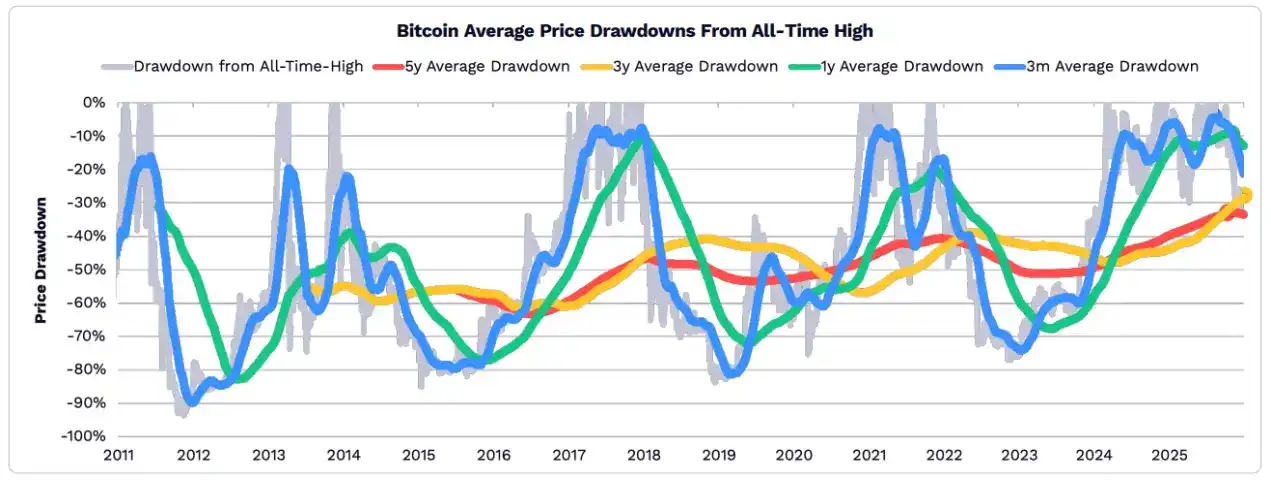
In 2025, the average drawdown of Bitcoin's price from its all-time high has moderated.

As Bitcoin's role as a safe-haven asset strengthens, its volatility has decreased. Looking at 5-year, 3-year, 1-year, and 3-month timeframes, Bitcoin's drawdowns in 2025 were more moderate relative to historical levels.

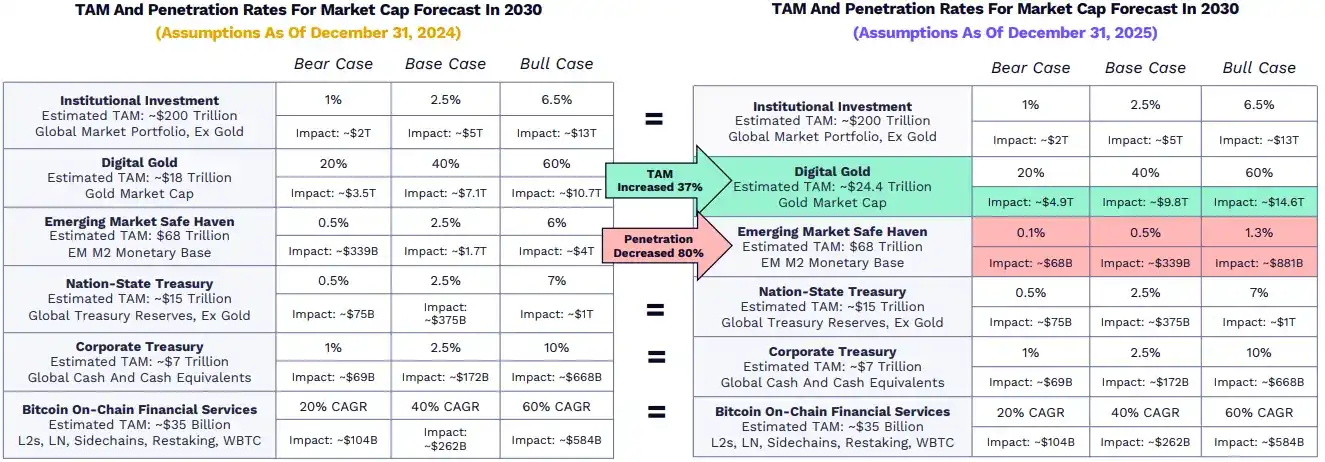
ARK's assumptions for Bitcoin's growth have changed, but the forecast remains largely unchanged.

ARK's forecast for Bitcoin in 2030 has been quite stable, with only two assumption changes: as digital gold, its total addressable market (TAM) grew 37% after gold's market cap surged 64.5% in 2025; as an emerging market safe-haven asset, its projected penetration rate decreased by 80% to reflect the rapid adoption of stablecoins in developing countries.

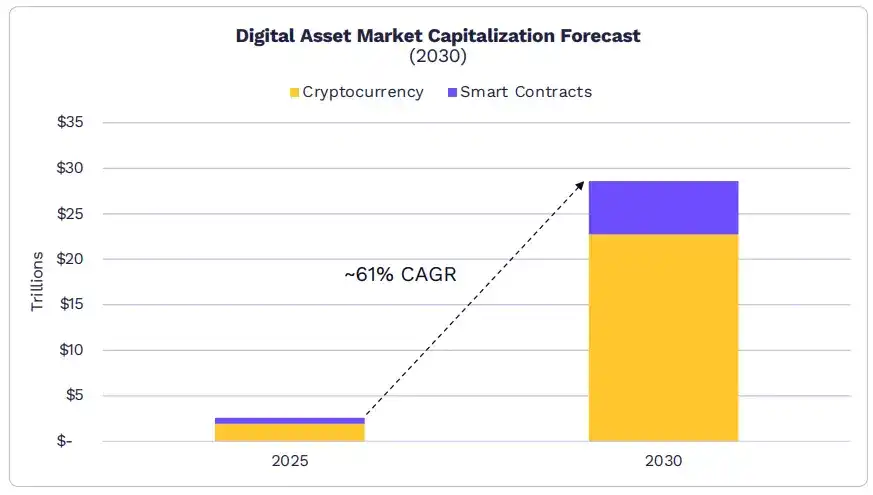
The digital asset market cap could reach $28 trillion by 2030.

The market size for smart contracts and pure digital money (the latter serving as a store of value, medium of exchange, and unit of account on public blockchains) could grow at an annual rate of approximately 61%, reaching $28 trillion by 2030. ARK believes Bitcoin could capture a 70% market share, with the remainder dominated by smart contract networks like Ethereum and Solana.

  • According to ARK's projections, Bitcoin is likely to dominate the cryptocurrency market over the next five years with a compound annual growth rate (CAGR) of approximately 63%, growing from nearly $2 trillion to approximately $16 trillion by 2030.
  • The market cap of smart contracts could grow at an annual rate of 54% to approximately $6 trillion by 2030, with annualized revenue of about $192 billion and an average fee rate of 0.75%.
  • Two to three L1 platforms will capture the majority of the market share, but the市值 they gain will come more from their monetary premium (store of value and reserve asset characteristics) than discounted cash flows.

Tokenized Assets

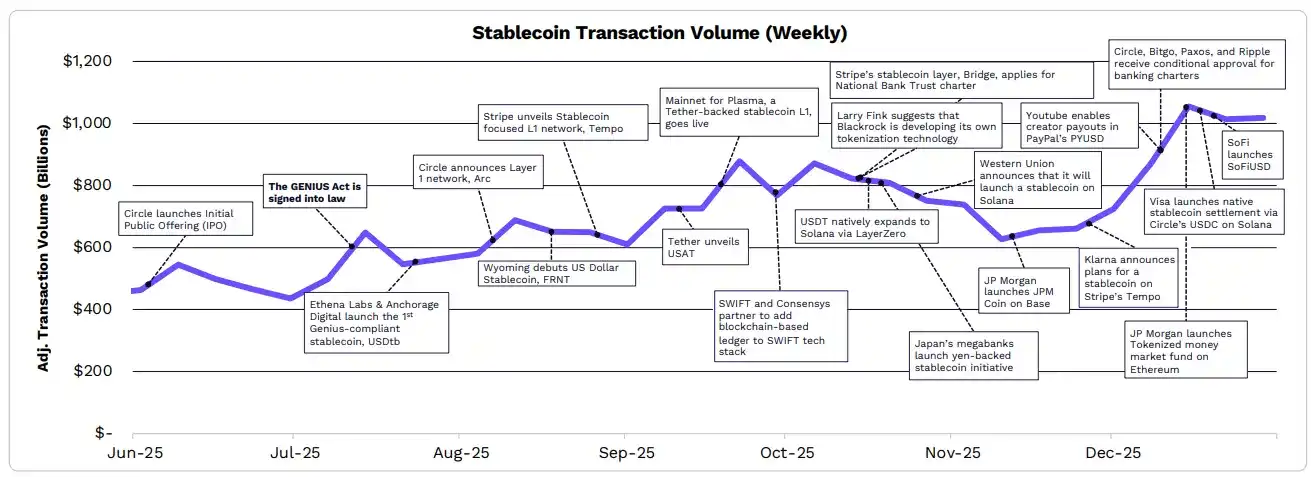
Thanks to the GENIUS Act, financial institutions are reassessing their stablecoin and tokenization strategies.

Benefiting from the regulatory clarity brought by the GENIUS Act, stablecoin activity has surged to record highs. Multiple companies and institutions have announced their own stablecoins, while BlackRock revealed it is preparing an internal tokenization platform. Major stablecoin issuers and fintech companies like Tether, Circle, and Stripe have launched/supported L1 blockchains optimized for stablecoins.

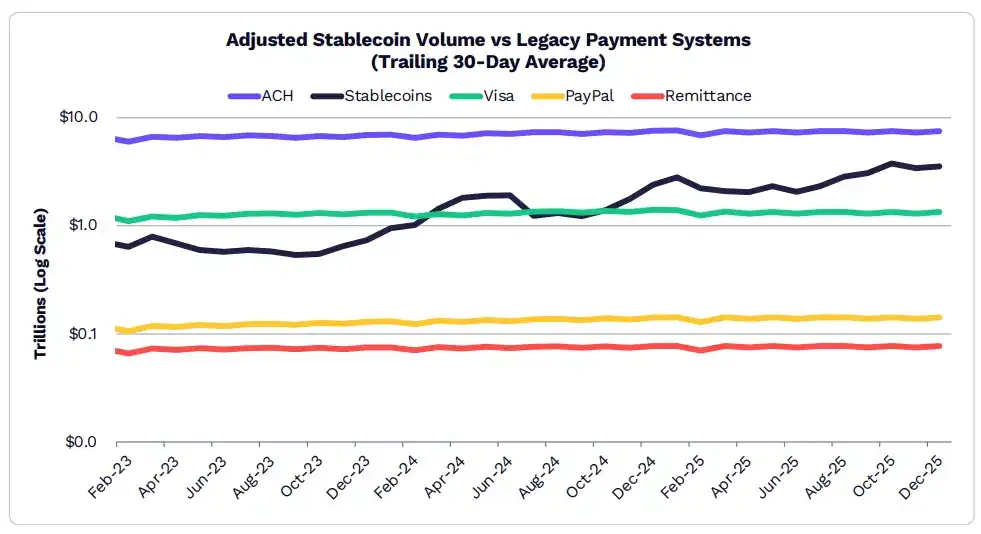
Stablecoin transaction volume reached $3.5 trillion in December, far exceeding most traditional payment systems.

In December 2025, the 30-day moving average of stablecoin transaction volume was $3.5 trillion, 2.3 times the combined value of Visa, PayPal, and Remittances.

Circle's stablecoin USDC dominated transaction volume with a share of approximately 60%, followed by Tether's USDT at approximately 35%.

In 2025, stablecoin supply grew approximately 50%, from $210 billion to $307 billion, with USDT and USDC accounting for 61% and 25%, respectively.

Sky Protocol was the only stablecoin issuer other than the major ones to reach a market cap exceeding $10 billion by the end of 2025.

Notably, PayPal's PYUSD market cap grew more than sixfold to $3.4 billion.

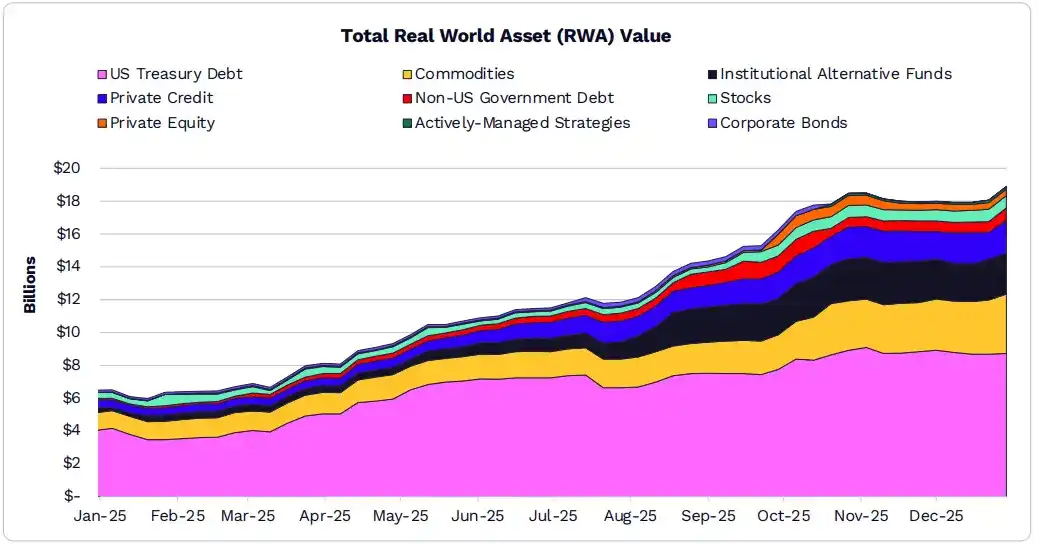
Driven primarily by US Treasuries and commodities, the tokenized asset market tripled in 2025, reaching $18.9 billion.

The market cap of RWAs grew 208% in 2025 to $18.9 billion.

BlackRock's $1.7 billion BUIDL money market fund was one of the largest products, accounting for 20% of the $9 billion in US Treasuries.

Tokenized gold products from Tether (XAUT) and Paxos (PAXG) led the tokenized commodities market, with market caps reaching $1.8 billion and $1.6 billion, respectively, combining for 83%.

Tokenization of public equities approached $750 million.

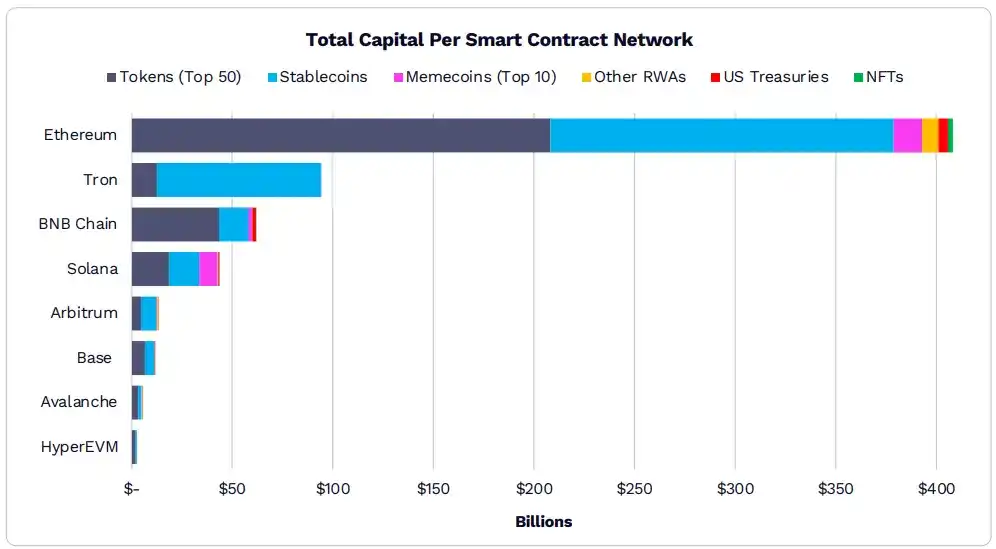
Ethereum remains the blockchain of choice for on-chain assets.

The total value of assets on Ethereum now exceeds $400 billion. On seven of the eight most popular blockchains, 90% of the market cap is supported by stablecoins and the top 50 tokens.

On blockchains other than Solana, meme coins account for approximately 3% or less of the market cap. On Solana, meme coins account for approximately 21% of assets.

Tokenization of RWAs is expected to be one of the fastest-growing categories. As most global value exists off-chain, off-chain assets remain the largest growth opportunity for on-chain adoption.

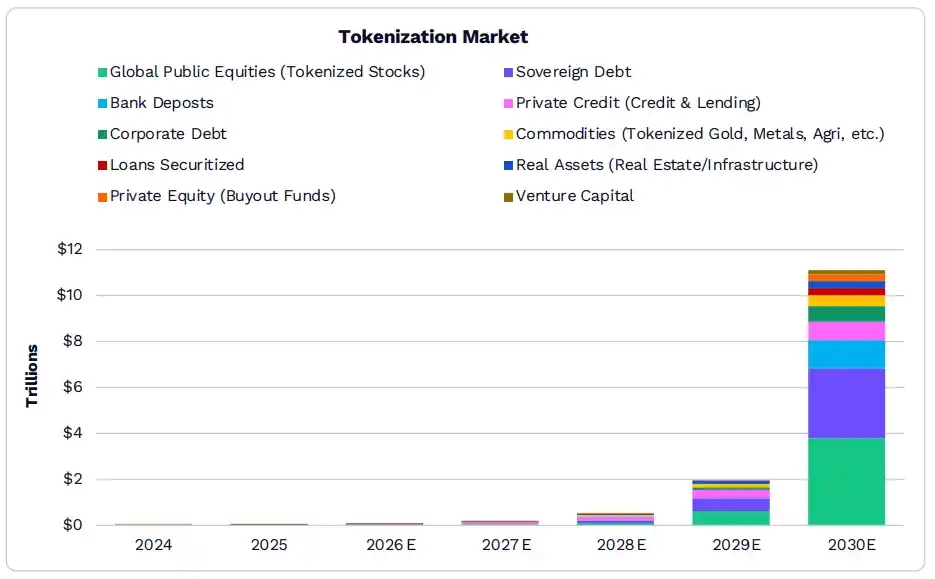
By 2030, the global tokenized asset market size could exceed $11 trillion.

According to our research, the scale of tokenized assets could grow from $189 billion to $11 trillion,届时 accounting for approximately 1.38% of all financial assets.

Although sovereign debt currently dominates tokenization, within the next 5 years, the on-chain value of bank deposits and globally listed equities could see higher penetration rates than current levels.

ARK believes widespread tokenization will depend on clearer regulatory policies and the maturation of institutional-grade infrastructure.

Traditional enterprises are expanding their on-chain presence by building their own infrastructure.

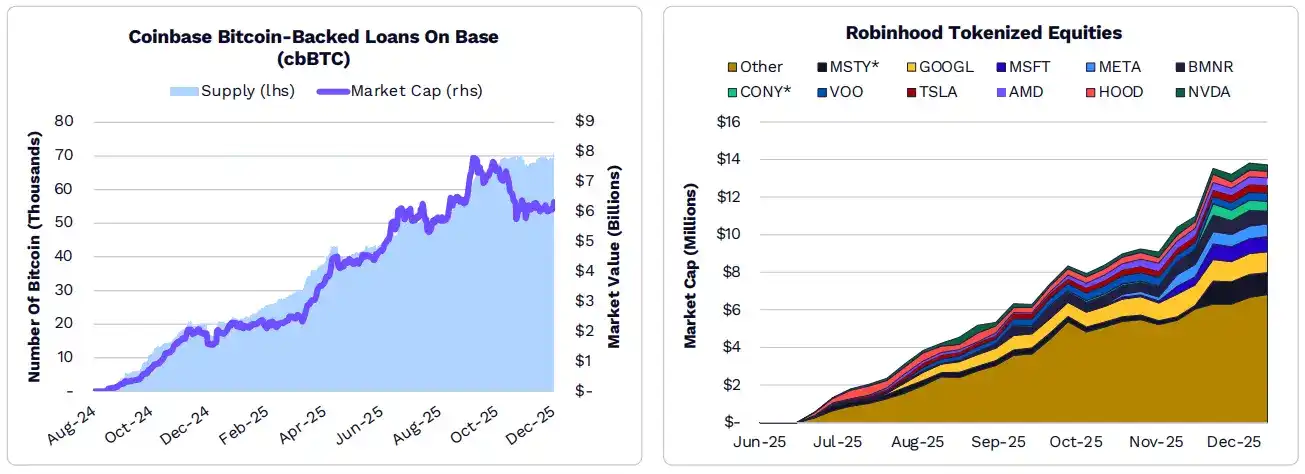
Traditional enterprises are building their own on-chain infrastructure. Circle (Arc), Coinbase (Base, cbBTC), Kraken (Ink), OKX (X Layer), Robinhood (Robinhood Chain), and Stripe (Tempo) are launching company-branded L1/L2 networks to support their own products, such as Bitcoin-collateralized loans, tokenized stocks and ETFs, and stablecoin-based payment channels.

DeFi Applications

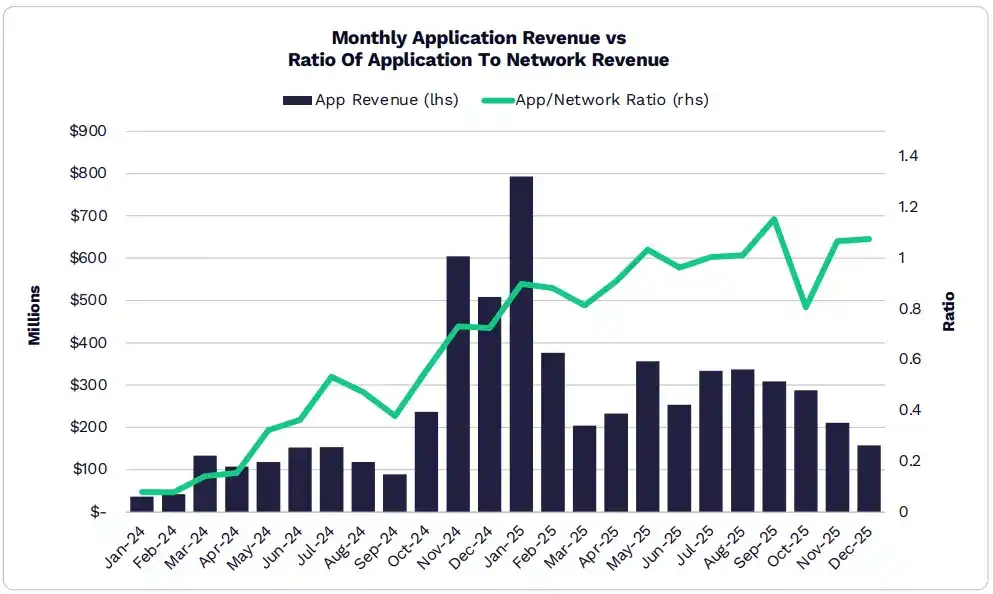
Digital asset value capture is shifting from networks to applications.

Networks are increasingly becoming utilities, transferring user economic benefits and profit margins to the application layer.

Led by Hyperliquid, Pump.fun, and Pancakeswap, application total revenue reached a record high of approximately $3.8 billion in 2025.

One-fifth of all application revenue in 2025 came from January, the highest monthly revenue ever.

Today, 70 applications and protocols have monthly recurring revenue (MRR) exceeding $1 million.

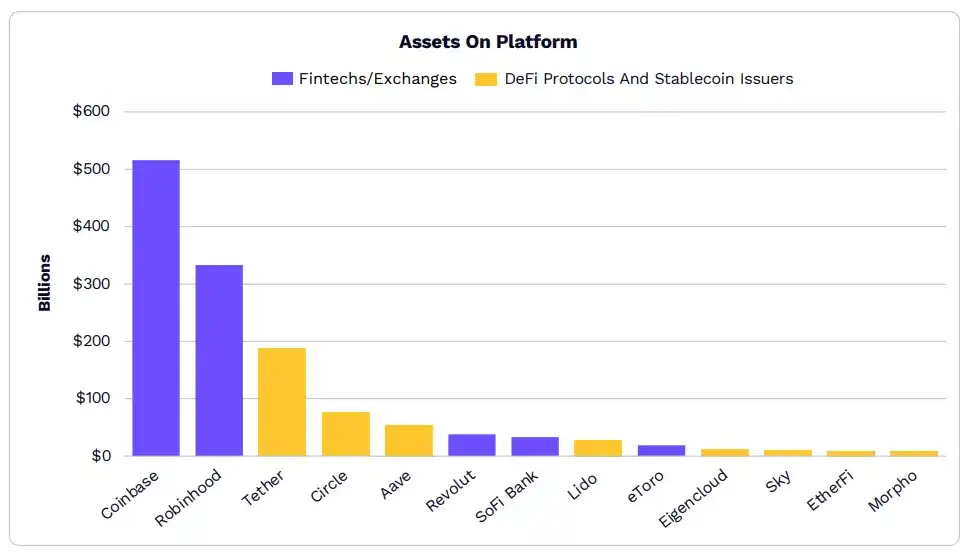
DeFi and stablecoin issuers' asset sizes are catching up to many fintech companies.

The gap in asset size between traditional fintech platforms and crypto-native platforms is narrowing, indicating a convergence of traditional and on-chain infrastructure.

DeFi protocols like liquid staking or lending platforms are attracting institutional capital and expanding rapidly.

The TVL of the top 50 DeFi platforms has entered the billion-dollar club, with the top 12 protocols each exceeding $5 billion.

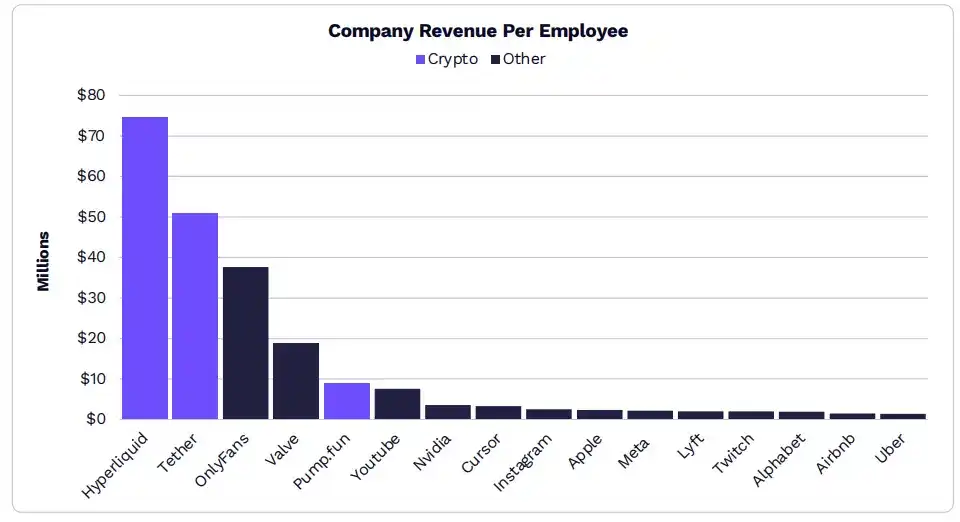
The world's most revenue-efficient companies include Hyperliquid,Tether and Pump.fun.

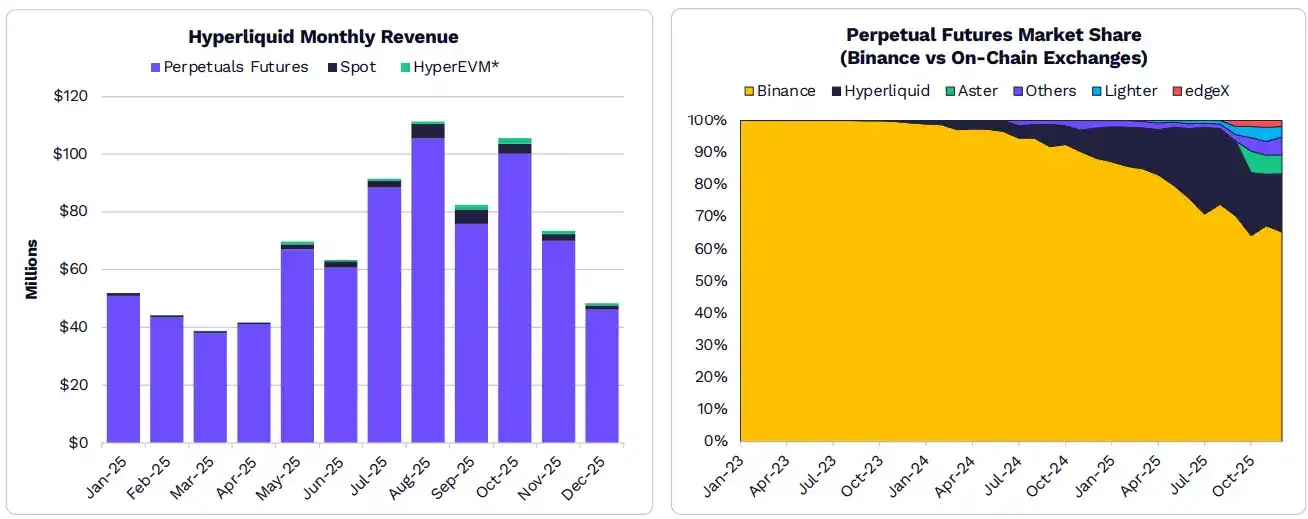
In 2025, Hyperliquid generated over $800 million in annual revenue with just 15 employees.

Through its focus on on-chain verticals like perpetual contracts, stablecoins, and meme coins, Hyperliquid is attracting users and capital at an astonishing scale with clear product-market fit.

On-chain businesses and protocols are redefining productivity, as a handful of people can create revenue and profitability rivaling world-class enterprises.

Led by Hyperliquid,DeFi derivatives are taking perpetual swap market share from Binance.

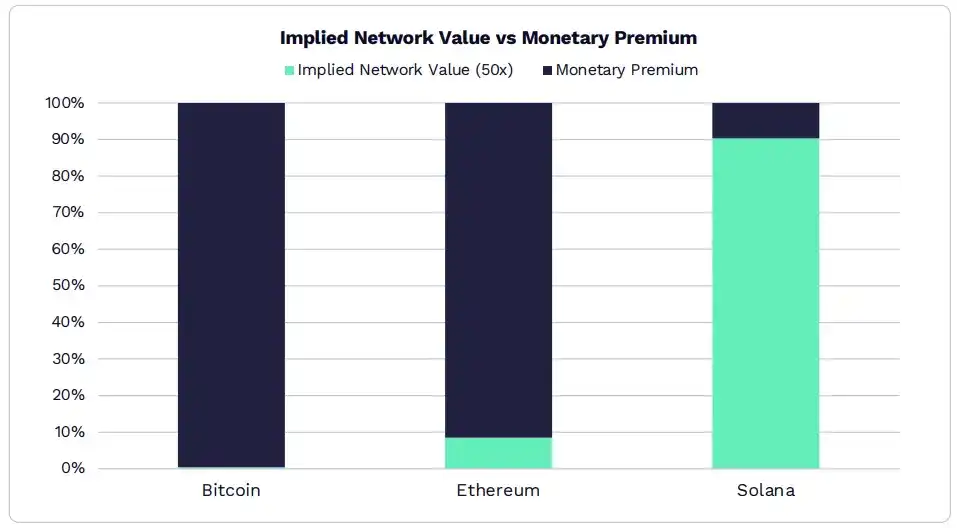
L1 networks are evolving from revenue-generating networks to monetary assets.

If valued based on a 50x revenue multiple, over 90% of Ethereum's market cap is attributable to its role as a monetary asset.

Solana generated $1.4 billion in revenue, proving that 90% of its valuation comes from network utility.

According to ARK research, only a few digital assets will retain monetary properties to become liquid stores of value.

Related reading: Cathie Wood's 2026 Macro and Tech Investment Roadmap

Связанные с этим вопросы

QAccording to ARK's 2026 Big Ideas report, what is the projected market capitalization for digital assets by 2030?

AAccording to ARK's research, the digital asset market capitalization is projected to reach $28 trillion by 2030.

QWhat major factor is driving the surge in stablecoin activity to all-time highs, as mentioned in the report?

AThe surge in stablecoin activity is primarily driven by the regulatory clarity provided by the GENIUS Act.

QWhich company's GPU currently holds an 85% market share in AI chips but is facing increasing competition?

ANvidia's GPU currently holds an 85% market share in AI chips but is facing increasing competition from companies like AMD and Google.

QWhat percentage of Bitcoin's total supply is now held by US ETFs and public companies combined?

AUS ETFs and public companies combined now hold 12% of Bitcoin's total supply.

QWhich blockchain does the report identify as the preferred choice for on-chain assets?

AThe report identifies Ethereum as the preferred blockchain for on-chain assets.

Похожее

OpenAI's Largest Internal Wealth Creation: 600 People Cash Out a Total of $6.6 Billion, 75 Take Home the Maximum $30 Million Each

A Wall Street Journal report reveals OpenAI's unprecedented pre-IPO wealth creation. In a single employee stock sale last October, over 600 current and former employees sold shares, collectively cashing out approximately $6.6 billion. Due to high investor demand, the company tripled the individual sale cap to $30 million, with about 75 employees selling the maximum amount. This event represents the largest such transaction in tech industry history for a private company. OpenAI's valuation was $500 billion for this tender offer. Employees with over two years of tenure were eligible, allowing many post-ChatGPT hires their first liquidity event. The company's stock has reportedly grown over 100-fold in seven years. Following a restructuring, employees collectively hold about 26% of OpenAI. The scale of executive wealth is also staggering. In court testimony related to Elon Musk's lawsuit, President and co-founder Greg Brockman confirmed his OpenAI stake is worth around $30 billion. Analysis indicates about 165 current and former employees hold a combined ~$164.9 billion in equity, averaging nearly $1 billion per person in paper wealth. OpenAI's per-employee stock-based compensation is estimated to be 34 times the average of major tech firms before their IPOs. OpenAI continues its rapid ascent, closing a $122 billion funding round at an $852 billion valuation in March. With monthly revenue hitting $2 billion, over 900 million weekly ChatGPT users, and plans for a potential trillion-dollar IPO in late 2026, this wealth-creation engine shows no signs of stopping.

链捕手4 мин. назад

OpenAI's Largest Internal Wealth Creation: 600 People Cash Out a Total of $6.6 Billion, 75 Take Home the Maximum $30 Million Each

链捕手4 мин. назад

Understanding CPO (Co-Packaged Optics) in One Article: Why Nvidia Is Willing to Spend $3.2 Billion on a Fiber?

NVIDIA and Corning announced a multi-year strategic partnership on May 6, 2026, with NVIDIA committing up to $3.2 billion to support Corning's U.S. expansion. This investment will triple Corning's manufacturing plants and significantly boost its optical fiber and communications production capacity. The core driver behind this massive investment is the fundamental shift from copper to optical interconnect technology within AI data centers. As GPU clusters scale, copper wires face critical limitations: severe signal attenuation over distance, high energy consumption for signal integrity, and excessive heat generation. Optical fiber, transmitting light instead of electrical signals, solves these issues with minimal loss, near-light speed, and lower power needs. The article outlines a three-stage evolution of data center interconnect: 1. **Traditional Copper Interconnects:** The mainstream solution of the 2010s, now being phased out due to scaling bottlenecks. 2. **Pluggable Optical Modules:** The current mainstream, where modules convert electrical signals to light externally. This process still introduces energy loss and latency. 3. **CPO (Co-Packaged Optics):** The next-generation technology where the optical engine is integrated directly with the GPU chip package. This drastically reduces the electrical signal travel distance to mere millimeters, slashing power consumption and latency while boosting data density. NVIDIA CEO Jensen Huang has identified CPO as an essential core technology for AI infrastructure. NVIDIA's investment signifies a strategic shift from being a buyer to actively controlling its supply chain for critical components. With demand for specialized optical fiber far outstripping supply—evidenced by soaring prices—securing long-term manufacturing capacity has become a competitive necessity. While Corning's expansion may pressure some suppliers, a projected global fiber supply gap of 5-15% over the next few years creates a significant opportunity window, particularly for Chinese manufacturers competitive in optical preforms, chips, and modules. Ultimately, NVIDIA's move is not about chasing a trend but an engineering imperative. The transition to light-based interconnects like CPO is driven by the physical limits of copper, marking a definitive step in the ongoing AI computing revolution.

marsbit29 мин. назад

Understanding CPO (Co-Packaged Optics) in One Article: Why Nvidia Is Willing to Spend $3.2 Billion on a Fiber?

marsbit29 мин. назад

KOL's Perspective: Why Is SOL Set to Rise from This Point?

**Summary: Why SOL is Positioned for Growth at This Level** The article argues that SOL is poised for an upward move from its current price point, citing several key factors. Primarily, SOL has just broken out of a 4-month consolidation phase. This breakout signals a return of risk appetite to the broader crypto market, as SOL is seen as a key indicator of overall crypto health. The token's ownership has reportedly shifted from short-term traders and tourists to long-term accumulators, leading to low volume. Any meaningful increase in trading activity could thus trigger significant upward momentum. Fundamental strengths include strong institutional adoption, integration with DeFi and RWAs (Real-World Assets), and the potential benefits from the Clarity Act. Despite its high volatility—having dropped 70% from its all-time high but still up 12x from its bear market low—SOL is highlighted as one of the few tokens from the last cycle to reach new highs. It boasts a robust ecosystem of applications, users, and protocols. Future catalysts include the expected influx of AI developers following the Miami Accelerate conference, which focused on AI on Solana. Furthermore, Solana is positioned as the premier chain for memecoin activity, a trend expected to continue and drive network usage and fees. The article concludes that recent price action reflects a healthy transfer to long-term holders, setting the stage for growth.

marsbit1 ч. назад

KOL's Perspective: Why Is SOL Set to Rise from This Point?

marsbit1 ч. назад

Торговля

Спот
Фьючерсы

Популярные статьи

Тест по Bitcoin Биткоина

HTX Learn: Изучите Bitcoin halving и Заработаете Токены USDT

3.0k просмотров всегоОпубликовано 2024.04.16Обновлено 2024.04.16

Тест по Bitcoin  Биткоина

Что такое $BITCOIN

ЦИФРОВОЕ ЗОЛОТО ($BITCOIN): Комплексный анализ Введение в ЦИФРОВОЕ ЗОЛОТО ($BITCOIN) ЦИФРОВОЕ ЗОЛОТО ($BITCOIN) — это проект на основе блокчейна, работающий в сети Solana, который стремится объединить характеристики традиционных драгоценных металлов с инновациями децентрализованных технологий. Хотя он носит имя Биткойн, часто называемого “цифровым золотом” из-за его восприятия как средства хранения ценности, ЦИФРОВОЕ ЗОЛОТО является отдельным токеном, предназначенным для создания уникальной экосистемы в ландшафте Web3. Его цель — позиционировать себя как жизнеспособный альтернативный цифровой актив, хотя детали его применения и функциональности все еще развиваются. Что такое ЦИФРОВОЕ ЗОЛОТО ($BITCOIN)? ЦИФРОВОЕ ЗОЛОТО ($BITCOIN) — это токен криптовалюты, специально разработанный для использования в блокчейне Solana. В отличие от Биткойна, который выполняет широко признанную роль хранения ценности, этот токен, похоже, сосредоточен на более широких приложениях и характеристиках. Примечательные аспекты включают: Инфраструктура блокчейна: Токен построен на блокчейне Solana, известном своей способностью обрабатывать высокоскоростные и недорогие транзакции. Динамика предложения: ЦИФРОВОЕ ЗОЛОТО имеет максимальное предложение, ограниченное 100 квадриллионами токенов (100P $BITCOIN), хотя детали о его обращающемся предложении в настоящее время не раскрыты. Утилита: Хотя точные функциональные возможности не описаны, есть указания на то, что токен может быть использован для различных приложений, потенциально связанных с децентрализованными приложениями (dApps) или стратегиями токенизации активов. Кто создатель ЦИФРОВОГО ЗОЛОТА ($BITCOIN)? На данный момент личность создателей и команды разработчиков, стоящих за ЦИФРОВЫМ ЗОЛОТОМ ($BITCOIN), остается неизвестной. Эта ситуация типична для многих инновационных проектов в области блокчейна, особенно тех, которые связаны с децентрализованными финансами и феноменом мем-криптовалют. Хотя такая анонимность может способствовать культуре, ориентированной на сообщество, она усиливает опасения по поводу управления и ответственности. Кто инвесторы ЦИФРОВОГО ЗОЛОТА ($BITCOIN)? Доступная информация указывает на то, что у ЦИФРОВОГО ЗОЛОТА ($BITCOIN) нет известных институциональных спонсоров или значительных венчурных капиталовложений. Проект, похоже, функционирует по модели пирингового взаимодействия, сосредоточенной на поддержке и принятии сообществом, а не на традиционных путях финансирования. Его активность и ликвидность в основном сосредоточены на децентрализованных биржах (DEX), таких как PumpSwap, а не на устоявшихся централизованных торговых платформах, что еще больше подчеркивает его подход, ориентированный на grassroots. Как работает ЦИФРОВОЕ ЗОЛОТО ($BITCOIN) Операционные механизмы ЦИФРОВОГО ЗОЛОТА ($BITCOIN) можно подробно описать на основе его дизайна блокчейна и характеристик сети: Механизм консенсуса: Используя уникальный механизм доказательства истории (PoH) Solana в сочетании с моделью доказательства доли (PoS), проект обеспечивает эффективную валидацию транзакций, что способствует высокой производительности сети. Токеномика: Хотя конкретные дефляционные механизмы не были подробно описаны, большое максимальное предложение токенов подразумевает, что оно может быть предназначено для микротранзакций или нишевых случаев использования, которые еще предстоит определить. Интероперабельность: Существует потенциал для интеграции с более широкой экосистемой Solana, включая различные платформы децентрализованных финансов (DeFi). Однако детали относительно конкретных интеграций остаются неуточненными. Хронология ключевых событий Вот хронология, которая подчеркивает значимые вехи, касающиеся ЦИФРОВОГО ЗОЛОТА ($BITCOIN): 2023: Первоначальное развертывание токена происходит в блокчейне Solana, отмеченное его адресом контракта. 2024: ЦИФРОВОЕ ЗОЛОТО приобретает видимость, когда оно становится доступным для торговли на децентрализованных биржах, таких как PumpSwap, позволяя пользователям обменивать его на SOL. 2025: Проект наблюдает спорадическую торговую активность и потенциальный интерес к инициативам, возглавляемым сообществом, хотя на данный момент не зафиксировано никаких значительных партнерств или технических достижений. Критический анализ Сильные стороны Масштабируемость: Основная инфраструктура Solana поддерживает высокие объемы транзакций, что может повысить полезность $BITCOIN в различных сценариях транзакций. Доступность: Потенциально низкая цена торговли за токен может привлечь розничных инвесторов, способствуя более широкому участию благодаря возможностям дробного владения. Риски Отсутствие прозрачности: Отсутствие публично известных спонсоров, разработчиков или процесса аудита может вызвать скептицизм относительно устойчивости и надежности проекта. Волатильность рынка: Торговая активность сильно зависит от спекулятивного поведения, что может привести к значительной волатильности цен и неопределенности для инвесторов. Заключение ЦИФРОВОЕ ЗОЛОТО ($BITCOIN) является интригующим, но неоднозначным проектом в быстро развивающейся экосистеме Solana. Хотя он пытается использовать нарратив “цифрового золота”, его отход от установленной роли Биткойна как средства хранения ценности подчеркивает необходимость более четкого различения его предполагаемой утилиты и структуры управления. Будущее принятие и усвоение, вероятно, будут зависеть от решения текущей непрозрачности и более четкого определения его операционных и экономических стратегий. Примечание: Этот отчет охватывает синтезированную информацию, доступную на октябрь 2023 года, и с тех пор могут произойти события.

99 просмотров всегоОпубликовано 2025.05.13Обновлено 2025.05.13

Что такое $BITCOIN

Fractal Bitcoin: масштабирование Биткоина с помощью рекурсивной системы

Fractal Bitcoin — масштабное Layer-1-решнение, созданное на базе кода Биткоина, позволяющего достигать бесконечного масштабирования с помощью рекурсивного подхода.

2.2k просмотров всегоОпубликовано 2025.06.30Обновлено 2025.06.30

Fractal Bitcoin: масштабирование Биткоина с помощью рекурсивной системы

Обсуждения

Добро пожаловать в Сообщество HTX. Здесь вы сможете быть в курсе последних новостей о развитии платформы и получить доступ к профессиональной аналитической информации о рынке. Мнения пользователей о цене на BTC (BTC) представлены ниже.

活动图片