US Senate Makes Important Amendments to "Conflict of Interest" Section of Cryptocurrency Bill

cryptonews.ruDipublikasikan tanggal 2026-07-30Terakhir diperbarui pada 2026-07-30

Abstrak

The U.S. Senate has taken a key step regarding the CLARITY Act, which could shape the future of the U.S. crypto market. On July 29, Senators Tom Tillis and Ruben Gallego finalized amendments to the bill's "conflict of interest" rules, one of its most contentious aspects. The bipartisan bill aims to tighten restrictions on high-level federal officials' ties to digital assets. The new text, crafted as an alternative to a White House-endorsed ethics code, is expected to impose stricter rules limiting officials' ability to issue or directly participate in digital asset projects. However, with Congress entering an August recess and the revised text not yet reviewed by much of the Senate, the bill's timeline is uncertain. Senate Majority Leader John Thune indicated a procedural vote could occur between July 29 and August 1 but expressed doubt the full bill could pass before the break. The House-approved CLARITY Act, passed in July 2025, has been under Senate negotiation for over a year. Key goals of the CLARITY Act include clarifying jurisdictional boundaries between the SEC and CFTC, setting rules for digital commodity spot markets, and addressing topics like stablecoin yields, DeFi, and illicit financing. The stablecoin yield provisions could significantly impact U.S.-based DeFi protocols, exchanges, and issuers, affecting their global competitiveness. The outcome is being closely watched by both the U.S. and global digital asset markets.

An important step has been taken in the framework of the CLARITY Act, which could determine the future of the cryptocurrency market in the United States. On July 29, Republican Senator Tom Tillis and Democratic Senator Ruben Gallego completed the introduction of amendments to conflict of interest rules — one of the most contentious aspects of the bill.

The new bipartisan bill aims to tighten restrictions on the ties between high-ranking federal officials and digital assets. However, the fact that the revised text has not yet been reviewed by a significant portion of the Senate, and Congress will go on recess in August, adds uncertainty regarding the bill's timeline for passage.

Alternative Ethical Regulation Compared to White House Proposal

The new text, drafted by Tillis and Gallego, is presented as an alternative to the ethics code approved by the White House on July 22.

Democratic senators considered some restrictions in the previous White House-backed proposal, set to expire in 2029, insufficient and sharply criticized the new regulation. The full text of the new revision has not yet been made public. However, the regulation is expected to introduce stricter rules limiting federal officials' authority to issue digital assets or directly participate in such projects.

Key objectives of the CLARITY Act include clarifying jurisdictional boundaries between the U.S. Securities and Exchange Commission and the Commodity Futures Trading Commission, establishing clear rules for spot markets of digital commodities, and reducing regulatory uncertainty in the crypto sector.

The bill also addresses controversial topics such as stablecoin yield, decentralized finance applications, and the use of digital assets for illicit financing. However, progress on other important issues seems unlikely without political consensus on conflict of interest regulation.

Time Running Out for Senate Passage of the Clarity Act

Senate Majority Leader John Thune announced that a procedural vote on the bill could take place between July 29 and August 1. However, Thune also expressed doubts about whether the entire bill could pass through the Senate before the August recess.

The CLARITY Act bill passed by the House of Representatives was approved in July 2025 by a vote of 294 to 134. However, since arriving in the Senate, the bill has been at the center of negotiations for over a year, undergoing various amendments, adding ethical provisions, and clarifying regulatory authority.

With senators having very little time left to consider the latest amendments, there is a high likelihood that consideration of the bill will be postponed until after Congress's August recess ends.

How Could Stablecoin Yield Impact the Cryptocurrency Market?

The Clarity Act is considered one of the most comprehensive attempts to date to delineate the authority of the Securities and Exchange Commission (SEC) and the Commodity Futures Trading Commission (CFTC) over digital asset markets.

The stablecoin yield regulation rules introduced in the bill could have direct implications, particularly for DeFi protocols, centralized crypto exchanges, and U.S.-based stablecoin issuers.

How Congress approaches models for accruing interest and rewarding stablecoin holders could also affect the competitiveness of American companies against global rivals. Strict restrictions could push users towards offshore platforms, while a more flexible system could strengthen the U.S. position in the stablecoin and digital asset market.

Therefore, the discussion around the CLARITY Act is being closely watched not only by crypto companies in the U.S. but also by the global digital asset market.

end-content

Kripto yang Sedang Tren

Pertanyaan Terkait

QWhat is the CLARITY Act and what are its key goals regarding cryptocurrency regulation in the US?

AThe CLARITY Act is a legislative effort to regulate the cryptocurrency market in the United States. Its key goals include clarifying the jurisdictional boundaries between the Securities and Exchange Commission (SEC) and the Commodity Futures Trading Commission (CFTC), establishing clear rules for spot digital commodity markets, and reducing regulatory uncertainty in the crypto sector.

QWhat specific amendment concerning conflicts of interest was finalized by Senators Tillis and Gallego, and how does it relate to the White House's proposal?

ARepublican Senator Tom Tillis and Democratic Senator Ruben Gallego finalized amendments to the conflict-of-interest rules within the CLARITY Act. Their new text is presented as an alternative to the ethics code approved by the White House on July 22nd. The senators considered some restrictions in the White House-backed proposal, which were set to expire in 2029, as insufficient. Their new regulations are expected to impose stricter rules limiting federal officials' authority to issue digital assets or directly participate in such projects.

QWhat are the major obstacles to passing the CLARITY Act before the Congressional August recess, according to the article?

AMajor obstacles to passing the CLARITY Act before the August recess include the revised text not having been reviewed by a significant part of the Senate, Congress being scheduled to go on recess in August, and procedural voting potentially taking place between July 29 and August 1st. Senate Majority Leader John Thune expressed doubts about the entire bill passing before the break. Senators have very little time left to review the latest amendments, making a delay until after the recess highly probable.

QHow might the stablecoin yield provisions in the CLARITY Act impact the US cryptocurrency ecosystem and its global competitiveness?

AThe stablecoin yield regulations in the CLARITY Act could directly impact DeFi protocols, centralized crypto exchanges, and US-based stablecoin issuers. Congress's approach to stablecoin interest and reward models could affect the competitiveness of US companies against global rivals. Strict restrictions might push users towards offshore platforms, while a more flexible system could strengthen the US position in the stablecoin and digital asset markets.

QWhat is the current legislative status of the CLARITY Act as described in the article?

AThe CLARITY Act was passed by the House of Representatives in July 2025 with a vote of 294 to 134. Since arriving in the Senate, it has been the center of negotiations for over a year, undergoing various amendments, including the addition of ethics norms and clarifications of regulatory authority. However, its final passage in the Senate is uncertain and likely to be delayed until after the August Congressional recess.

Bacaan Terkait

Goldman Sachs: Juli Menghancurkan Perdagangan Padat, Pasar Bull AS Tak Terputus Tapi Lebih Sulit

Menurut analisis Goldman Sachs, pasar saham AS pada Juli mengalami koreksi yang lebih didorong oleh penyesuaian posisi (deleveraging) ketimbang keruntuhan indeks utama. Meskipun S&P 500 relatif stabil (hanya turun <2% dari puncak), terjadi gejolak besar di bawah permukaan. Transaksi yang sebelumnya padat dan digerakkan momentum—seperti saham AI, teknologi berkecepatan tinggi, dan strategi Asia—mengalami tekanan likuiditas dan penjualan besar-besaran. Leverage pada sektor teknologi global turun ke level terendah dalam lima tahun terakhir, dan eksposur terhadap momentum berada pada persentil ke-28 dalam satu tahun terakhir. Perdebatan utama pada saham AI bergeser dari narasi menuju keberlanjutan profitabilitas, dengan kinerja perusahaan cloud seperti Microsoft dan Amazon yang lebih baik meredam kekhawatiran. Komunikasi Federal Reserve yang lebih hati-hati dan tekanan pada imbal hasil obligasi jangka panjang menambah ketidakpastian. Secara keseluruhan, dasar fundamental pasar saham AS masih solid didukung ekonomi dan pengeluaran modal AI, namun elastisitas kenaikan telah melemah. Tren bull market belum berakhir, tetapi periode ke depan akan lebih fluktuatif dan menuntut selektivitas yang lebih tinggi, bukan sekadar "beli dan tahan". Juli menjadi pengingat bahwa pasar tidak memberi imbalan untuk posisi yang terlalu padat dan leverage berlebihan.

marsbit1j yang lalu

Goldman Sachs: Juli Menghancurkan Perdagangan Padat, Pasar Bull AS Tak Terputus Tapi Lebih Sulit

marsbit1j yang lalu

RUU Kripto yang Ditunggu-tunggu, Dikenal sebagai 'RUU Kejelasan', Berada di Tahap Kritis: Gedung Putih Akan Membahasnya Akhir Pekan Ini

Masa depan U.S. Crypto-Asset Regulatory Clarity Act atau "CLARITY Act" berada di titik kritis, dengan keputusan Gedung Putih Trump diharapkan pada akhir pekan ini terkait proposal etika baru dari kedua partai. Proposal alternatif oleh Senator Republik Tom Tillis dan Senator Demokrat Ruben Gallego ini bertujuan mengatasi kekhawatiran Demokrat dengan memberi wewenang kepada jaksa agung negara bagian untuk menuntut pejabat federal jika Departemen Kehakiman gagal menegakkan aturan etika. Versi sebelumnya didukung Gedung Putih namun dikritik karena penegakan tetap di Departemen Kehakiman dan batas waktu yang berakhir Januari 2029. Jika kesepakatan etika tercapai, Senat dapat melakukan pemungutan suara untuk CLARITY Act, meski memerlukan dukungan 60 senator. RUU yang telah disetujui Komite Perbankan Senat ini bertujuan memperjelas yurisdiksi SEC dan CFTC atas aset kripto, menciptakan kerangka pasar, mengatur imbal hasil stablecoin, dan memberikan perlindungan hukum tertentu bagi pengembang perangkat lunak. Kompromi pada aturan stablecoin membatasi pembayaran mirip bunga yang hanya berdasarkan kepemilikan token, tetapi mengizinkan imbalan terkait transaksi, pembayaran, program loyalitas, atau penggunaan platform. Kegagalan mencapai kesepakatan etika dapat kembali menghalangi kemajuan RUU ini di Senat, memperpanjang ketidakpastian regulasi untuk imbal hasil stablecoin dan implementasi ketentuan terkait dalam GENIUS Act.

cryptonews.ru2j yang lalu

RUU Kripto yang Ditunggu-tunggu, Dikenal sebagai 'RUU Kejelasan', Berada di Tahap Kritis: Gedung Putih Akan Membahasnya Akhir Pekan Ini

cryptonews.ru2j yang lalu

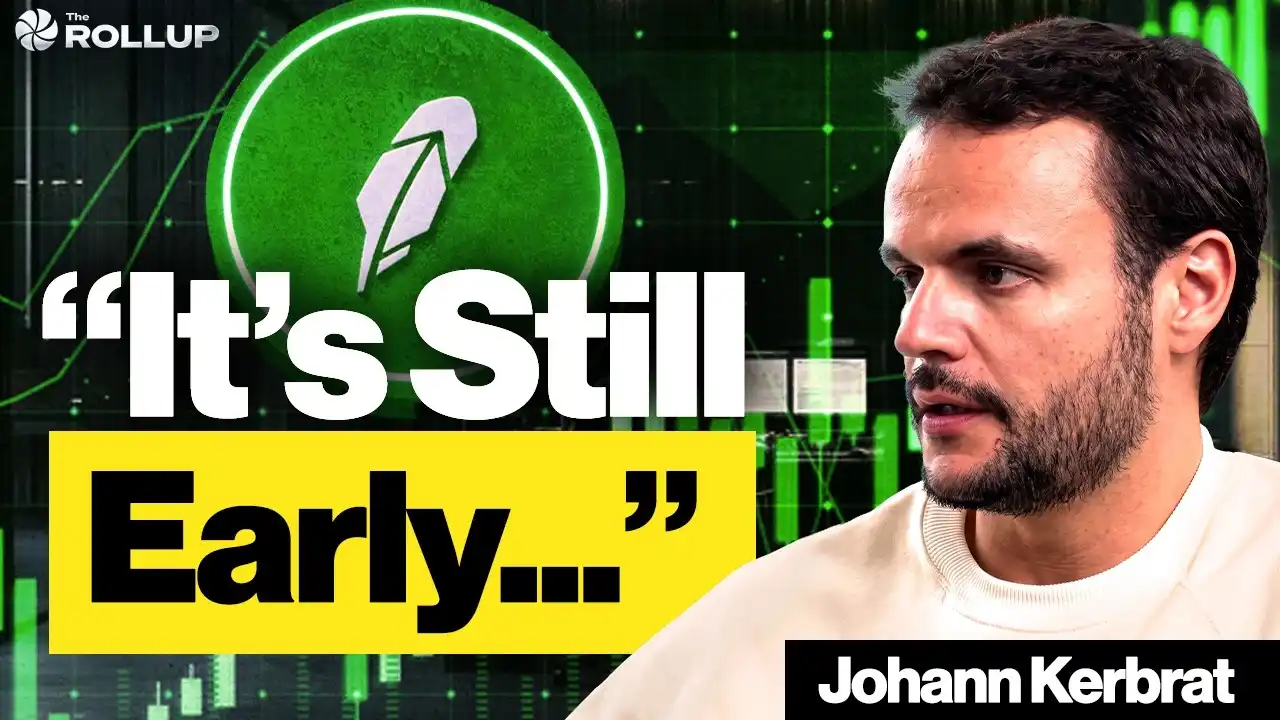
Wawancara dengan Eksekutif Robinhood: Strategi Akusisi 'Barbel' dengan Meme + Tokenisasi Saham AS, Semua Lini Bisnis Capai Pendapatan Ratusan Juta Dolar

Wawancara dengan Johann Kerbrat, Wakil Presiden Senior Robinhood, mengungkap strategi mereka untuk mendorong adopsi crypto melalui "strategi barbell": memadukan meme coin untuk menarik pengguna DeFi dengan tokenisasi saham AS (RWA) untuk menjangkau pengguna global yang kesulitan mengakses pasar modal tradisional. Robinhood Chain, yang baru diluncurkan tiga minggu, telah mencatat volume perdagangan mingguan lebih dari $30 miliar dan lebih dari 1,05 miliar transaksi. Strategi intinya adalah memindahkan 27 juta akun berdananya ke ekosistem blockchain dengan menyederhanakan pengalaman DeFi. Produk seperti Robinhood Earn memungkinkan pengguna mendapatkan yield aset kripto tanpa harus mengelola dompet atau private key. Tokenisasi saham, yang kini mencakup 90+ saham di 120+ negara, menawarkan solusi seperti perdagangan 24/7 dan akses internasional. Kerbrat menekankan bahwa mereka memilih stack teknologi Arbitrum daripada membangun L1 sendiri untuk memanfaatkan keamanan Ethereum dan likuiditas EVM. Fokus mereka adalah memperluas pasar secara keseluruhan, bukan bersaing langsung dengan platform seperti Base. Kemitraan dengan proyek DeFi dipilih berdasarkan kesesuaian regulasi, kemampuan membangun pengalaman unik, dan diferensiasi. Visi jangka panjang Robinhood adalah menjadi "aplikasi super" yang memenuhi semua kebutuhan keuangan pengguna, dengan semua lini bisnisnya telah menghasilkan pendapatan miliaran dolar.

marsbit3j yang lalu

Wawancara dengan Eksekutif Robinhood: Strategi Akusisi 'Barbel' dengan Meme + Tokenisasi Saham AS, Semua Lini Bisnis Capai Pendapatan Ratusan Juta Dolar

marsbit3j yang lalu

Trading

Spot

Artikel Populer

Cara Membeli BILL

Selamat datang di HTX.com! Kami telah membuat pembelian Billions Network (BILL) menjadi mudah dan nyaman. Ikuti panduan langkah demi langkah kami untuk memulai perjalanan kripto Anda.Langkah 1: Buat Akun HTX AndaGunakan alamat email atau nomor ponsel Anda untuk mendaftar akun gratis di HTX. Rasakan perjalanan pendaftaran yang mudah dan buka semua fitur.Dapatkan Akun SayaLangkah 2: Buka Beli Kripto, lalu Pilih Metode Pembayaran AndaKartu Kredit/Debit: Gunakan Visa atau Mastercard Anda untuk membeli Billions Network (BILL) secara instan.Saldo: Gunakan dana dari saldo akun HTX Anda untuk melakukan trading dengan lancar.Pihak Ketiga: Kami telah menambahkan metode pembayaran populer seperti Google Pay dan Apple Pay untuk meningkatkan kenyamanan.P2P: Lakukan trading langsung dengan pengguna lain di HTX.Over-the-Counter (OTC): Kami menawarkan layanan yang dibuat khusus dan kurs yang kompetitif bagi para trader.Langkah 3: Simpan Billions Network (BILL) AndaSetelah melakukan pembelian, simpan Billions Network (BILL) di akun HTX Anda. Selain itu, Anda dapat mengirimkannya ke tempat lain melalui transfer blockchain atau menggunakannya untuk memperdagangkan mata uang kripto lainnya.Langkah 4: Lakukan trading Billions Network (BILL)Lakukan trading Billions Network (BILL) dengan mudah di pasar spot HTX. Cukup akses akun Anda, pilih pasangan perdagangan, jalankan trading, lalu pantau secara real-time. Kami menawarkan pengalaman yang ramah pengguna baik untuk pemula maupun trader berpengalaman.

329 Total TayanganDipublikasikan pada 2026.05.07Diperbarui pada 2026.06.02

Cara Membeli BILL

Diskusi

Selamat datang di Komunitas HTX. Di sini, Anda bisa terus mendapatkan informasi terbaru tentang perkembangan platform terkini dan mendapatkan akses ke wawasan pasar profesional. Pendapat pengguna mengenai harga BILL (BILL) disajikan di bawah ini.

活动图片