Author: Dean Fankhauser
Compiled by: Felix, PANews
The relationship between humans and robots is about to become complex. As humanoid robots increasingly resemble human appearance, they are now facing an unexpected psychological barrier that may shape the future of human-robot interaction.
What is the "Uncanny Valley Effect"?
The "Uncanny Valley Effect" is a psychological phenomenon that describes how human emotional responses change as artificial creations become more human-like. This concept is simple yet profound: when robots look distinctly mechanical, they are easily accepted. Think of R2-D2 from *Star Wars* or industrial robotic arms—they are clearly machines, and viewers are comfortable with them.
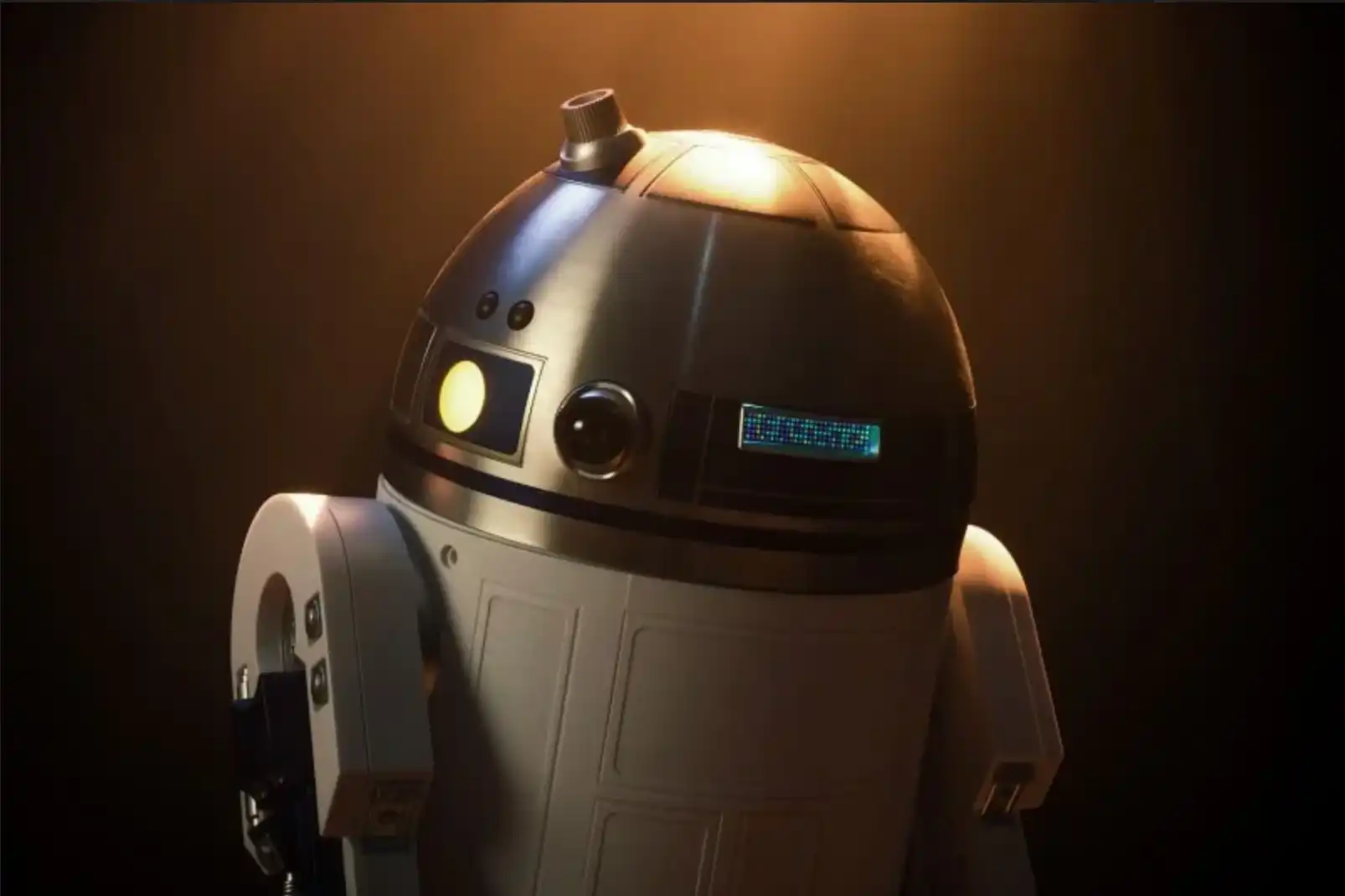
R2-D2 Space Repair Droid
As robots become more human-like, acceptance initially increases. Humans attribute anthropomorphic traits to them, finding them cute or endearing. But then, something strange happens.
When a robot reaches a certain level of similarity to humans (looking almost human but not quite), the comfort level plummets. Instead of greater acceptance, an instinctive unease arises. Minor flaws in appearance or movement that might be overlooked in more mechanical robots suddenly become glaringly and eerily apparent here.
The term "uncanny valley" was coined by Japanese robotics expert Masahiro Mori in 1970. In a paper discussing the relationship between human emotional responses to robots and their degree of realism, he proposed this concept and pointed out the typical sharp drop in acceptance when robots approach but do not fully achieve human appearance.
Movement and facial expressions are the primary triggers. Subtle errors in eye movement, the timing of blinks, lip synchronization, and facial micro-expressions can all elicit the strongest "uncanny valley effect." A perfectly realistic static image might look fine, but once it moves, it often triggers the effect.
It's worth noting that individual sensitivity to the "uncanny valley effect" varies greatly. Some studies suggest that people with higher empathy or those whose work is closely related to humans (such as medical staff, psychotherapists) might be more sensitive. Age is also a factor, with some research indicating that children are less affected than adults.
Why Does It Feel Uncomfortable?
The "uncanny valley effect" triggers a fundamental conflict in human perception. The human brain is innately wired to interpret facial expressions and capture subtle social cues. This is how we have survived as social animals for millions of years. When a robot is 90% human-like, the brain initially categorizes it as "human," but then quickly spots inconsistencies.
These inconsistencies cause cognitive dissonance. For example, eye movement might be slightly off; skin texture might be unnaturally perfect; the blinking rhythm might be a few milliseconds slow. Each subtle deviation triggers a subconscious alarm: something is masquerading as human.

Remember the movie *The Polar Express*? This film's characters aimed for realism, but audiences found them creepy. Their nearly human-like faces triggered the exact same psychological response as facing hyper-realistic robots. The characters' eyes looked lifeless, and their movements were somewhat stiff. These little oddities reminded viewers: something is not right.
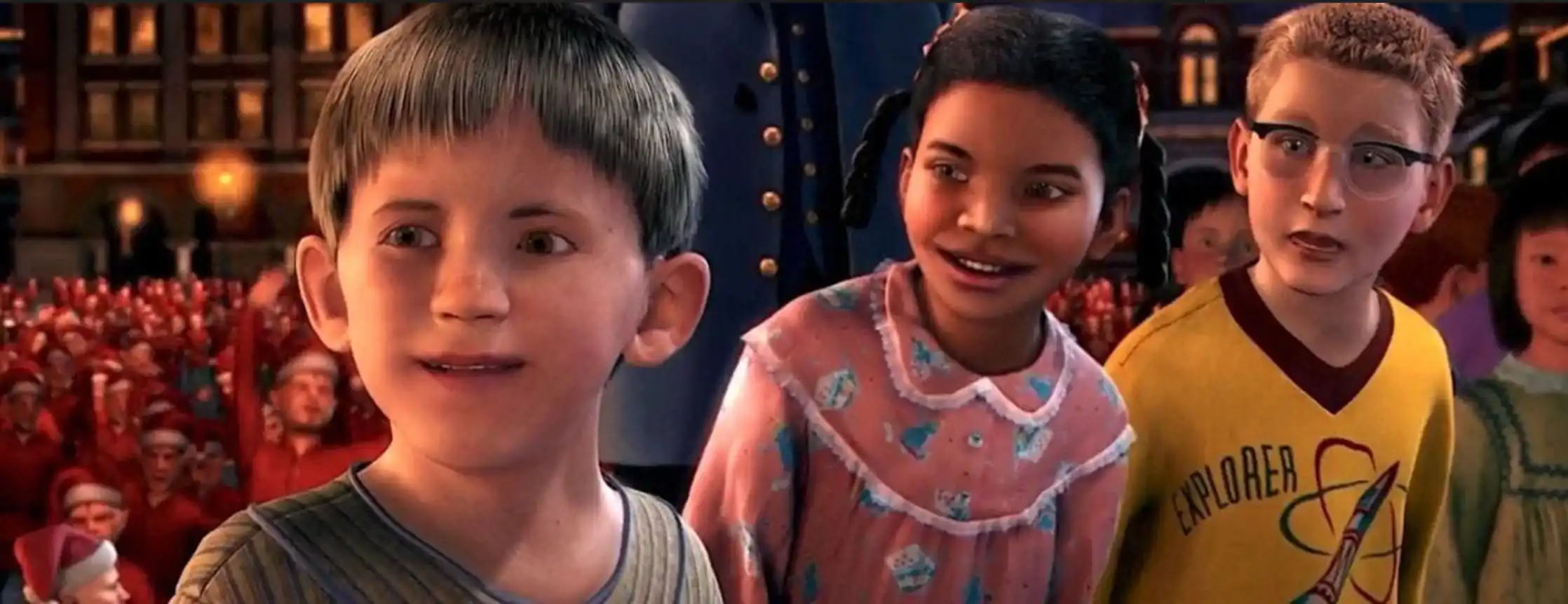
The movie "The Polar Express"
In the field of robotics, early attempts at realism were astonishing but not perfect. Hanson Robotics' robot "Sophia," which deliberately pursues lifelike human qualities, has found itself mired in controversy. Some find her fascinating, while others find her downright creepy.
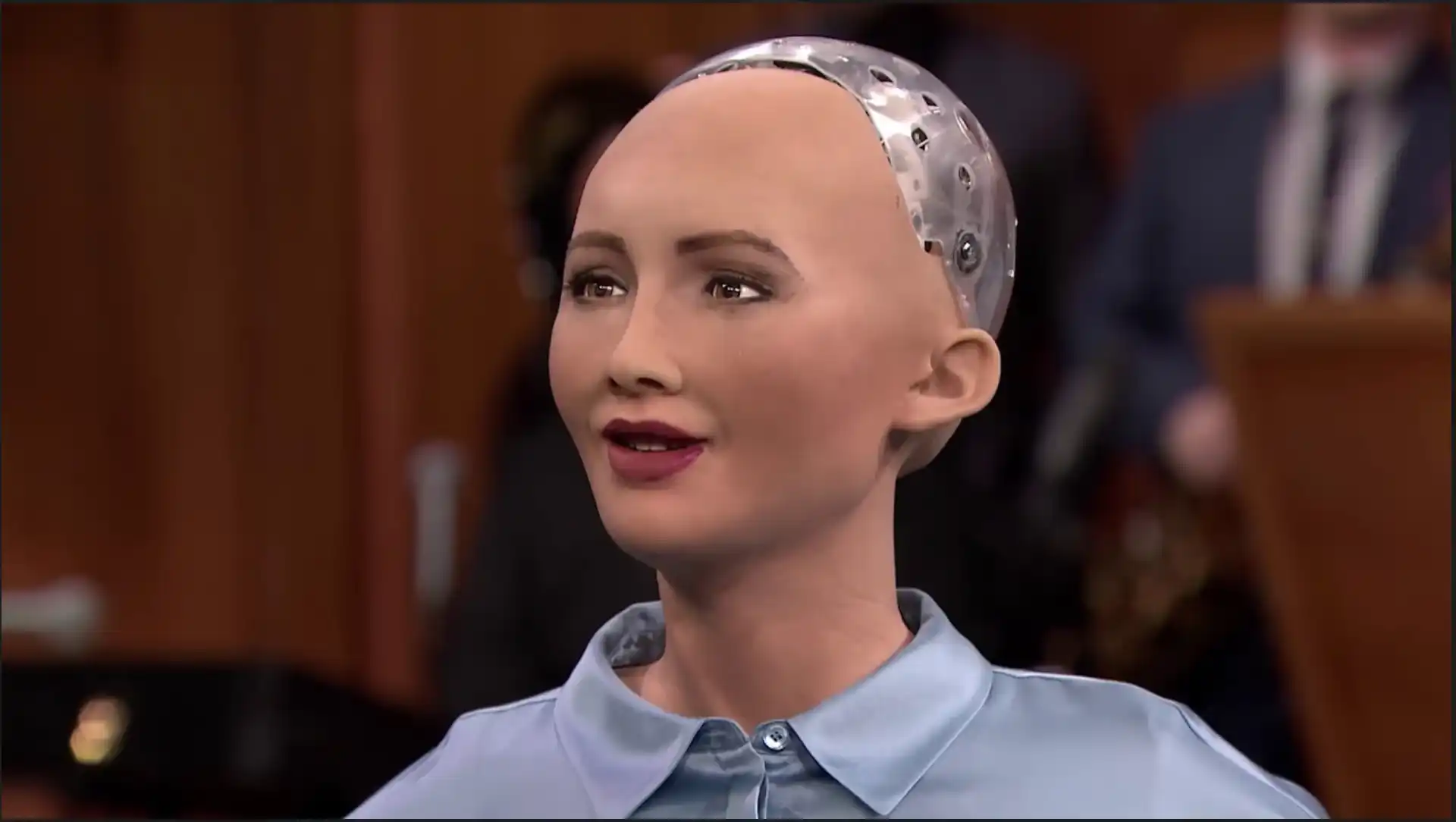
Robot Sophia
How Are Robot Companies Responding to the "Uncanny Valley Effect"?
This is not merely an aesthetic issue. The "uncanny valley effect" has profound implications for robot development. Companies investing millions in developing humanoid robots face a critical design dilemma: at what point does humanization become "too much"?
Some companies choose to avoid the "uncanny valley" altogether. Boston Dynamics' robots perform astonishing physical feats while maintaining an unmistakably mechanical appearance. Others, like Hanson Robotics, take the risk and remain committed to achieving more human-like robotics. Each approach embodies a different philosophy of human-robot interaction.

As robots become increasingly integrated into daily life, understanding and addressing the "uncanny valley effect" is crucial. It's not just about making robots work efficiently; it's about co-existing with them comfortably.
For household robots, design choices are paramount. A robot helping with chores needs to be accepted by all family members, including those more sensitive to the "uncanny valley effect." Therefore, most consumer robot companies wisely opt for stylized or distinctly mechanical designs.
Will the "Uncanny Valley Effect" Eventually Fade Away?
Two factors might dilute the "uncanny valley effect" over time. First, with advancements in robotics, robots might cross the valley by achieving near-perfect realism, eliminating those subtle incongruities that trigger unease.
Second, as people become more accustomed to the presence of humanoid robots in daily life, the novelty and unfamiliarity that amplify the effect may gradually diminish. Younger generations growing up with humanoid robots might exhibit higher tolerance.
For now, the "uncanny valley effect" still serves as a reminder: human perception is complex and often counterintuitive. In creating machines that increasingly resemble ourselves, understanding human psychology is no less important than understanding robotics technology.
Related read: From Code to Cognition: A Ten-Thousand-Word Guide to the Evolution of the Robot Brain