Solana Says External Assets Need More Than A Bridge To Build Real Markets

bitcoinist发布于2026-07-06更新于2026-07-06

文章摘要

Solana argues that merely bridging external assets to its network is insufficient for building real markets. The key challenge is ensuring these assets arrive into a ready ecosystem with deep liquidity, efficient routing, and integrated DeFi applications from day one. Projects like Sunrise are positioned as orchestration layers to coordinate this onboarding. This focus on market formation over simple token transfer is central to Solana's broader push to become a hub for capital markets and tokenized assets, where liquidity quality and seamless integration are as critical as network speed.

Solana is making a point that matters for the next phase of on-chain markets: bridging an asset is not the same thing as creating a market for it.

In a new ecosystem post, Solana breaks down how external assets can start trading on the network from day one, using Sunrise and assets such as HYPE as examples. The interesting part is not simply that tokens can move across chains. It is that liquidity, routing, and market structure need to be ready when they arrive.

For more details, visit the official Solana platform.

TL;DR

Solana’s argument is that external assets do not enter an empty venue. They arrive into an existing network of traders, liquidity pools, routing systems, and protocols. Sunrise is positioned as an orchestration layer that helps those assets coordinate with Solana infrastructure from the start.

That distinction matters. Crypto has spent years treating bridges as if they solve the whole problem. They do not.

A bridge can move a token. It cannot guarantee deep markets, good execution, integrated DeFi usage, or user attention. Without those, a bridged asset often becomes technically available but economically irrelevant.

Why Market Formation Matters

For external assets, day-one liquidity can decide whether anyone cares. If users arrive and find thin pools, poor routes, and fragmented support, activity fades quickly. If they arrive and the asset already works across trading venues, wallets, and DeFi applications, the market has a better chance of sticking.

That is why Solana is framing the issue around orchestration rather than exclusivity. The goal is not to say every asset must use one path. The goal is to make sure new assets can plug into a liquid environment quickly enough for traders and applications to use them.

This is especially relevant for tokenized assets, cross-chain tokens, and assets that begin life somewhere else but want Solana’s speed and user base.

A Bigger Solana Theme

The external-assets story fits neatly into Solana’s broader push around capital markets, RWAs, stablecoins, and high-throughput trading. The network wants to be seen less as a place where tokens only launch and more as a place where markets form.

That is a stronger institutional story.

If Solana can make it easier for external assets to arrive with liquidity and integrations already in place, it gives the network a role beyond low fees. It becomes a distribution venue for assets that need active markets.

For SOL, this kind of infrastructure story is not always an immediate price catalyst. Traders still care about the chart. But it does help explain why Solana remains one of the more closely watched ecosystems even when the token is under pressure.

The market may be debating whether SOL can reclaim $80, but the network is trying to answer a bigger question: where will the next generation of on-chain assets actually trade?

This report is based on information from Solana.

That could become more important as tokenized stocks, commodities, and other external assets compete for attention. In those markets, liquidity quality matters as much as chain speed. Solana’s bet is that coordination at launch can make imported assets feel native faster.

This article was written by the News Desk and edited by Samuel Rae.

Source: Solana

热门币种推荐

相关问答

QWhat is the main point Solana is making about external assets in its new ecosystem post?

ASolana's main point is that simply bridging an external asset to its network is not sufficient to create a real market for it. The asset needs immediate access to liquidity, routing systems, and market infrastructure upon arrival to be economically relevant.

QWhat is Sunrise positioned as, according to the article?

ASunrise is positioned as an orchestration layer that helps external assets coordinate with Solana's infrastructure (like traders, liquidity pools, and protocols) from the very first day they arrive on the network.

QWhy does day-one liquidity matter for an external asset coming to Solana?

ADay-one liquidity is critical because it determines whether users will engage with the asset. If users find thin liquidity pools, poor trading routes, and fragmented support, activity will quickly fade. A liquid environment from the start gives the market a better chance to succeed.

QHow does Solana's focus on external assets fit into its broader strategic push?

AThis focus fits into Solana's broader push to become a hub for capital markets, RWAs, stablecoins, and high-throughput trading. The goal is to shift its perception from being just a token launchpad to a network where active, liquid markets are formed, which strengthens its institutional narrative.

QAccording to the article, what is a key limitation of a standard bridge for moving assets between blockchains?

AA key limitation of a standard bridge is that while it can move a token, it cannot guarantee deep markets, good trade execution, integrated DeFi usage, or user attention. Without these elements, a bridged asset often becomes technically available but economically irrelevant.

你可能也喜欢

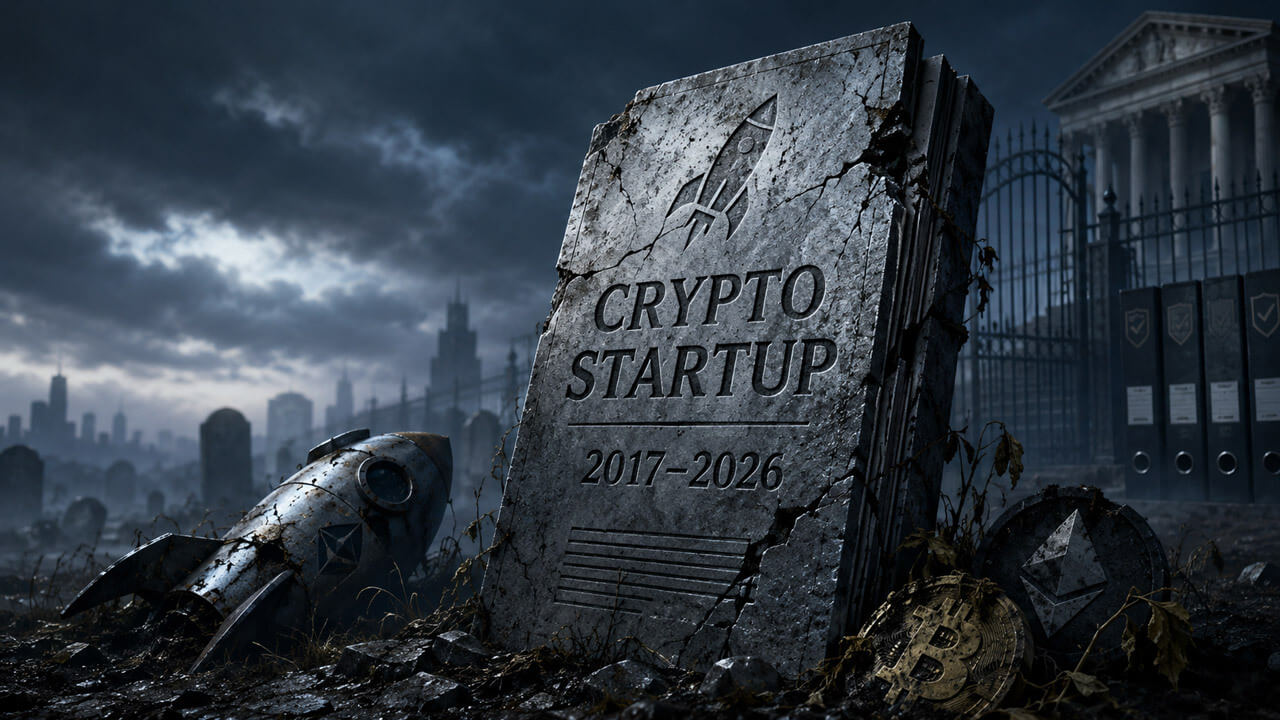
十年变迁:加密初创的消亡之路

**摘要:** 文章回顾了加密行业过去十年从自由初创到高度合规化的根本性转变。 **昔日(2017年前后):** 行业准入门槛极低,匿名开发者仅凭白皮书和代码即可通过ICO快速融资并启动项目。监管缺失,资金和合规成本近乎为零,催生了大量创新实验,但也伴随着欺诈和投资者损失,为后续严格监管埋下伏笔。 **当下(2026年):** 行业面貌已彻底改变。在欧美亚等主要市场合规运营,企业必须像传统金融机构一样,配备完整的法务、合规团队,建立反洗钱体系,并满足高昂的牌照与资本金要求(例如,在美国全面运营的前三年合规成本可达75-120万美元)。 与此同时,风险投资逻辑巨变。资金高度集中于后期成熟企业(如2026年Q1,C轮后融资占风投资金28.4%),而早期初创融资严重萎缩(种子轮仅占5.2%)。风投更偏好交易平台、借贷等基础设施,对前沿探索性项目的支持减少。 **关键壁垒与行业格局:** 技术创新的重要性下降,**合规牌照、银行合作渠道、机构客户资源和品牌信任**成为核心护城河。这导致并购成为巨头快速获取这些稀缺资源的主要方式(如Coinbase收购Deribit)。行业话语权向少数资源雄厚的老牌企业集中,新入局者面临巨大障碍。 **结论与反思:** 行业成熟化带来了机构信任和投资者保护等好处,但也显著提高了创业门槛,压缩了无资源创业者的创新空间。加密行业正复刻传统金融的整合轨迹,其最初“去中心化”和“打破垄断”的理想,正面临被高合规成本和资本壁垒所侵蚀的挑战。

Foresight News20分钟前

十年变迁:加密初创的消亡之路

Foresight News20分钟前

机器人看视频学操作,伯克利首次打通互联网视频到灵巧手真机部署链路

加州大学伯克利分校的研究团队提出了一种名为“Do as I Do”的端到端流程,首次成功实现了从互联网单目RGB视频到灵巧手真机部署的完整链路。该方法旨在解决机器人“看”视频却“不会做”的核心难题,即如何将带有噪声的日常人类操作视频,转化为多指灵巧手能够执行的动作轨迹。 系统流程分为两个阶段。第一阶段,通过引导式扩散模型,稳定地从视频中重建出4D手-物交互过程,解决了传统方法在运动模糊、遮挡下跟踪不稳定的问题。第二阶段,针对重建出的带噪声参考轨迹,改进了原有的动作重定向优化框架,通过多项设计显著提升了成功率,从25%提升至71%。 研究团队利用该方法,从网络视频中生成了涵盖放置、书写、搅拌、锤击等20类复杂日常操作的500条已验证轨迹,并选取其中10项成功部署到双UR3e机械臂与双Sharpa Wave灵巧手平台上进行50Hz的真实执行。Sharpa Wave灵巧手因其接近人手的尺度和自由度,更适合此类迁移。 研究同时指出,直接从网络海量视频中筛选可用数据至关重要,未经处理的视频中仅有约5%的片段适合用于机器人学习,并总结了一套关键的数据筛选要点。这项工作标志着将人类视频大规模转化为机器人可执行数据的关键一步,为机器人学习开辟了新的数据来源。

marsbit1小时前

机器人看视频学操作,伯克利首次打通互联网视频到灵巧手真机部署链路

marsbit1小时前

交易

现货

热门文章

相关讨论

欢迎来到HTX社区。在这里,您可以了解最新的平台发展动态并获得专业的市场意见。以下是用户对SOL(SOL)币价的意见。

活动图片