Key Takeaways
- Charles Hoskinson blamed Chainlink’s “absurd” fee for Cardano’s exclusion from a U.S. government blockchain partnership.
- The Cardano founder said Chainlink’s pricing model made ADA’s inclusion impractical.
- Hoskinson stressed that discussions with Chainlink remain ongoing despite the missed opportunity.
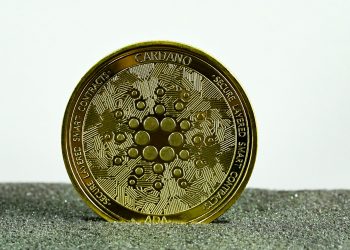
Cardano’s absence from the U.S. government’s recent blockchain initiative raised eyebrows across crypto. Now, founder Charles Hoskinson says the reason boils down to money.
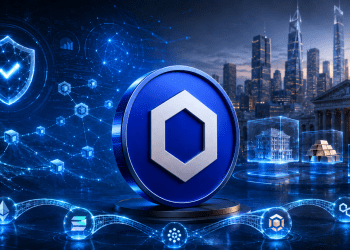
In his latest YouTube AMA, Hoskinson claimed that Cardano was left out of the federal government’s deal to bring macroeconomic data on-chain because Chainlink, the oracle provider tasked with integration, quoted what he described as “an absurd number” for Cardano support.


 322
322
-
0x Protocol
-
1inch Network
-
Aave
-
Aavegotchi
-
Acala Token
-
 Adventure Gold
-
 Akash Network
-
 Alchemix
-
 Alchemy Pay
-
 Algorand
-
 Alien Worlds
-
 Alpha Finance Lab
-
 Altair
-
 Ambire AdEx
-
 Ampleforth Governance Token
-
 Ankr
Ankr
-
 APEcoin
-
 API3
API3
-
 Aptos
Aptos
-
 ARPA Chain
-
 Astar
Astar
-
 Audius
-
 Augur
Augur
-
 Augur V2
-
 Avalanche
-
 Axie Infinity
-
 Badger DAO
-
 Balancer
-
 Bancor
-
 Band Protocol
-
 Bonded Finance
-
 Basic Attention Token
-
 Basilisk
-
 Biconomy
-
 Bifrost
-
 Bitcoin
-
 Bitcoin Cash
-
 BitDAO
-
 Blur
Blur
-
 Bluzelle
-
 BitTorrent
-
 Boba Network
-
 Solana Name Service
-
 Cardano
-
 Cartesi
-
 Celer Network
-
 Centrifuge
-
 Chain Games
-
 Chainlink
-
 Chiliz
-
 Chromia
-
 Civic
Civic
-
 Compound
-
 Coin98
-
 Convex Finance
-
 Cosmos
-
 COTI
COTI
-
 Crust Shadow
-
 Curve DAO Token
-
 Dai
Dai
-
 Dash
Dash
-
 Decentraland
-
 Dent
Dent
-
 Dogecoin
-
 dYdX
dYdX
-
 Energy Web Token
-
 Enjin Coin
-
 Enzyme
-
 EOS
EOS
-
 Ethereum
-
 Ethereum Classic
-
 Ethereum Name Service
-
 Euler
Euler
-
 Fantom
-
 Artificial Superintelligence Alliance
-
 Filecoin
-
 Flare
Flare
-
 Flow
Flow
-
 Frax Share
-
 Gala
Gala
-
 Galatasaray Fan Token
-
 Gari Network
-
 GensoKishi Metaverse
-
 Gitcoin
-
 GMX
GMX
-
 Gnosis
-
 Gstcoin
-
 Harvest Finance
-
 Hashflow
-
 ICON
ICON
-
 IDEX
IDEX
-
 iExec RLC
-
 Immutable
-
 Injective Protocol
-
 Internet Computer
-
 Integritee
-
 Interlay
-
 JasmyCoin
-
 Juno
Juno
-
 Karura
-
 Kava.io
-
 Keep Network
-
 Keep3rV1
-
 Rook
Rook
-
 KILT Protocol
-
 Kin
Kin
-
 Kintsugi
-
 Kusama
-
 Kyber Network
-
 Lido DAO Token
-
 Lisk
Lisk
-
 Litecoin
-
 Livepeer
-
 Loopring
-
 Maker
Maker
-
 Marlin
-
 Mango
Mango
-
 Marinade Staked SOL
-
 Mask Network
-
 Merit Circle
-
 Mina
Mina
-
 MIR COIN
-
 Monero
-
 Moonbeam
-
 Moonriver
-
 Multichain
-
 MultiversX
-
 Moonchain
-
 MyNeighborAlice
-
 Nano
Nano
-
 NEAR Protocol
-
 Nodle
Nodle
-
 Numeraire
-
 NYM
NYM
-
 Ocean Protocol
-
 OMG Network
-
 Orca
Orca
-
 Orchid
-
 Origin Protocol
-
 Oxygen
-
 Parallel Finance
-
 PAX Gold
-
 Perpetual Protocol
-
 Phala Network
-
 Polkadot
-
 Polkastarter
-
 Polygon Matic
-
 Powerledger
-
 pSTAKE Finance
-
 Qtum
Qtum
-
 Quant
Quant
-
 Radworks
-
 Rarible
-
 Raydium
-
 Ren
Ren
-
 Request
-
 XRP
XRP
-
 Robonomics.network
-
 Rocket Pool
-
 Rubic
Rubic
-
 Saber
Saber
-
 Samoyedcoin
-
 Secret
-
 Selfkey
-
 Serum
Serum
-
 Shiba Inu
-
 Shiden Network
-
 Siacoin
-
 Solana
-
 Songbird
-
 Spell Token
-
 Stacks
-
 Stafi
Stafi
-
 Star Atlas
-
 Star Atlas DAO
-
 Stargate Finance
-
 Stellar
-
 1Step.Finance Step Finance
-
 STEPN
STEPN
-
 Storj
Storj
-
 SuperCoin
-
 SuperRare
-
 SushiSwap
-
 Solar
Solar
-
 Synapse
-
 Synthetix
-
 tBTC
tBTC
-
 Terra 2.0
-
 Terra Classic
-
 TerraUSD
-
 Terra
Terra
-
 Terra Virtua Kolect
-
 Tether
-
 Tezos
Tezos
-
 The Graph
-
 The Sandbox
-
 THORChain
-
 Threshold
-
 Tokemak
-
 Tribe
Tribe
-
 TRON
TRON
-
 TrueFi
-
 UniFi Protocol
-
 Uniswap
-
 USD Coin
-
 Waves
Waves
-
 WOO Network
-
 Wrapped Bitcoin
-
 Wrapped Axelar
-
 Wrapped Ethereum
-
 yearn.finance
-
 Yield Guild Games
-
 Zcash
Zcash
-
 Beam
Beam
-
 Aevo
Aevo
-
 Altlayer
-
 Arkham
-
 ether.fi
-
 Safe
Safe
-
 Zetachain
-
 Nosana
-
 WenMoon
-
 Zeus Network
-
 Pendle
-
 PDATA
PDATA
-
 Big Time
-
 Portal
-
 Gravity
-
 Osmosis
-
 Kujira
-
 Hivemapper
-
 Mantle
-
 Neutron
-
 SagaWorld
-
 Stride
-
 Renzo
Renzo
-
 CloudTx
-
Balancer USD Stable Pool
-
 0xBitcoin
-
Crust Shadow
-
 Orbitcoin
-
 r/FortNiteBR Bricks
-
 Bionic
-
 MoonSwap
-
Ambire AdEx
-
 00 Token
-
 Tether EURt
-
 FunFi
FunFi
-
Gstcoin
-
 Ethena
-
 Unifi Protocol DAO
-
Selfkey
-
Terra Virtua Kolect
-
 Ampleforth
-
 ForthBox
-
 Onyxcoin
-
Merit Circle
-
Star Atlas DAO
-
 Proof Of Liquidity
-
Energy Web Token
-
 Radar
Radar
-
Alpha Finance Lab
-
Hashflow
-
 LCX
LCX
-
 PayPal USD
-
 Nano
Nano
-
TerraUSD
-
 UMA
UMA
-
 JITO
JITO
-
 EthereumPoW
-
Moonbeam
-
Rubic
-
 Afsc Coin
-
SuperCoin
-
 aTUSDv1 Aave Interest bearing TUSD
-
 Dymension
-
 Helium
-
Axie Infinity
-
 Pyth Network
-
 Bonk
Bonk
-
 Strike
-
MultiversX
-
 Jupiter
-
 Sui
Sui
-
 Dogwifhat
-
 Sei
Sei
-
THORChain
-
 Celestia
-
 Pepe
Pepe
-
 ETC Cooperative
-
 Arbitrum
-
Uniswap
-
 Shiba BSC
-
 Doge Dash
-
 1Sol
1Sol
-
 Toncoin
-
 Stably USD
-
 Kaspa
Kaspa
-
 Popcat
-
 Mog Coin
-
 Cat In A Dogs World
-
 zkSync
-
 Eigenlayer
-
 TurboStarter
-
 Echelon Prime
-
 Memecoin
-
 GigaSwap
-
 Ponke
Ponke
-
 Apu Apustaja
-
 Athens
-
 Kamino
-
 Clearpool
-
 Goldfinch
-
 Morpho
-
 Bounce Token
-
 Maple Finance
-
 Parcl
Parcl
-
 Covalent X Token
-
 Swell Network
-
 Litentry
-
 deBridge
-
 Puffer
-
 Globiance USD Stablecoin
-
 Zeta
Zeta
-
 Quantoz USDQ
-
 Quantoz EURQ
-
 Skycoin
Chainlink High Fee Cost Cardano Gov Deal?
“They gave us an absurd number for integration,” Hoskinson said. “We’ll handle it. Sergey [Nazarov] is a brilliant man. He knows he’s sitting on a golden egg, and he knows what he’s worth.”
The U.S. deal, announced earlier this month, included Ethereum (ETH), Solana (SOL), and several other blockchains as recipients of official data feeds.
However, Cardano (ADA) and XRP were absent—an omission that fueled criticism of Cardano’s pace of adoption despite its reputation for stability and its inclusion in the White House’s list of crypto treasury tokens.
Chainlink Integration in Limbo
Hoskinson emphasized that discussions with Chainlink are ongoing, but acknowledged that Cardano’s unique design complicates matters.
Unlike Ethereum and Solana, Cardano isn’t EVM-compatible, which means Chainlink would need to build separate infrastructure for ADA—an expensive lift.
Chainlink, long considered the gold standard for decentralized data oracles, is used by both crypto-native and traditional financial institutions.
Its market dominance, coupled with growing government partnerships, has given it leverage in setting integration terms.
Still, Hoskinson suggested that the standoff was less about technology than economics.
“The high fee made including ADA among the supported blockchains impractical,” he said, implying Cardano’s exclusion wasn’t due to lack of capability but rather Chainlink’s pricing strategy.
Missed Timing, Lingering Criticism
For some in the community, the episode was less surprising than frustrating.
Critics pointed out that Cardano had been in talks with Chainlink as far back as four years ago but failed to close a deal at the time.
That missed opportunity now looms larger as Cardano, despite its record of zero downtime in five years, continues to face criticism for lagging utility and late-arriving smart contract functionality, which only went live in 2021.