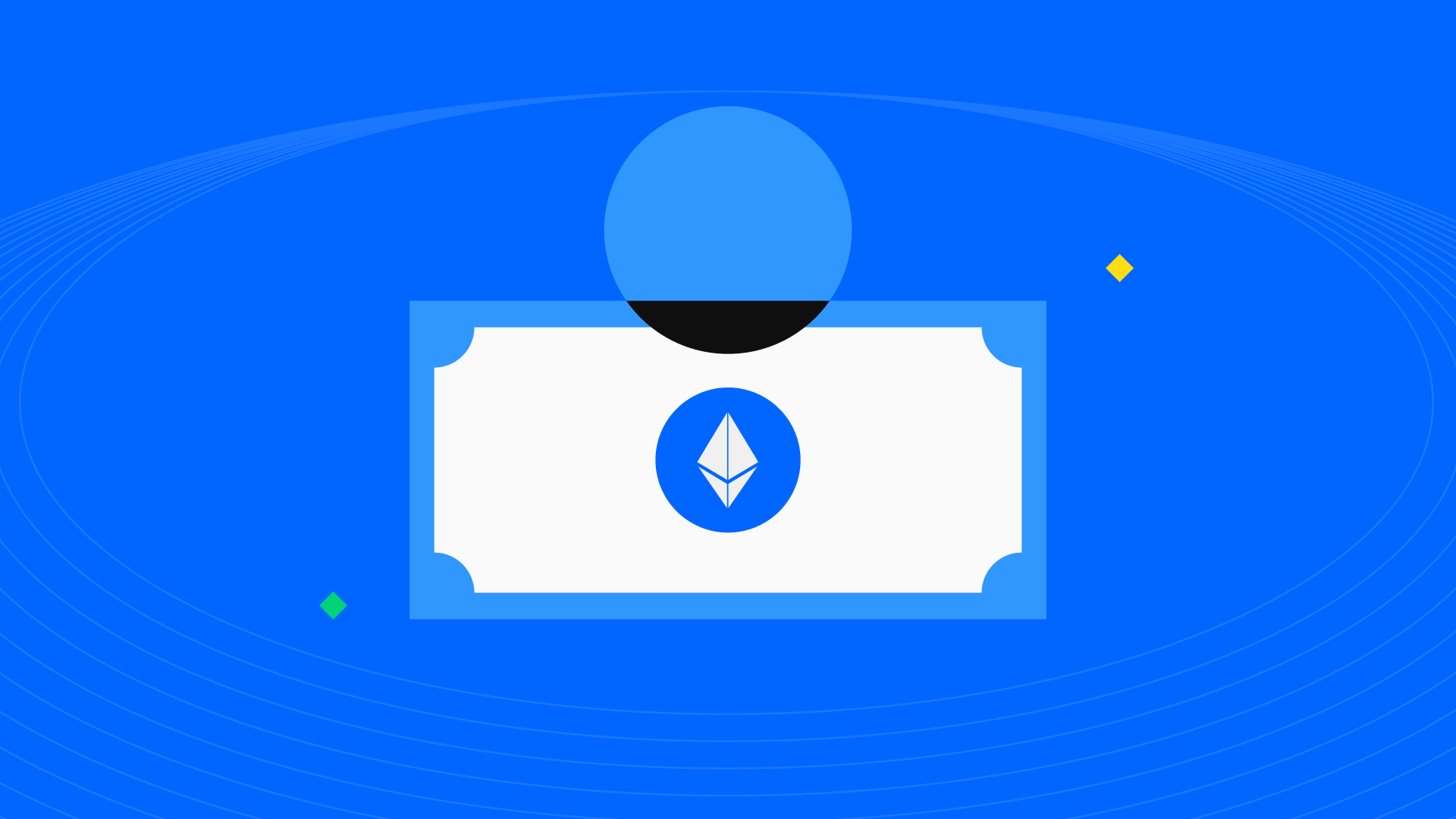
Ethereum's price performance has been disappointing over the past year. Despite the broader growth and development within the Ethereum ecosystem, ETH has struggled to keep up with its competitors in terms of price appreciation. The ETH/BTC ratio, an indicator reflecting the relative strength of ETH, has declined significantly, with the ratio down over 32% in the past year.

This disappointing performance has raised concerns among investors and stakeholders, especially given Ethereum’s central role in the decentralized finance (DeFi) and smart contract sectors. The slower price growth has sparked debates about the long-term value capture potential of ETH, particularly in the face of rising competition from alternative Layer 1 and the complexities introduced by Layer 2 scaling solutions.
This article explores several key problems facing Ethereum that may have contributed to its recent poor price performance.
Layer 2 Solutions Lead to Lower ETH Demand
Layer 2 solutions, such as rollups, have emerged as a response to alleviate congestion on the Ethereum mainnet. By processing transactions off-chain and then batching them back onto the main chain, these solutions offer faster and cheaper transactions, significantly enhancing the user experience. However, this shift presents potential challenges regarding Ethereum’s value capture.
As more transactions are processed on Layer 2 solutions, the fees and economic activity that would traditionally benefit the Ethereum mainnet are increasingly redirected. This shift can lead to a reduced demand for ETH, as users engage more with Layer 2 networks like Arbitrum and Optimism instead of the Ethereum base layer. Consequently, the economic incentives that drive ETH's value could diminish, potentially impacting its price and utility as a primary asset within the ecosystem.
Although Ethereum serves as the Data Availability (DA) layer for these Layer 2s, the fees and value captured by ETH remain lower than if these transactions occurred directly on Layer 1. While the DA role is crucial, it does not fully compensate for the reduced direct transactional value on the Ethereum mainnet.
Related Reading: What is Data Availability?
Significant Drop in Gas Fee
In July and August 2024, Ethereum experienced a remarkable decline in gas fees, reaching levels not seen in over five years. This trend is largely attributed to the ongoing effects of the Dencun upgrade and increased activity on Layer 2 solutions.
By mid-August, Ethereum's gas fees had plummeted to as low as 0.6 gwei, with low-priority transactions recorded at just 1 gwei or lower. This represents a staggering decrease of over 95% from the highs of 83 gwei observed in March 2024 during a period of intense network activity.

The Dencun upgrade, implemented in March 2024, played a crucial role in reducing transaction costs across Layer 2 networks. The most notable aspect of the Dencun upgrade is the introduction of proto-danksharding. This mechanism allows Ethereum to process Layer 2 (L2) transaction data more efficiently by utilizing a new type of temporary data called "blobs." These blobs are purged from the blockchain after a set period, significantly reducing the storage costs associated with L2 transactions.
Increased ETH Supply
The sharp decline in gas fees has also affected the burning of ETH, as dictated by the EIP-1559 mechanism.
EIP-1559 establishes a base fee for each transaction, which is the minimum gas price required for inclusion in a block. This base fee is dynamically adjusted based on the network demand for block space, increasing when blocks are full and decreasing when they are underutilized. The base fee is burned, permanently removing ETH from circulation. This mechanism introduces deflationary pressure on ETH, potentially decreasing the total supply over time if the amount burned exceeds the issuance from staking rewards. However, if there is insufficient demand for ETH to pay gas fees, the issuance from staking rewards could cause the total ETH supply to increase.
With fewer ETH being burned, Ethereum's total supply has increased, rising from approximately 120 million ETH in March to about 120.3 million by August. This increase in supply could exert downward pressure on ETH prices if demand does not keep pace.
Layer 2s Interoperability and Complexity Issues
Ethereum’s push to Layer 2 solutions has created interoperability issues and increased complexity for developers, making it harder for users to have a seamless experience compared to other Layer 1 network such as Solana.
Each Layer 2 solution—such as Arbitrum, Optimism, and zkSync—operates as a separate environment with its own set of rules and standards. This fragmentation means that assets and data do not seamlessly move between these different Layer 2 networks, creating silos within the broader Ethereum ecosystem. Developers must build or integrate complex bridging mechanisms to enable interoperability between these layers, which can be time-consuming and prone to errors.
There are now 64 Layer 2s, 18 Layer 3s, and 81 upcoming Layer 2 and Layer 3 projects that are coming into Ethereum. As different L2s operate in isolated environments, it has become difficult for decentralized applications (dApps) and users to interact seamlessly across these networks.
Moreover, the introduction of multiple Layer 2 solutions has significantly increased the complexity of building and deploying decentralized applications (dApps). Developers must now decide which Layer 2 network to build on, weighing factors such as user base, transaction costs, and technical specifications. Furthermore, maintaining dApps across multiple Layer 2s adds to the development and maintenance workload, as each Layer 2 might have different tools, APIs, and performance characteristics.
These interoperability and complexity issues not only affect developers but also have downstream effects on the user experience. Users may find it confusing to navigate between different Layer 2 networks, each with its own wallets, transaction processes, and fees. This fragmented experience can hinder adoption and diminish the seamless experience that Ethereum aims to provide.
Does ETH have a Monetary Premium?
A monetary premium refers to the additional value an asset holds beyond its intrinsic or utility value, often because it is perceived as a store of value, a medium of exchange, or a unit of account. Ethereum has long been considered to have a monetary premium, which has contributed to its position as the second-largest cryptocurrency by market capitalization.
For Ethereum, its monetary premium stems from several factors:
- Utility in the Ecosystem: Ethereum is the backbone of a vast ecosystem of decentralized applications (dApps), decentralized finance (DeFi) platforms, and non-fungible tokens (NFTs). The demand for ETH to pay for gas fees and participate in these activities contributes to its value beyond just its technical function.
- Store of Value Perception: Some investors view ETH as a store of value, similar to Bitcoin, due to its widespread use, large market capitalization, and the belief in the long-term growth of the Ethereum network. This perception adds a monetary premium to ETH.
- Staking and Earning Potential: ETH holders can earn rewards by staking their tokens, which further enhances its value proposition and adds to its monetary premium.
However, unlike Bitcoin, which has a hard cap of 21 million coins, Ethereum does not have a fixed supply limit. Critics argue that this lack of a cap undermines ETH’s ability to serve as a reliable store of value, as its supply can increase over time, potentially diluting its value. Under EIP-1559, when demand for ETH is high, ETH becomes a deflationary asset as a portion of the gas fees are burned. However, when demand drops, ETH becomes inflationary, which may weaken its value proposition as a store of value.
Furthermore, Ethereum is often seen as more focused on being a "world computer" rather than purely a monetary asset. This multi-faceted role, while providing utility, may detract from its perception as a simple and reliable store of value compared to Bitcoin, which has a singular focus on being "digital gold."
The core issue revolves around Ethereum's value proposition. If Ethereum’s primary goal is to function as a world computer, it needs to offload transactions to Layer 2 solutions to enable faster processing and lower transaction costs. However, this shift inevitably diverts some value to Layer 2s, potentially undermining the value accrual of ETH as an asset. The challenge lies in balancing the need for scalability with the desire to maintain and enhance the value of ETH.
For Ethereum to retain its status as "ultra sound money," it must ensure that Layer 2 solutions provide low-cost transactions for users without detracting from the value of its native asset. This delicate balance is crucial for ETH to continue to hold and grow its monetary premium.