The True Replay of the Internet Bubble Is Web3, Not AI

marsbitОпубликовано 2026-03-13Обновлено 2026-03-13

Введение

Author TVBee argues that Web3, not AI, is the true reenactment of the 2000 dot-com bubble. The article compares the three sectors: the historical internet bubble, the current AI boom, and Web3. During the 2000 bubble, capital was focused on the supply side with many unprofitable companies, while demand-side applications were scarce due to limited internet access and primitive technology. In contrast, the current AI boom is primarily driven by infrastructure leaders like NVIDIA and AMD, which have substantial profits. Demand-side applications, such as various AI models and tools, are growing and integrating into more use cases, though the ecosystem is still developing. Web3, however, is criticized for its significant supply-side speculation with high valuations based on minimal revenue (e.g., ZKsync's $1.76B市值 vs. $458 daily income). Demand-side applications are limited mostly to DeFi, memecoins, and prediction markets, with much activity driven by airdrop farming rather than genuine utility. The author concludes that Web3, with its hype-driven capital and lack of practical products, mirrors the 2000 bubble most closely. Predictions include a likely U.S. stock market correction (but not a crash), a moderate impact on Bitcoin, and a prolonged, painful consolidation for altcoins to separate valuable projects from speculative ones. The author warns that the altcoin market decline since late 2024 is not yet over.

Author: TVBee

Both stock market and crypto players are worried that AI might repeat the 2000 internet bubble, but in reality, Web3 is the true replay of the internet bubble.

Bubble: Supply-Side Self-Indulgence, Lackluster Demand

During the 2000 internet bubble phase, capital was self-indulgent on the supply side. Many internet-listed companies had no profits or cash flow, yet their stock prices soared wildly.

On the other end, internet applications on the demand side were pitifully few... Before 2000, there was no Douyin or Kuaishou, no Alibaba or JD.com, no WeChat.

The mainstream internet applications at the time were only the雏形 of QQ like OICQ, MSN and other chat software, download tools like FlashGet and NetAnts, information platforms like Yahoo,网易, and搜狐, basic applications like Google Search and email, and the early stages of e-commerce like Amazon and eBay, which had very few users.

At that time, there was no mobile internet. Personal computers were considered luxury items, and most households in China did not have one. Monitors were those big, bulky CRT monitors. Laptops were as thick as bricks, and internet access relied on dial-up connections through telephone lines. Even older were the storage media; the primary storage was floppy disks—yes, the A drive. Their capacity was only 1.44MB, not even enough to hold a single moderately sized image today.
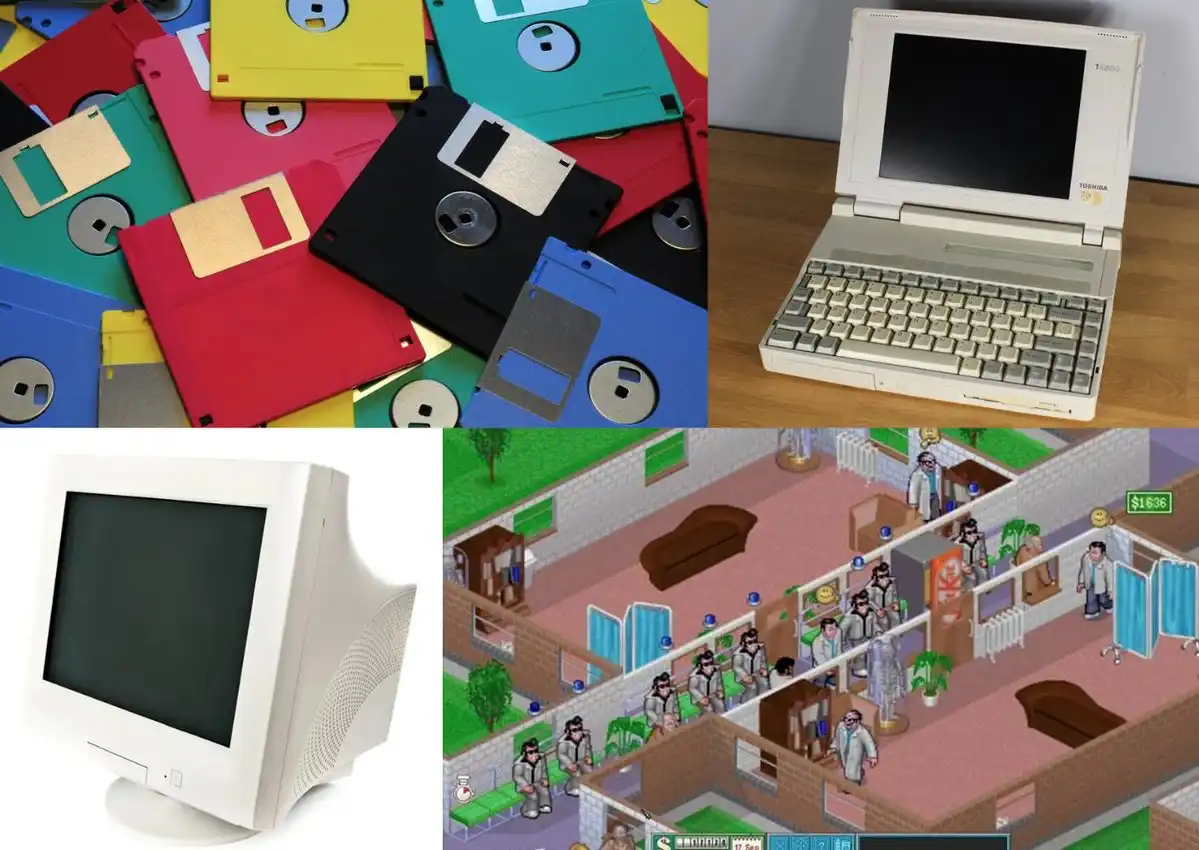
It's worth mentioning that there were single-player games back then, but they were pixelated games.

AI: Infrastructure Leaders Soar, Products Growing

Looking at the AI industry, stock prices have surged, but the main gainers are AI leaders, primarily in infrastructure—NVIDIA, AMD, SK Hynix, Samsung, Micron... This is because AI requires extensive training before deployment. On the supply side, AI does not have the exaggerated bubble seen in 2000. At least these leading AI companies do have considerable profits.

On the demand side, we can at least see Gemini, Claude, GPT, Doubao... various UGC applications. And the recently popular Lobster, the newly launched Perplexity Personal Computer... the highly eye-catching AI robots at the Spring Festival Gala... Although the breadth of AI products still can't be compared to that of the internet in 2000, this is because AI development has high infrastructure requirements. AI needs to develop its infrastructure first before it can integrate into more types of applications.

Web3: Technology as a Gimmick, Applications Few and Far Between

Circulating Market Cap and Profit

Now look at the Web3 industry. Various technological narratives emerge one after another, but how many applications actually have users? Aside from a handful of DeFi leaders, there might only be MEME platforms, prediction markets, and Perp DEXs, with much of the activity in the latter two coming from interaction behaviors driven by airdrop expectations.

Corresponding to the scarcity of products on the demand side is the self-indulgence on the supply side.

⏵ Example from the ZK track: ZKsync with a daily income of $458 has a circulating market cap of $176 million, equivalent to a P/E ratio of 1052.

⏵ Example from the L2 track: Optimism with a daily income of $2,427 has a circulating market cap of $253 million, equivalent to a P/E ratio of 285.

⏵ Example from the L1 track: Sei with a daily income of $3,564 has a circulating market cap of $424 million, equivalent to a P/E ratio of 327.

And there's Blast with a daily income of -$6...
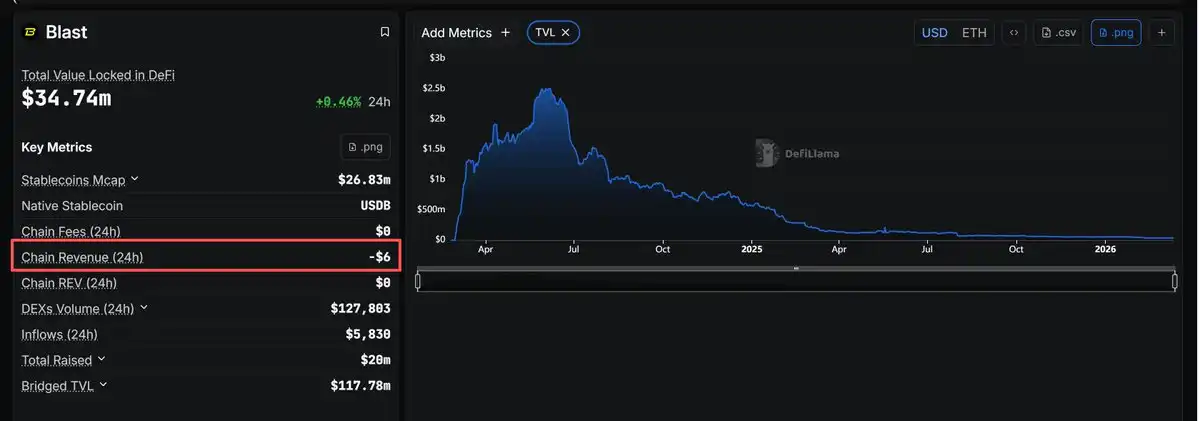
If we follow stock market logic, shareholders of the first three projects would have to wait 1052 years, 285 years, and 327 years respectively to break even, and this doesn't even include the infrastructure and operational costs required to keep these chains running.

Although these ecosystems are not meant to break even and profit from on-chain revenue, for shareholders, i.e., token holders, this is a nightmare...

What Web3 Applications Are There?

Now, what Web3 applications are there?

Former applications like the metaverse,链游, inscriptions, social... and probably some others we can't even remember are almost never mentioned now.

Currently, besides DeFi and RWA, the only ones with users are almost just meme coins, prediction markets, and perp DEXs. Among these, meme coins are PvP among existing capital, and part of the activity in prediction markets and Perp DEXs is still driven by interaction behaviors due to airdrop expectations.

Compared to the internet applications mentioned from 2000, Web3 applications are truly few and far between...

Final Thoughts

Therefore, the sector that is truly indulging on the supply side while lacking achievement on the demand side is not AI, but Web3.

US stock market players overlap with those from 26 years ago. Investors and Wall Street are deliberately avoiding a repeat of history. AI has a bubble, but it differs from the 2000 internet bubble.

Instead, it's the younger Web3 field where capital is speculating on technology on the supply side, while the demand side has few truly practical products. This is the true reappearance of the 2000 internet bubble.

Based on the reasoning of a moderate AI泡沫 and a high Web3泡沫:

  • First, the US stock market will correct, but a crash like in 2000 is unlikely.
  • Second, BTC, which is correlated with US stocks, will be moderately affected.
  • Third, just like the 2000 internet bubble,山寨币 will continue to be washed out, forming a painful process of separating the wheat from the chaff. This process might be even longer than I imagine.

So far,山寨币 have generally been falling for about 15 months since the end of 2024, but this is not the end.

Don't believe the talk that山寨币 have bottomed out. Some have, others have no bottom.

Трендовые криптовалюты

Связанные с этим вопросы

QAccording to the article, which sector is more likely to repeat the 2000 internet bubble: AI or Web3?

AThe article argues that Web3 is more likely to repeat the 2000 internet bubble, not AI.

QWhat was a key characteristic of the supply side during the 2000 internet bubble?

AA key characteristic was that capital was indulging in self-amusement on the supply side, with many internet companies having no profits or cash flow but their stock prices soared wildly.

QHow does the article describe the current state of Web3 applications?

AThe article describes Web3 applications as scarce and lacking truly practical products, with only a handful like some DeFi leaders, meme platforms, prediction markets, and perpetual DEXs having users, some of which are driven by airdrop expectations.

QWhat is the article's view on the profitability and valuation of major Web3 infrastructure projects like ZKsync, Optimism, and Sei?

AThe article highlights their extremely high Price-to-Earnings (PE) ratios (e.g., 1052 for ZKsync) based on meager daily revenues, suggesting it would take centuries for token holders to recoup their investment, representing a nightmare for them.

QWhat are the article's three main predictions based on its analysis of AI and Web3 bubbles?

A1. The U.S. stock market will correct but is unlikely to crash like in 2000. 2. Bitcoin, being associated with U.S. stocks, will be moderately affected. 3. Altcoins will continue to be washed out in a painful process of eliminating the false and preserving the true, which may be a prolonged cycle.

Похожее

Диалог с Далио: Сейчас мы находимся в пузыре ИИ, 1% моего инвестиционного портфеля — это биткоин

Источник: интервью Рэя Далио, основателя Bridgewater Associates, для подкаста "The Diary Of A CEO". Далио, предсказавший кризис 2008 года, обсуждает "большой цикл" — концепцию, охватывающую долговые проблемы, растущее неравенство и геополитические сдвиги. Он указывает, что текущий ажиотаж вокруг ИИ демонстрирует классические признаки пузыря, который может лопнуть из-за высокой долговой нагрузки, роста процентных ставок и чрезмерной эмиссии акций, что способно привести к рецессии. Для защиты личного капитала в неопределенные времена Далио советует диверсификацию: вместо хранения наличных инвестировать в акции, золото, облигации. Сам он держит около 1% портфеля в биткоине, считая его "твердыми деньгами", но предпочитает физическое золото из-за его статуса резервного актива и независимости от технологических рисков. Говоря о влиянии ИИ, Далио отмечает, что технология заменяет не только физический труд, но и элементы мышления, что увеличит разрыв между капиталом и трудом. Ключевыми останутся человеческие качества — эмоции и интуиция, а успеха добьются те, кто научится работать в партнерстве с ИИ. На геополитической арене, по его мнению, мир движется к регионализации с центрами в виде США и Китая. Вовлечение США в конфликты, подобные иранскому, обнажает снижение их абсолютного влияния. Внутренние вызовы, такие как дебаты о налогах на богатство, риск капитального бегства и низкая производительность, также ставят под вопрос стабильность традиционных держав в текущей фазе цикла.

marsbit3 ч. назад

Диалог с Далио: Сейчас мы находимся в пузыре ИИ, 1% моего инвестиционного портфеля — это биткоин

marsbit3 ч. назад

7.2 трлн вон за один день: иностранные инвесторы установили рекорд чистых покупок в пятницу! Уолл-Стрит: встречный ветер в плане ликвидности на южнокорейском рынке уже утих

Капиталы возвращаются на южнокорейский рынок акций. 31 июля иностранные инвесторы осуществили чистые покупки акций KOSPI на рекордные 7,2 трлн вон за один день, что стало самым высоким показателем в истории. По данным Citigroup, эта цифра знаменует собой кардинальный разворот после месяцев масштабного оттока средств нерезидентов. В июле чистые продажи иностранными инвесторами значительно сократились до 9,8 трлн вон по сравнению с 48,4 трлн и 44,5 трлн вон в июне и мае соответственно. Одновременно внутренние пенсионные и инвестиционные фонды в июле вернулись к чистым покупкам на 1,0 трлн вон. Дополнительным фактором снижения волатильности стали новые правила Комиссии по финансовым услугам (FSC), ужесточившие с 31 июля доступ розничных инвесторов к ETF с плечом на отдельные акции. После введения норм торговый оборот таких инструментов упал примерно вдвое. Citigroup сохраняет целевую точку для KOSPI на уровне 10000 пунктов, отмечая ослабление давления со стороны движения капиталов. Аналитики видят поддержку рынку в устойчивости фундаментальных показателей сектора чипов памяти, низких оценках KOSPI, сильной экономике и благоприятной политике властей, включая возможные меры по поддержке ликвидности.

marsbit3 ч. назад

7.2 трлн вон за один день: иностранные инвесторы установили рекорд чистых покупок в пятницу! Уолл-Стрит: встречный ветер в плане ликвидности на южнокорейском рынке уже утих

marsbit3 ч. назад

Как стать человеком, которого искусственный интеллект никогда не сможет заменить

В статье рассматривается вопрос о том, как остаться незаменимым в эпоху искусственного интеллекта. Автор утверждает, что вместо страха перед ИИ следует сосредоточиться на развитии качеств, которые машины не смогут заменить. Он критикует «зарплатное рабство» — зависимость от работы, не приносящей удовлетворения, и предлагает путь к финансовой независимости через создание собственного дела. Ключ к успеху — развитие пяти элементов: самостоятельности (агентности), вкуса, умения убеждать, упорства и способности к итерациям. Главное — не просто создавать что-либо (сегодня это может каждый), а создавать что-то ценное, востребованное и уметь это продвигать. Автор считает, что наиболее важным навыком будущего является создание контента (медиа), а не просто написание кода, поскольку ценность контента субъективна и требует уникального человеческого вкуса и суждения. ИИ может помочь в производстве, но не заменит оригинальность мысли и связь с аудиторией. В качестве практического шага предлагается упражнение: за 15 минут ответить на вопросы, чтобы обнаружить свои уникальные знания, опыт и точку зрения, которые станут основой для личного бренда и дела жизни. Первый шаг — немедленно опубликовать свою основную идею, чтобы получить обратную связь от реального мира и начать процесс роста. Цель — стать «непригодным для найма», построив жизнь вокруг собственного творчества и экспертизы.

marsbit5 ч. назад

Как стать человеком, которого искусственный интеллект никогда не сможет заменить

marsbit5 ч. назад

Благодаря броскам кубиков ключи от биткоинов хранятся в автономном режиме, но не все будут этим заниматься

Статья посвящена практике генерации сид-фраз для биткоин-кошельков с помощью бросков кубиков в свете уязвимости, обнаруженной в аппаратных кошельках Coldcard. Подчеркивается, что физический бросок кубика (дающий около 2.6 бит энтропии за бросок) создает высококачественную случайность, поскольку предсказать результат практически невозможно из-за множества переменных. Для создания стандартной сид-фразы из 12 слов (128 бит энтропии) требуется около 50 бросков, а для повышенной безопасности рекомендуется 99 и более. В связи с инцидентом Coldcard, когда неисправный генератор случайных чисел в прошивке (2021-2026 гг.) мог создавать предсказуемые ключи, выяснилось, что сид-фразы, сгенерированные вручную через кубики, были защищены от этой уязвимости. Однако исследование показало, что другие функции устройства (создание бумажных кошельков, ключей для мультиподписи, паролей и т.д.) по-прежнему использовали скомпрометированный генератор, подвергая риску владельцев даже с безопасной основной сид-фразой. Автор отмечает, что, хотя метод с кубиками криптографически надежен, он непрактичен для массового использования из-за трудоемкости, высокой вероятности ошибок при вводе и необходимости строгой дисциплины для сохранения секретности процесса. Делается вывод, что будущее безопасности лежит в создании надежных аппаратных генераторов случайных чисел и понятных интерфейсов, а ручные методы остаются нишевым инструментом для опытных пользователей. Владельцам Coldcard рекомендуется обновить прошивку и проверить/заменить все ключи, сгенерированные уязвимыми функциями.

cryptonews.ru8 ч. назад

Благодаря броскам кубиков ключи от биткоинов хранятся в автономном режиме, но не все будут этим заниматься

cryptonews.ru8 ч. назад

Торговля

Спот

Популярные статьи

Неделя обучения по популярным токенам (2): 2026 может стать годом приложений реального времени, сектор AI продолжает оставаться в тренде

2025 год — год институциональных инвесторов, в будущем он будет доминировать в приложениях реального времени.

1.9k просмотров всегоОпубликовано 2025.12.16Обновлено 2025.12.16

Неделя обучения по популярным токенам (2): 2026 может стать годом приложений реального времени, сектор AI продолжает оставаться в тренде

Обсуждения

Добро пожаловать в Сообщество HTX. Здесь вы сможете быть в курсе последних новостей о развитии платформы и получить доступ к профессиональной аналитической информации о рынке. Мнения пользователей о цене на AI (AI) представлены ниже.

活动图片