# Сопутствующие статьи по теме Target Price

Новостной центр HTX предлагает последние статьи и углубленный анализ по "Target Price", охватывающие рыночные тренды, новости проектов, развитие технологий и политику регулирования в криптоиндустрии.
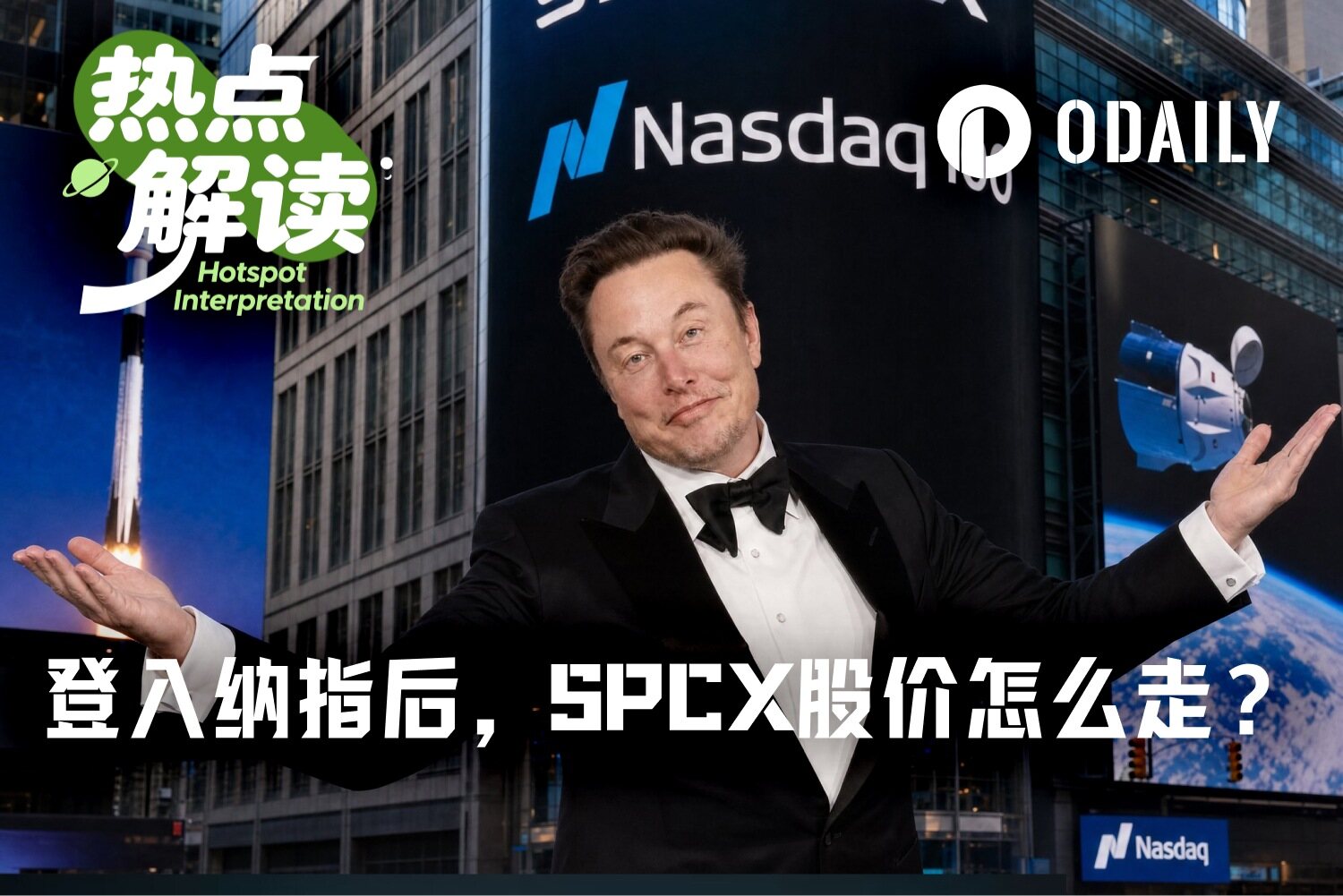
SpaceX Shares Predicted to Recover No Earlier Than Early 2027

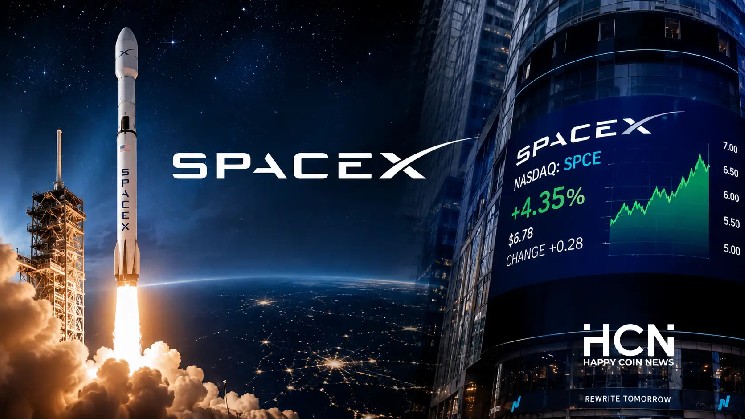
Analysts predict that a significant recovery in SpaceX's share price is unlikely before early 2027, when the current insider lock-up period is scheduled to end. Recently, shares have traded in a narrow range around $118-$124, still 48% below their 52-week high of $225.64. The short-term outlook depends heavily on potential insider selling, especially with the 52-week low of $110.85 acting as a floor. SpaceX's market capitalization stands at $1.56 trillion, but the company is not yet profitable, as evidenced by a $4.9 billion net loss in 2025 and an additional $4.28 billion loss in Q1 2026, attributed to heavy investments in Starship and AI infrastructure. The stock is currently trading at over 84 times trailing revenue, a valuation analysts say depends on a substantial future increase in Starlink's cash flow. The unlocking of 911.5 million shares worth ~$116 billion on August 6, 2026, followed by a phased release schedule, adds significant uncertainty. Quarterly results on August 4, 2026, could provide a short-term catalyst if Starlink performs strongly or Starship milestones are met. Wall Street analyst consensus for a 12-month price target is around $240, but individual forecasts vary widely from $63 to $800, reflecting deep divisions over the company's recovery prospects and future valuation. Key ratings include Morgan Stanley's $300 target and Oppenheimer's more modest $190 target.

cryptonews.ru07/27 11:04

SpaceX Shares Predicted to Recover No Earlier Than Early 2027

cryptonews.ru07/27 11:04

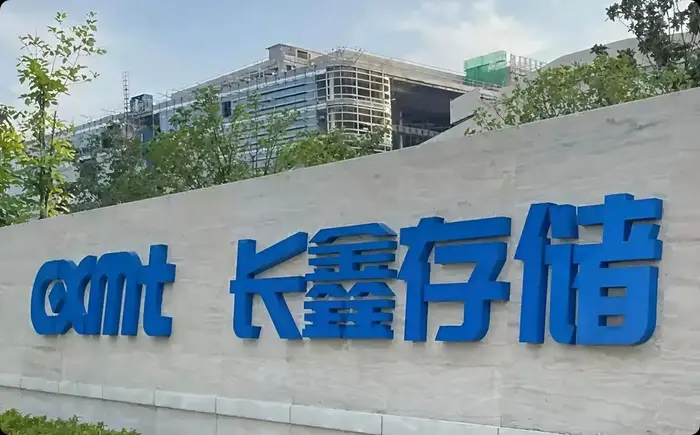
How Did the Target Price of 116 Yuan and a Market Cap of 7.9 Trillion for CXMT Come About?

Nomura's inaugural coverage report on ChangXin Memory Technologies (CXMT) gives a 'Buy' rating with a highly aggressive target price of 116 RMB, implying a 1239.5% upside from the IPO price of 8.66 RMB. The valuation is derived by applying a 20x P/E multiple to projected 2028 EPS of 5.79 RMB. The 20x multiple combines Micron's historical valuation with a premium for Chinese A-shares. The report's financial forecasts are exceptionally bullish. It projects revenue to soar from 62B RMB in 2025 to 773B RMB in 2028, with net profit surging to 393B RMB. A key, and arguably unsustainable, assumption is gross margin expanding to over 90% by 2028, driven almost entirely by price increases with minimal cost growth. This optimism is rooted in a forecast that global DRAM demand will grow over 7x from 2026 to 2030 (CAGR >60%), fueled by agentic AI. Nomura argues that supply growth (30-40% CAGR) will lag far behind demand, creating a persistent shortage. Bottlenecks in cleanroom space, equipment, materials, and skilled engineers will constrain rapid industry expansion. For CXMT, Nomura expects capacity to reach 550k wafers/month by 2028. The company's bit output is forecast to grow 40-45% annually, allowing its global market share to rise from ~10% to ~18%. While CXMT's technology lags leaders by about five years, limiting its wafer ASP, it benefits from supportive domestic procurement policies. Key risks include the cyclicality of memory pricing, with the 90% margin assumption representing a peak-cycle scenario rather than a sustainable norm.

链捕手07/27 10:13

How Did the Target Price of 116 Yuan and a Market Cap of 7.9 Trillion for CXMT Come About?

链捕手07/27 10:13

SK Hynix Market Cap Exceeds Samsung for First Time in 26 Years, Korean Broker Calls for 50% More Upside

SK Hynix's market capitalization surpassed Samsung Electronics for the first time in 26 years on June 22, reaching 208.1 trillion won. The shift reflects a market trend where companies directly benefiting from AI infrastructure, like SK Hynix, are receiving higher valuation premiums than diversified giants. The surge is driven by AI-driven demand for High Bandwidth Memory (HBM), where SK Hynix holds a dominant 70-80% market share. Its Q1 2026 revenue exceeded 50 trillion won for the first time, with an operating profit margin of 72%. Hanwha Investment & Securities significantly raised its price target for SK Hynix to 430,000 won, the highest among Korean brokerages. The key rationale is that Long-Term Supply Agreements (LTAs) and robust HBM demand have fundamentally reduced the company's historical profit volatility. Several other brokers have also raised targets, arguing the valuation framework for memory semiconductors is being rewritten, moving away from a cyclical model. Despite the bullish outlook, the stock experienced a pullback of over 5% in regular trading on June 23 after briefly surpassing 3 million won pre-market, amid broader tech sector weakness. Some analysts caution that the市值 overtaking Samsung, whose profit scale and growth forecasts remain higher, could signal short-term overheating. However, high-return investors viewed the dip as a buying opportunity.

marsbit06/23 05:27

SK Hynix Market Cap Exceeds Samsung for First Time in 26 Years, Korean Broker Calls for 50% More Upside

marsbit06/23 05:27

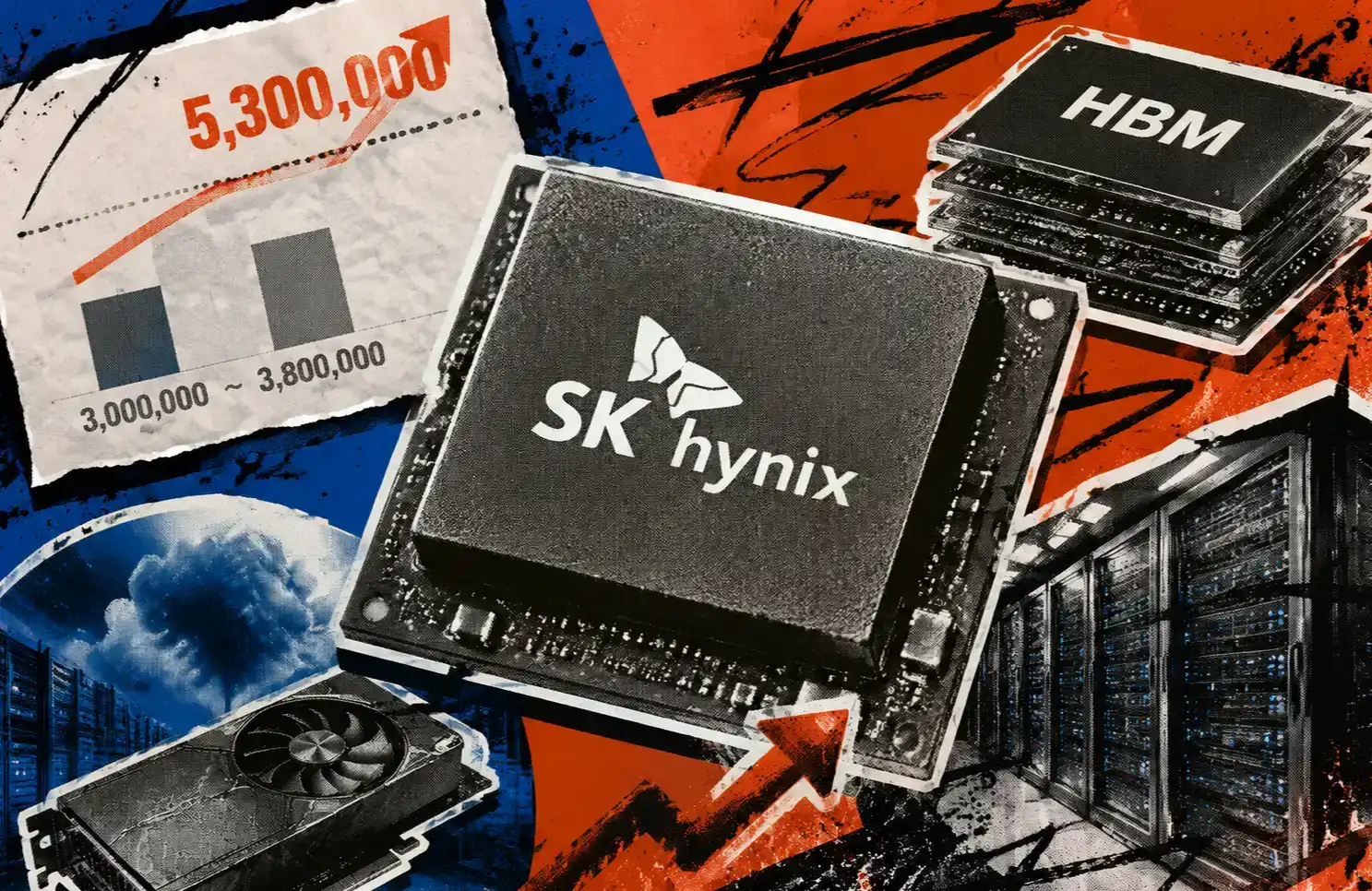
Can SK Hynix's Stock Double Again in This Rally?

The article discusses the highly optimistic price target of approximately $3,500 for SK Hynix stock, set by Aletheia Capital. This target is significantly above the consensus range of $2,000-$2,520 from major brokerages. The core debate is whether SK Hynix deserves a fundamental re-rating beyond its traditional cyclical discount, based on the long-term impact of AI-driven demand. The $3,500 target hinges on three key assumptions holding simultaneously until at least 2027: 1) Continued shortage and high pricing for HBM (High Bandwidth Memory), a critical component for AI chips; 2) Sustained high prices for standard DRAM, as HBM production consumes capacity and constrains general supply; and 3) Strong AI server demand generating substantial, above-expectation free cash flow. SK Hynix's leading ~58% market share in HBM and its early certification with key clients like Nvidia provide a competitive advantage, allowing it to capture significant supply chain premiums. The HBM shortage is seen not just as a niche growth driver but as a catalyst that amplifies profitability across the entire memory business by tightening overall DRAM supply. However, the article cautions that this target represents an optimistic "tail scenario." Key risks include potential supply increases from competitors (Samsung, Micron) by 2027, a possible slowdown in HBM price growth, and high capital expenditures that could erode the projected free cash flow. The divergence in analyst targets reflects the market's uncertainty over whether the current AI-driven boom will temporarily elevate earnings or permanently raise the memory industry's profit baseline.

marsbit06/16 07:54

Can SK Hynix's Stock Double Again in This Rally?

marsbit06/16 07:54

活动图片