# Сопутствующие статьи по теме QE

Новостной центр HTX предлагает последние статьи и углубленный анализ по "QE", охватывающие рыночные тренды, новости проектов, развитие технологий и политику регулирования в криптоиндустрии.

Will Japan's Interest Rate Hike Trigger a Global Liquidity Shock?

As the Bank of Japan's December 19 monetary policy meeting approaches, market concerns are rising over a potential hawkish interest rate hike. A report by Western Securities on December 16 analyzes whether this move could end the era of cheap yen and trigger a global liquidity crisis. Key drivers for a rate hike include Japan’s sustained inflation above the 2% target, low unemployment supporting wage growth, and expansionary fiscal policy. These factors may push the BOJ toward tightening, raising fears of unwinding large-scale carry trades and causing global financial stress. However, the report suggests the most dangerous phase of liquidity shock may have already passed. Previous rate hikes in July and January had diminishing market impact, speculative short positions in yen have largely been closed, and the macro environment—including a resilient U.S. economy and Fed easing—reduces urgency for rapid unwinding. The Fed’s expanded balance sheet also acts as a buffer. Despite theoretical stability, global markets remain fragile after a six-year bull run, with elevated valuations and AI-related泡沫 concerns. A BOJ hike could act as a catalyst for a liquidity shock, though any sharp sell-off may prompt stronger Fed easing, leading to a quick recovery. Investors are advised to monitor the situation closely. If U.S. markets experience repeated “stock-bond-currency triple sell-offs,” it may signal a liquidity crisis. Over the medium term, global monetary easing is expected to continue, supporting gold and China assets—especially AH shares—on yuan appreciation and capital inflows. U.S. stocks and bonds may face volatility.

marsbit12/18 06:11

Will Japan's Interest Rate Hike Trigger a Global Liquidity Shock?

marsbit12/18 06:11

When the Fed is Politically Captured, Is Bitcoin's Historic Opportunity Here?

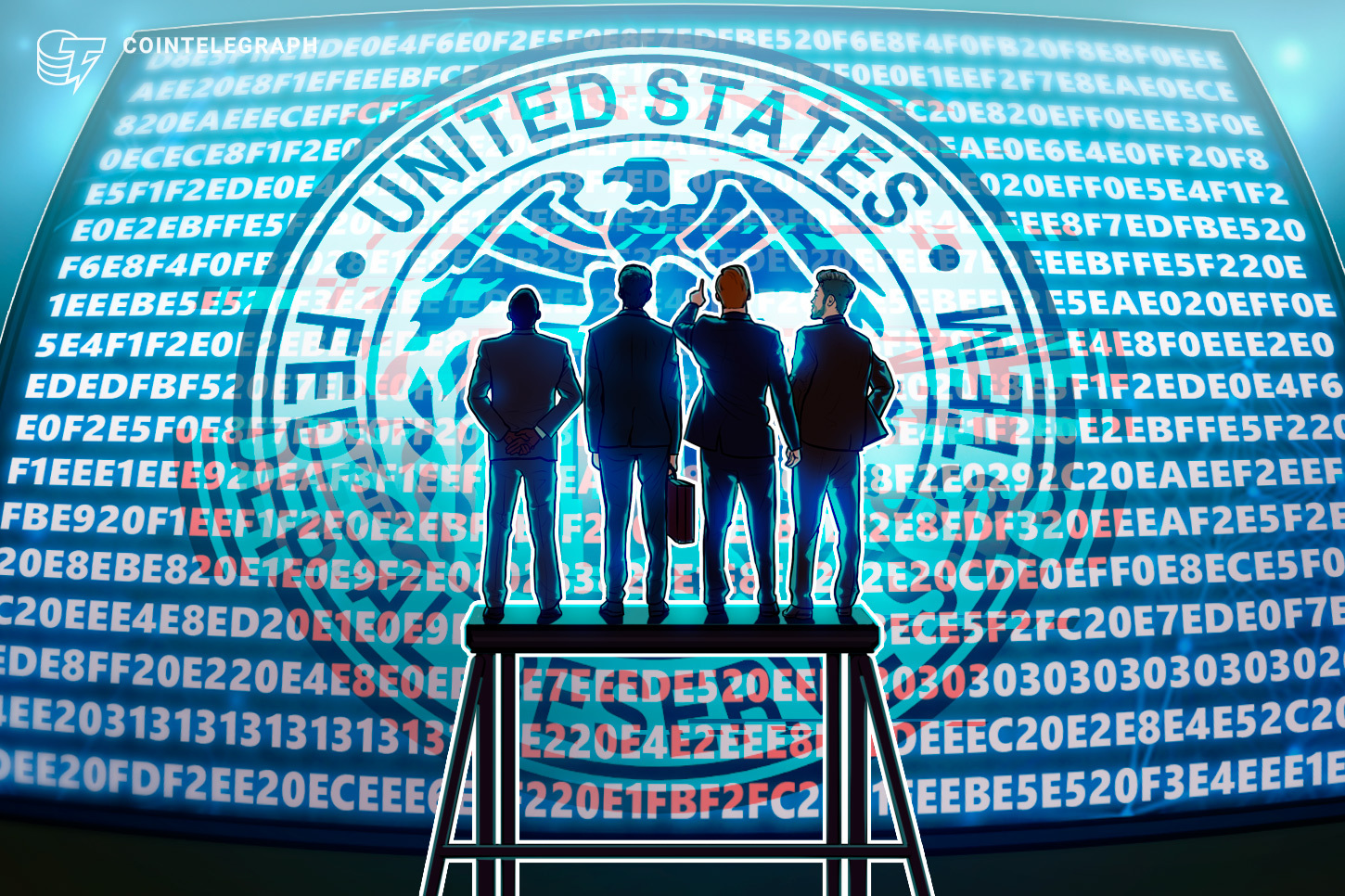
When the Federal Reserve announced a 25 basis point interest rate cut and a plan to purchase $40 billion in Treasury bills over 30 days on December 10, 2025, the reaction was unexpectedly pessimistic. Instead of falling, long-term bond yields rose—a sign that markets are pricing in a deeper structural risk: the potential loss of Fed independence. Political pressure is at the heart of this shift. Before the decision, a key Trump economic advisor accurately “predicted” the cut, raising suspicions that the move was politically influenced rather than data-driven. This erosion of trust threatens the foundation of U.S. monetary credibility and, by extension, global confidence in the dollar. In this environment, Bitcoin and crypto assets gain relevance. Bitcoin’s fixed supply of 21 million positions it as a hedge against potential uncontrolled money printing if the Fed succumbs to political pressure. Its decentralized nature also makes it immune to government interference—a key advantage as institutional trust declines. Ethereum and DeFi present an alternative financial infrastructure where transactions are governed by code, not central authority. While stablecoins like USDT and USDC remain dollar-pegged and exposed to dollar risk, decentralized alternatives like DAI could benefit from declining faith in traditional systems. Crypto remains highly risky and volatile, but as traditional systems face credibility crises, its role may shift from speculative asset to a legitimate hedge against sovereign risk.

深潮12/12 09:17

When the Fed is Politically Captured, Is Bitcoin's Historic Opportunity Here?

深潮12/12 09:17

活动图片