# Сопутствующие статьи по теме QE

Новостной центр HTX предлагает последние статьи и углубленный анализ по "QE", охватывающие рыночные тренды, новости проектов, развитие технологий и политику регулирования в криптоиндустрии.

The Narrative of Gold's Rise is Becoming Harder to Sustain

The article argues that the narrative supporting gold's price surge is weakening, leaving only a fraction of its original justification. Historically, gold's primary drivers were its role as a safe-haven asset during crises (like the 2000 dot-com bubble and 2008 financial crisis) and as a hedge against inflation (e.g., during the Fed's QE periods). However, the author contends these core logics are now eroding. First, gold's safe-haven属性 is diminishing as its price action has recently become correlated with speculative assets like Bitcoin and US stocks, moving in sync with them on news like Trump's comments. This suggests投机属性 may be overshadowing its traditional避险 role. Second, the inflation hedge argument is weakening. The Federal Reserve's projected minimal rate cuts through 2026 suggest a stronger dollar and reduced expectations for significant USD depreciation. Similarly, the Japanese Yen's贬值 expectations are also easing. The author identifies only "0.5" reasons left for gold's rise: continued purchases by China's central bank. While China has been a consistent buyer, its purchasing speed has drastically slowed from a peak of nearly 600,000 ounces per month to a recent average of just 30,000 ounces. This minimal volume is deemed too small to significantly impact the global gold market, especially compared to London's daily clearing volume of over 18 million ounces. Furthermore, a technical divergence exists: gold prices accelerated upward in late 2024 even as China's buying slowed. The article concludes that with its避险属性 potentially exhausted, inflation expectations subdued, and China's buying influence limited, the current gold price appears to have overshot its fundamental supports. The author advises against high expectations for further sustained gains barring an extreme black-swan event.

比推03/24 04:21

The Narrative of Gold's Rise is Becoming Harder to Sustain

比推03/24 04:21

The Era Without Good Answers: Understanding Warsh, Trump, and the Next Four Years of a New Era

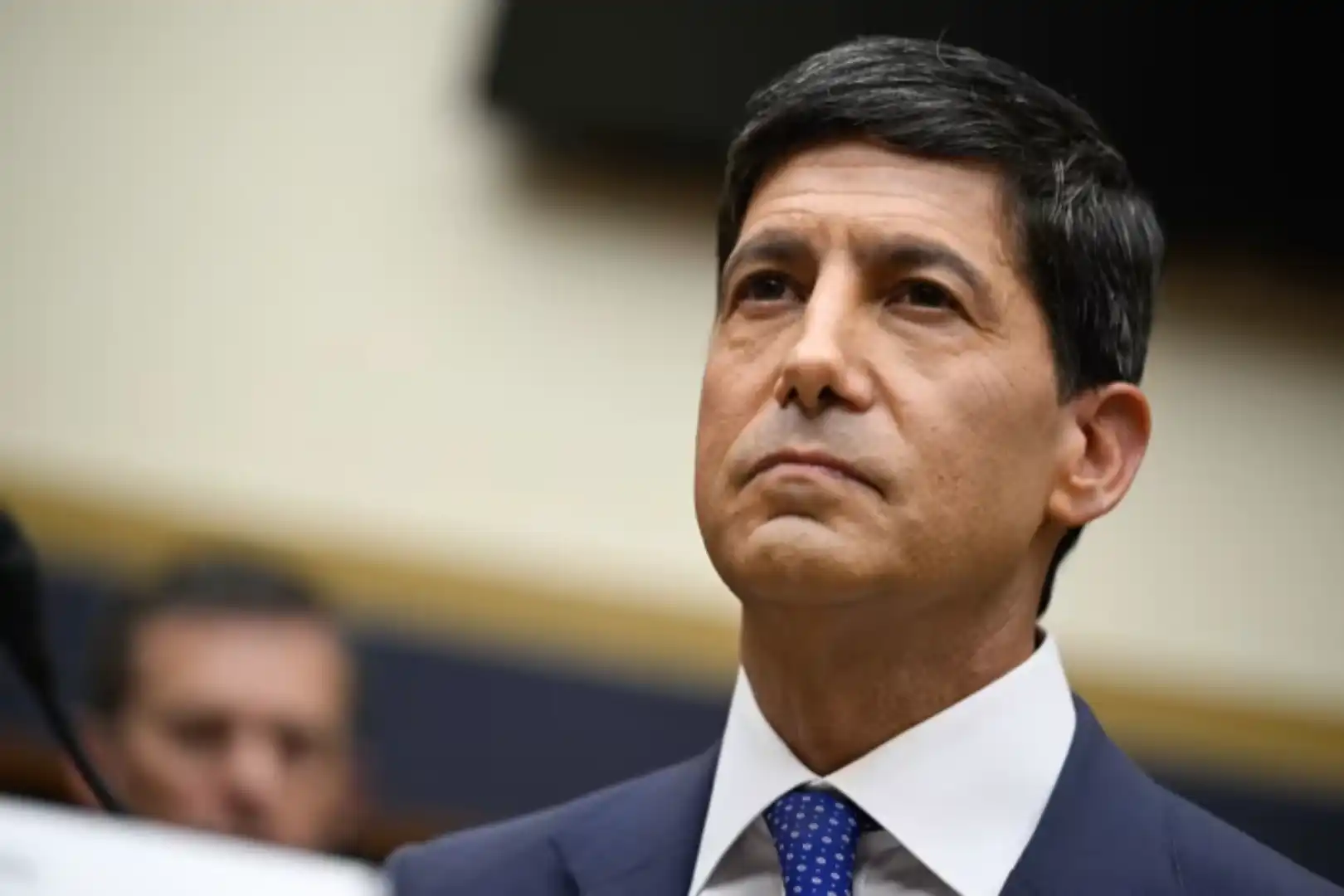
The article "An Era Without Good Answers: Understanding Warsh, Trump, and the Next Four Years" analyzes the potential implications of Kevin Warsh becoming the next Federal Reserve Chair under a Trump administration. It argues that Warsh represents not just a shift from dovish to hawkish policy, but a fundamental redefinition of the Fed's role. His appointment signals a move away from the Fed acting as a perpetual backstop for markets and government debt—a role perfected by Chair Powell during crises like the pandemic. Instead, Warsh advocates for monetary and fiscal discipline, opposing unconditional quantitative easing and emphasizing market rules over intervention. However, the US economy's reality—characterized by massive debt, deficit spending, and market dependence on low rates—severely limits any radical change. Warsh's proposed policies of raising rates and reducing the Fed's balance sheet risk triggering market volatility, higher borrowing costs, and political backlash, likely forcing a retreat to familiar stimulus measures. From Trump’s perspective, Warsh is a "controllable reformer" who can publicly push for fiscal restraint, forcing Congress to address unsustainable spending—while also serving as a convenient scapegoat if reforms fail. Ultimately, the core constraint remains America’s debt-dominated economy, which eliminates any possibility of a definitive solution. The coming years will involve managing, not solving, these problems through a painful and iterative process of half-measures and trade-offs—a era defined not by prosperity, but by the explicit return of economic constraints.

marsbit02/02 10:05

The Era Without Good Answers: Understanding Warsh, Trump, and the Next Four Years of a New Era

marsbit02/02 10:05

Kevin Warsh: Inflation is a 'Choice', I View Bitcoin as an Important Asset

Kevin Warsh, former Federal Reserve Governor during the 2008 financial crisis, argues that inflation is a deliberate "choice" made by policymakers, not an unavoidable phenomenon. In a discussion with Peter Robinson, Warsh criticizes the Fed for failing its core mandate of ensuring price stability, blaming recent high inflation on the central bank's actions rather than external factors like supply chains or geopolitical events. He emphasizes that the Fed possesses the tools to control inflation but has instead enabled excessive government spending and expanded its role beyond its original purpose. Reflecting on his time at the Fed, Warsh supported the aggressive liquidity measures during the 2008 crisis as necessary to restore market function but opposed later rounds of quantitative easing (QE), which he believed created a "free lunch" mentality and blurred the lines between monetary and fiscal policy. He expresses concern over the Fed’s bloated balance sheet, now around $7 trillion, and argues that reducing it would help lower inflation and interest rates. Warsh also discusses Bitcoin, which he views not as a threat to the dollar but as an important asset that holds policymakers accountable. He believes the U.S. can overcome its fiscal challenges through higher economic growth and productivity, particularly driven by AI, and calls for a return to the Fed’s original mission: to act sparingly and only in genuine emergencies.

marsbit01/30 09:17

Kevin Warsh: Inflation is a 'Choice', I View Bitcoin as an Important Asset

marsbit01/30 09:17

活动图片