# Сопутствующие статьи по теме Monetary Policy

Новостной центр HTX предлагает последние статьи и углубленный анализ по "Monetary Policy", охватывающие рыночные тренды, новости проектов, развитие технологий и политику регулирования в криптоиндустрии.

How to View the Divergence Between Gold and Oil Prices?

The article analyzes the divergence between gold and oil prices following the outbreak of the U.S.-Iran war. While oil prices surged significantly, gold experienced a decline, contrary to expectations given its traditional role as a safe-haven asset during geopolitical crises. Gold serves three primary hedging functions: against geopolitical risk, inflation risk, and U.S. dollar risk. Since late 2023, gold had been in a strong bull market, rising from $1,800 to over $5,000, driven by simultaneous geopolitical tensions (e.g., Russia-Ukraine war, Middle East conflicts), inflationary pressures, and a weakening dollar due to the Fed's premature rate cuts. However, after the U.S. "decapitation" strike on Iran, gold prices fell sharply. This was attributed to two main factors: a shift of capital from gold to oil, as investors repositioned portfolios to capitalize on rising oil prices, and a liquidity crisis in U.S. financial markets that forced large-scale sell-offs of gold—a highly liquid asset—to meet redemption demands. More critically, growing pessimism about a prolonged U.S.-Iran conflict raised fears of sustained high oil prices, potential global economic disruption, and a possible reversal of Fed monetary policy (delayed cuts or even renewed hikes). This expectation of tighter policy caused gold’s dollar-related hedging function to reverse, overwhelming its geopolitical and inflation hedging roles and leading to a severe correction. Oil prices also experienced volatility. They initially spiked to nearly $120 per barrel post-strike, then fell by 30% on Trump’s hints of a quick resolution, but rebounded as market expectations corrected when the conflict persisted and the Strait of Hormuz remained threatened. The outlook for both commodities depends on the evolution of the U.S.-Iran conflict. If it becomes a prolonged war like Ukraine, gold may lack short-term value as monetary fears prevail, while oil and energy assets may benefit. A critical factor will be whether the Strait of Hormuz is reopened, which hinges on geopolitical decisions ahead.

marsbit03/23 02:20

How to View the Divergence Between Gold and Oil Prices?

marsbit03/23 02:20

After 6 Quarters of Calling for Rate Cuts, Rate Expectations Are Instead Moving Upwards

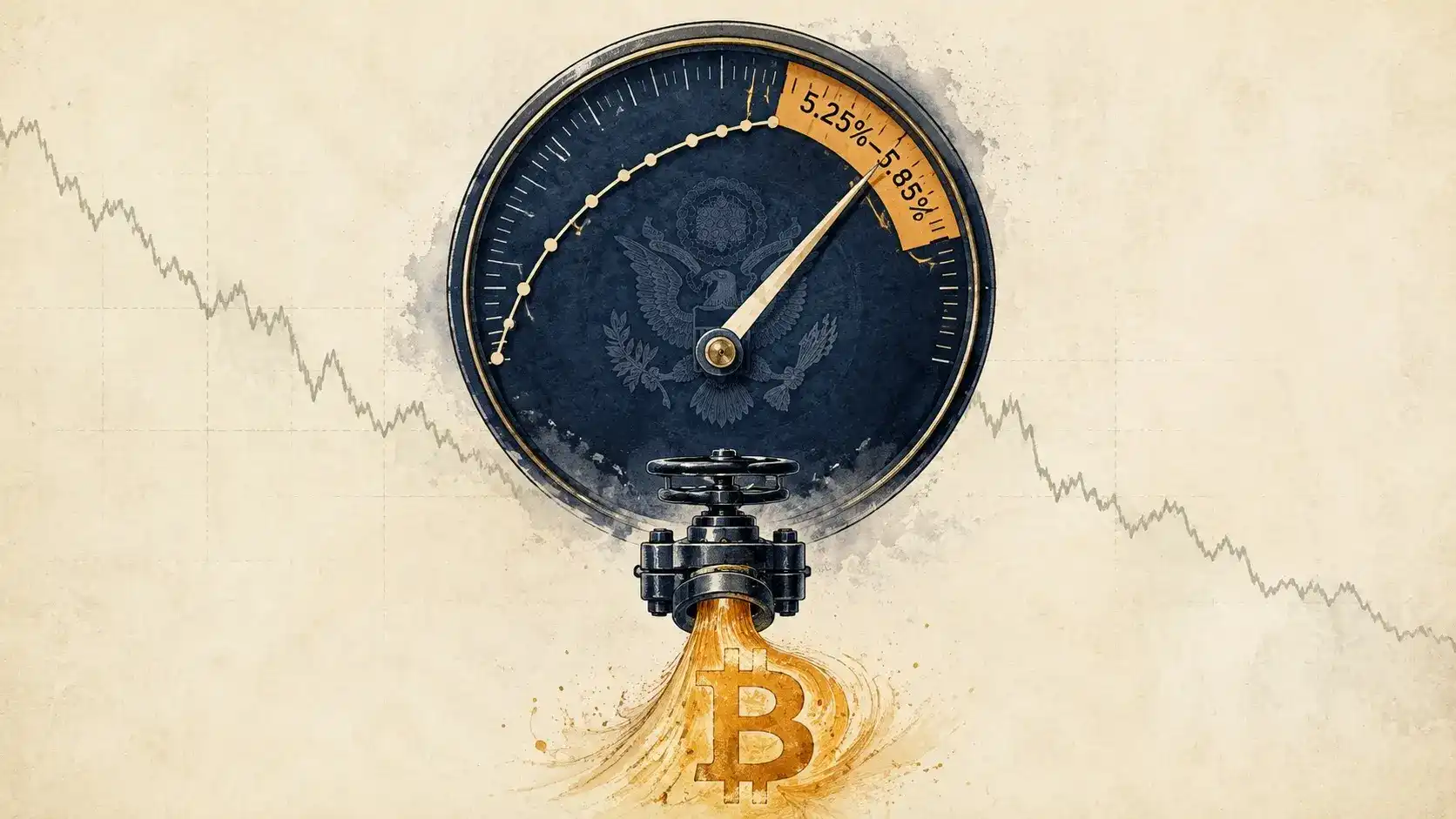
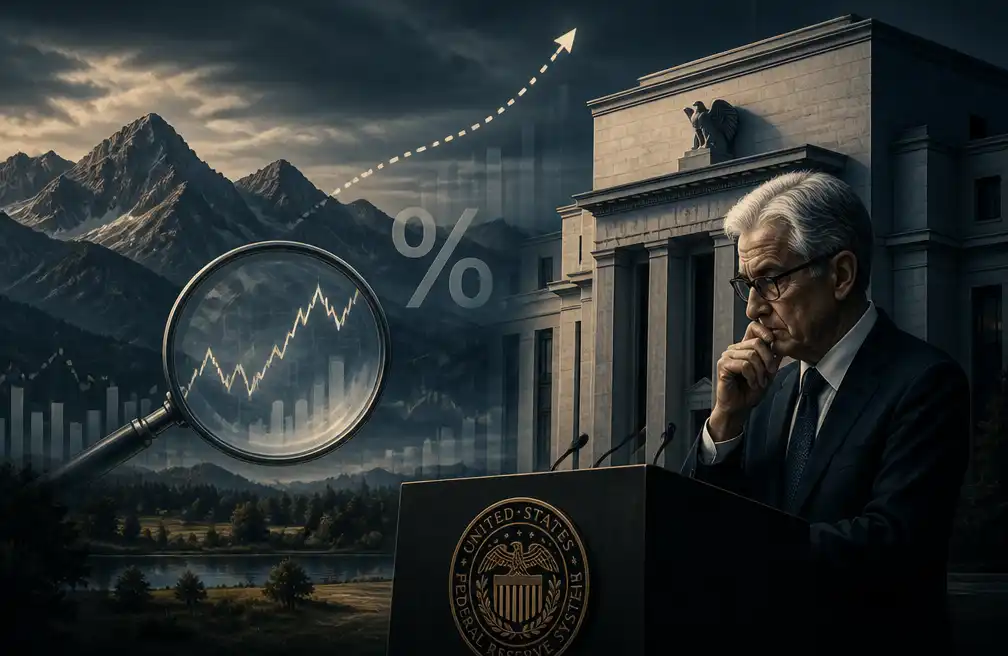
In September 2024, the Federal Reserve began its rate-cutting cycle, projecting a median federal funds rate of 3.4% by the end of 2025—implying four additional cuts. However, six quarters later, the March SEP (Summary of Economic Projections) reveals a significant shift: the rate now stands at 3.50%-3.75%, 25 basis points higher than initially expected. The median projection for 2026 has also risen from 2.9% to 3.4%. The Fed’s internal consensus has fractured. Out of 19 FOMC participants, seven now expect no rate cuts in 2026, while seven anticipate only one cut. This 7:7 split reflects a fundamental disagreement over the direction of monetary policy, moving from debates over the magnitude of cuts to whether cuts should occur at all. Persistent inflation is the core issue. The Fed has consistently revised its PCE inflation forecasts upward over the past six quarters, with the 2026 projection now at 2.7%—up 0.6 percentage points from initial estimates. Core PCE, a key indicator of underlying inflation, was revised up sharply to 2.7%, signaling entrenched price pressures. Despite slightly raising its GDP growth forecast to 2.4% and holding unemployment steady at 4.4%, the Fed’s unchanged median rate projection conflicts with its own rising inflation outlook. Market expectations remain more dovish, pricing in around 50 basis points of cuts, but the Fed’s internal division and consistent underestimation of inflation suggest continued uncertainty. The central bank is effectively chasing reality, with no clear consensus on the path ahead.

marsbit03/19 02:30

After 6 Quarters of Calling for Rate Cuts, Rate Expectations Are Instead Moving Upwards

marsbit03/19 02:30

活动图片