После наблюдения за Уоршем вблизи, главный экономист Morgan Stanley настаивает: ФРС не поднимет ставки в этом году
Автор: Чжао Ин
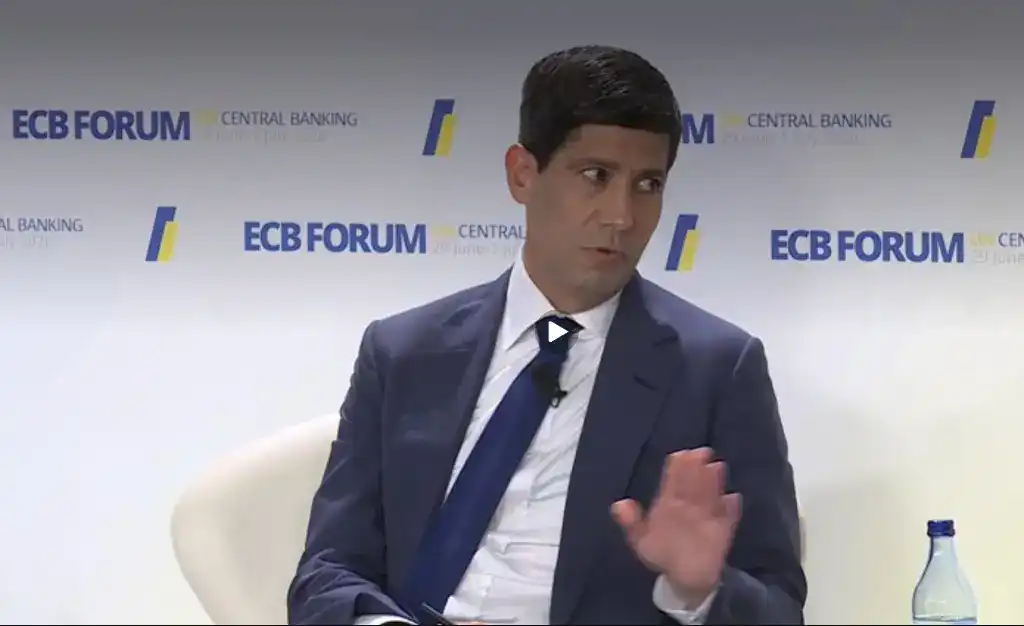
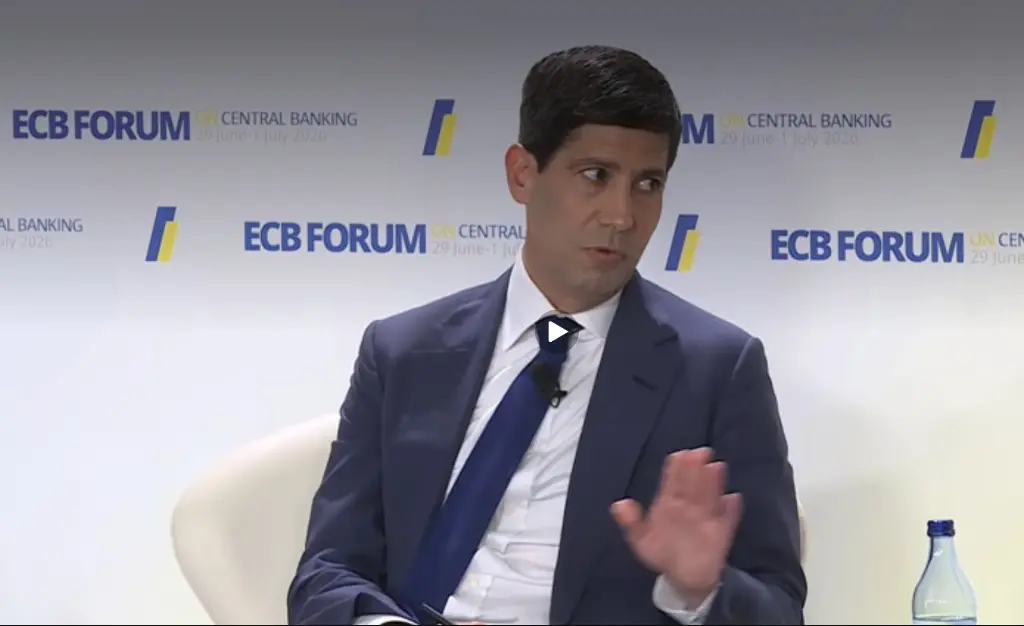
После личного наблюдения за новым председателем ФРС Уолшем главный экономист Morgan Stanley Сет Карпентер заявил, что Федрезерв не будет повышать процентные ставки в этом году. В своем отчете после участия в ежегодном собрании ЕЦБ в Синтре, Португалия, Карпентер отметил, что позиция Уолша на политическом форуме сохранила тон с его инаугурационной пресс-конференции — твердую приверженность ценовой стабильности, но избегание конкретных путей достижения этой цели.
Карпентер указал на два важных изменения: во-первых, более сбалансированное заявление Уолша о двойном мандате, смещение акцента с почти исключительного фокуса на инфляцию к более четкому признанию цели полной занятости; во-вторых, особое подчеркивание Уолшем того, что последнее заседание по политике (на фоне падения цен на нефть) уже снизило рыночные инфляционные ожидания и премии за срок, что, по мнению Карпентера, делает маловероятным повышение ставки ФРС в июле.
При неопределенности в траектории политики ФРС Morgan Stanley сохраняет базовый прогноз об отсутствии повышения ставок в течение всего года, что означает, что рынкам не нужно оценивать риски скорого повышения.
Карпентер также обсудил влияние ИИ на денежно-кредитную политику, подвергнув сомнению популярный нарратив о том, что "ИИ вызовет дефляцию и приведет к снижению ставок". Он утверждает, что более быстрый рост производительности означает более высокую равновесную процентную ставку (r*), что еще больше ослабляет логику снижения ставок, и называет простые утверждения о неизбежном снижении ставок из-за ИИ "почти наверняка ошибочными".
В отличие от ФРС, политический курс ЕЦБ явно смещен в сторону ужесточения. Базовый прогноз Morgan Stanley предполагает, что ЕЦБ повысит ставки еще на 25 базисных пунктов в сентябре, однако более мягкие данные по инфляции в Европе и значительное падение цен на нефть оставляют пространство для маневра.
marsbit07/06 01:39