Акции США в 2026 году: Зарабатываю и немного волнуюсь
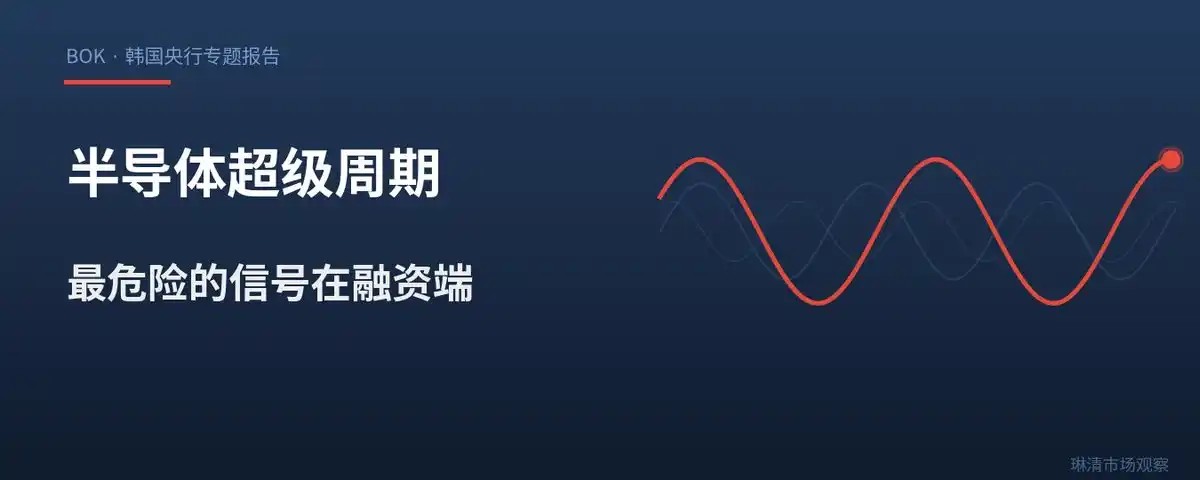
2026 год, инвесторы на фондовом рынке США испытывают парадоксальное чувство: прибыль растет, но нарастает и тревога. Главный драйвер рынка — сектор производства чипов памяти, переживающий беспрецедентный бум на фоне взрывного спроса со стороны индустрии искусственного интеллекта.
Акции таких компаний, как Micron, Seagate, Western Digital и особенно выделившейся из Western Digital компании SanDisk (рост более чем в 20 раз), демонстрируют феноменальный рост. Корейские гиганты Samsung и SK Hynix, контролирующие вместе с Micron около 92% мирового производства DRAM-памяти, также бьют рекорды, значительно влияя на индекс KOSPI.
Прибыльность сектора поражает: у SK Hynix операционная рентабельность достигает 72%. Спрос со стороны технологических гигантов (Google, Microsoft, Amazon) принял форму «открытых заказов» без фиксированной цены, а производственные мощности HBM (памяти для AI-чипов) распроданы на весь 2026 год вперед.
Институциональные инвесторы и аналитики активно поддерживают ажиотаж, постоянно повышая прогнозы. Даже сообщения о коротких продажах (как от Citron Research против SanDisk) или о масштабном распродаже акций крупными инсайдерами со скидкой не охлаждают рынок.
Однако в основе бума лежит сознательное ограничение расширения производства ведущими игроками, опасающимися перепроизводства в будущем. Это создает искусственный дефицит, поддерживающий высокие цены. Многие проводят параллели с классическими товарными циклами или даже с картелем OPEC, напоминая, что в истории памяти резкие обвалы цен следовали за периодами бума. Вопрос в том, когда нынешний цикл роста исчерпает себя, и не заложена ли уже вся оптимистичная повестка AI в текущие цены акций. Пока же рядовые инвесторы, наблюдая за ростом своих счетов, продолжают задаваться вопросом: «Почему на американском рынке так легко зарабатывать?»
marsbit05/08 02:59