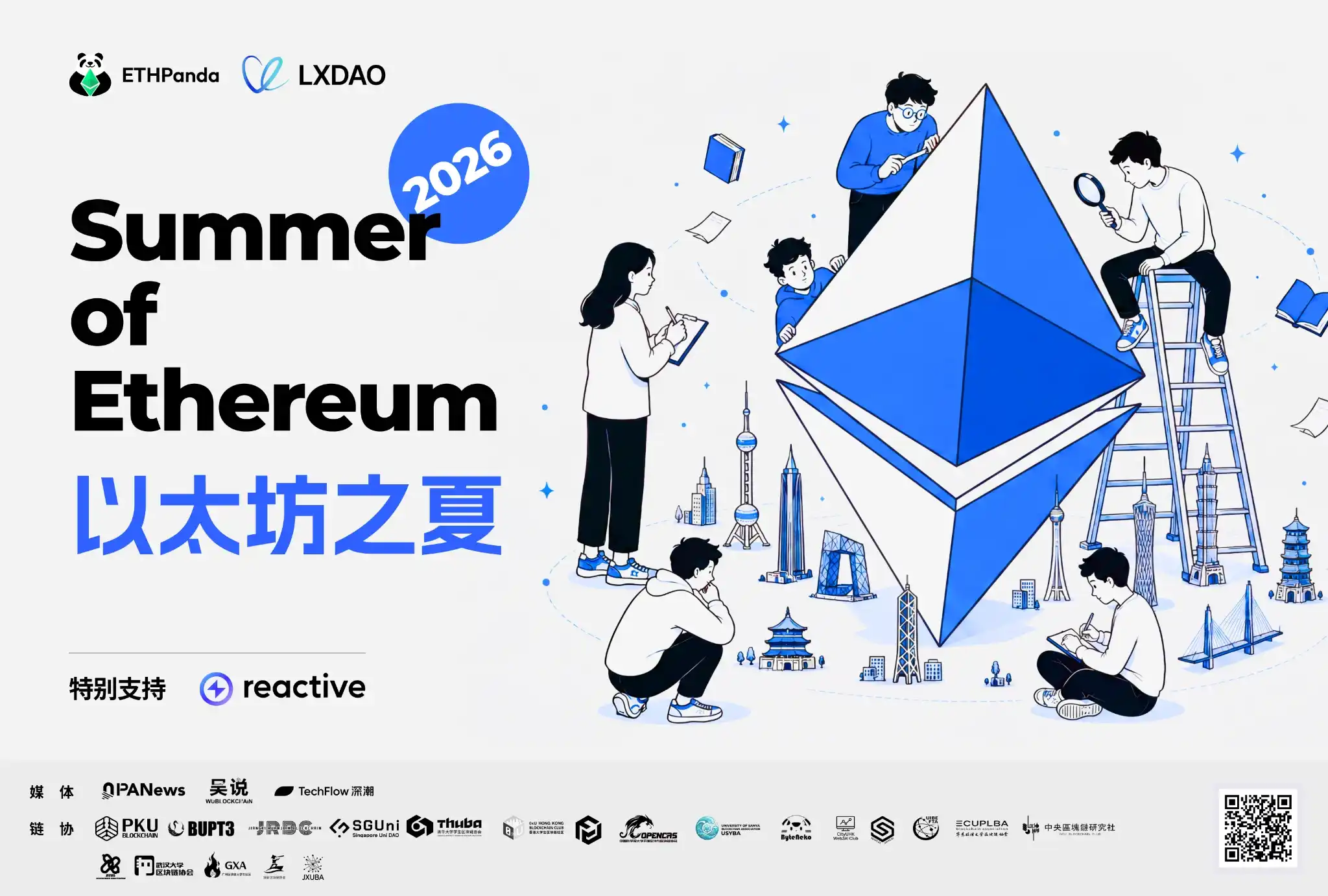
Summer of Ethereum | Ethereum Summer 2026 стартует заново. В этом году LXDAO × ETHPanda надеются продолжить выносить дискуссии о долгосрочном развитии Ethereum в оффлайн-пространство большего числа городов: это не просто серия мероприятий по расписанию, а работа вокруг ключевых вызовов, стоящих перед Ethereum, объединяющая разработчиков, исследователей, организаторов сообществ, представителей проектов и партнёров экосистемы, чтобы совместно прояснить проблемы, связать людей и запустить по-настоящему новое сотрудничество.
Подготовка к Ethereum Summer 2026 уже идёт некоторое время. Чем дальше мы продвигаемся, тем яснее ощущение: это не просто внесение нескольких мероприятий в календарь и не заканчивается на поиске спикеров, создании афиш и открытии нескольких ссылок для регистрации.
Настоящая сложность заключается в том, чтобы ответить на более фундаментальный вопрос:
В чём вообще смысл оффлайн-встреч для сообщества Ethereum в этом году?
За последние несколько лет обсуждения вокруг Ethereum были очень насыщенными. Дорожная карта, L2, абстракция аккаунтов, пользовательский опыт кошельков, общественные блага, управление, внедрение приложений, рост числа разработчиков... Каждая тема важна, каждая тема сложна. Но часто эти обсуждения остаются в статьях, твитах, протоколах встреч, онлайн-конференциях и разговорах в узких кругах. Информации много, судить сложно; мнений много, а людей, готовых действительно сесть и согласовать позиции, не всегда достаточно.
После того как проблема осознана, следующий шаг — вернуть обсуждение из онлайн-пространства на места.
Цель не в создании нового ивент-бренда и не в организации нескольких шумных встреч летом. Более важно то, что мы хотим вынести те долгосрочные проблемы, которые часто обсуждаются разрозненно, в реальные городские пространства: дать возможность разработчикам и исследователям встретиться, позволить представителям проектов услышать отзывы сообщества, помочь локальным организаторам найти друг друга, а также дать шанс тем, кто ещё не вовлечён в ключевые обсуждения, с одной оффлайн-встречи начать по-настоящему приближаться к тому, что происходит в Ethereum.
Почему «ключевые вызовы Ethereum»?
Потому что Ethereum достиг этапа, когда нельзя двигаться вперёд, полагаясь лишь на отдельные нарративы.
Если говорить только о технологиях, легко упустить из виду реальных пользователей и сценарии применения. Если говорить только о приложениях, можно недооценить важность протокола, инфраструктуры и границ безопасности. Если говорить только о росте, вопросы общественных благ, управления и долгосрочного сотрудничества отодвигаются на второй план.
Эти проблемы — не независимые пункты в списке, а системные вызовы, переплетённые между собой. Опыт использования кошелька влияет на внедрение приложений, опыт работы с L2 и кросс-чейнами влияет на удержание пользователей, инструменты для разработчиков влияют на приход новых строителей, общественные блага и управление влияют на способность экосистемы долгосрочно поддерживать открытое сотрудничество.
Поэтому Ethereum Summer в этом году хочет сделать «ключевые вызовы Ethereum» смысловым стержнем. Это не заранее написанный стандартный ответ, а способ совместно задавать вопросы:
Какие вопросы, стоящие перед Ethereum на следующем этапе, наиболее заслуживают серьёзного обсуждения? Какие вызовы уже неоднократно поднимались, но ещё не прояснены до конца? Каким реальным опытом, контрпримерами и путями развития стоит поделиться с большим количеством людей?
Что больше всего ощущается в процессе подготовки?
Наиболее очевидное ощущение: в сообществе Ethereum нет недостатка в идеях или в людях, которым оно небезразлично, но эти люди часто разбросаны по разным городам, проектам, сообществам и контекстам.
Кто-то больше озабочен протоколом и дорожной картой, кто-то — кошельками, аккаунтами и UX, кто-то ежедневно работает над инструментами для разработчиков, кто-то организует первые вебинары о Web3 в вузах, кто-то в проектах решает очень конкретные пользовательские проблемы, а кто-то постоянно и постепенно вкладывается в общественные блага, управление сообществом и локальные организационные возможности.
Если эти люди лишь «видят» друг друга онлайн, связь очень поверхностна. Настоящие изменения часто происходят после какой-то конкретной встречи: проблема получает новое объяснение, запускается сотрудничество, локальное сообщество понимает, что оно не одиноко, а новичок-строитель обнаруживает, что здесь есть не только грандиозные нарративы, но и реальная работа, в которую можно включиться.
Такие связи могут казаться не такими заметными, как крупный релиз, но они, вероятно, ближе к тому, как всегда росло сообщество Ethereum: медленнее, распределённее, через постоянное построение доверия между людьми.
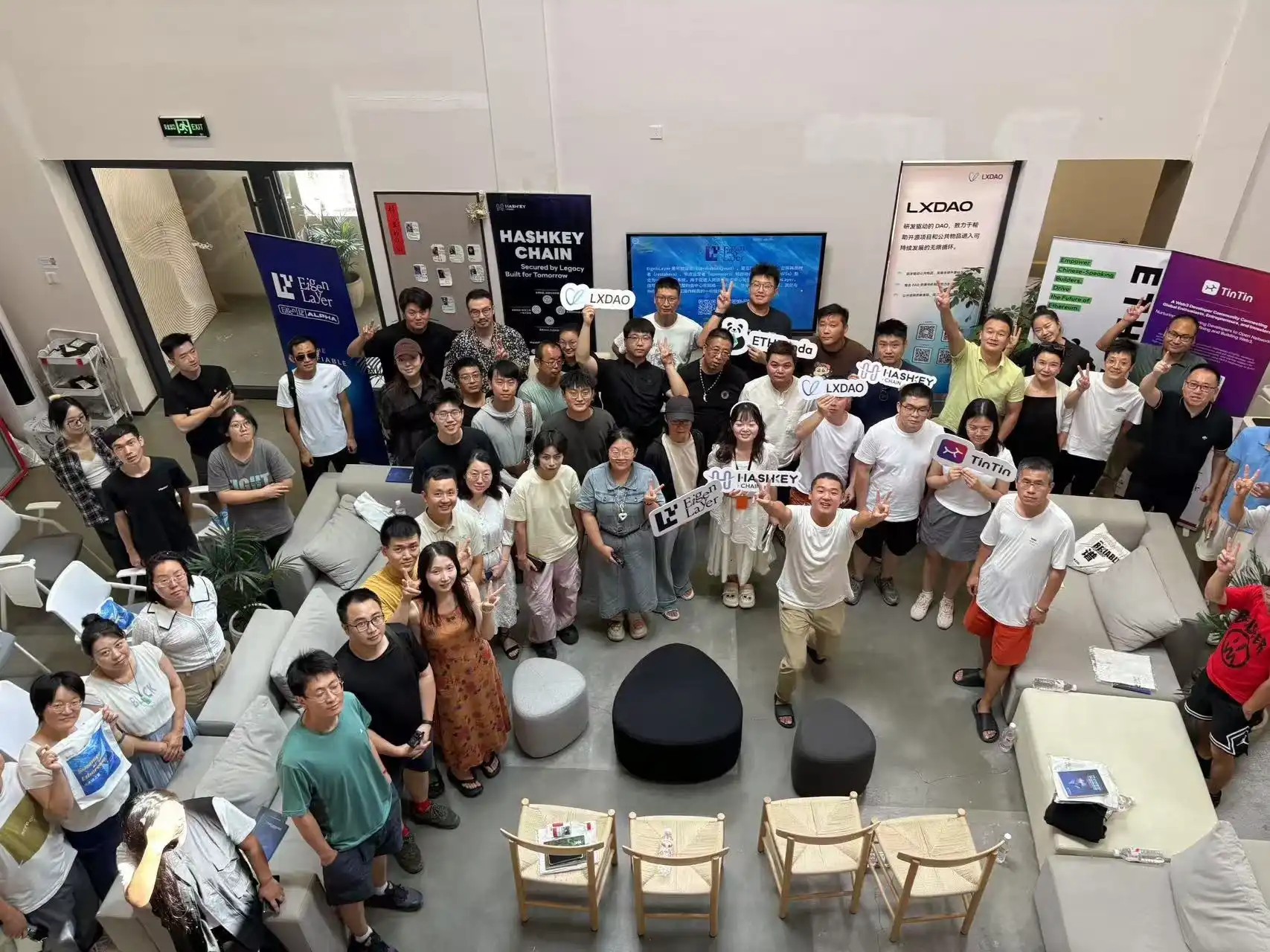
Ethereum Summer 2025 · Сиань
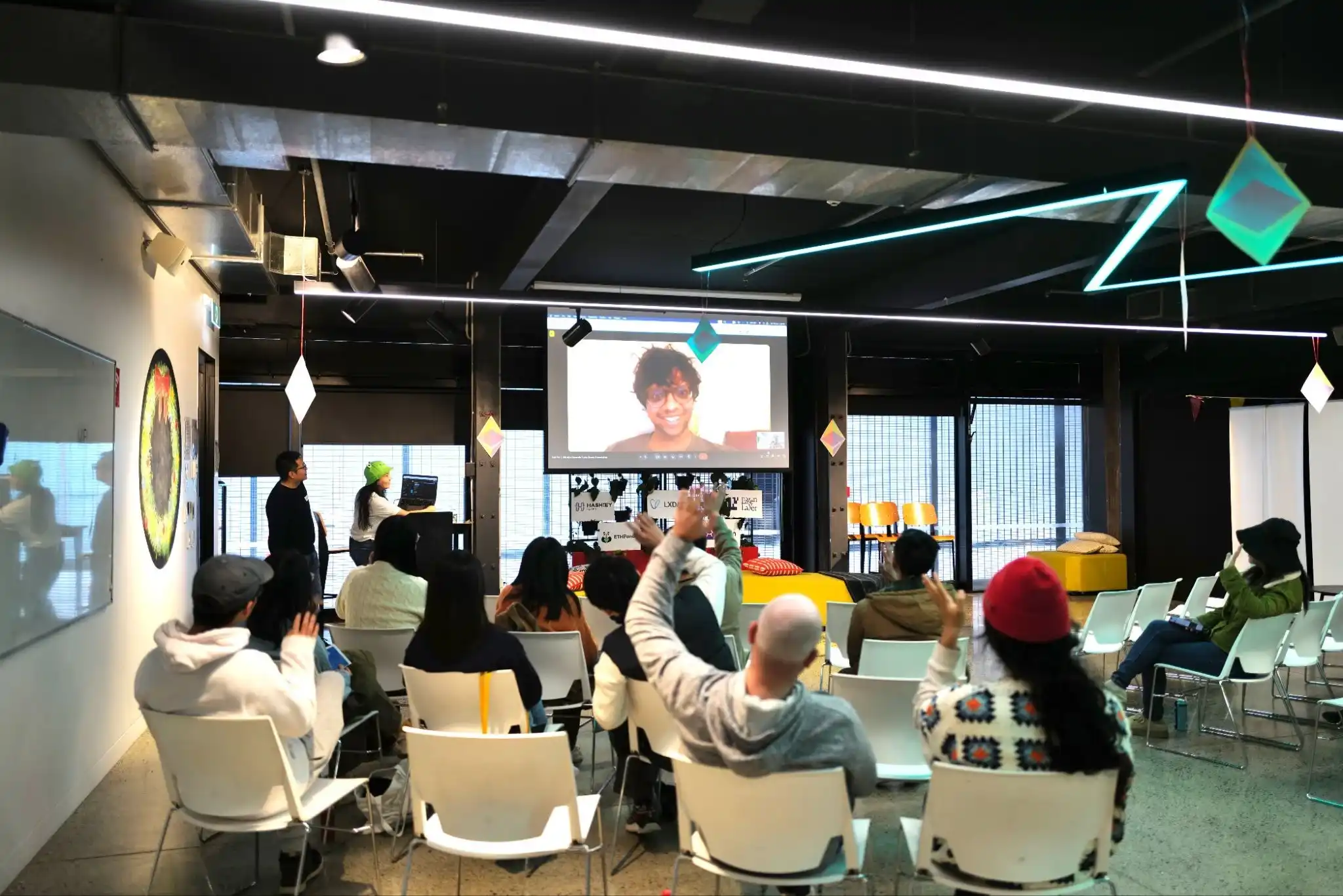
Ethereum Summer 2025 · Окленд
Что произойдёт в этом году?
Ethereum Summer 2026 будет строиться вокруг оффлайн-мероприятий в нескольких городах. Формат мероприятий в разных городах не обязательно будет полностью одинаковым: это могут быть тематические выступления, панельные дискуссии, воркшопы, встречи локальных сообществ, презентации проектов, обмен опытом между разработчиками, а также более камерные, но более глубокие закрытые обсуждения.
Мы надеемся, что каждое мероприятие не просто «состоится», а оставит после себя несколько вещей: более ясные проблемы, более конкретных людей, более надёжные связи и ресурсы, а также нити сотрудничества, которые можно будет развивать и дальше.
На данный момент можно выделить следующие направления:
-
Эволюция протокола и дорожная карта: как эти долгосрочные темы могут быть по-настоящему поняты большим количеством строителей;
-
Ethereum UX: как сделать использование кошельков, Gas, подписей, восстановления аккаунтов, опыт работы между L2 более удобным;
-
Абстракция аккаунтов, смарт-кошельки и границы безопасности: как найти баланс между удобством, разрешениями и доверием;
-
Стейблкоины, платежи и реальные приложения: как ончейн-мир может войти в более конкретные сценарии использования;
-
Инструменты для разработчиков и создание приложений: как снизить порог входа, чтобы больше людей могли продолжать строить;
-
Общественные блага, управление и сотрудничество в сообществе: как открытая экосистема может сформировать более долгосрочные организационные возможности;
-
Города и сети локальных сообществ: как строители из разных мест могут быть связаны, поддержаны и замечены.
Эти направления не будут представлены как фиксированная повестка, которую нужно озвучить за один раз. Это скорее постепенно разворачивающаяся карта проблем: каждый город, опираясь на свои ресурсы, контекст и основы сообщества, может найти наиболее подходящую точку входа для местного развития.
Кто может принять участие?
Если вы разработчик, исследователь, студент, участник сообщества или просто долгосрочно следите за Ethereum, добро пожаловать на мероприятия. Приходить с вопросами — это уже хорошо, не обязательно сразу занимать позицию «эксперта». Многие по-настоящему ценные обсуждения начинаются с простого, но конкретного вопроса.
Если вы координатор города или локальный организатор, добро пожаловать принести Ethereum Summer в свой город. Возможно, вы знакомы с местными разработчиками, можете связаться со студенческими клубами, знаете, где есть подходящая площадка, или просто очень хотите, чтобы строители Ethereum в вашем городе наконец встретились. Всё это — очень важное начало.
🐼 Приглашаем локальных организаторов подать заявку на роль соорганизатора города 👉 https://tally.so/r/pb01Mq
Если вы представляете проект, партнёра экосистемы или партнёра по совместному строительству, также приглашаем к участию. Мы надеемся, что сотрудничество — это не просто имя на логотипе, а возможность вынести реальные темы, технические практики, ресурсы для разработчиков, воркшопы, кейсы и проблемы на площадку.
Если вы представляете СМИ, контент, площадку или ресурсного партнёра, также добро пожаловать помочь. Хорошие обсуждения, если их не записывать, не систематизировать и не распространять, легко остаются всего лишь вечерним событием. Мы надеемся, что эти встречи в итоге перерастут в большее количество переиспользуемого контента, связей и последующего сотрудничества.
Почему это необходимо сделать?
Потому что самое важное в Ethereum — никогда не было лишь технологическим стеком. За ним всегда стояли люди, верящие в то, что открытые сети, общественные блага, верифицируемые правила, долгосрочное сотрудничество и глобальное сообщество заслуживают серьёзного строительства.
Но эта вера не может вечно оставаться лишь на экране.
Когда обсуждения происходят только онлайн, людей легко уносит потоком информации; когда проблема существует лишь в документах, она легко становится профессиональным языком для немногих. Но чтобы Ethereum продолжал двигаться вперёд, нужно, чтобы больше реальных людей вовлекались в обсуждения, понимали проблемы, формировали собственное мнение, находили своё место и начинали действовать.
В этом и заключается та самая «необходимость»: не потому что оффлайн-мероприятия сами по себе важны, а потому что некоторое доверие, понимание и сотрудничество начинаются только тогда, когда люди по-настоящему встречаются, а проблемы действительно переносятся на места.
Это не обязательно самый грандиозный ответ, но это может быть очень конкретное начало: в одном городе собрать вместе людей, которым небезразличен Ethereum; вокруг одного реального вызова собрать разные точки зрения за одним столом; позволить разрозненным людям благодаря одной встрече начать что-то дальше.
Если этим летом благодаря Ethereum Summer в большем количестве городов появятся новые связи; если больше строителей благодаря одной живой дискуссии вступят в более долгосрочное сотрудничество; если больше ключевых проблем из абстрактных понятий превратятся в действенные направления для дальнейшего продвижения — тогда это того стоит.
Вся дальнейшая информация о городских мероприятиях, ссылках для регистрации и обновлениях расписания будет публиковаться в Luma Calendar. Подписывайтесь, чтобы первыми получать самую свежую информацию о мероприятиях: https://luma.com/SummerOfEthereum
Добро пожаловать в Ethereum Summer 2026.
Этим летом давайте вместе вернём обсуждения о будущем Ethereum в реальное пространство.