Автор: Area Bitcoin
Компиляция: Felix, PANews
Аннотация: Тихие платежи сокращают повторное использование адресов, повышая общую приватность.
Приватность биткоин-транзакций привлекает все больше внимания. По мере роста потребности в более безопасных и конфиденциальных способах проведения ончейн-транзакций возникает новое предложение: Тихие платежи (Silent Payments).
В этой статье рассматривается, что такое Тихие платежи, их важность для сети Биткоин, а также структура адресов Тихих платежей и многое другое.
Что такое Тихие платежи?
Тихие платежи — это способ получения биткоинов, который не раскрывает конфиденциальную информацию, такую как ваш баланс или история транзакций, любому, кто может видеть ваш публичный адрес.
Эта концепция основана на предложении под названием BIP 352, которое предлагает использовать многоразовые адреса в Биткоине.
Представьте, что вы хотите принимать пожертвования в биткоинах или вам нужно получать платежи много раз в течение года. Что делать? В настоящее время вам либо нужно создавать новый адрес для каждой транзакции, либо повторно использовать один и тот же адрес, жертвуя приватностью и позволяя любому человеку отслеживать все записи о поступлениях и расходах по этому адресу через блокчейн-эксплорер.
Однако с Тихими платежами вам достаточно предоставить публичный ключ адреса, который можно использовать повторно, не беспокоясь о нарушении конфиденциальности.
Концепция Тихых платежей была впервые предложена в марте 2022 года. Недавно этот BIP был интегрирован в официальный репозиторий кода, что ознаменовало важную веху в развитии этой технологии.
Эта интеграция указывает на то, что технология прошла достаточное рассмотрение, и разработчики кошельков могут начать ее внедрять, хотя, возможно, потребуются некоторые незначительные корректировки.
Почему это важно?
Адреса Биткоина в настоящее время похожи на банковские счета. Однако, поскольку блокчейн полностью прозрачен, любой может просмотреть все транзакции, связанные с определенным адресом, через блокчейн-эксплорер.
Если вы повторно используете один и тот же адрес, каждый полученный вами платеж будет публичным.
Тихие платежи меняют это: вам достаточно поделиться одним публичным адресом, а детали транзакции видны только отправителю и получателю. Это достигается с помощью криптографической техники, которая позволяет получателю каждый раз получать средства на совершенно другой уникальный адрес, и только сам получатель может идентифицировать и получить доступ к этим средствам.
«Тихие платежи» — не совсем новая концепция, они развились из концепции «стелс-адресов», предложенной в 2012 году.
Однако до сих пор эта идея не была эффективно реализована в Биткоине.
Ранее упоминались стелс-адреса, но что это такое?
Стелс-адреса и BIP 47: Проблемы и ограничения в pursuit приватности
Приватность биткоин-транзакций была ключевой проблемой с момента создания сети. Со временем появилось множество предложений по повышению приватности, среди которых особенно выделяются стелс-адреса и BIP 47, изначально предложенные Питером Тоддом.
Ниже рассматриваются ограничения и проблемы, с которыми сталкиваются эти методы в pursuit большей анонимности и эффективности транзакций.
Стелс-адреса
Стелс-адреса были одной из самых ранних попыток улучшить приватность биткоин-транзакций.
Идея проста: позволить получателю генерировать уникальный и конфиденциальный адрес, доступ к которому может получить только получатель с помощью шифрования.
Но есть серьезное препятствие: для работы системы требуется дополнительное добавление ключа в блокчейн, обычно с использованием поля OP_RETURN.
Это создает два серьезных недостатка:
-
Потеря анонимности: Добавление дополнительных данных в блокчейн делает очевидным, что это транзакция с использованием стелс-адреса, любой наблюдатель может идентифицировать эту технологию, что наносит ущерб анонимности.
-
Неэффективность и высокая стоимость: Увеличение объема данных блокчейна делает транзакции более громоздкими, менее эффективными и более дорогими, что противоречит принципам Биткоина оставаться легким и доступным.
В то время также существовала альтернатива: использование уже существующего в транзакции ключа, чтобы избежать добавления дополнительных данных.
Но из-за технической сложности и отсутствия в то время эффективных инструментов (например, библиотеки Lipsack P, которая сейчас упрощает эти вычисления), эта идея была отложена.
BIP 47
Со временем появилось другое предложение, направленное на решение этих проблем: BIP 47.
BIP 47 представило концепцию системы уведомлений, а не добавления данных в блокчейн при каждом платеже. При этом подходе отправителю нужно загружать данные в блокчейн только один раз, а получатель может идентифицировать эти данные и использовать этот «ключ» для упрощения будущих процессов платежей.
Преимущества BIP 47:
-
Четкая идентификация получателем: Получатель может легко определить, какая часть данных в блокчейне предназначена ему, процесс проверки проще.
-
Меньше дополнительных данных: Данные уведомления добавляются только при первом разе, что экономит пространство и ресурсы по сравнению с стелс-адресами, которые добавляют данные каждый раз.
Недостатки BIP 47:
-
Сложность для отправителя: Каждый платеж требует, чтобы отправитель сначала отправил ончейн-уведомление, что эквивалентно дополнительной транзакции, что очень обременительно при массовом использовании.
-
Неэффективное использование блокчейна: Данные, добавляемые для уведомления, не связаны с фактическим платежом, что считается неэффективным.
-
Связываемость платежей: Если多次向同一个人付款, получатель может обнаружить, что средства поступили из одного источника, что наносит ущерб анонимности (в Тихих платежах отправитель полностью анонимен).
-
Раскрытие identity: В транзакции уведомления платежный код отправителя раскрывается получателю, что может быть проблемой в ситуациях, требующих высокой анонимности (например, пожертвования на чувствительные цели).
Хотя BIP 47 имеет свои преимущества (такие как ясность на стороне получателя), серьезные недостатки, такие как дополнительные транзакции и отсутствие полной анонимности, ограничили его widespread adoption.
Тихие платежи aim решить эти проблемы, предлагая более интуитивно понятный и конфиденциальный пользовательский опыт. По сравнению с BIP 47, единственным недостатком Тихых платежей является необходимость сканирования блокчейна, но это может быть стоящим компромиссом для значительного повышения приватности.
В итоге, стелс-адреса и BIP 47 внесли свой вклад в приватность Биткоина, но их respective limitations препятствовали widespread adoption.
Тихие платежи如今成为一个有前景的解决方案,试图融合两者的优点:
-
Сильная приватность
-
Высокая эффективность
-
Упрощенный пользовательский опыт
Как работают Тихие платежи?
Для пользователя操作非常简单.
Предположим, у вас есть биткоин-кошелек, подключенный к вашему узлу. Вы генерируете SP-код (код Тихых платежей), которым можно поделиться в виде QR-кода. Любой, кто поддерживает Тихие платежи, может отсканировать QR-код или ввести код для осуществления платежа... вот и все.
Для получателя, работающего с полным узлом, благодаря оптимизации, делающей процесс эффективным, стоимость практически равна нулю.
Однако для получающей стороны требуется немного больше работы. Получатель должен проверять каждую новую транзакцию Taproot в сети, чтобы определить, содержит ли она платеж на его адрес Тихых платежей, что требует дополнительной обработки программным обеспечением кошелька.
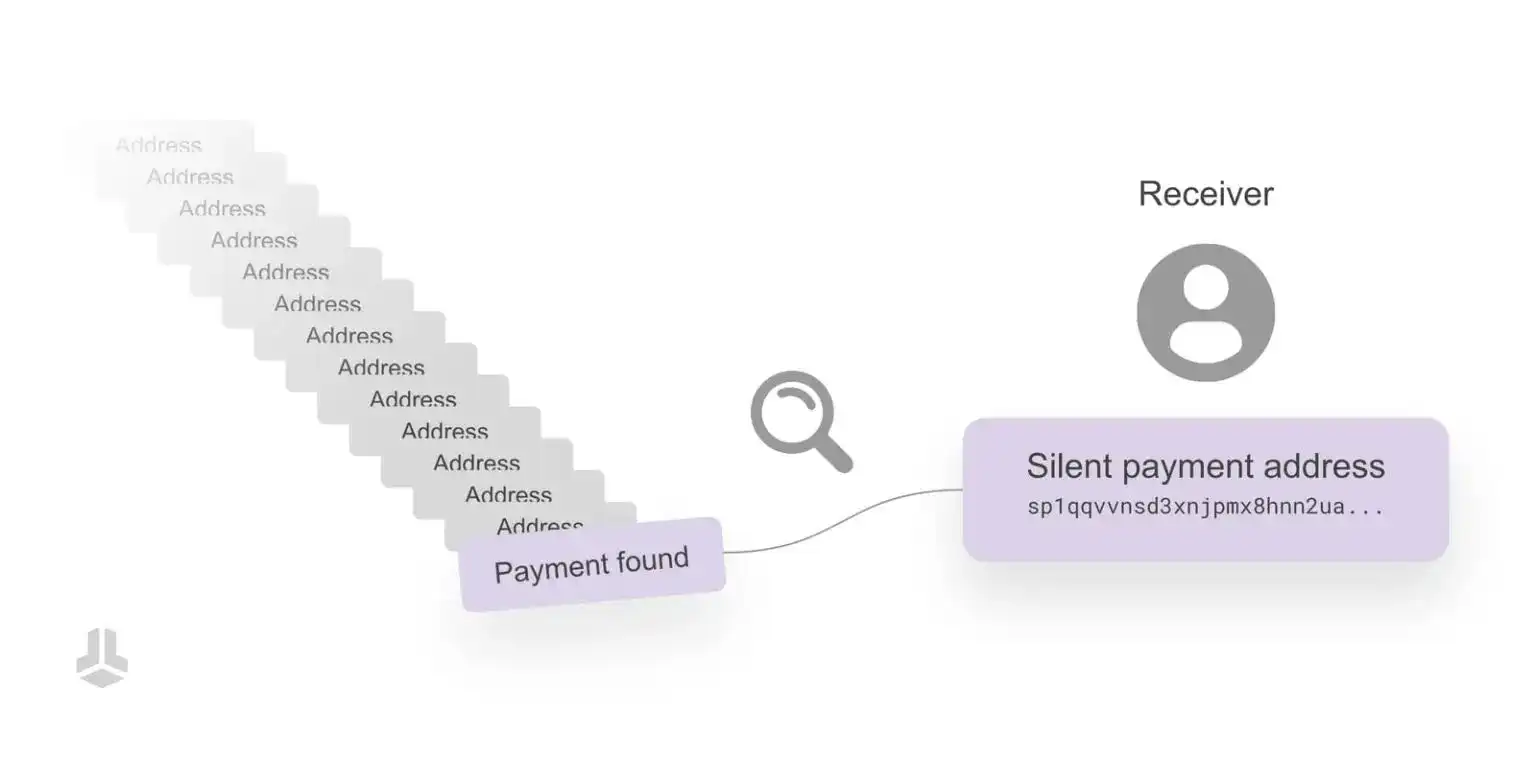
Как выглядит адрес Тихых платежей?
Структура адреса Тихых платежей такая же, как у адреса Taproot. Адреса Taproot используют префикс "bc", обозначающий биткоин-адрес, за которым следует "1" и номер версии, а остальная часть закодирована с помощью bech32m.
Тихие платежи также используют кодировку bech32m, но с префиксом "sp1" (указывающим, что это адрес Тихых платежей), и этот адрес содержит два открытых ключа. Эти два открытых ключа не показывают напрямую назначение биткоинов, а предоставляют инструкции для генерации скрипта открытого ключа Taproot.
На практике пользователи могут генерировать, делиться и безопасно повторно использовать адреса Тихых платежей, как обычные биткоин-адреса, не жертвуя приватностью, что является их ключевым преимуществом.
Какие кошельки поддерживают такие адреса?
В настоящее время кошельки, поддерживающие адреса Тихых платежей, — это Cake Wallet и BitBox.
Поскольку функция Тихых платежей все еще находится в разработке и еще не получила широкого распространения, Cake Wallet является одним из первых кошельков, реализовавших Тихие платежи в Биткоине. Этот кошелек уже доступен в публичной бета-версии на Android и iOS.
Вот как использовать Тихие платежи в Cake Wallet:
На главной странице кошелька в карточке/квадрате нажмите кнопку "Silent Payments", чтобы начать сканирование блоков для поиска этих транзакций.
Важно отметить, что поскольку транзакции Тихых платежей анонимны, кошелек должен активно сканировать блоки для поиска транзакций.
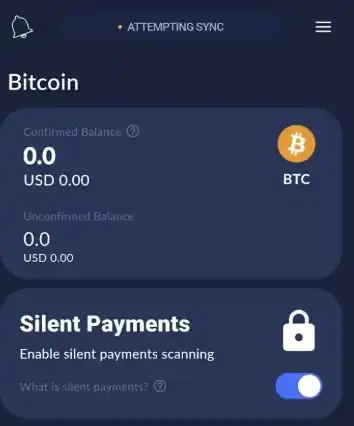
После завершения сканирования проверка Тихых платежей автоматически отключается по достижении последнего блока.
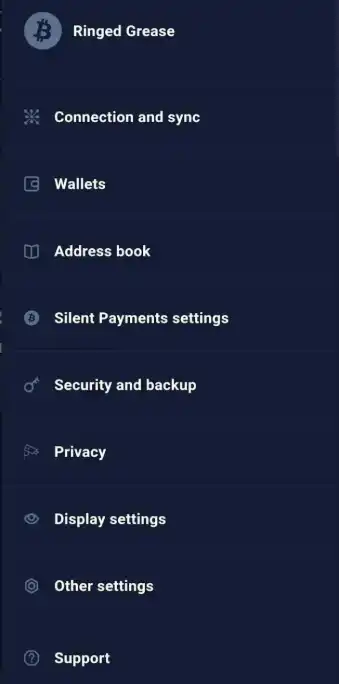
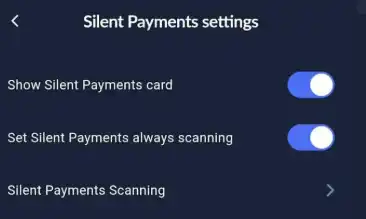
Если вы хотите, чтобы кошелек продолжал автоматически проверять новые блоки на наличие Тихых платежей, перейдите в "Меню" -> "Настройки Тихых платежей" и включите опцию "Всегда сканировать Тихие платежи".
BitBox
Как и горячий кошелек Cake Wallet, BitBox является одним из первых аппаратных кошельков, поддерживающих Тихие платежи, что значительно повышает конфиденциальность пользователей.
Благодаря Тихим платежам отправители могут генерировать уникальные адреса из фиксированного открытого ключа получателя. Это особенно полезно для активистов, НПО и благотворительных организаций: они могут делиться многоразовым адресом для получения пожертвований, не раскрывая личность жертвователей или получателей, а также суммы пожертвований.
Эта интеграция позволяет пользователям BitBox поддерживать различные инициативы и осуществлять платежи, избегая при этом раскрытия финансовой деятельности нежелательным третьим сторонам.
Роль меток
Первоначальной проблемой Тихых платежей было определение того, кто отправил платеж. Решением стало введение меток (Labeling).
Итак, что такое метки?
Метки позволяют вам, при использовании одного адреса Тихых платежей, различать разных отправителей, не жертвуя приватностью и не significantly увеличивая стоимость сканирования.
Эта технология позволяет добавлять дополнительную информацию к адресу Тихых платежей без ущерба для конфиденциальности пользователя. Принцип заключается в детерминированной тонкой настройке ключа расходов.
Проще говоря, ключ расходов похож на цифровую подпись, authorizing использование средств на адресе. Путем тонкой настройки этого ключа можно идентифицировать различные источники платежей.
Например, предположим, у вас есть два адреса Тихых платежей:
-
Один для активности в X
-
Другой для активности в Nostr
С метками первая половина этих двух адресов одинакова (указывая, что оба принадлежат вам), но вторая половина slightly отличается, помогая вам идентифицировать источник платежа.
Таким образом, при просмотре средств вы можете видеть, что некоторые платежи поступили от пользователей X, а некоторые — от Nostr.
Эта гибкость обеспечивает баланс между защитой конфиденциальности и сбором полезной информации о транзакциях.
Конечно, если вы хотите полной анонимности, вы можете использовать только стандартные адреса Тихых платежей без меток, гарантируя, что у отправителя нет никакой идентифицирующей информации. Но если необходимо отследить источник платежа, метки提供了一种高效的方式.
Эта технология может быть применена в различных сценариях, таких как биржи, платформы социальных сетей, личное использование, позволяя вам управлять несколькими онлайн-идентичностями без создания явных связей или просто получать дополнительную информацию о платежах, когда это необходимо.
Пример Тихых платежей на бирже
Если биржи внедрят эту технологию, откроются интересные возможности применения.
Предположим, вы пополняете счет на бирже. С Тихими платежами биржа больше не дает вам адрес для пополнения, используемый repeatedly, а instead генерирует для вас адрес Тихых платежей.
Каждый раз, когда вы осуществляете платеж на этот адрес, биржа может автоматически идентифицировать вас (через механизм меток), без необходимости управлять несколькими адресами с вашей стороны. Кроме того, эта технология也非常有用 для автоматического вывода средств.
Вы можете повторно использовать один и тот же адрес Тихых платежей на разных платформах, без необходимости управлять разными расширенными открытыми ключами (xPub) для каждой платформы, что极大地 упрощает процесс.
Заключение
Тихие платежи有希望彻底改变使用比特币的方式,提供更简单、更直观的体验,同时显著提升隐私性.
Если эта технология получит широкое распространение, уровень повторного использования ончейн-адресов может significantly снизиться, создавая таким образом более безопасную и конфиденциальную среду для всех.
Тихие платежи предоставляют прекрасную возможность объединить пользовательские стимулы с лучшими практиками конфиденциальности, делая будущие биткоин-платежи более скрытными и безопасными, чем когда-либо прежде.
Рекомендуемая литература: Более 1,7 миллиона BTC под угрозой? Биткоин снова в центре квантовых споров, публичные блокчейны начинают оборонительную войну





















