Автор: Roberto Rios (@peruvian_bull)
Компиляция: Deep Tide TechFlow
Введение от Deep Tide: Jane Street — самая прибыльная количественная торговая компания в истории Уолл-стрит, но мало кто знает о её существовании — до этой недели, когда её обвинили в инсайдерской торговле, приведшей к краху Terra Luna, а также вовлекли в судебный процесс о манипулировании индексами в Индии на сумму 560 миллионов долларов. Эта статья связывает предполагаемые манипуляции Jane Street с Terra Luna, манипуляции на индийском рынке и ежедневные распродажи биткоина в 10 утра по фиксированному времени («10-часовой удар») в единую цепочку расследования, временные точки и данные которой выдерживают проверку. За сегодняшним отскоком биткоина может стоять эта история.
Полный текст ниже:
Самая могущественная торговая компания, о которой вы никогда не слышали, только что была поймана с рукой в cookie-банке. Дважды. На двух разных континентах.
И биткоин, наконец, вздохнул свободно.
Проследуйте за мной:
Jane Street Group — это количественная торговая компания со штаб-квартирой в Нью-Йорке. У них нет CEO.

По их собственному описанию, компания работает как «анархистская коммуна». Только за первые девять месяцев 2025 года они зафиксировали чистую торговую выручку в 24 миллиарда долларов, что превышает 20.5 миллиардов за весь 2024 год. Только во втором квартале 2025 года они достигли 10.1 миллиарда долларов — это самая высокая квартальная торговая выручка, которую когда-либо показывала любая компания на Уолл-стрит.
По любым меркам, Jane Street — самая прибыльная торговая организация на планете.
И как раз на этой неделе управляющий по делам о банкротстве Terraform Labs подал иск в федеральный суд Манхэттена, обвиняя Jane Street в использовании инсайдерской информации для заблаговременного позиционирования и извлечения прибыли из краха Terra Luna в мае 2022 года. Тот крах стёр 40 миллиардов долларов стоимости и вызвал цепную реакцию, которая в конечном итоге погубила Celsius, Three Arrows Capital и FTX.
Логика обвинений поразительно проста.

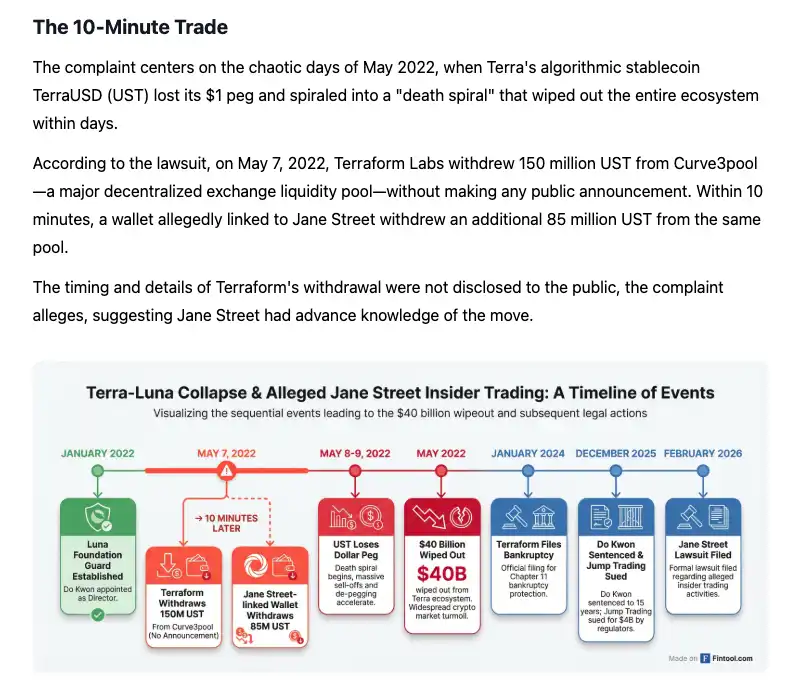
7 мая 2022 года Terraform Labs тихо вывела 150 миллионов долларов UST из Curve3pool (крупного децентрализованного пула ликвидности). Никаких анонсов, просто тихий отток ликвидности.
Десять минут спустя кошелёк, связанный с Jane Street, вывел 85 миллионов долларов из того же пула ликвидности.
Ровно десять минут.
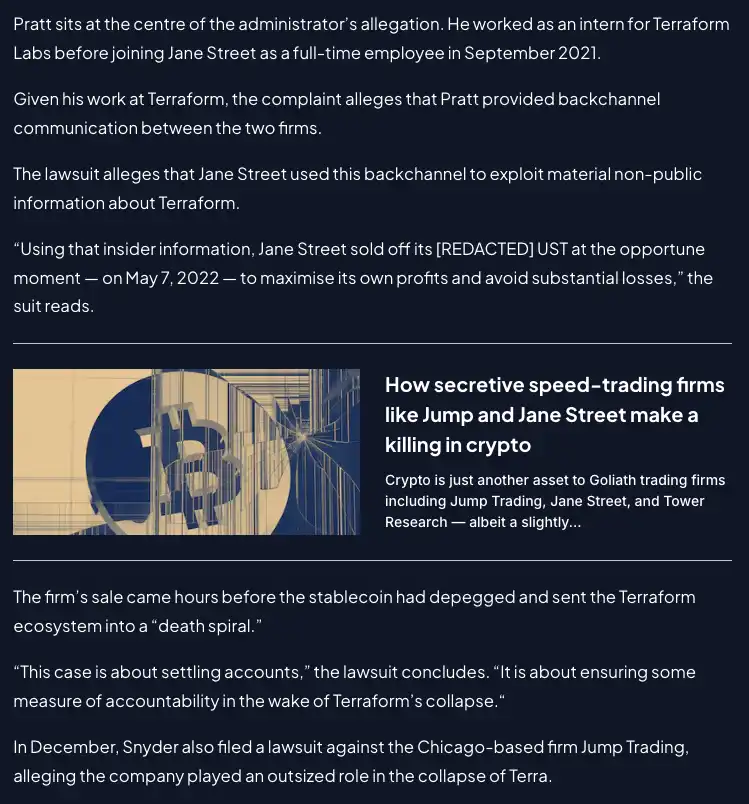
В иске утверждается, что бывший стажёр Terraform Брайс Пратт, который присоединился к Jane Street в качестве штатного сотрудника в сентябре 2021 года, установил секретный канал связи со своими бывшими коллегами из Terraform. Он предположительно передавал существенную непубличную информацию об операциях с ликвидностью Terraform напрямую торговому столу Jane Street.
В иске перечислены четыре ответчика: Jane Street Group LLC, соучредитель Роберт Гранери, а также сотрудники Брайс Пратт и Майкл Хуан.
Заявление управляющего по делам о банкротстве бьёт в цель: сделки, осуществлённые Jane Street, «были бы просто невозможны, если бы не обладали инсайдерской информацией, к которой они получили эксклюзивный доступ».
Но дальше — хуже. В иске утверждается, что вывод средств Jane Street помог спровоцировать откол UST от peg'а, толкнув всю экосистему Terraform в смертельную спираль. LUNA упала с более чем 80 долларов почти до нуля. 40 миллиардов долларов испарились. Обычные люди потеряли всё — пенсионные сбережения, фонды на образование, накопления за всю жизнь, уничтоженные за несколько дней.
Ответ Jane Street? Они назвали это «актом отчаяния загнанного в угол», «безосновательными обвинениями».
Но проблема в том, что это не в первый раз.
В июле 2025 года Комиссия по ценным бумагам и биржам Индии (SEBI) выдвинула против Jane Street одни из крупнейших в истории Индии обвинений в манипулировании рынком. Расследование SEBI выявило, что в 18 дат истечения деривативов в период с января 2023 года по март 2025 года Jane Street проводила классическую схему «pump and dump» с индексом Bank Nifty.
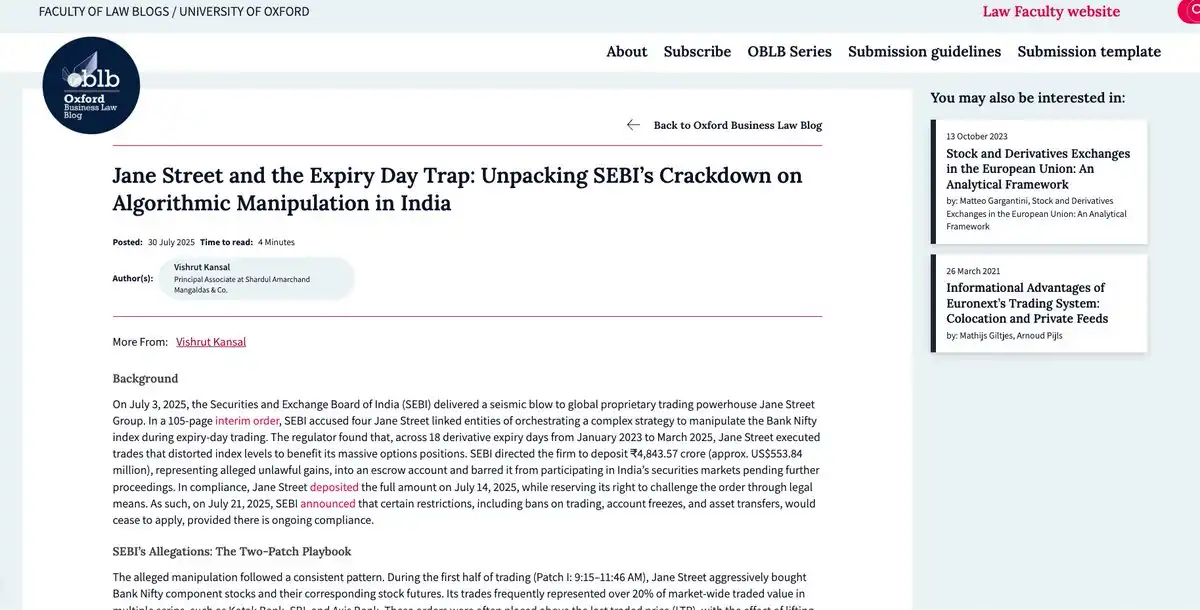
Схема была механической до ошеломления:
Утренняя сессия: Алгоритмы Jane Street массово скупали акции компонентов Bank Nifty и фьючерсы, поднимая индекс на 1–1.3%. SEBI обнаружила, что в некоторые торговые дни Jane Street единолично обеспечивала всё положительное ценовое воздействие на индекс.
В то же время они массово строили короткие опционные позиции, в основном продавая коллы и покупая путы, с серьёзным дисбалансом в размере позиций по отношению к их акционным позициям. SEBI обнаружила, что в delta-эквиваленте их опционные позиции в 7.3 раза превышали акционные и фьючерсные. Это не хеджирование, не арбитраж, это направленное манипулирование с лишними шагами.
Дневная сессия: Они продавали все купленные утром акции, индекс падал, короткие опционы приносили прибыль, и так повторялось каждый день истеричения.
Решение SEBI: Незаконная прибыль в 4.843 миллиарда рупий, примерно 580 миллионов долларов. Они охарактеризовали действия Jane Street как «преднамеренно разработанное средство манипулирования расчетными ценами». SEBI также особо отметила, что Jane Street продолжила выполнение этой стратегии после того, как Национальная фондовая биржа Индии в феврале 2025 года вынесла четкое предупреждение.
Формулировки SEBI были необычно суровыми, что редко встречается у регуляторов: «Честность рынка и доверие миллионов мелких инвесторов и трейдеров больше не могут быть заложниками заговора такого ненадёжного участника».
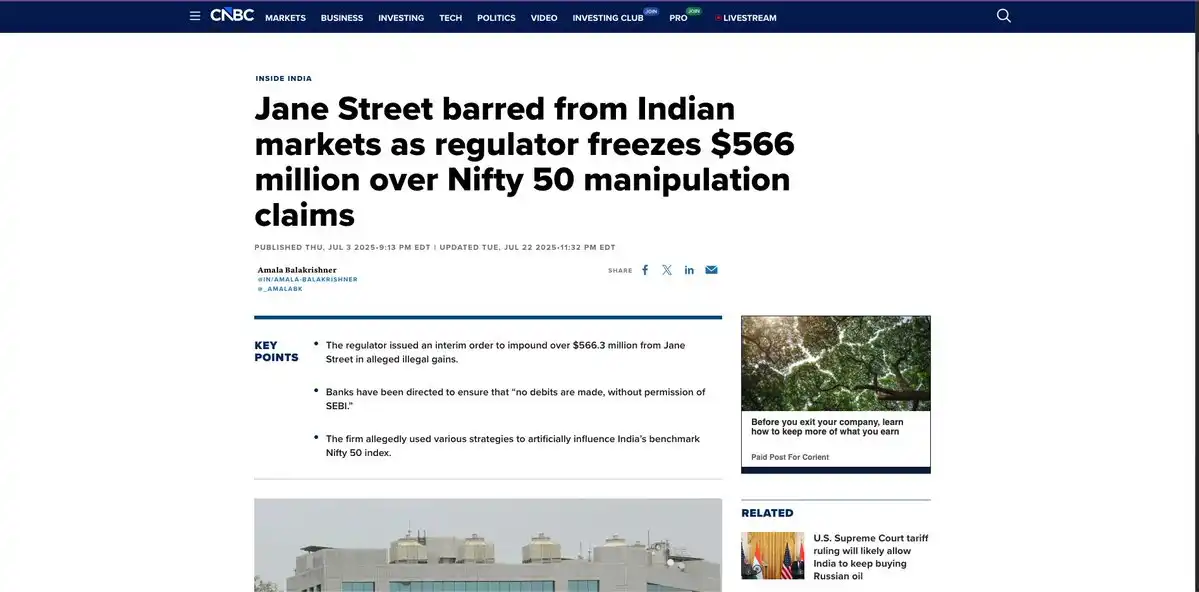
Jane Street было запрещено работать на рынке ценных бумаг Индии. Они внесли более 560 миллионов долларов на эскроу-счёт и немедленно подали апелляцию. На сегодняшний день дело всё ещё находится на рассмотрении в Апелляционном трибунале по ценным бумагам Индии.
Теперь о биткоине.
С ноября 2025 года трейдеры биткоина заметили странную закономерность: каждое утро примерно в 10:00 по восточному времени США — как раз к открытию американских фондовых рынков — на BTC и связанные с ним ETF-доли обрушивались массовые продажи.
Эта закономерность была пугающе последовательной. Биткоин рос в азиатскую и европейскую торговые сессии, но оказывался под давлением, как только открывался Нью-Йорк.
(См.: https://www.tradingview.com/news/newsbtc:f65a83ede094b:0-is-jane-street-manipulating-bitcoin-the-viral-theory-explained/)
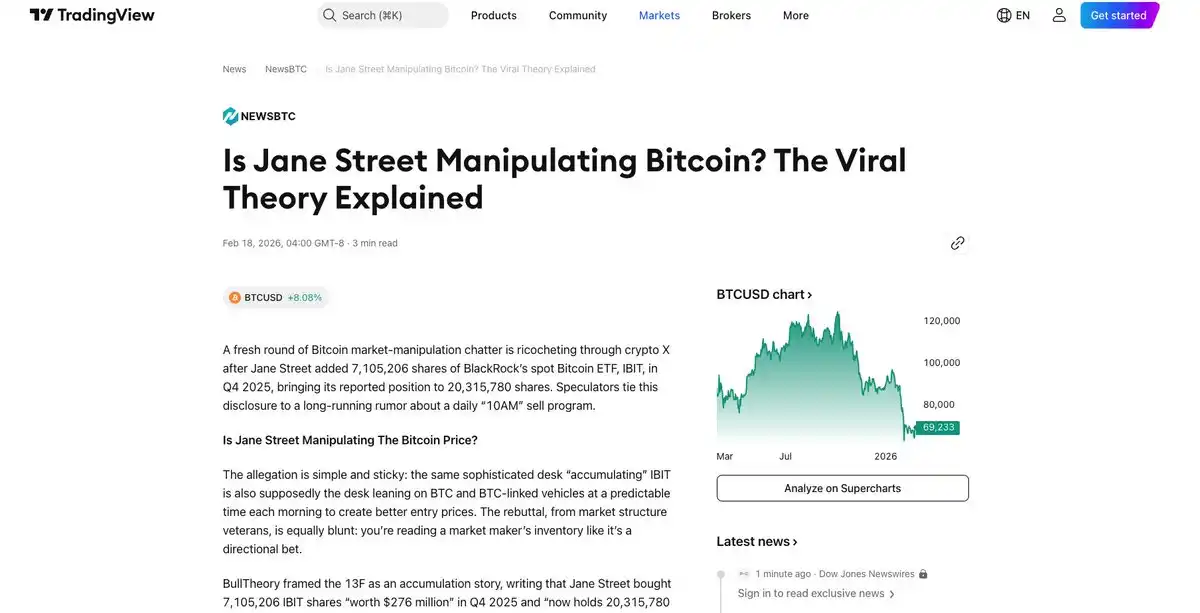
Цифры шокируют. Графики за декабрь 2025 года показывают, что BTC в некоторые торговые дни падал с 89 700 долларов до 87 700 долларов за несколько минут, ликвидируя 171 миллион долларов leveraged long-позиций до того, как цена восстанавливалась. Это происходило 1, 5, 8, 10, 12, 15 декабря и повторялось в январе и феврале 2026 года.
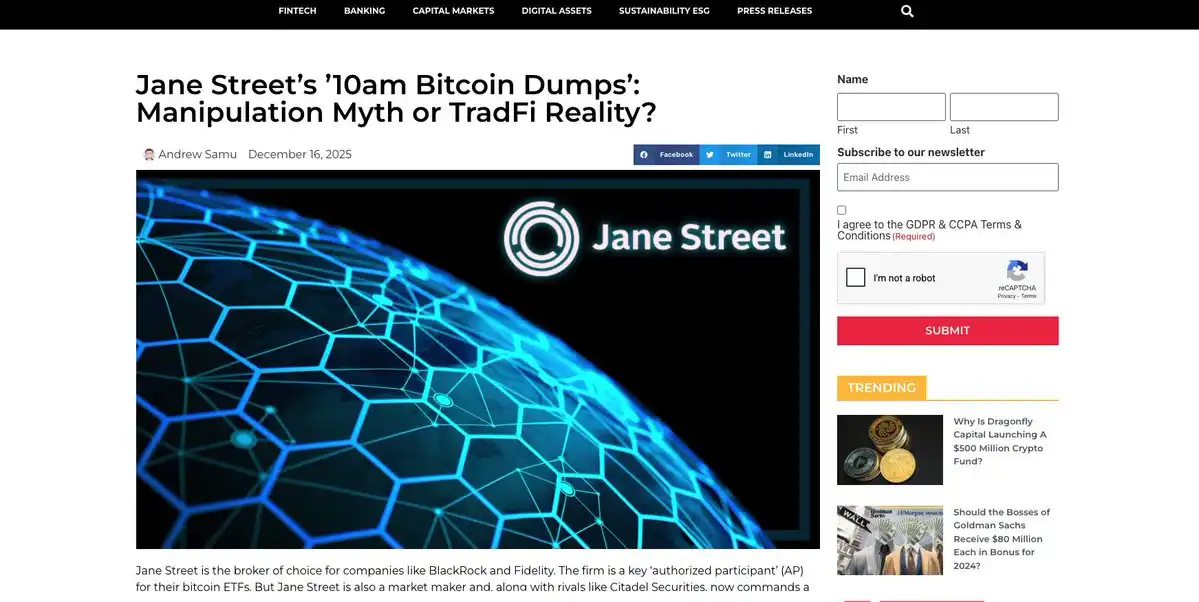
Крипто-Твиттер окрестил это «10-часовым ударом».
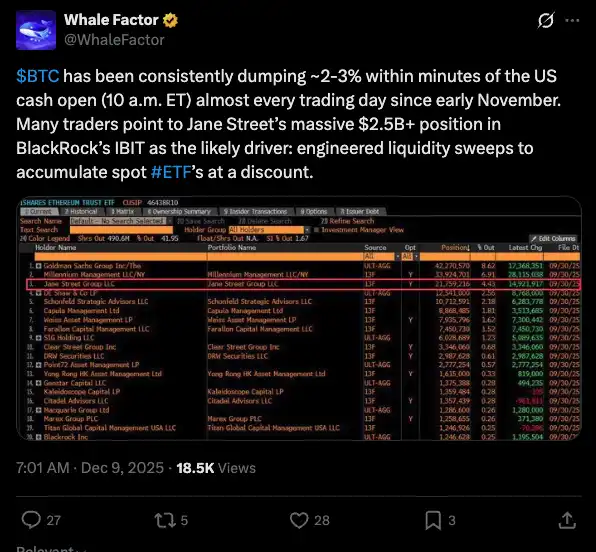
Подозрения пали на Jane Street, и не без оснований. Jane Street является одним из всего четырёх уполномоченных участников (Authorized Participants) биткоин-ETF IBIT от BlackRock (крупнейшего в мире спотового биткоин-ETF). Остальные три — это Virtu Americas, JP Morgan Securities и Marex. Будучи уполномоченным участником, Jane Street обладает уникальной способностью создавать и погашать доли ETF, что означает их прямой доступ к каналу движения биткоина в институциональные обёртки и из них.
Их файлы 13F подтверждают крупные холдинги. По состоянию на третий квартал 2025 года Jane Street владела долями IBIT на 5.7 миллиарда долларов. В четвертом квартале они добавили ещё 276 миллионов долларов, доведя общий холдинг до более чем 20 миллионов акций, стоимостью около 790 миллионов долларов по ценам конца года. На пике они владели IBIT почти на 2.5 миллиарда долларов.
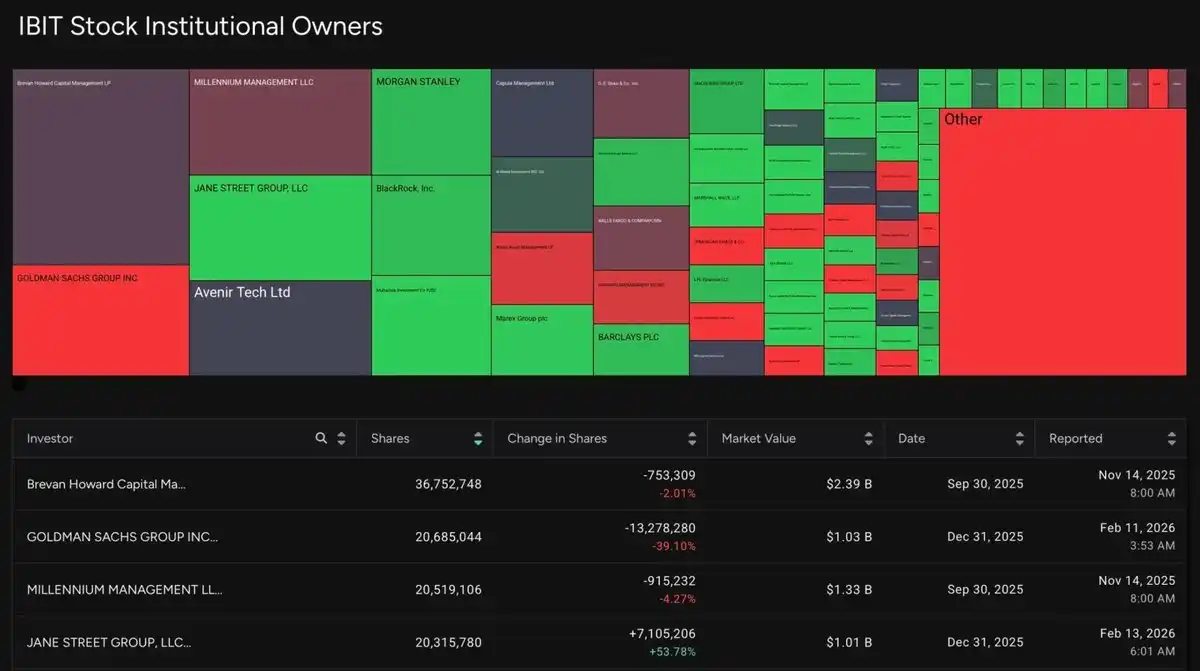
Но кое-что вызывает подозрения: в то время как они предположительно продавали спотовый BTC каждое утро, Jane Street в четвертом квартале 2025 года увеличила свою позицию в MSTR (Strategy, ранее MicroStrategy) на 473%, купив 951 187 акций на сумму около 121 миллиона долларов. Это произошло в то же время, когда основные фонды, такие как BlackRock и Vanguard, значительно сокращали свои позиции в MSTR на миллиарды долларов.
Подумайте, что это означает: продавать на открытии BTC, давить цену, ликвидировать leveraged long-позиции, выкупать обратно по низкой цене. В то же время массово скупать самый leveraged прокси-актив на биткоин на рынке в ожидании неизбежного восстановления цены.
Соучредители Glassnode Ян Хаппель и Янн Алеманн через свой аккаунт Negentropic на платформе X вновь разожгли эту теорию, связав алгоритмические торговые модели с подачей иска Terraform. Аккаунт Milk Road further amplified this message, описав «постоянные приглушённые слухи» о том, что институциональные торговые столы выполняют «очень конкретное и полное заговоров руководство».

Затем последовал иск. Затем случилось нечто неожиданное.
После подачи иска Terraform против Jane Street «10-часовой удар»... не состоялся. Впервые за месяцы биткоин не был под давлением при открытии американского рынка, а instead вырос.
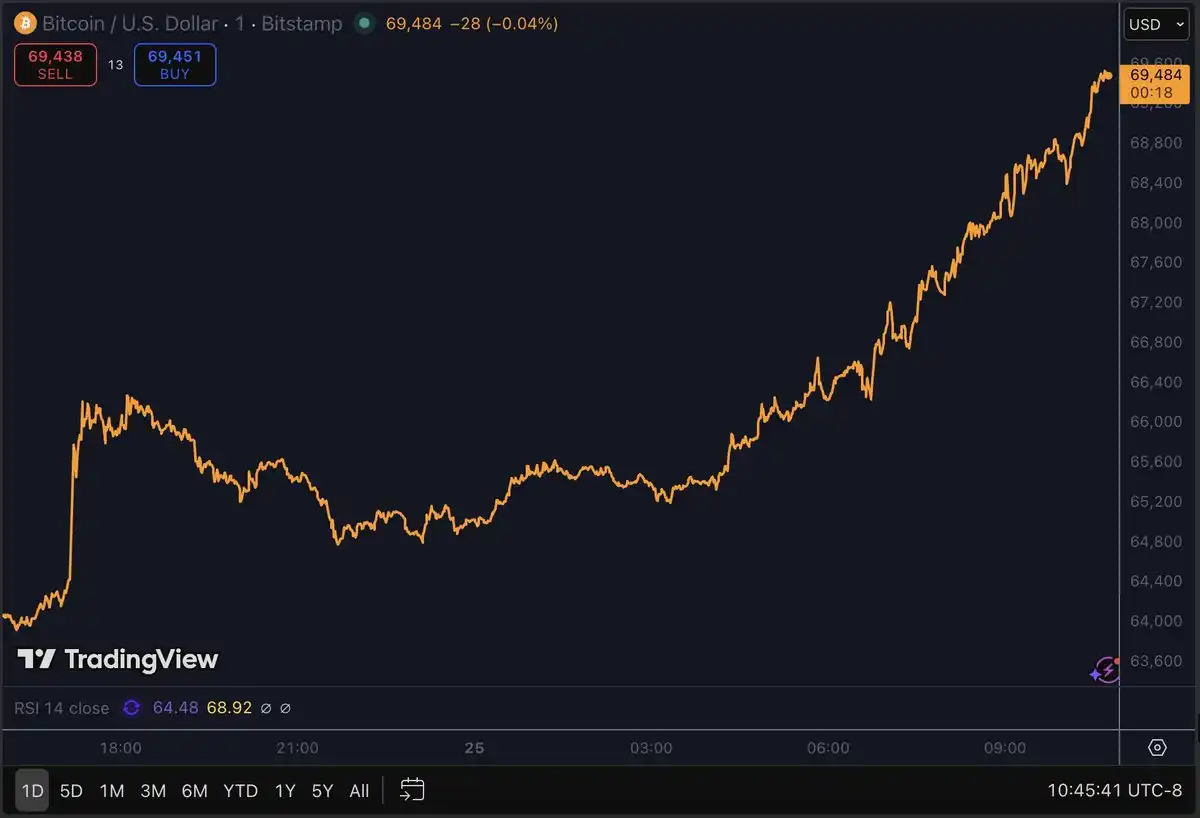
Сегодня, 25 февраля 2026 года, биткоин взлетел более чем на 3%, пробив несколько уровней сопротивления, и торговался выше 68 000 долларов, тогда как всего несколько дней назад ему угрожало падение ниже 60 000 долларов. Были ликвидированы короткие позиции на 323 миллиона долларов. Стохастический RSI достиг 100. Чистый приток в ETF за день составил 257.7 миллиона долларов, что является самым высоким показателем с начала февраля.
https://x.com/peruvian_bull/status/2026730420168192432?s=20
Закономерность нарушилась.
Я хочу быть здесь осторожным. Корреляция не означает причинно-следственную связь. Одновременно действовали múltiples факторы: послание о положении страны Трампа, перепроданность по техническому анализу, покрытие коротких позиций. Индекс страха и жадности тогда находился на уровне 11, в зоне крайнего страха, что часто является точкой разворота для контртрендовой торговли. RSI упал до 15.80, чего не видели с обвала из-за COVID в 2020 году, за которым последовал рост на 1400%. Но совпадение во времени трудно игнорировать.
В X ходят слухи о том, что Jane Street после подачи иска «были вынуждены отключить свои торговые алгоритмы». Jane Street сообщили Cointelegraph, что это «безосновательные спекулятивные обвинения». Были ли они вынуждены остановиться или приостановили работу из-за юридической осторожности, результат один и тот же:
Давление продаж исчезло.
Что это на самом деле означает для биткоина.
Спотовые биткоин-ETF должны были стать великим уравнителем. Канал институционального доступа, регулируемый продукт, одобренный BlackRock. И они действительно добились огромного успеха — только IBIT привлёк более 20 миллиардов долларов притока средств с момента запуска.
Но структура ETF внедрила то, от чего биткоин был специально разработан, чтобы избежать: доверенных посредников, имеющих привилегированный доступ к каналу.
В январе 2024 года Комиссия по ценным бумагам и биржам США (SEC) при утверждении спотовых биткоин-ETF потребовала использования исключительно cash-метода создания и погашения. Всякий раз, когда нужно создать или погасить доли, кто-то должен фактически покупать или продавать биткоин. И компании, имеющие доступ к этому процессу — уполномоченные участники — обладают структурным преимуществом перед всеми остальными участниками рынка.
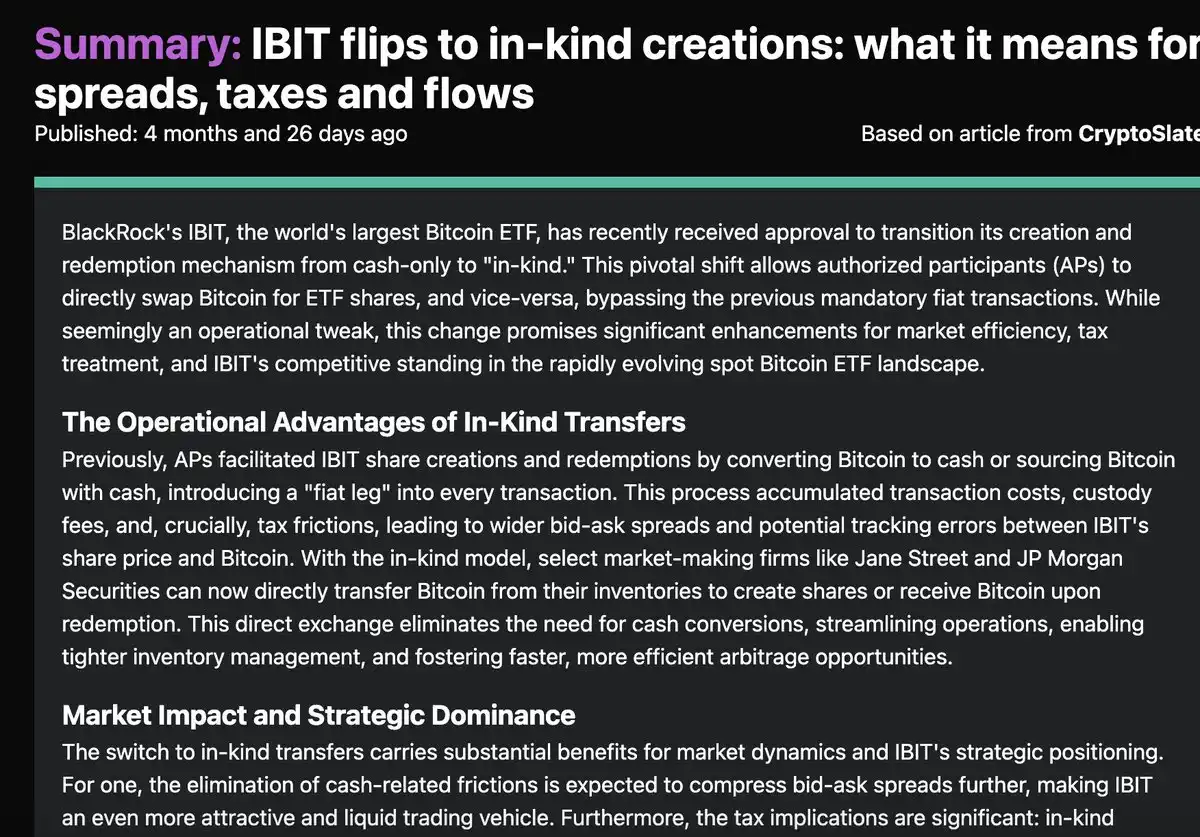
В сентябре 2025 года SEC approved механизм in-kind создания и погашения для IBIT, что означает, что уполномоченные участники теперь могут напрямую обменивать биткоин на доли ETF без прохождения through фиат. Это дало Jane Street, Virtu, JPMorgan и Marex более прямой контроль над потоками биткоина в самую крупную институциональную обёртку и из неё.
«10-часовой удар» — это, по сути, симптом той же болезни, которая десятилетиями мучила рынок золота.
Я писал об этом в «The Gold Endgame Begins»: бумажная торговля против бумажной торговли, где институты с наибольшим доступом к каналу могут двигать цены до того, как остальная часть рынка успеет среагировать.
https://x.com/peruvian_bull/status/1778146092279861279?s=20
Трейдеры JPMorgan Грегг Смит и Майкл Новак были признаны виновными в размещении мошеннических ордеров на рынке фьючерсов на драгоценные металлы, эта схема длилась восемь лет и involved тысячи незаконных сделок. JPMorgan заплатил 920 миллионов долларов в качестве settlement. Deutsche Bank заплатила 30 миллионов долларов за то же самое. UBS, HSBC и шесть индивидуальных трейдеров столкнулись с обвинениями CFTC в нарушениях, связанных с мошенничеством.
Тот же сценарий, другой актив.
Каждый раз эти компании называют это «маркет-мейкинг», «арбитраж», «хеджирование». Эвфемизмы множатся, результат всегда один: обычные люди оказываются острижены, а инсайдеры захватывают спред.
Итак, куда мы движемся теперь?
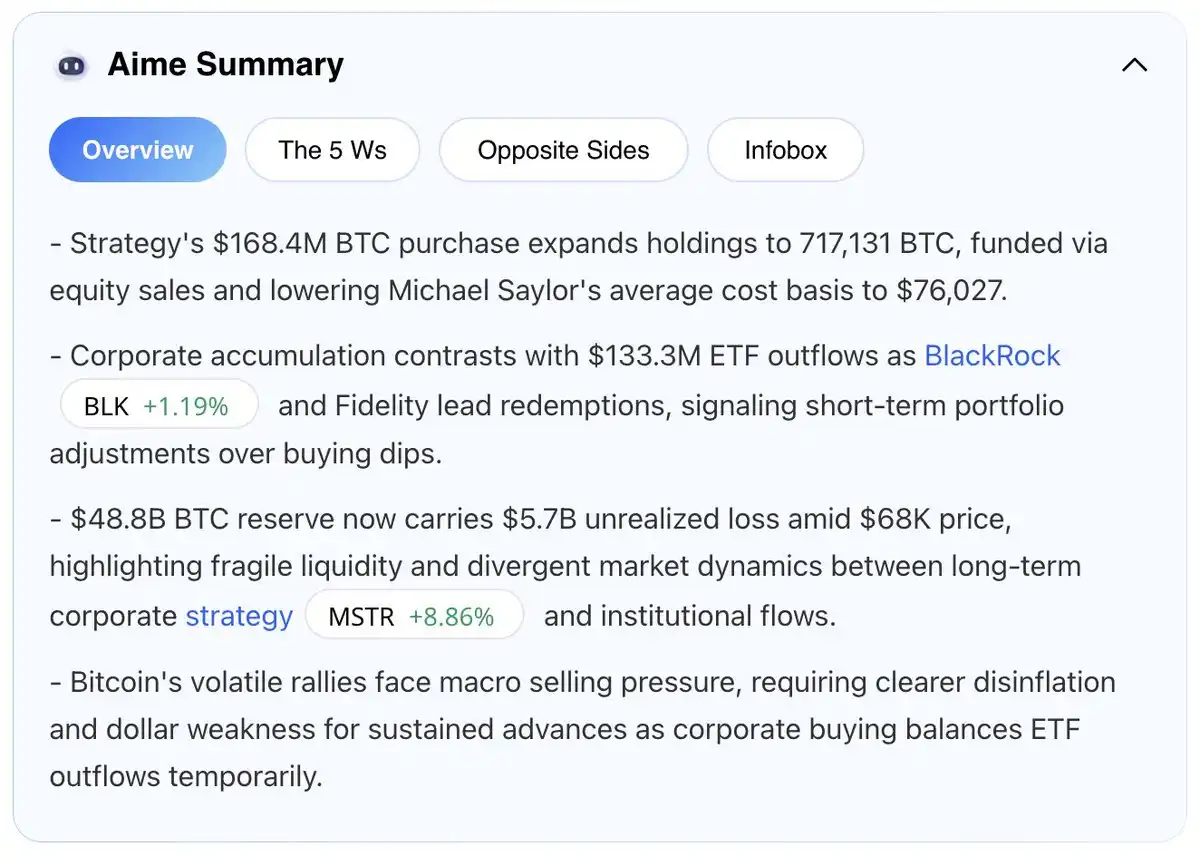
Более широкая структурная картина не изменилась. Чистый отток из ETF в размере 4.5 миллиарда долларов за первые восемь недель 2026 года выглядит тревожно, но Strategy (компания Сэйлора) только что купила BTC на 39 миллионов долларов, что составляет 99% всех покупок публичных компаний за тот же период. Крупные игроки не продают, они ждут, пока алгоритм выполнит свою работу.
И, возможно, прямо сейчас алгоритм закончил работу.
Если Jane Street — будь то из-за юридических рисков, регуляторного scrutiny на нескольких континентах или простого самосохранения — были вынуждены отступить от своей предполагаемой ежедневной программы продаж, это означает, что постоянное структурное сопротивление, сдерживавшее биткоин в течение четырёх месяцев, было устранено.
Биткоин был рождён для такого момента. Денежная система, не полагающаяся на доверенных посредников, не нуждающаяся в уполномоченных участниках, которую нельзя предвосхитить сообщениями, переданными бывшим стажёром по секретному каналу на торговый стол.
Но не забывайте, как мы сюда попали. Те самые компании, которые должны были «создавать рынки» и «обеспечивать ликвидность», — это те же самые люди, которых обвиняют в предвосхищении краха, манипулировании национальными фондовыми индексами и ежедневном запуске алгоритмических программ продаж против актива, который их ETF должен отслеживать.
Это именно та система, которую биткоин был designed to replace.