Джей из долины Fei | Официальный аккаунт QbitAI
Важное открытие:Началась самоэволюция ИИ.
Это шокирующее заявление, которое Anthropic только что опубликовала в длинном посте в блоге.
Наши внутренние данные показывают, что Claude ускоряет развитие ИИ, что, возможно, является путем рекурсивного самосовершенствования (RSI).
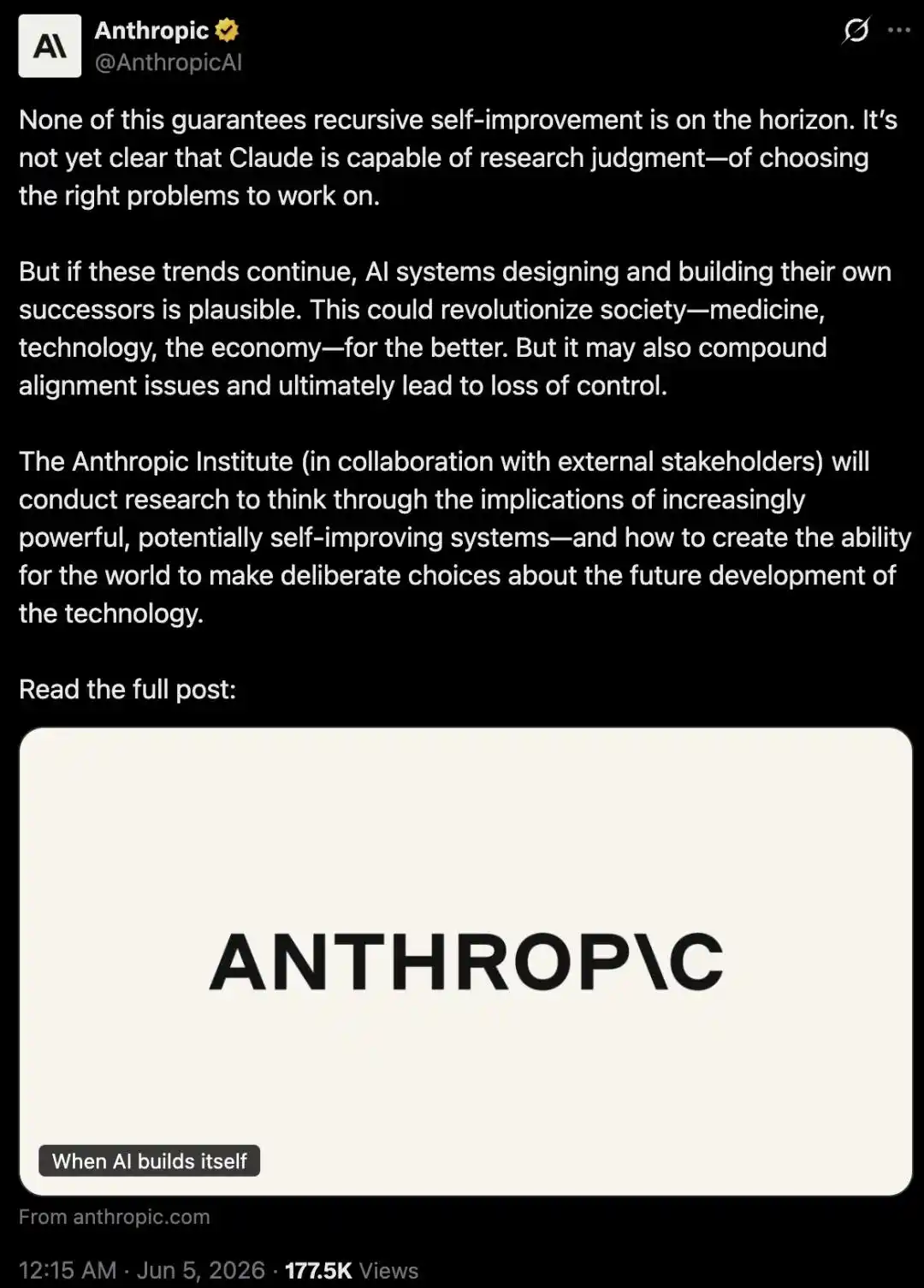
Это не «пустые страшилки», посмотрев статью, видно, что Anthropic говорит строго на основе данных —
По состоянию на май этого года,более 80% кода Anthropic написан Claude.
А до выпуска Claude Code эта цифра была лишь однозначной.
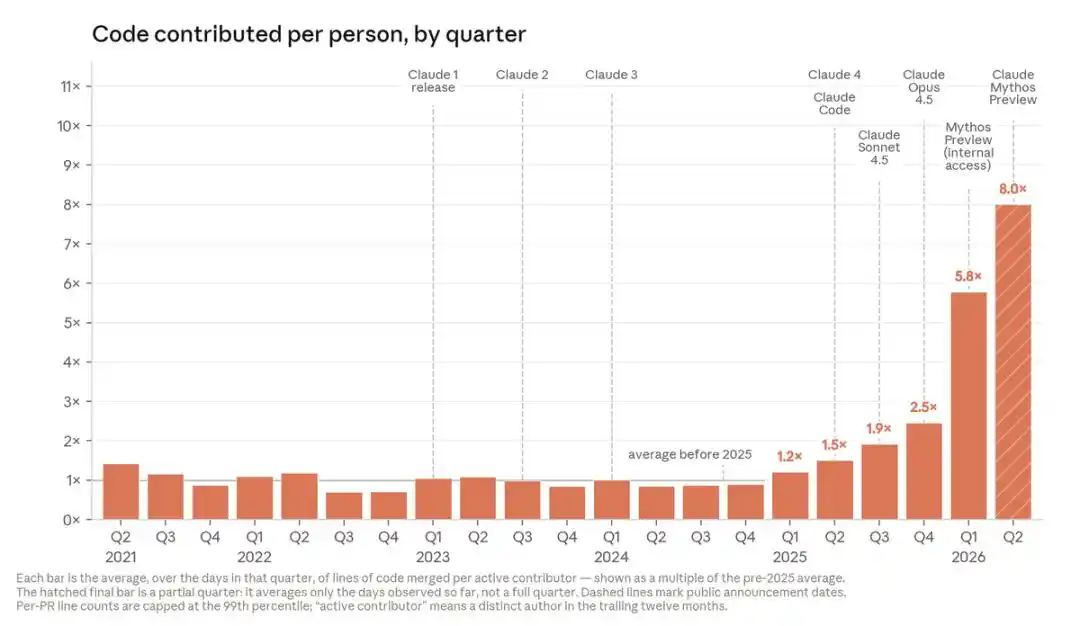
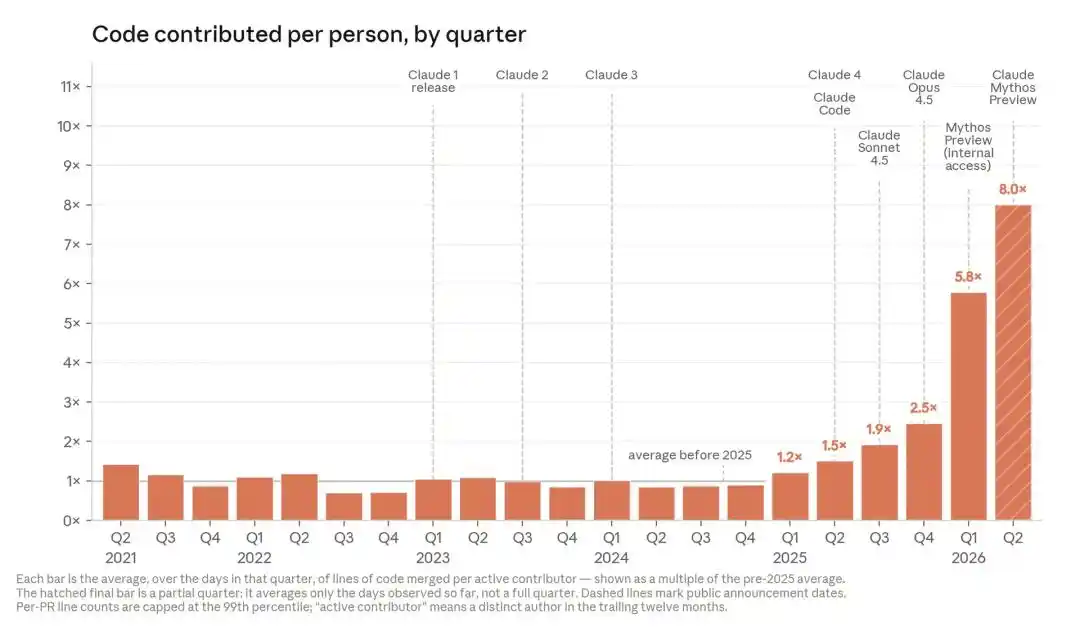
В то же время, средний объем кода, который инженеры Anthropic сдают за квартал, в 8 раз больше, чем в 2021-2025 годах.
Что еще важнее — качество —
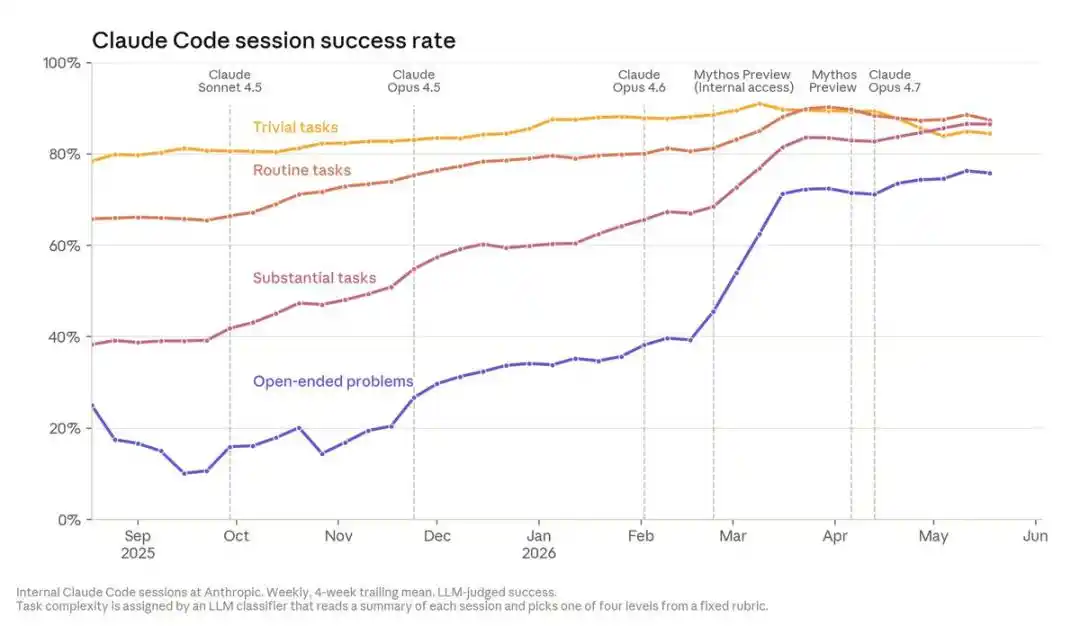
В самых открытых, самых нечетких программистских задачах, где даже неизвестно, как должен выглядеть ответ, успешность Claude сейчас составляет 76%, а полгода назад было всего 26%.
Скачок на 50 процентных пунктов. За полгода.
Внутри Anthropic уже многие инженеры считают, что качество кода, написанного Claude, сравнимо с человеческим.
Ожидается, что в этом году превзойдет.
Anthropic также подчеркивает, что если эта тенденция сохранится, то ИИ сможет сам проектировать и создавать следующее поколение ИИ.
Это может полностью изменить общество, принести огромные выгоды в сфере медицины, технологий, экономики. Но также может усугубить проблему согласованности (alignment), что в конечном счете приведет к потере контроля.
Поэтому Anthropic первой призывает:
Если существует верифицируемый механизм, гарантирующий, что лаборатории ИИ действительно не гонятся втихую, мы готовы замедлиться или даже приостановить работу.
Помимо этого, в этом посте Anthropic высказала и много других интересных мнений и фактов.
Ниже приведена версия, адаптированная для удобства чтения.
Наслаждайтесь.
Длинный пост Anthropic задает тон
Закон Мура пришел в мир ИИ
Anthropic создала новое измерение оценки, названное «Продолжительность задачи, которую ИИ может выполнить самостоятельно».
В марте 2024 года Claude Opus 3 мог справиться с программной задачей, на которую человеку потребовалось бы примерно 4 минуты.
Год спустя, Claude Sonnet 3.7 — 1,5 часа.
Еще через год, Claude Opus 4.6 — 12 часов.
А новейший Mythos, по данным внутреннего тестирования, показывает:
Может работать непрерывно «как минимум» 16 часов, что уже достигло предела измеримости тестовой системы METR.
Эта скорость удвоения увеличилась с прежнего удвоения каждые 7 месяцев до удвоения каждые 4 месяца.
Если тенденция сохранится, в 2027 году это могут быть уже несколько недель.
Claude написал большую часть кода Anthropic
По состоянию на май 2026 года, более 80% кода в моем репозитории Anthropic написаны Claude.
До выпуска Claude Code эта цифра всегда оставалась однозначной.
Это изменение также отражается на рабочем процессе инженеров.
В первые четыре года работы Anthropic количество строк кода, которые инженеры мержили ежедневно, оставалось в целом неизменным.
В 2025 году, когда Claude начал писать код сам, число мержей внезапно пошло вверх.
Сегодня, во втором квартале 2026 года, дневной объем мержа кода инженерами в 8 раз больше, чем в 2024 году.
Однако, объем кода вырос, а качество не снизилось?
Anthropic говорит, что за этот год инженеры стали все реже поправлять Claude.
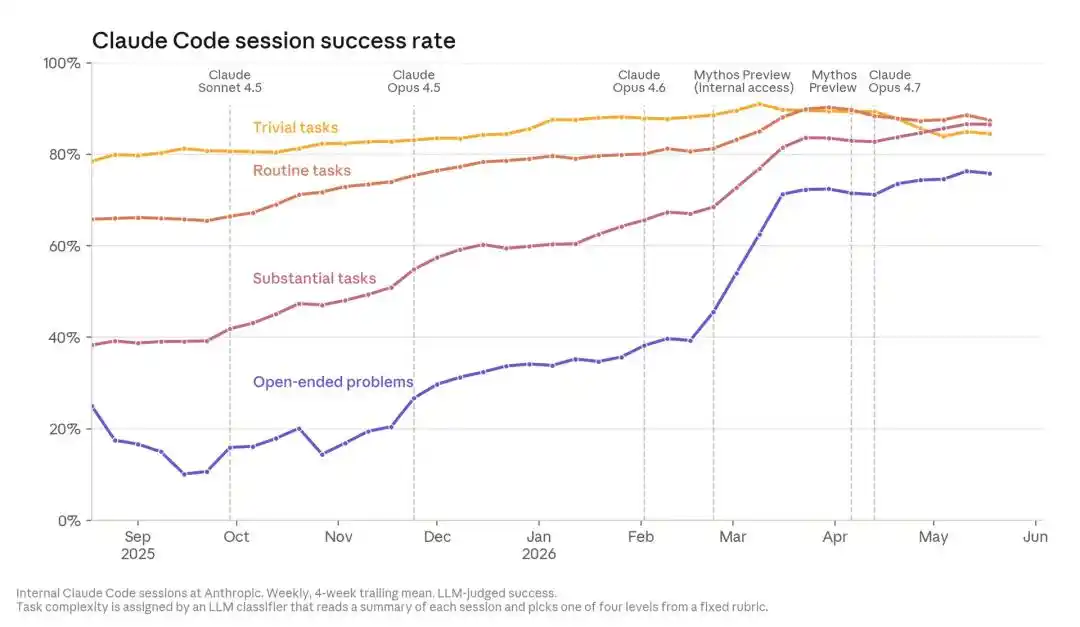
Это видно и по бенчмаркам, как показано на рисунке ниже.
Во всех типах задач разной сложности успешность Claude без исключений резко возросла.
Поэтому Anthropic теперь просто использует Claude для ревью кода.
Да, все изменения, вносимые в репозиторий, сначала проходят автоматическую проверку Claude, которая ищет баги, уязвимости безопасности и другие дефекты.
Их ретроспективный анализ показал, что если бы такая автоматическая проверка была раньше для каждого изменения, около трети багов, которые приводили к инцидентам на claude.ai, были бы отловлены до выхода в продакшн.
Учитывая, что код писали инженеры, которые уже являются одними из лучших в мире по созданию систем ИИ.
Claude ловит их ошибки.
Увеличительное стекло для креативности
Далее, степень участия Claude в исследовательской работе.
В Anthropic есть практика: при каждом выпуске новой модели давать Claude код для обучения небольшой модели ИИ и просить оптимизировать скорость выполнения до максимума при сохранении корректности.
В мае 2025 года Claude Opus 4 показал результат: ускорение в 3 раза.
В апреле 2026 года Claude Mythos Preview достиг 52 раз.
Для справки, опытному человеку-исследователю требуется от 4 до 8 часов, чтобы с трудом достичь 4-кратного ускорения.
Менее чем за год Claude превзошел человека.
В апреле 2026 года Anthropic дала Claude исследовательскую задачу по безопасности ИИ, суть которой — «может ли слабая модель надежно контролировать сильную модель», а затем поручила Claude самому выдвигать гипотезы, проводить эксперименты......
Сначала о человеческих результатах: два человека-исследователя потратили около недели и сократили разрыв на 23%.
А Claude, примерно за 800 часов, потратив около 18 000 долларов на вычислительные мощности —
сократил разрыв на 97%.
Куда мы идем?
К этому моменту вывод уже ясен.
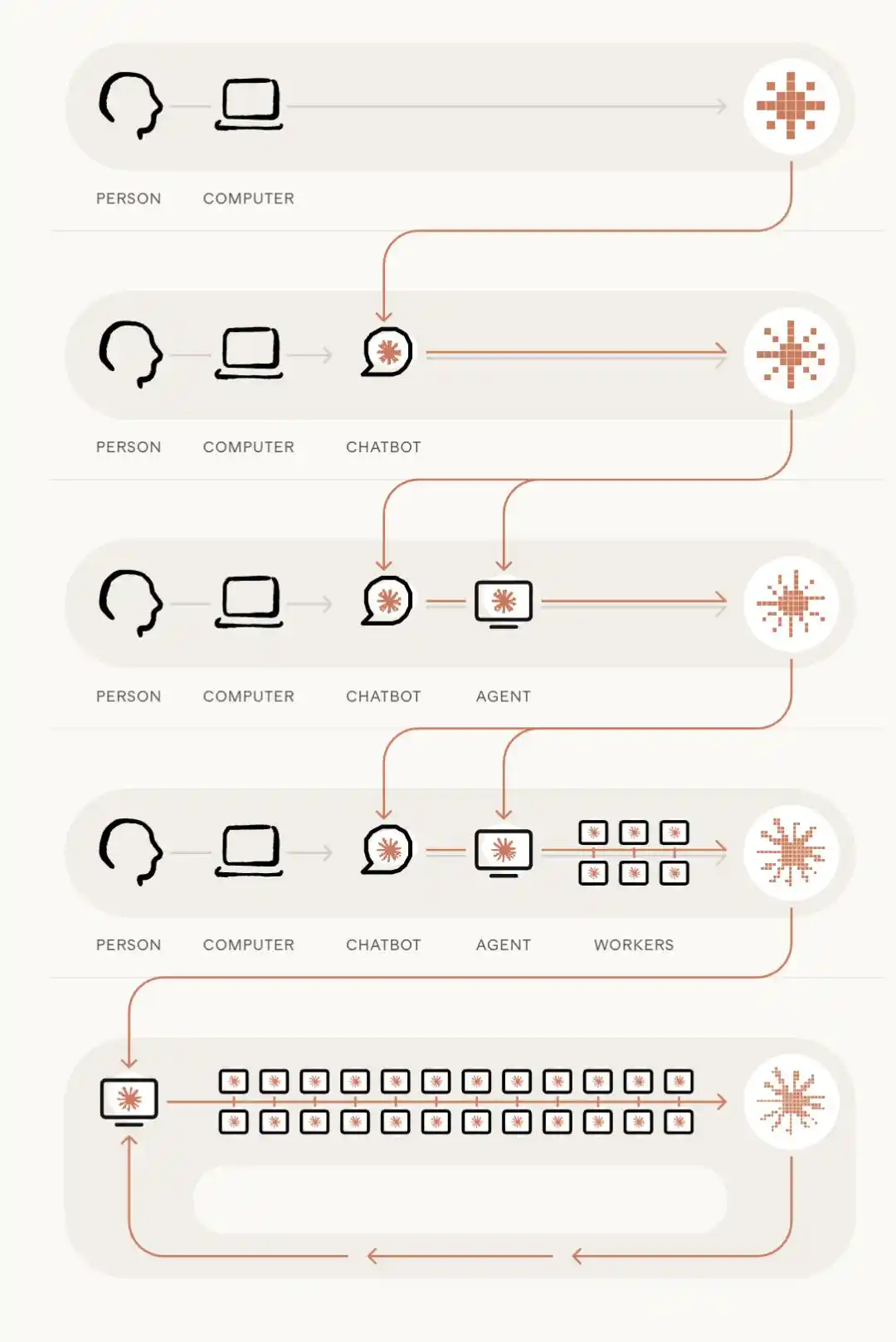
Роль человека в процессе разработки ИИ сужается на каждом этапе.
Код пишет Claude. Ревью кода делает Claude. Выполнение экспериментов — Claude быстрее человека на порядок. Дизайн экспериментов — Claude начинает делать сам......
Единственное оставшееся сравнительное преимущество человека — это исследовательский вкус и способность к суждению.
Но как долго продержится это преимущество?
В блоге Anthropic говорит, что они тоже не уверены.
Один из возможных сценариев: «исследовательский вкус», как и другие вещи, которые ИИ раньше не умел, сначала недостижим, а потом внезапно достигается.
Как и понимание юмора, демонстрация теории разума, решение языковых головоломок — все прошло по той же кривой.
Другой возможный сценарий: даже если Claude никогда не научится настоящему исследовательскому вкусу, лишь нынешние тенденции ускорения уже увеличили объем работы, которым может одновременно управлять каждый человек-исследователь, в несколько раз.
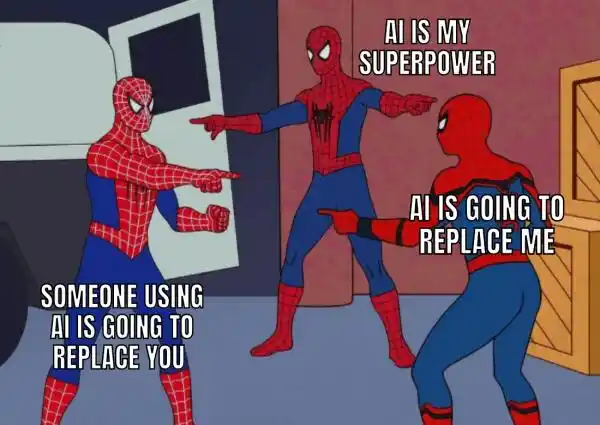
Вам не нужно, чтобы ИИ полностью заменял вас в мышлении, ему достаточно взять на себя всю «исполнительную» работу, и тогда вам останется только выбирать направление — те самые 5%.
Три возможных будущего для RSI
В конце поста Anthropic описывает три возможных направления развития этой тенденции «самоэволюции».
1. Застой.
Те экспоненциальные кривые на самом деле S-образные кривые.
Возможно, исследовательская способность к суждению — это как раз то, что нельзя решить масштабированием, требуется принципиально новый архитектурный прорыв.
Или же узким местом станут энергия, чипы, физические цепочки поставок вычислительных мощностей.
Тем не менее, даже если возможности ИИ останутся на сегодняшнем уровне, это все равно принесет миру серьезные изменения.
Как в недавнем Project Glasswing, где Mythos Preview за первые несколько недель после запуска обнаружил более десяти тысяч критических и серьезных уязвимостей в программном обеспечении по всему миру, в самых важных системах.
2. ИИ продолжает ускоряться, но человек остается за рулем.
Эффективность организаций будет расти экспоненциально, компания из 100 человек будет делать работу 10 000 или даже 100 000 человек.
Anthropic считает, что мы, скорее всего, движемся именно к этому сценарию.
Но они также заметили интересное явление — проявление закона Амдала в организациях.
Claude начал писать код очень быстро, и ревью кода стало новым узким местом. Различные новые идеи, инструменты, эксперименты возникают взрывным образом, превышая способность организаций их переваривать.
Узкое место не исчезает, оно просто смещается на следующий этап.
3. ИИ достигает полного рекурсивного самосовершенствования и начинает создавать следующее поколение себя самого.
В этом сценарии скорость развития ИИ полностью зависит от вычислительных мощностей. Человек отходит на позиции надзора, верификации, проверки.
Если это действительно произойдет, эта способность, вероятно, распространится и на другие научные области — медицину, материаловедение, энергетику, все взлетит.
Конечно, есть и другое будущее — провал согласованности (alignment).
В этом случае смещение будет накапливаться в процессе самоитерации ИИ и в конечном итоге — приведет к полной потере контроля.
Итог
Это ключевые моменты, изложенные Anthropic в этом посте о самоэволюции.
Честно говоря, поначалу я не воспринял это всерьез, ведь Anthropic скоро проведет IPO, неужели это не типичный «антропический» пиар?
А вот и нет, на этот раз все может быть по-другому.
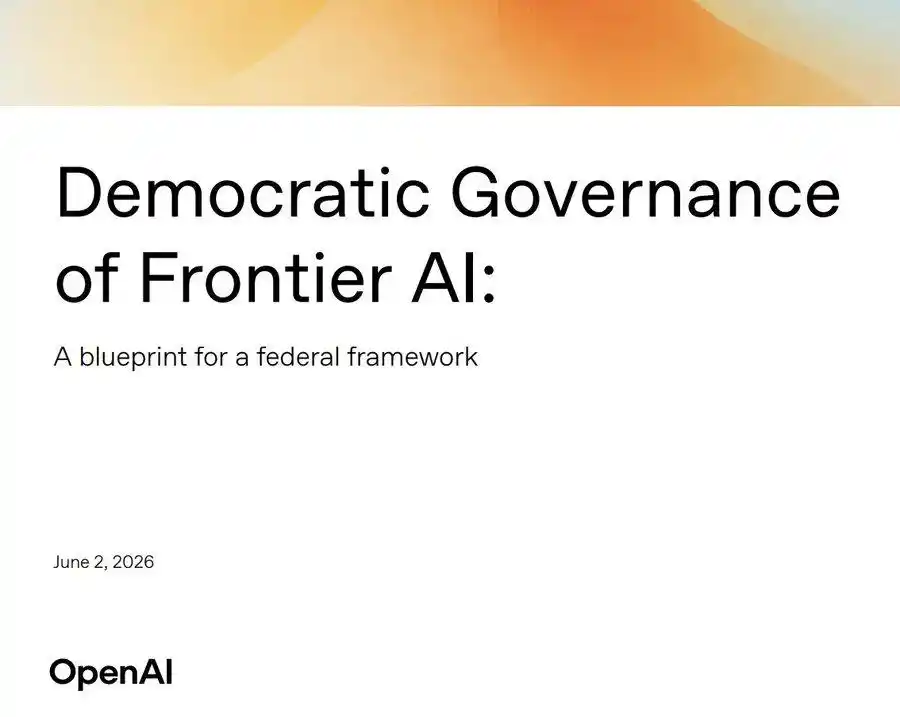
Потому что всего несколько дней назад OpenAI также опубликовала аналогичный пост в блоге:
Мы также видим ранние признаки самоэволюции в современных системах: само развитие ИИ также ускоряется ИИ. Мы ожидаем, что это усилит конкурентное давление между разработчиками и государствами и создаст проблемы управления, с которыми нынешние институты не смогут справиться. С появлением RSI обществу потребуются способы формирования траектории развития ИИ, чтобы обеспечить его служение интересам человечества.
Сингулярность, кажется, наступает быстрее, чем ожидал кто-либо.
Блог:https://www.anthropic.com/institute/recursive-self-improvement
Ссылки для справки:[1]https://x.com/kimmonismus/status/2062517474277675102[2]https://x.com/anthropicai/status/2062568873321513443
Эта статья из официального аккаунта WeChat «Qubit», автор: Фокус на передовых технологиях