# Regulation Related Articles

HTX News Center provides the latest articles and in-depth analysis on "Regulation", covering market trends, project updates, tech developments, and regulatory policies in the crypto industry.

The Dilemmas and Future of Web3 Chinese Entrepreneurs

In the increasingly mainstream crypto industry, Chinese entrepreneurs appear to be receding from the center stage. While early Chinese-founded projects like Binance, OKX, and Bitmain once dominated sectors such as exchanges and mining, a noticeable decline in the visibility and influence of new-generation Chinese entrepreneurs has emerged since the 2020 DeFi Summer. Three major factors contribute to this trend. First, regulatory crackdowns and shifting geopolitical dynamics in China disrupted local crypto activities, forcing entrepreneurs to relocate overseas and lose their native market advantages in user acquisition and community building. Second, capital preferences have shifted structurally toward欧美-led ventures due to better compliance alignment and exit opportunities, leaving Chinese projects at a funding disadvantage. Third, a mismatch exists between the skill sets of Chinese engineers—who excel in B2C applications—and the industry’s earlier focus on B2B infrastructure development. Notable exceptions, like Hyperliquid’s Jeff Yan, highlight the rising importance of multicultural backgrounds. Many successful new-wave founders have Western education or experience, enabling better integration into global ecosystems. The article concludes that future success in crypto will depend less on cultural origin and more on cross-cultural collaboration, long-term technical commitment, and adaptive resilience amid regulatory complexity.

marsbit12/15 14:32

The Dilemmas and Future of Web3 Chinese Entrepreneurs

marsbit12/15 14:32

Does Encryption Becoming 'Boring' Signal Its Formal Entry into the Mainstream Application Stage?

The article argues that the perceived "boredom" in cryptocurrency signals its maturation into mainstream adoption, driven by regulatory clarity, particularly around stablecoins. This stability allows projects to shift from serving crypto-natives to building practical, regulated products for the mass market. The author highlights that while early crypto ideals like anonymity were initially celebrated, they became a barrier to scale due to compliance needs. The current phase involves pragmatic, "boring" solutions, such as the "stablecoin sandwich," which bridges traditional finance and blockchain but reintroduces intermediaries to handle compliance and data verification. A key future direction is Proof of Personhood, exemplified by Worldcoin's efforts to distinguish humans from bots using biometric verification. This is positioned as essential for scaling payments and combating fraud. Worldcoin's new wallet, integrating global bank accounts and a Visa card, demonstrates that user demand is for seamless financial tools, not necessarily new tokens. Additionally, the rise of "Mini Apps" allows developers to bypass app store fees, while decentralized messaging (e.g., XMTP) offers privacy-focused communication. The conclusion is that crypto's infrastructure is finally becoming practical and regulated, just as AI advances make cryptographic verification of truth increasingly critical.

比推12/15 13:44

Does Encryption Becoming 'Boring' Signal Its Formal Entry into the Mainstream Application Stage?

比推12/15 13:44

A7A5 Outlines Conditions for Development of Non-Dollar Stablecoin Market

A7A5, the issuer of the largest ruble-backed stablecoin by market capitalization (over $524 million), has outlined the necessary conditions for the development of the non-dollar stablecoin market. According to Oleg Ogienko, Director of International and Regulatory Affairs, expanding this ecosystem requires connecting different legal regimes to enable businesses to operate "without friction." He made these remarks at the Global Blockchain Show in Abu Dhabi, noting a growing interest from Middle Eastern countries in collaborating with Russia and the CIS, where demand for non-dollar payment corridors is increasing. The company is focusing on global expansion, recently participating in key industry events in India and the UAE. A7A5 sees India as a crucial hub for international payments and Web3 ecosystems, and the Middle East as a dynamic center for digital finance innovation connecting Asia, CIS, Africa, and Europe. Ogienko emphasized that true innovation is only possible through partnership with regulators, not opposition. Transparency, auditability, and clear rules are key to building trust. He stated that ecosystems like A7A5 are becoming primary tools for regional economic integration. To improve the accessibility of its ruble stablecoin for users and businesses in Asia, Africa, and South America, the company plans integrations with international platforms and wallets that support stablecoins. In a significant regulatory development, the A7A5 stablecoin was the first in Russia to be recognized by the CFA at the end of September, granting Russian importers and exporters the legal ability to use the tokens for cross-border settlements.

RBK-crypto12/15 12:30

A7A5 Outlines Conditions for Development of Non-Dollar Stablecoin Market

RBK-crypto12/15 12:30

Crypto Prediction in the Gray Zone: Alliance Formation, Regulatory Pressure, and the Battle for the Future

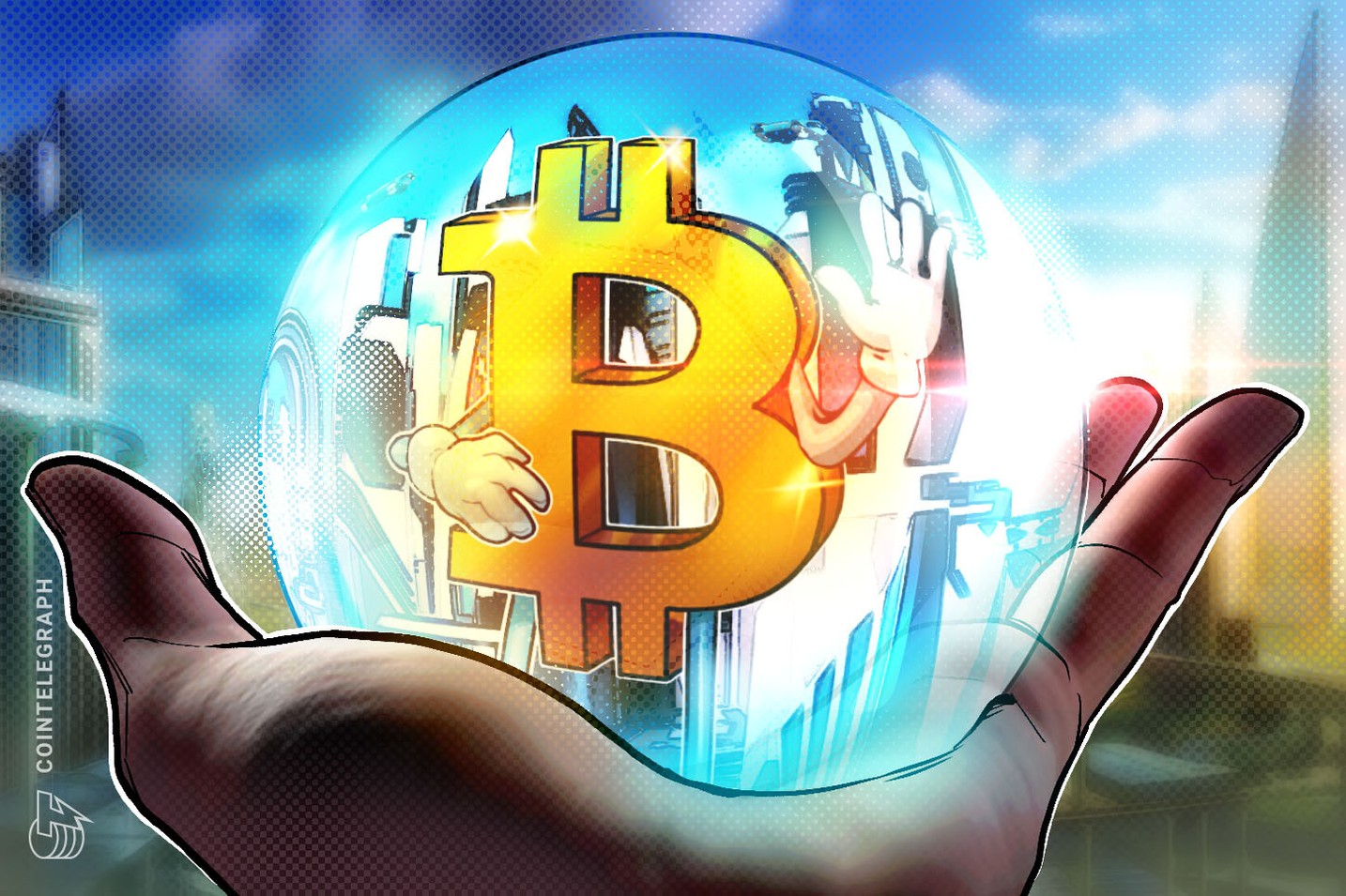
The article "Encrypted Predictions in the Gray Area: Alliances, Regulatory Pressure, and Future Debates" discusses the recent formation of the "Prediction Market Alliance" by Kalshi and Crypto.com, joined by Coinbase, Robinhood, and Underdog. This alliance aims to unify the industry's voice and promote a balance between regulation, liquidity, and trust in the rapidly growing but legally ambiguous encrypted prediction market sector. Unlike traditional gambling, encrypted prediction markets operate on blockchain or crypto-based event-trading mechanisms. Users trade contracts on uncertain outcomes like elections or sports events, with prices reflecting collective market probability assessments. Key differences from traditional betting include market-driven pricing (rather than house-set odds), continuous trading opportunities, and a focus on information discovery rather than entertainment. The market is bifurcated into crypto-native platforms like Polymarket (global, blockchain-based) and regulated entities like Kalshi (U.S.-approved). While these markets are expanding quickly—evidenced by surging trading volumes around events like U.S. elections—they face significant challenges: regulatory uncertainty, liquidity instability (high activity around events but drops afterward), and disputes over outcome resolution standards. The alliance seeks to advocate for responsible and transparent development amid growing consumer interest and evolving regulations. However, major players like Polymarket, DraftKings, and FanDuel have not joined, indicating divergent strategies within the industry. The future of encrypted prediction markets hinges on achieving scalable liquidity and long-term trust within a regulatory-acceptable framework.

cointelegraph_中文12/15 09:34

Crypto Prediction in the Gray Zone: Alliance Formation, Regulatory Pressure, and the Battle for the Future

cointelegraph_中文12/15 09:34

Imbalance in Returns Amid High Correlation: Why is Capital Being 'Squeezed Out' of Altcoins?

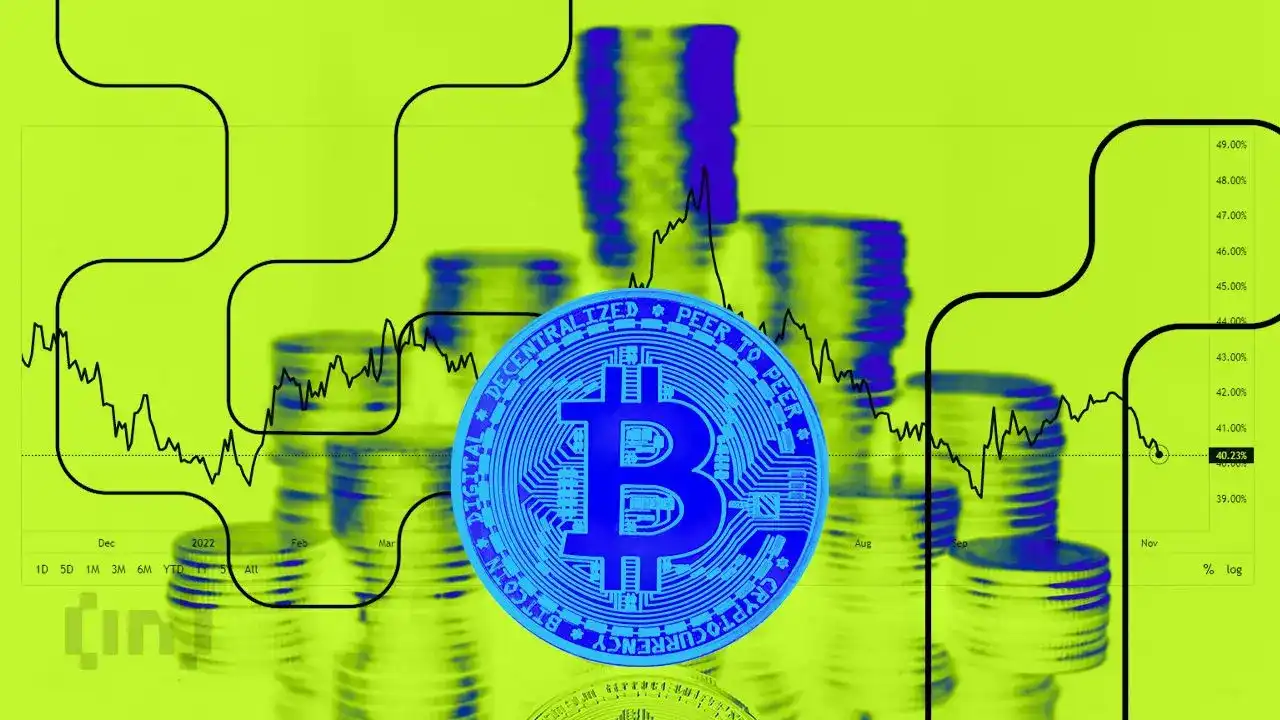
Over the past year, a stark divergence has emerged between cryptocurrency and U.S. equity markets. While the S&P 500 and Nasdaq 100 have posted significant gains, altcoins have experienced a severe downturn, indicating a structural shift of capital toward higher-quality assets. Major indices like the S&P 500 and Nasdaq 100 rose substantially in 2024 and 2025 with relatively low drawdowns. In contrast, the CoinDesk 80 Index, tracking altcoins outside the top 20 cryptocurrencies, plummeted over 46% in Q1 2025 and was down 38% year-to-date by mid-July. A key driver is the "return imbalance under high correlation." Despite a correlation of 0.9 between major cryptocurrencies (CoinDesk 5 Index) and altcoins (CoinDesk 80), their returns diverged drastically. The former gained 12-13%, while the latter fell nearly 40%. The risk-adjusted return gap is even wider. Altcoin indices showed volatility similar to or higher than equities but delivered deeply negative returns and negative Sharpe ratios. Over five years, a small-cap crypto index returned -8%, while a large-cap index surged 380%. Trading data shows capital is not exiting crypto but flowing up the quality curve. Volume is concentrating in the top 10 altcoins and "institutional-grade" assets like Solana and XRP with regulatory clarity. Bitcoin and Ethereum ETFs are attracting sustained institutional inflows. Consequently, diversification into altcoins has lost its appeal. Their high correlation with major cryptos negates diversification benefits while adding risk. The market's logic has shifted: capital is now focused on regulated, liquid assets, squeezing out lower-quality altcoins.

marsbit12/15 09:08

Imbalance in Returns Amid High Correlation: Why is Capital Being 'Squeezed Out' of Altcoins?

marsbit12/15 09:08

Pakistan, from 'Iron Brother' to 'On-Chain Iron'?

Pakistan is strategically embracing cryptocurrency and blockchain technology as a key part of its economic transformation. In December 2025, the Pakistan Virtual Asset Regulatory Authority (PVARA) granted No Objection Certificates (NOCs) to two major global crypto exchanges, signaling a significant regulatory shift. With over 40 million digital asset users and an estimated annual trading volume exceeding $300 billion, Pakistan ranks third globally in crypto adoption. The country’s crypto growth has been largely grassroots-driven, fueled by high smartphone penetration (over 70%), a young population, and significant overseas remittances—over $30 billion annually—which can be processed faster and cheaper via cryptocurrencies like USDT. Pakistan’s geographic location also positions it as a potential hub for digital asset flows in South and Central Asia. Under the new regulatory framework, Pakistan is exploring a $2 billion national asset tokenization initiative, aiming to digitize sovereign bonds, treasury bills, and commodities like oil and gas to enhance transparency and attract foreign investment. This initiative aligns with broader efforts to formalize and monetize the country’s growing crypto economy while mitigating risks like fraud and money laundering. The move reflects a strategic pivot from informal adoption to state-sanctioned experimentation, positioning Pakistan as an emerging player in the global digital economy and a case study for other developing nations facing similar economic challenges.

深潮12/15 08:07

Pakistan, from 'Iron Brother' to 'On-Chain Iron'?

深潮12/15 08:07

活动图片