Lễ hội chip đang hạ nhiệt? M. Wilson từ Morgan Stanley: Tiền đang chuyển hướng sang các đại gia siêu máy tính AI như Microsoft, Amazon

链捕手Published on 2026-07-06Last updated on 2026-07-06

Abstract

Thị trường chứng khoán Mỹ khó có thể lập đỉnh mới trong ngắn hạn. Theo Michael Wilson, chiến lược gia tại Morgan Stanley, dòng tiền đang dịch chuyển khỏi các cổ phiếu bán dẫn vốn tăng mạnh từ đầu năm để chuyển sang các công ty siêu máy chủ AI (hyperscalers) như Microsoft, Amazon và Meta. Chỉ số Philadelphia Semiconductor đã giảm gần 14% so với đỉnh lịch sử hồi tháng trước, cho thấy động lực của ngành bán dẫn đang suy yếu do áp lực định giá. Trong khi đó, nhóm cổ phiếu siêu máy chủ được cho là có không gian tăng giá bù đắp, dù họ có thể điều chỉnh kế hoạch chi tiêu vốn. Wilson cũng dự đoán sự luân chuyển tiền có thể mở rộng sang các lĩnh vực khác như hàng tiêu dùng không thiết yếu, vận tải và công nghệ sinh học. Chiến lược gia Mislav Matejka của JPMorgan cũng đồng quan điểm, cho rằng đà tăng thị trường sẽ mở rộng ra ngoài lĩnh vực công nghệ trong nửa cuối năm. Wilson duy trì mục tiêu chỉ số S&P 500 ở mức 8000 điểm vào cuối năm, ngụ ý tiềm năng tăng khoảng 7% từ mức hiện tại, nhưng cảnh báo về rủi ro biến động trong ngắn hạn.

Tác giả: Bố Thục Tình, Phố Wall Thấy và Nghe

Thị trường chứng khoán Mỹ khó có thể lập đỉnh mới trong ngắn hạn, khi vốn đang chảy ra khỏi các cổ phiếu bán dẫn tăng mạnh nhất trong năm và chuyển hướng sang các nhà cung cấp dịch vụ điện toán đám mây siêu quy mô (hyperscalers) AI.

Michael Wilson, chiến lược gia trưởng về cổ phiếu tại Morgan Stanley, chỉ ra trong báo cáo mới nhất rằng động lực của ngành bán dẫn đang suy giảm, và nhà đầu tư bắt đầu chuyển sang các đại gia siêu máy tính AI có hiệu suất kém hơn trong năm nay, bao gồm Microsoft, Amazon và Meta.

Ông cho rằng, vòng xoay luân chuyển này diễn ra trong bối cảnh thị trường chứng khoán tổng thể dao động yếu, khiến các chỉ số chính tiếp tục chịu áp lực. Wilson đồng thời duy trì mục tiêu giá cuối năm cho S&P 500 ở mức 8000 điểm, cho thấy khoảng không gian tăng trưởng còn lại khoảng 7% so với mức hiện tại.

Tác động trực tiếp của nhận định này lên thị trường là: Các cổ phiếu chip vốn dẫn đầu làn sóng AI trước đó đối mặt với áp lực định giá, trong khi các đại gia siêu máy tính với hoạt động kinh doanh cốt lõi mạnh mẽ có khả năng trở thành điểm đặt chân mới của dòng vốn. Đồng thời, Mislav Matejka, chiến lược gia tại JPMorgan Chase, cũng có quan điểm tương tự, cho rằng đà tăng của thị trường sẽ lan tỏa ra ngoài nhóm ngành công nghệ vào nửa cuối năm.

Động lực chip suy giảm, áp lực định giá hiện rõ

Chỉ số Philadelphia Semiconductor Index (SOX) đã giảm gần 14% kể từ khi lập đỉnh lịch sử vào tháng trước, trong khi lo ngại về bong bóng định giá tiếp tục gia tăng. Tuy nhiên, chỉ số này vẫn tăng tích lũy 123% kể từ tháng 9 năm ngoái, cho thấy mức tăng trước đó là rất lớn.
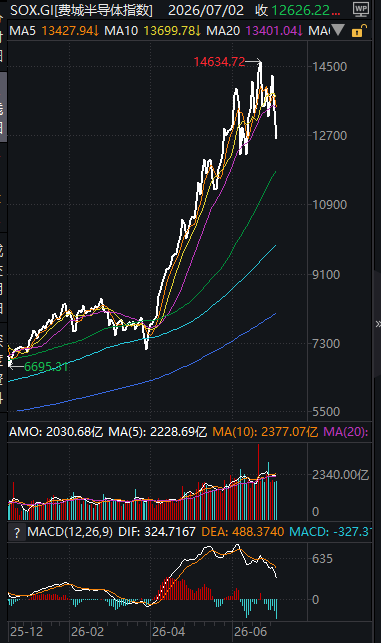
Dự báo doanh thu vượt kỳ vọng do Micron Technology công bố vào tháng trước đã không thể thúc đẩy cổ phiếu chip tiếp tục tăng cao, điều này càng củng cố thêm về sự suy giảm động lực của ngành. Hiện tại, các nhà đầu tư đang chờ đợi thông tin từ Nvidia và các công ty khác để có thêm manh mối về nhu cầu chip AI.

Wilson chỉ ra rằng, sự tan rã động lực đang xảy ra ở những công ty có trọng số lớn trong chỉ số, điều này sẽ khiến các chỉ số chuẩn chính của Mỹ tiếp tục chịu áp lực trong ngắn hạn. Chỉ số S&P 500 đã dần giảm sau khi chạm đỉnh vào đầu tháng 6.

Các đại gia siêu máy tính: Khu vực giá trị thấp trong hệ sinh thái AI

Wilson cho biết, ông có xu hướng ưa chuộng các đại gia siêu máy tính hơn là các cổ phiếu liên quan đến bán dẫn trong thời gian gần đây. Ông tin rằng, các công ty như Microsoft, Amazon, Meta có sức hút trong hệ sinh thái AI, cốt lõi nằm ở việc hoạt động kinh doanh cơ bản mạnh mẽ của họ cung cấp sự hỗ trợ vững chắc.

Ngược lại, theo dữ liệu của Bloomberg, rổ cổ phiếu các đại gia siêu máy tính do UBS Group biên soạn đã giảm tích lũy 2% kể từ tháng 9 năm ngoái, tạo nên sự tương phản rõ rệt với mức tăng của nhóm bán dẫn và cũng cho thấy nhóm này có không gian tăng bù tương đối.

Tuy nhiên, Wilson đồng thời dự đoán, các đại gia siêu máy tính có thể bắt đầu hạ thấp kỳ vọng về kế hoạch chi tiêu vốn của họ, để đáp lại những lo ngại gần đây của thị trường về việc đầu tư quá mức vào AI. Triển vọng chi tiêu vốn sẽ trở thành chủ đề cốt lõi mà các nhà đầu tư quan tâm trong giai đoạn tiếp theo.

Phạm vi luân chuyển mở rộng, cơ hội ngoài công nghệ xuất hiện

Logic luân chuyển của Wilson không chỉ giới hạn trong nhóm siêu máy tính. Ông cũng lạc quan rằng các nhóm ngành tiêu dùng tự chọn, vận tải và công nghệ sinh học sẽ hưởng lợi từ dòng tiền chảy ra khỏi cổ phiếu chip.

Chiến lược gia Mislav Matejka từ JPMorgan có quan điểm nhất trí với Wilson, cho rằng đà tăng của thị trường sẽ mở rộng ra ngoài nhóm ngành công nghệ vào nửa cuối năm. "AI khó có thể là câu chuyện duy nhất trên thị trường," Matejka viết trong báo cáo nghiên cứu.

Đáng chú ý, Wilson trước đây đã dự đoán chính xác rằng thị trường chứng khoán Mỹ sẽ duy trì sức mạnh dựa trên lợi nhuận doanh nghiệp mạnh mẽ giữa các rủi ro địa chính trị, điều này làm tăng thêm giá trị tham khảo cho nhận định hiện tại của ông. Mục tiêu giá cuối năm S&P 500 ở mức 8000 điểm của ông có nghĩa là vẫn còn khoảng 7% tiềm năng tăng từ mức hiện tại, nhưng rủi ro biến động ngắn hạn không thể xem nhẹ.


Trending Cryptos

Related Questions

QMichael Wilson, chiến lược gia tại Morgan Stanley, đưa ra nhận định gì về dòng tiền trên thị trường chứng khoán Mỹ?

AMichael Wilson cho rằng dòng tiền đang chảy ra khỏi các cổ phiếu bán dẫn - vốn tăng mạnh nhất từ đầu năm, và dịch chuyển sang các công ty siêu máy tính AI (AI hyperscalers) như Microsoft, Amazon và Meta.

QChỉ số nào cho thấy động lực của ngành bán dẫn đang suy giảm và mức điều chỉnh là bao nhiêu?

AChỉ số Philadelphia Semiconductor Index (SOX) đã giảm gần 14% kể từ khi đạt đỉnh lịch sử vào tháng trước, cho thấy động lực đang suy yếu.

QTheo Wilson, tại sao các công ty siêu máy tính AI như Microsoft, Amazon, Meta lại hấp dẫn nhà đầu tư lúc này?

AWilson cho rằng họ hấp dẫn vì có nghiệp vụ cốt lõi mạnh mẽ làm nền tảng vững chắc trong hệ sinh thái AI, đồng thời nhóm cổ phiếu này đã tụt hậu so với đà tăng của bán dẫn, tạo ra không gian bù đắp tương đối.

QNgoài các công ty siêu máy tính AI, Michael Wilson còn đề xuất những lĩnh vực nào có thể hưởng lợi từ làn sóng luân chuyển vốn?

AÔng Wilson còn lạc quan về các lĩnh vực có thể hưởng lợi bao gồm hàng tiêu dùng không thiết yếu (consumer discretionary), vận tải (transportation) và công nghệ sinh học (biotech).

QMục tiêu giá chỉ số S&P 500 cuối năm của Michael Wilson là bao nhiêu và ý nghĩa mức tăng tiềm năng là gì?

AMichael Wilson duy trì mục tiêu giá S&P 500 cuối năm ở mức 8000 điểm. Mức này cho thấy tiềm năng tăng khoảng 7% từ mức giá hiện tại, mặc dù ông cũng cảnh báo về rủi ro biến động trong ngắn hạn.

Related Reads

Private Credit in US Dollar

Stablecoins are evolving into a new type of money market fund, channeling crypto deposits into the $2 trillion private credit market. This mirrors the 1970s innovation where money market funds pooled small deposits to buy high-yield government securities, bypassing bank restrictions. Today, platforms like Apollo's ACRED tokenized fund and Figure's on-chain lending system allow stablecoin holders to access institutional private credit strategies with no minimum investment, offering yields of 8-12%. On-chain tokenization enables greater liquidity and DeFi composability (e.g., using tokens as collateral for leveraged positions) compared to traditional, locked-up private credit funds. Consequently, on-chain private credit has grown 15x in a year to $5.87 billion, though it remains a tiny fraction (0.3%) of the global market. However, this model carries significant risks, as illustrated by the failure of Goldfinch. Launched in 2021, it directed crypto deposits to motorcycle loans in Kenya and Nigeria. Critical issues included a lack of local oversight, leading to unauthorized fund transfers and borrower defaults. With $56 million now trapped in non-performing loans, its collapse highlights that while blockchain streamlines capital transfer, the essential 90% of lending—underwriting, monitoring, and recovery—remains a costly, localized challenge. Success requires robust, traditional credit infrastructure, not just on-chain execution.

marsbit7m ago

Private Credit in US Dollar

marsbit7m ago

Goldman Sachs: How to Invest in Tech Stocks in the Second Half of the Year?

Goldman Sachs remains bullish on tech stocks in the second half of the year, advising a shift from "buying the sector" to "picking individual companies." The firm's latest report indicates the AI-driven tech cycle shows no signs of peaking, with supply exceeding demand or technological progress slowing yet to materialize. Recent pullbacks are viewed as healthy corrections following rapid gains, not a trend reversal. Three core investment themes are highlighted: 1) Maintain overweight positions in AI server and data center-related hardware stocks. 2) Conduct more nuanced risk-reward assessments in sub-sectors where supply and demand are tightening. 3) During periods of declining risk appetite, consider software and IT services companies leveraging AI to create new business opportunities as a defensive play. The report emphasizes that future outperformance will depend more on individual company competitiveness (alpha) rather than broad sector momentum (beta). Companies likely to excel are those benefiting from price increases, possessing strong capacity expansion capabilities, having undervalued AI growth potential, or holding unique catalysts. For defense, Goldman suggests focusing on AI-enabling software and service firms—such as those in AI consulting, data infrastructure, and cybersecurity—which may see efficiency gains and new demand, rather than retreating to traditional defensive sectors. Overall, the strategy balances offensive exposure to AI infrastructure with defensive positioning in AI-applicable software and services.

链捕手12m ago

Goldman Sachs: How to Invest in Tech Stocks in the Second Half of the Year?

链捕手12m ago

Wall Street's Take on the June Fed Meeting Minutes: Focus on Core Inflation, No Short-Term Urgency to Hike Rates

Wall Street's View on Fed June Minutes: Inflation is the Key, No Urgency for Near-Term Hike The minutes of the Federal Reserve's June FOMC meeting revealed a unified Wall Street interpretation: inflation remains the true determinant for future policy moves. Major institutions including Goldman Sachs, Morgan Stanley, and Citigroup concluded that the Fed remains data-dependent, with its path hinging on upcoming inflation data. Key takeaways from the minutes: * **No Immediate Tightening**: Despite "a few" participants seeing reasons to hike, none actively advocated for it at the June meeting. The consensus was to hold the federal funds rate steady at 3.5%-3.75%. * **Inflation as the Decisive Factor**: The Fed outlined two primary scenarios. If inflation declines "soon" toward the 2% target, "almost all" officials would support maintaining or eventually cutting rates. If inflation persists high due to factors like AI demand or supply shocks, "almost all" would see some policy tightening as necessary. * **Patience is Warranted**: Officials noted inflation remains above target but cited anchored inflation expectations and a labor market not currently driving price pressures as reasons for patience. The Fed is focused on the *direction* of inflation over the next few months. * **No Policy Framework Shift**: The minutes reaffirmed a data-dependent approach rather than a fundamental shift toward pre-emptive tightening. Institutional Forecasts: * **Morgan Stanley**: Expects rates on hold in 2026, with potential cuts in 2027 if inflation cools. * **Goldman Sachs**: Baseline scenario sees rates unchanged through 2026, with inflation moderating gradually. * **Citigroup**: Takes a more dovish view, suggesting market pricing for a July hike is too aggressive and forecasting potential rate cuts starting in late 2026. Overall, the minutes were perceived as marginally dovish, emphasizing a watchful stance on inflation data with no near-term urgency to hike.

marsbit18m ago

Wall Street's Take on the June Fed Meeting Minutes: Focus on Core Inflation, No Short-Term Urgency to Hike Rates

marsbit18m ago

Trump Earns $2.2 Billion Annually, Two-Thirds from Cryptocurrency, with 87 Stock Trades Daily

Former U.S. President Donald Trump reported a personal income exceeding $2.2 billion in 2025, the highest annual income for a sitting president, according to U.S. government financial disclosures. This income primarily stemmed from cryptocurrency ventures and investments, starkly contrasting the standard presidential salary of $400,000. More than two-thirds ($1.4 billion) of his income originated from cryptocurrency-related activities. This includes over $1 billion in Bitcoin and Ethereum holdings, approximately $800 million from World Liberty Financial (a crypto project co-founded with his son), and about $635 million from sales of the TRUMP meme coin. Overall, Trump family crypto operations reportedly generated over $2.3 billion in profit after his 2025 inauguration. Trump's stock portfolio showed heavy trading activity, with over 22,000 trades executed in 2025—averaging 87 trades per day. Major holdings included tech giants like Google, Apple, Nvidia, and Microsoft. Notably, some large-scale stock purchases coincided with major policy announcements, such as tariffs, raising questions about potential insider trading. His traditional business empire, centered on real estate and branding, contributed $575 million. Additionally, he earned nearly $60 million through numerous "DT Marks" licensing companies, which leverage the Trump brand globally in locations like Dubai and Abu Dhabi. The report highlights significant conflicts of interest, as countries like the UAE and Saudi Arabia, whose entities invested in Trump's businesses, later received favorable U.S. policy treatment. Trump has stated he delegates financial management and is not directly involved in day-to-day investment decisions.

Odaily星球日报19m ago

Trump Earns $2.2 Billion Annually, Two-Thirds from Cryptocurrency, with 87 Stock Trades Daily

Odaily星球日报19m ago

Trading

Spot

Hot Articles

Discussions

Welcome to the HTX Community. Here, you can stay informed about the latest platform developments and gain access to professional market insights. Users' opinions on the price of S (S) are presented below.

活动图片