ENS Has Quietly Completed a 'Self-Revolution'

marsbitDipublikasikan tanggal 2026-08-12Terakhir diperbarui pada 2026-08-12

Abstrak

On August 11th, the ENS DAO officially voted into effect the "Next Era of ENS DAO" proposal. This move by the crucial Ethereum domain name protocol establishes a legal entity, the ENS Foundation, to represent it in the real world—a long-missing piece after nearly a decade of operation. The proposal, initially introduced in June, sparked significant community debate. Critics feared it amounted to the DAO dissolving itself and handing over its treasury. The final version, however, represents a compromise, carefully balancing control. The DAO retains governance over its substantial ENS token holdings and its operational wallet. A $65 million endowment is delegated to the Foundation's Board but protected by a 9-day timelock and a Security Council veto. The DAO also holds ultimate power to appoint and remove Board members. The Foundation's role is to handle tasks the DAO is ill-suited for, such as legal representation, trademark enforcement, and engagement with traditional internet governance bodies like ICANN. This allows ENS Labs, the core development company, to focus on engineering, like the upcoming ENSv2. The five-member Foundation Board includes independent directors with provisions to manage conflicts of interest, particularly regarding funding to ENS Labs. This governance restructuring aims to create a clearer separation of duties: the DAO safeguards protocol neutrality, the Foundation handles real-world operations and diplomacy, and ENS Labs focuses on development. I...

Original author: Eric, Foresight News

At 8:00 PM Beijing time on August 11th, the ENS DAO formally voted to pass and execute the "Next Era of ENS DAO" proposal. After nearly a decade of operation, this most important domain name protocol on Ethereum has finally filled in a long-missing piece of the puzzle: a legal entity capable of representing it in the real world.

The story begins in June of this year. On June 19th, ENS Foundation Director Katherine Wu published a proposal on the governance forum, with the core idea being to delegate the DAO's daily operations, grant management, and long-term treasury strategy to a tangible, operational ENS Foundation.

This idea immediately ignited a firestorm within the community. Rotki founder Lefteris Karapetsas bluntly stated on X that this proposal essentially equated to the DAO dissolving itself and handing over a treasury worth nearly $500 million to the Foundation, even criticizing founder Nick Johnson for delegating half of his voting power to himself. An L2BEAT researcher, in anger, even started building an alternative domain name solution with no owner and no possibility of being rugged. At the peak of the debate, proposal author Katherine Wu posted a lengthy clarification but closed the comments section, which only attracted more skepticism.

The community's concerns were not unfounded. When that wave of DAOs was established in 2021, they all believed token-weighted governance could solve everything. However, after several years, problems such as voter fatigue, lack of accountability for grant recipients, and high coordination costs have plagued ENS just the same. Nick Johnson's response was frank: he stated that the DAO almost solely cared about how to spend the money in the treasury, and the low delegation rate precisely illustrated how difficult it is to maintain DAO security using token voting. In other words, this wasn't a question of whether to be decentralized, but rather what form of governance, like a DAO, is actually suitable for what tasks.

The final passed version showed significant concessions compared to the initial draft in June, which is precisely what makes this proposal worth examining in detail.

First, the approximately 54.6 million ENS tokens held by the DAO, representing 54.6% of the total supply, remain untouched, continuing to be controlled by token holders through on-chain mechanisms. The sole exception is a one-time transfer of 1 million ENS tokens, designated specifically for future employee compensation at the Foundation, which cannot participate in voting, be delegated, or lent/staked until they are vested.

Second, the operational wallet containing approximately $16 million in Ethereum and stablecoins also stays put, remaining under DAO control. The initial idea to also delegate the operational wallet to the Foundation was scrapped.

Third, although the roughly $65 million endowment fund is placed under the management of the Foundation's Board of Directors, every transaction is subject to a 9-day timelock, during which the Security Council can directly veto any unauthorized transaction. Before publishing its first annual budget, the Foundation can withdraw a maximum of $500,000 from the endowment fund for setup costs. Thereafter, annual expenditures are capped by the published budget and are subject to annual audits and quarterly grant reports.

In essence, the final solution splits the "keys to the treasury" into several parts: the Foundation holds one, the timelock holds one, the Security Council holds one, and DAO token holders always retain the master key, including the power to appoint and remove Directors. The removal process is also clearly defined: submitting a petition requires supporting evidence, the Board has a response window, there is a 30-day period between petition and vote, and impeached Directors can publicly present a written defense.

So what exactly will the Foundation do? The answer: things the DAO cannot do, and ENS Labs should not do.

ENS operates on-chain, but the rules of the domain name world are formulated in the meeting rooms of traditional institutions like ICANN, IETF, and W3C. A DAO lacks legal personhood; it cannot sign agreements, hire full-time employees, push for formal recognition of the ".ens" top-level domain at ICANN, nor initiate trademark enforcement against phishing websites impersonating ENS. Over the years, this work was either left undone or shouldered incidentally by ENS Labs, which is essentially an engineering company in Singapore, never intended to be the protocol's institutional representative.

The new Foundation's Board will have five seats. The Executive Director is Alexander Urbelis, who is also the General Counsel and Chief Information Security Officer at ENS Labs and previously served as CISO for the NFL. The Founder seat belongs to Nick Johnson. The three independent directors are: Kartik Talwar, Partner at A.Capital and co-founder of ETHGlobal; Brett Sun, co-founder of Prelude; and Anthony Leutenegger, CEO of Aragon. Independent directors receive an annual compensation of 40,000 USDC, which, if declined, is donated to a non-profit project of their designation. Conflict of interest clauses are detailed; decisions involving grants to ENS Labs require majority approval from independent directors, with the Founder seat automatically recusing itself from such votes.

For ENS Labs, this is also a form of unbinding. It can refocus its energy on product and engineering, concentrating on advancing ENSv2. In February this year, Labs made a rather decisive move by abandoning the plan to build its own L2 network, Namechain, and instead deploying ENSv2 directly on the Ethereum mainnet, citing Ethereum's own scaling having reduced registration gas costs by about 99%.

With the governance structure clarified, the true trinity of protocol, foundation, and development company, each fulfilling its distinct role, can finally take shape.

The impact of this proposal clearly extends beyond ENS. Over the past few years, the Web3 industry has witnessed numerous failures in DAO governance—either endless deliberation without decisions or domination by whales and professional governance players. The answer provided by ENS is to acknowledge the boundaries of token voting, letting it return to what it does best—guarding the protocol's neutrality—while delegating operations to a professional entity with budget constraints, audits, and a removal mechanism. The number of votes may decrease, but the weight of each vote will be heavier.

Of course, skepticism will not vanish. Handing administrative control of $65 million to a five-person board is, in essence, trading some design complexity for execution efficiency. The timelock and Security Council are technical fuses, but the real test lies in the first budget, the first grants, and the first appearance at an ICANN meeting after the inaugural board takes office. ENS aims to prove that critical internet infrastructure can be both credibly neutral and have someone to represent it at real-world negotiation tables. The outcome of this experiment will serve as a reference point for the entire DAO industry in the coming years.

Kripto yang Sedang Tren

Pertanyaan Terkait

QWhat was the core proposal that sparked controversy in the ENS DAO community in June, and what was the primary concern raised against it?

AThe core proposal, introduced by ENS Foundation board member Katherine Wu, was to hand over the DAO's daily operations, grant management, and long-term funding strategy to a formalized ENS Foundation entity. The primary concern raised, notably by Rotki founder Lefteris Karapetsas, was that this essentially meant the DAO was dissolving itself and ceding control of its nearly $500 million treasury to the foundation, raising fears of centralization and misappropriation.

QHow does the final, approved version of the ENS DAO proposal address concerns about treasury control compared to the initial draft?

AThe final version makes significant concessions on treasury control. The DAO retains full control over its 54.6 million ENS tokens (54.6% of supply) on-chain. The operational wallet holding ~$16M in crypto also stays under DAO control, unlike the initial draft. A ~$65M endowment fund is managed by the Foundation board but with a 9-day timelock on all transactions, during which a Security Council can veto any unauthorized moves. Spending from the endowment is also capped and subject to annual budgets, audits, and quarterly reporting.

QAccording to the article, what specific real-world tasks is the new ENS Foundation designed to handle that the DAO and ENS Labs could not effectively do?

AThe ENS Foundation is designed to handle legal and institutional tasks requiring a formal legal entity. This includes engaging with traditional bodies like ICANN, IETF, and W3C to push for official recognition of the '.ens' top-level domain, enforcing trademark rights against phishing sites impersonating ENS, signing agreements, and hiring full-time staff for such advocacy and operational roles.

QWhat is the composition of the new ENS Foundation's board of directors, and what measures are in place to manage potential conflicts of interest?

AThe board has five seats: Executive Director Alexander Urbelis, Founder Nick Johnson, and three independent directors (Kartik Talwar, Brett Sun, Anthony Leutenegger). To manage conflicts of interest, decisions involving grants to ENS Labs require majority approval from the independent directors, with the founder's seat automatically recusing itself from such votes.

QBeyond ENS itself, what broader significance does the article attribute to the passing of this governance proposal for the Web3/DAO industry?

AThe article suggests the proposal's broader significance is providing a potential model for addressing common DAO governance failures like inefficiency and capture by whales. ENS's answer is to acknowledge the limits of pure token voting for operations, reserving it for safeguarding protocol neutrality, while delegating execution to a professional, accountable entity with checks and balances (budgets, audits, removal mechanisms). The outcome of this experiment could serve as a reference point for the entire DAO industry in the coming years.
Bacaan Terkait

Ledakan Robot Laut Dalam, Putaran A Paling Keras Tercipta

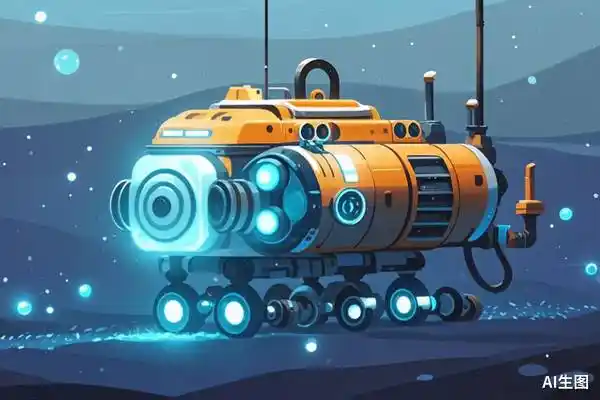
Investasi penting di sektor teknologi laut dalam telah terjadi. Deep Sea Zhiren, perusahaan robot laut dalam asal Tiongkok, berhasil merampungkan pendanaan Seri A senilai lebih dari 5 miliar yuan (sekitar Rp 10 triliun lebih). Pendanaan ini melibatkan sejumlah nama besar seperti Guanghe Chuangtou, Dachen Caizhi, GGV Capital, Yida Capital, CIC Investor, CETC Investment, dan dana teknologi energi yang dikelola Cathay Innovation dengan TotalEnergies sebagai investor utama. Didirikan oleh Ma Yiming, seorang veteran industri, Deep Sea Zhiren fokus pada pengembangan robot operasi kelas industri (ROV) untuk lingkungan laut dalam yang ekstrem. Perusahaan telah membangun portofolio produk lengkap, termasuk "Taurus" (kedalaman 1.000m), "Phoenix" (3.000m), "Singularity" (6.000m), dan solusi kluster robot otonom DeepMatrix. Kesuksesan komersial telah terbukti dengan diperolehnya kontrak pesanan penting dari luar negeri, seperti dari grup telekomunikasi Uni Emirat Arab, menandai ekspor komersial pertama robot laut dalam buatan Tiongkok. Pelanggannya mencakup kontraktor minyak & gas, kabel laut, dan tenaga angin lepas pantai di berbagai negara. Deep Sea Zhiren tidak hanya mengandalkan perangkat keras, tetapi juga mengembangkan sistem kecerdasan buatan seperti model keputusan tugas SEAgent. Visi jangka panjang mereka adalah DeepMatrix, sebuah sistem kluster robot otonom yang dapat tinggal permanen di dasar laut untuk operasi seperti penambangan, yang berpotensi menghemat miliaran dolar biaya operasi. Pendanaan ini mencerminkan keyakinan pasar terhadap potensi besar ekonomi laut dalam, yang didukung oleh kebijakan pemerintah Tiongkok. Deep Sea Zhiren bercita-cita menjadi pemimpin global dalam mendefinisikan paradigma baru eksplorasi dan pemanfaatan laut dalam dengan kekuatan teknologi orisinal.

marsbit19m yang lalu

Ledakan Robot Laut Dalam, Putaran A Paling Keras Tercipta

marsbit19m yang lalu

1confirmation: 5 Jalur Kripto Konsumen yang Layak Ditinjau Kembali

**5 Jalur Kripto Konsumen yang Layak Ditinjau Kembali Menurut 1confirmation** Artikel dari 1confirmation membahas lima bidang aplikasi kripto konsumen yang pernah gagal di masa lalu, tetapi kini berpotensi untuk sukses karena infrastruktur dan waktu yang lebih matang. 1. **Aset Asli Internet**: Sementara RWA (Real World Assets) populer, peluang besar justru terletak pada penciptaan aset kripto asli yang tidak ada di dunia nyata, seperti yang secara berarti menangkap momen budaya atau perhatian di internet, melampaui bentuk sederhana seperti meme coin atau NFT koleksi digital. 2. **X-to-Earn**: Model seperti STEPN dan Axie Infinity menunjukkan bahwa orang bisa mendapatkan kripto pertama mereka melalui aktivitas, bukan membeli. Pelajaran utamanya adalah model ekonomi yang berkelanjutan diperlukan, bukan sekadar mencetak token secara terus-menerus. Pertanyaannya adalah aset apa yang bernilai untuk dipertahankan. 3. **Metaverse**: Kegagalan proyek seperti Decentraland bukan karena ide orang menghabiskan waktu di dunia digital itu salah, tetapi karena mencoba meniru realitas fisik (tanah, properti). Peluangnya terletak pada menciptakan pengalaman "bersama online" generasi berikutnya dengan bentuk yang benar-benar baru dan native secara digital. 4. **DAO**: DAO sering terlalu fokus pada tata kelola yang kompleks. Inti peluang konsumen sebenarnya lebih sederhana: mengumpulkan dana secara kolektif di internet untuk tujuan bersama yang spesifik (seperti membeli barang bersejarah, mendanai film, atau menyelamatkan bisnis), seperti yang ditunjukkan ConstitutionDAO. 5. **Manusia sebagai Pasar**: Banyak proyek SocialFi (Friend.tech, dll.) gagal menciptakan pasar di sekitar individu. Ide dasarnya mungkin benar (orang ingin bertaruh pada atau mendukung seseorang), tetapi implementasinya sering menjadikan kreator sebagai "produk" yang diperdagangkan. Tantangannya adalah membangun pasar *di sekitar* seseorang tanpa membuat orang itu sendiri menjadi komoditas. Kesimpulannya, aplikasi kripto konsumen berikutnya yang benar-benar meledak kemungkinan besar adalah ide yang pernah gagal sebelumnya, namun kini ekosistem dan waktunya sudah tepat.

marsbit23m yang lalu

1confirmation: 5 Jalur Kripto Konsumen yang Layak Ditinjau Kembali

marsbit23m yang lalu

Kumpulan Interaksi Terpopuler | predict.fun Meluncurkan Acara Spesial Dota 2; Ajukan Daftar Putih Awal Soar (13 Agustus)

**Ringkasan: Kumpulan Interaksi Populer** **1. predict.fun: Aktivitas Khusus Dota 2** Platform pasar prediksi di BNB Chain ini meluncurkan acara prediksi untuk The International Dota 2 2024. Pengguna dapat memprediksi hasil pertandingan mulai 13 Agustus. Total hadiah mencapai **$100,000 USDT dan 5 juta Poin PP**. Hadiah dibagi menjadi dua fase: fase grup (13-16 Agustus) dan fase final (20-23 Agustus). Untuk berpartisipasi, kunjungi situs web, daftar, kunci saham minimal 20 untuk tim pilihan sebelum pertandingan dimulai, dan jawab 9 pertanyaan prediksi per match untuk mendapatkan poin. **2. CheomaYield: Protokol Pendapatan Stablecoin** Protokol ini dibangun di GIWA Chain (L2 dari Upbit Korea). Ini adalah protokol pendapatan stablecoin pertama di testnet GIWA. CheomaYield telah merilis model ekonomi token **CHEOMA** dengan total pasokan 100 juta, dimana **30% dialokasikan untuk airdrop**. Untuk berinteraksi, klaim testnet GIWA dari faucet, kunjungi aplikasi CheomaYield, klaim 10,000 USDC testnet, dan lakukan interaksi di platform untuk mendapatkan poin. **3. Soar: Platform Perdagangan Pre-IPO** Platform ini memungkinkan pengguna retail untuk mendapatkan eksposur dini ke perusahaan swasta ternama (seperti OpenAI, SpaceX) dengan melakukan posisi long/short pada valuasi mereka, tanpa perlu menunggu IPO. Saat ini, proyek sedang membuka pendaftaran daftar tunggal (waitlist) awal. Untuk mendaftar, kunjungi situs web mereka dan daftarkan alamat email Anda.

Odaily星球日报25m yang lalu

Kumpulan Interaksi Terpopuler | predict.fun Meluncurkan Acara Spesial Dota 2; Ajukan Daftar Putih Awal Soar (13 Agustus)

Odaily星球日报25m yang lalu

Trading

Spot

Artikel Populer

Cara Membeli ENS

Selamat datang di HTX.com! Kami telah membuat pembelian Ethereum Name Service (ENS) menjadi mudah dan nyaman. Ikuti panduan langkah demi langkah kami untuk memulai perjalanan kripto Anda.Langkah 1: Buat Akun HTX AndaGunakan alamat email atau nomor ponsel Anda untuk mendaftar akun gratis di HTX. Rasakan perjalanan pendaftaran yang mudah dan buka semua fitur.Dapatkan Akun SayaLangkah 2: Buka Beli Kripto, lalu Pilih Metode Pembayaran AndaKartu Kredit/Debit: Gunakan Visa atau Mastercard Anda untuk membeli Ethereum Name Service (ENS) secara instan.Saldo: Gunakan dana dari saldo akun HTX Anda untuk melakukan trading dengan lancar.Pihak Ketiga: Kami telah menambahkan metode pembayaran populer seperti Google Pay dan Apple Pay untuk meningkatkan kenyamanan.P2P: Lakukan trading langsung dengan pengguna lain di HTX.Over-the-Counter (OTC): Kami menawarkan layanan yang dibuat khusus dan kurs yang kompetitif bagi para trader.Langkah 3: Simpan Ethereum Name Service (ENS) AndaSetelah melakukan pembelian, simpan Ethereum Name Service (ENS) di akun HTX Anda. Selain itu, Anda dapat mengirimkannya ke tempat lain melalui transfer blockchain atau menggunakannya untuk memperdagangkan mata uang kripto lainnya.Langkah 4: Lakukan trading Ethereum Name Service (ENS)Lakukan trading Ethereum Name Service (ENS) dengan mudah di pasar spot HTX. Cukup akses akun Anda, pilih pasangan perdagangan, jalankan trading, lalu pantau secara real-time. Kami menawarkan pengalaman yang ramah pengguna baik untuk pemula maupun trader berpengalaman.

418 Total TayanganDipublikasikan pada 2024.12.10Diperbarui pada 2026.06.02

Cara Membeli ENS

Diskusi

Selamat datang di Komunitas HTX. Di sini, Anda bisa terus mendapatkan informasi terbaru tentang perkembangan platform terkini dan mendapatkan akses ke wawasan pasar profesional. Pendapat pengguna mengenai harga ENS (ENS) disajikan di bawah ini.

活动图片