South Korea Set To Unveil New Stablecoins Framework In October

bitcoinistDipublikasikan tanggal 2025-08-19Terakhir diperbarui pada 2025-08-19

Abstrak

South Korea’s financial authority is expected to release the long-awaited regulatory framework next quarter, offering clear guidelines for the issuance...

Trusted Editorial content, reviewed by leading industry experts and seasoned editors. Ad Disclosure

South Korea’s financial authority is expected to release the long-awaited regulatory framework next quarter, offering clear guidelines for the issuance and distribution of won-pegged stablecoins.

Stablecoin Guidelines By October

On Monday, local news media outlets reported that South Korea’s financial regulator, the Financial Services Commission (FSC), is expected to release a bill for a stablecoin pegged to the Korean won (KRW) within two months.

According to MoneyToday, a member of the Democratic Party of Korea (DPK), Park Min-kyu, confirmed that he had “recently received a report from the FSC on the direction of stablecoins,” affirming, “The government’s bill is expected to be submitted to the National Assembly around October.”

The bill is anticipated to be included in the second phase of the Virtual Asset User Protection Act. Notably, the FSC has been working to develop digital assets legislation and shift its regulatory approach for over a year, establishing the Virtual Asset Committee in November to prepare the next phase of its plan and finalize it by the second half of 2025.

The second phase of the Virtual Asset User Protection Act includes regulations on the distribution of digital assets and stablecoins, continuing its efforts to align with global standards. The FSC’s Vice Chairman Kim So-young previously stated that the Korean government was “speeding up efforts” to develop the Korean crypto market while protecting users.

Attention will be focused on the content of the rules, the report affirmed, as the FSC plans to unveil a regulatory framework outlining requirements for issuing won-pegged stablecoins, collateral management, and internal control systems, which have been a concern among both the crypto and banking industries.

The FSC’s Secretary-General warned in January that the regulator needed to address listing standards, how to deal with stablecoins, and how to create rules for the behavior of virtual asset exchanges.

Meanwhile, the banking sector has been studying two legalization scenarios, since it remains unclear whether non-bank entities will be allowed to be stablecoin issuers. Financial institutions have also been considering a business model in which banks establish a joint venture to issue stablecoins.

Stablecoins’ Momentum In South Korea

As the new media outlet noted, institutionalization of won-pegged stablecoins has gained significant attention after President Lee Jae-myung pledged it during his presidential campaign. The electoral promise, which also vowed to address the status of crypto-based exchange-traded funds (ETFs), followed the US’s regulatory shift under the Trump administration and its push for USD-pegged stablecoins, which currently lead the sector.

Previously, the chairman of the South Korea Stock Exchange, Jeong Eun-bo, urged authorities to institutionalize crypto in the country, noting that the Korean market needs to be revitalized to compete with other nations and prevent falling behind international markets.

Over the past two months, multiple bills related to the issuance and distribution of KRW-pegged stablecoins have been introduced in South Korea’s National Assembly. As reported by Bitcoinist, Korea’s ruling and opposition parties proposed rival bills in July to establish the highly anticipated regulatory framework for digital assets pegged to the Korean won.

Member of the Planning and Finance Committee from the Democratic Party, Ahn Do-gil, introduced the “Act on the Issuance and Distribution of Value-Stable Digital Assets,” while member of the Land, Infrastructure, and Transport Committee from the People Power Party (PPP), Kim Eun-hye, proposed the “Act on Payment Innovation Using Value-Fixed Digital Assets.”

Both bills share several similarities, including the assignment of stablecoin oversight to the Financial Services Commission (FSC). However, the two proposed legislation differ in the issue of interest payments, with the PPP’s bill allowing interest payments and the DPK’s bill completely banning interest payments to prevent market disruption.

Min Byung-deok, a member of the National Assembly’s Government Committee, also introduced the “Digital Assets Basic Act” in June, which proposes allowing the issuance of won-pegged stablecoins and establishing a Digital Asset Committee under the direct authority of the president.

Amid the global push for stablecoins, Korean individuals investing in overseas stocks have reportedly shifted from US big tech equities to crypto-linked stocks, with a focus on stablecoin-related companies throughout July, suggesting growing interest in the sector.
stablecoins, bitcoin, btc, btcusdt

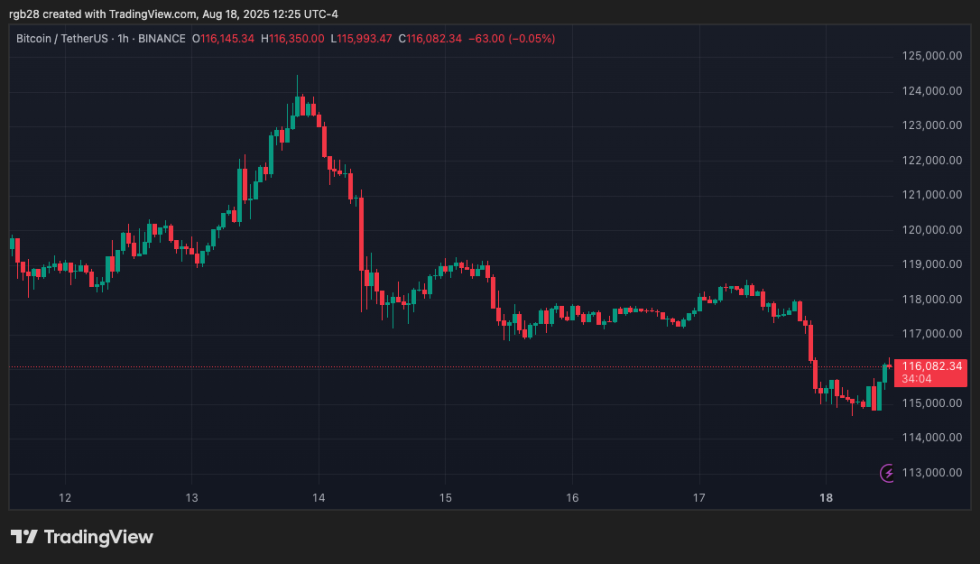
Bitcoin (BTC) trades at $116,082 in the one-week chart. Source: BTCUSDT on TradingView
Featured Image from Unsplash.com, Chart from TradingView.com
Editorial Process for bitcoinist is centered on delivering thoroughly researched, accurate, and unbiased content. We uphold strict sourcing standards, and each page undergoes diligent review by our team of top technology experts and seasoned editors. This process ensures the integrity, relevance, and value of our content for our readers.

Rubmar is a crypto enthusiast who likes learning and improving constantly. She enjoys reporting on the latest news and developments in the crypto industry. Rubmar also enjoys scrapbooking, crafting, simulation games, and watching football.

Bacaan Terkait

CFTC AS Lanjutkan Investigasi Luas terhadap Polymarket, Musim Pesta Pasar Prediksi Akan Berakhir?

Platform prediksi Polymarket kini sedang diselidiki secara luas oleh CFTC AS, menyusul tuduhan pemasaran menipu dan promosi produk mirip perjudian kepada pengguna AS. Investigasi ini terjadi di tengah lonjakan volume perdagangan pasar prediksi, didorong oleh Piala Dunia, dengan platform seperti Kalshi dan Polymarket mencatat pertumbuhan pesat. Pemeriksaan CFTC menandai potensi berakhirnya fase ekspansi liar industri ini, dengan regulator diperkirakan akan memperketat aturan pemasaran, konten kontrak, dan perlindungan investor. Konflik yurisdiksi juga memanas antara regulator federal (CFTC) dan otoritas negara bagian AS (seperti Kentucky), yang memperdebatkan apakah pasar prediksi termasuk dalam kategori derivatif komoditas federal atau perjudian ilegal tingkat negara bagian. Perselisihan ini melibatkan kepentingan pajak negara bagian dan batasan definisi regulasi. Sementara itu, ketegangan juga muncul antara CFTC dan bursa tradisional seperti CME, yang menggugat persetujuan CFTC atas kontrak berjangka Kalshi. Di balik layar, keluarga Trump, melalui Donald Trump Jr., memiliki kepentingan investasi di kedua platform utama (Kalshi dan Polymarket), menjembatani hubungan antara modal dan regulator. Intinya, penyelidikan terhadap Polymarket mungkin merupakan langkah penertiban dalam perjalanan industri pasar prediksi menuju fase pertumbuhan yang lebih matang dan teregulasi.

marsbit2j yang lalu

CFTC AS Lanjutkan Investigasi Luas terhadap Polymarket, Musim Pesta Pasar Prediksi Akan Berakhir?

marsbit2j yang lalu

CFTC AS Lakukan Investigasi Mendalam terhadap Polymarket, Musim Ramai Pasar Prediksi Bakal Berakhir?

Polymarket, sebuah platform pasar prediksi, sedang menghadapi penyelidikan luas oleh Komisi Perdagangan Berjangka Komoditas AS (CFTC). Penyebabnya adalah dugaan pemasaran menipu, termasuk menggunakan KOL berbayar untuk mempromosikan produk seperti perjudian kepada audiens AS. Investigasi ini muncul di tengah lonjakan volume perdagangan pasar prediksi yang didorong oleh Piala Dunia. Data menunjukkan pertumbuhan eksponensial industri ini. Platform seperti Kalshi dan Polymarket mencatat volume dan pendapatan yang meningkat pesat. Bahkan raksasa seperti Meta dilaporkan tertarik untuk berkolaborasi atau mengembangkan aplikasi serupa. Namun, pertumbuhan ini diiringi konflik regulasi. CFTC berselisih dengan beberapa negara bagian AS (seperti Kentucky) mengenai yurisdiksi atas pasar prediksi. Negara bagian menganggapnya sebagai perjudian ilegal, sementara CFTC mengklaim wewenang federal atas kontrak turunan "event contract". Konflik ini melibatkan kepentingan pajak negara bagian dan batas definisi antara perjudian dan pasar prediksi. Di balik layar, jaringan kepentingan yang kompleks terungkap. Donald Trump Jr. memiliki peran sebagai penasihat dan investor di kedua platform utama, Kalshi dan Polymarket. Hal ini dianggap sebagai faktor pendorong di balik dukungan politik dari pemerintahan Trump terhadap industri ini. Penyelidikan CFTC terhadap Polymarket menandai berakhirnya fase pertumbuhan liar awal dan awal dari regulasi yang lebih ketat. Meski mungkin mendinginkan euforia jangka pendek, ini dilihat sebagai langkah menuju industri yang lebih matang dan stabil di masa depan.

Odaily星球日报2j yang lalu

CFTC AS Lakukan Investigasi Mendalam terhadap Polymarket, Musim Ramai Pasar Prediksi Bakal Berakhir?

Odaily星球日报2j yang lalu

Pendiri Claude Code Mengungkap Prediksi Terbaru: Divisi Kerja Tim Dirombak di Era AI, "Lima Tipe Orang" Ini Paling Dibutuhkan

Dengan maraknya Agent Coding yang membentuk ulang industri perangkat lunak, perubahan tidak hanya terjadi pada peran "insinyur" tradisional. Boris Cherny, pemimpin tim Claude Code di Anthropic, mengamati bahwa fungsi teknik, produk, desain, dan ilmu data semakin menyatu. Dia mengusulkan lima peran baru berbasis pola perilaku, tidak terikat pada jabatan tradisional: 1. **The Prototyper (Pembuat Prototipe):** Menghasilkan banyak ide dan konsep baru, fokus pada kuantitas dan disruptif. 2. **The Builder (Pembangun):** Mengubah prototipe kasar menjadi produk atau infrastruktur yang siap produksi dan dapat diskalakan. 3. **The Sweeper (Pembersih):** Menyederhanakan antarmuka, mengatur ulang kode, dan menghapus fitur berlebihan untuk meningkatkan kinerja dan kemampuan pemeliharaan. 4. **The Growth (Pertumbuhan):** Mengiterasi produk yang sudah jadi agar lebih dekat dengan pasar, meningkatkan retensi pengguna, dan mengubahnya dari "dapat digunakan" menjadi "diperlukan". 5. **The Maintainer (Pemelihara):** Memastikan keamanan, keandalan, efisiensi, dan ketahanan sistem yang matang dalam jangka panjang. Peran-peran ini tidak eksklusif. Satu orang dapat merangkul beberapa peran (misalnya, 1+3 atau 2+3) yang berubah sesuai tahap produk atau proyek. Tim yang sehat membutuhkan kombinasi peran yang berbeda bergantung pada kematangan produk: produk baru membutuhkan peran 1,2,3; produk yang sedang tumbuh membutuhkan 2,3,4 dengan beberapa 5; produk matang membutuhkan 3,4,5 dengan beberapa 2. Diskusi online menyoroti bahwa klasifikasi kaku dapat membatasi fleksibilitas. Di era AI, batas peran semakin kabur. Meskipun AI seperti Claude dapat membantu tugas Builder dan Sweeper, peran manusia tetap kritis untuk beradaptasi dan memimpin setiap fase siklus hidup produk.

marsbit2j yang lalu

Pendiri Claude Code Mengungkap Prediksi Terbaru: Divisi Kerja Tim Dirombak di Era AI, "Lima Tipe Orang" Ini Paling Dibutuhkan

marsbit2j yang lalu

Trading

Spot
活动图片