# Peso的所有文章

在 HTX 新聞中心流覽與「Peso」相關的最新資訊與深度分析。潘蓋市場趨勢、專案動態、技術進展及監管政策,提供權威的加密行業洞察。

Underground Argentina: Jewish Money Houses, Chinese Supermarkets, Slacking Youth, and the Impoverished Middle Class

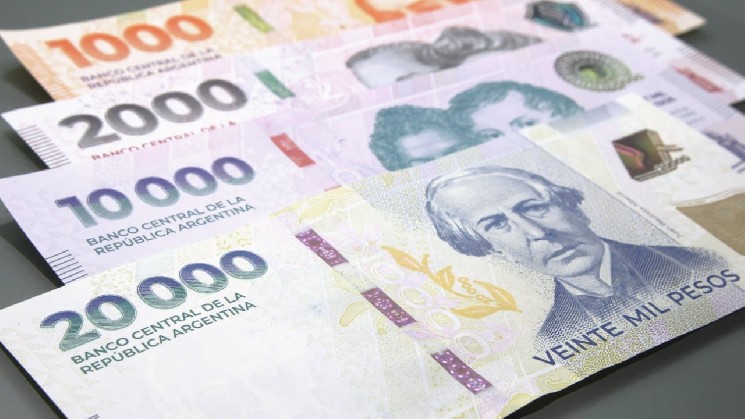
Argentina is experiencing a state of hyperinflation and economic collapse, where the official currency, the peso, has become nearly unusable. The black market exchange rate has reached 1 USD to 1,400 pesos, yet prices for basic goods remain shockingly high, even for those holding foreign currency. A significant portion of the population, especially the youth, has adopted a "live for the moment" mentality, spending their wages immediately as savings become worthless. Poverty rates are high, and real wages have plummeted. The country’s real financial system operates underground, dominated by two key players: a network of over 13,000 Chinese-owned supermarkets that act as cash collection points, and Jewish-owned informal exchange houses (cuevas) that manage black market dollar transactions. This shadow economy allows businesses and individuals to bypass strict currency controls, high taxes, and a collapsing official banking system. Cryptocurrency, particularly USDT, is used not as a technological innovation but as a practical tool for wealth preservation and tax avoidance, especially among freelancers and the upper middle class. However, those who remain in the formal economy—the “rule-followers”—suffer the most, as their peso-denominated incomes collapse in value while living costs soar. President Milei’s radical reforms have brought some fiscal stability and reduced inflation, but at a great social cost. Yet, much of the public still supports the changes, hoping to break Argentina’s cycle of economic crises. Through it all, the informal systems—cash transactions, black market exchanges, and a general distrust of the state—continue to sustain daily life.

深潮12/08 06:16

Underground Argentina: Jewish Money Houses, Chinese Supermarkets, Slacking Youth, and the Impoverished Middle Class

深潮12/08 06:16

活动图片