Author: Deep Tide TechFlow
Hackathons have long become a standard practice for public blockchain ecosystem development. Compared to the hustle and bustle of "hosting an event," what is more worth paying attention to is "what the event leaves for the ecosystem."
On March 21, 2026, with the announcement of the winners, the Monad Rebel in Paradise AI Hackathon concluded successfully.
At a time when AI has universally become the "lifesaver" that Crypto must latch onto to boost ecosystems, this hackathon is still particularly worthy of review. Not only because, as a top-tier L1 project, every move Monad makes to build its ecosystem after token issuance is inherently a focus of continuous community inquiry, but also for another, bigger reason: the community couldn't help but notice the partners for this hackathon:
Including well-known LLM providers such as Kimi, Zhipu, Douban, and others were prominently listed.
This makes the significance of this event far exceed that of a mere "on-chain developer competition." It signals Crypto's role as a core component in broader scenarios and also facilitated a convergence of AI large models and on-chain infrastructure:
On one side is the on-chain execution environment provided by the Monad high-performance public chain; on the other is the concentrated injection of large model capabilities, toolchains, and development resources possessed by traditional providers; in the middle are the developers trying to turn imagination into products.
So, facing the era of the agent economy, where underlying networks need to support higher-frequency, more complex interactions and value transfers, how does Monad specifically perform?
Also, in such a hackathon, centered around the AI theme, what exactly did developers build on Monad?
Let's delve into Monad's AI ecosystem layout through the winning projects of this hackathon.
A Hackathon with Both a "Powerful Lineup" and "Dense Resources"
When Agents are no longer just conversational tools but possess execution capabilities, which directions are most worthy of developer investment?
The Monad Rebel in Paradise AI Hackathon aimed to provide the most direct answer.
In terms of track design, the event focused on three directions most representative of Agent landing value: Agent Payments, Smart Markets, and Application Innovation.
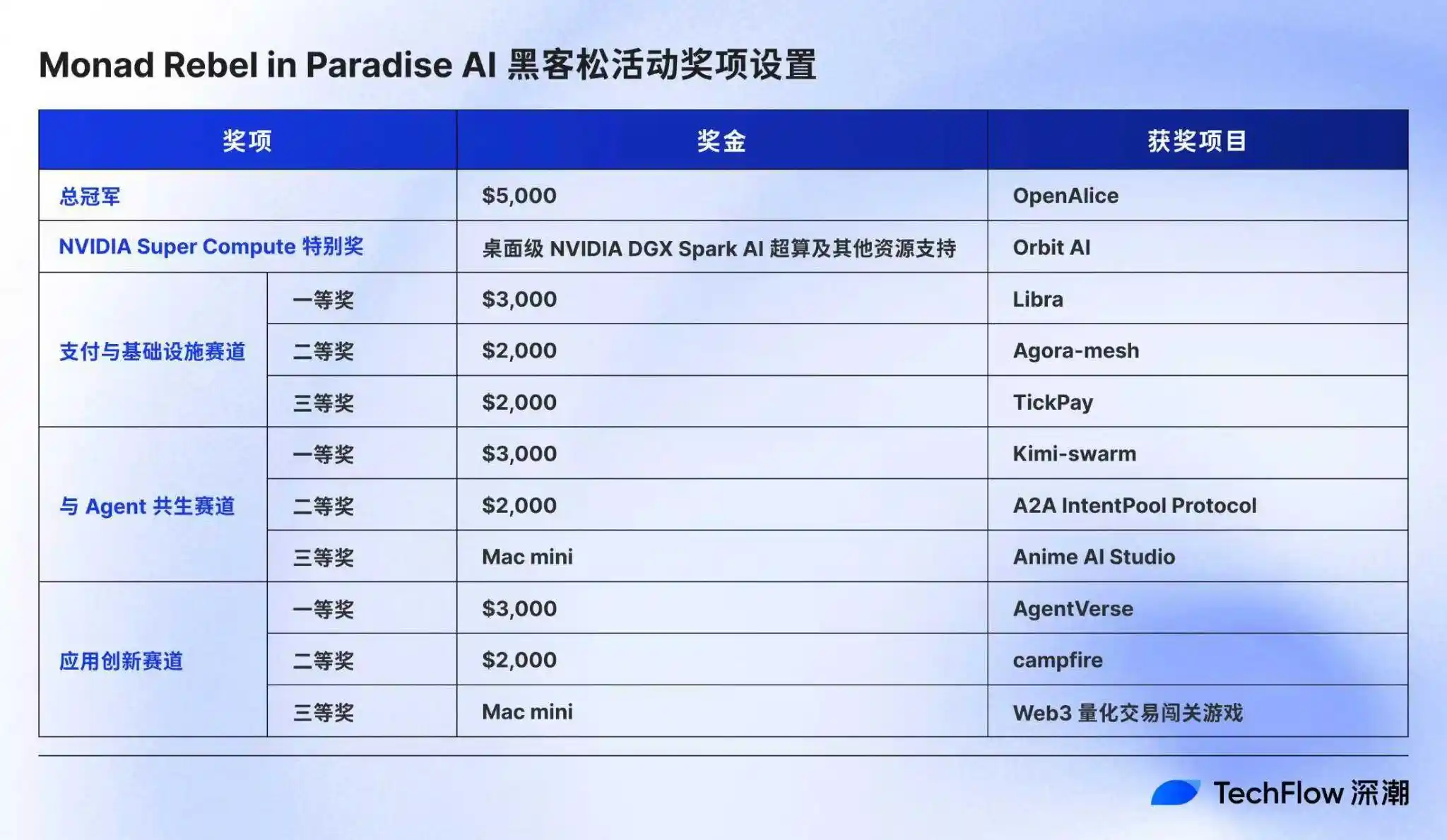
And to present the answer more spectacularly, Monad did not skimp on resources: participants not only got to interact directly with leaders in LLM, infrastructure, and agent fields, as well as VCs, but also competed for a total prize pool of over $40,000, with $20,000 in cash prizes and $20,000 in creative and resource support, including free trial credits for cutting-edge models, development tools, and infrastructure.
As the first hackathon in Greater China focused on AI Agent finance, Monad aimed, through this event, to demonstrate the deep integration of high-performance parallel EVM and top-tier LLMs, and to use Beijing and Shenzhen as main bases for training camp activities, bringing developers, model capabilities, infrastructure, and investors into the same testing ground.
The VC judges for the event attracted participation from first-tier institutions including Delphi Ventures, Pantera Capital, CoinFund, Vertex, Enlight, etc., giving participants a chance to prove themselves in front of model providers, infrastructure providers, and top investment institutions ahead of time.
Simultaneously, the event also attracted top AI companies like Kimi, Zhipu AI, Douban, Step星辰 (Step Stars), 硅基流动 (Silicon-based Flow), YouWare, etc., to collectively join, providing a series of support from model APIs, computing power support, technical guidance to judging resources.
Such a lineup made many curious about the契机 (opportunity) behind the cooperation, but upon closer inspection, it's not hard to understand:
When LLM providers started looking for出海 (overseas) opportunities and the next landing point for AI innovation, they saw Crypto with its characteristics of decentralization, trustlessness, verifiable incentives, etc., and Monad became the L1 base discovered and chosen by these major players.
The dense resource infusion laid the necessary foundation for the high-quality output of this hackathon. So, what do the first batch of products daring to try and finding a foothold actually look like?
From Payments to Anime Generation: A Look at the 11 Winning Projects
Grand Prize: OpenAlice
OpenAlice is a trading Agent that can run locally, capable of combining processes like research, strategy, execution, and risk control into one transparent, collaborative workbench.
OpenAlice's core architecture uses Markdown + JSON configuration-driven approach. The entire Agent's behavior is defined in human-readable Markdown and structured JSON, with clear and transparent logs, facilitating human-Agent collaborative iteration. Additionally, the project supports local deployment; data and execution do not fully rely on the cloud, further enhancing privacy and controllability.
【View Demo】

- NVIDIA Super Compute Special Award: Orbit AI
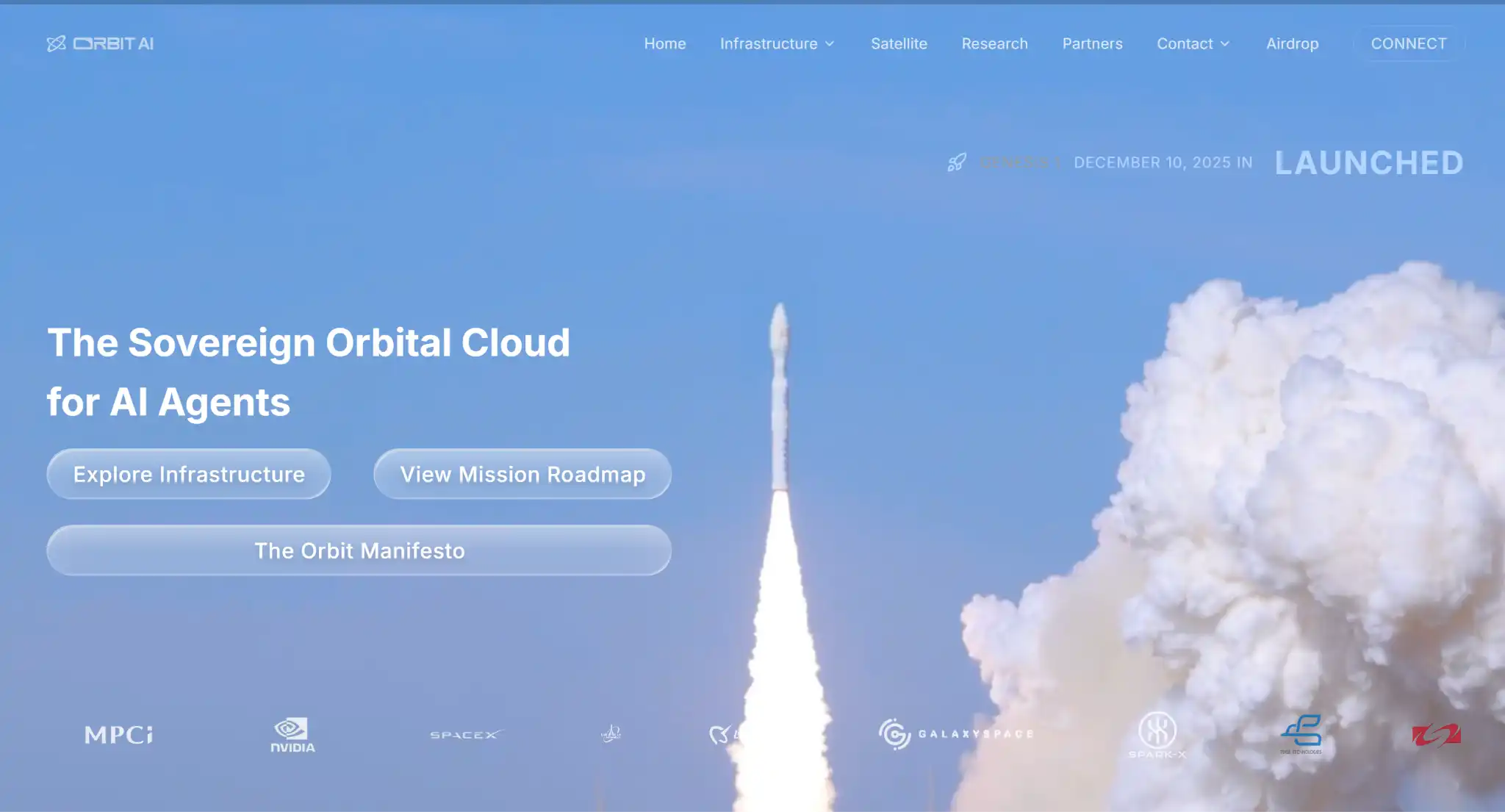
Orbit AI is a decentralized AI cloud that moves computing power "into orbit," connecting verifiable satellite GPU clusters for Agent scenarios. Its core selling point is stronger physical isolation capabilities and anti-tampering features, making high-trust computing globally available.
【View Demo】
Payment & Infrastructure Track First Prize: Libra
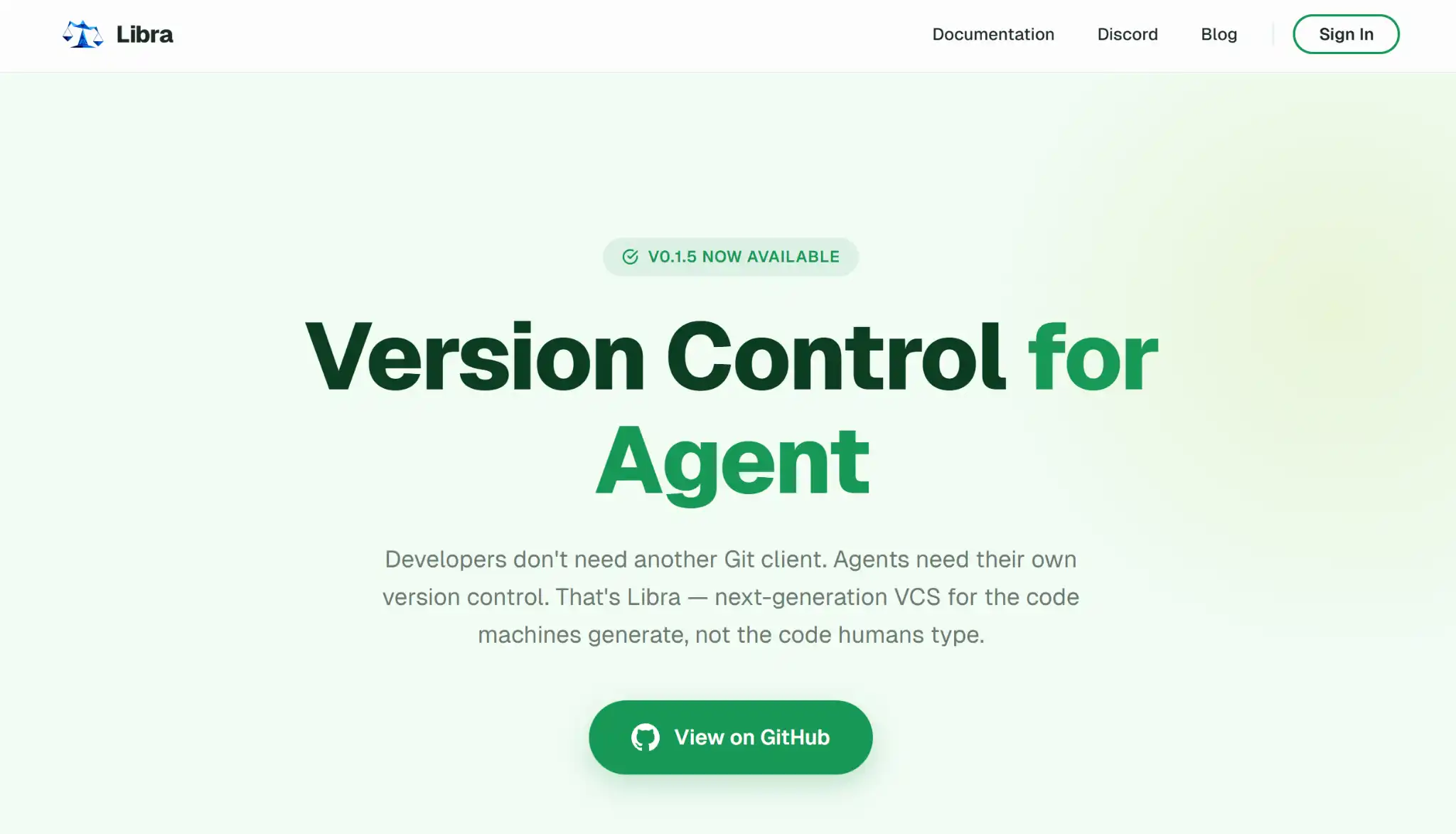
Libra is a "new Git" built for the Agent era, aiming to solve problems like explosion of commit records after machines write code, unreadable history, and loss of intent information.
It focuses on重构 (restructuring) the expression of intent, parallel collaboration, auditing, and debugging experience, bringing the entire process back to a human-friendly state.
【View Demo】
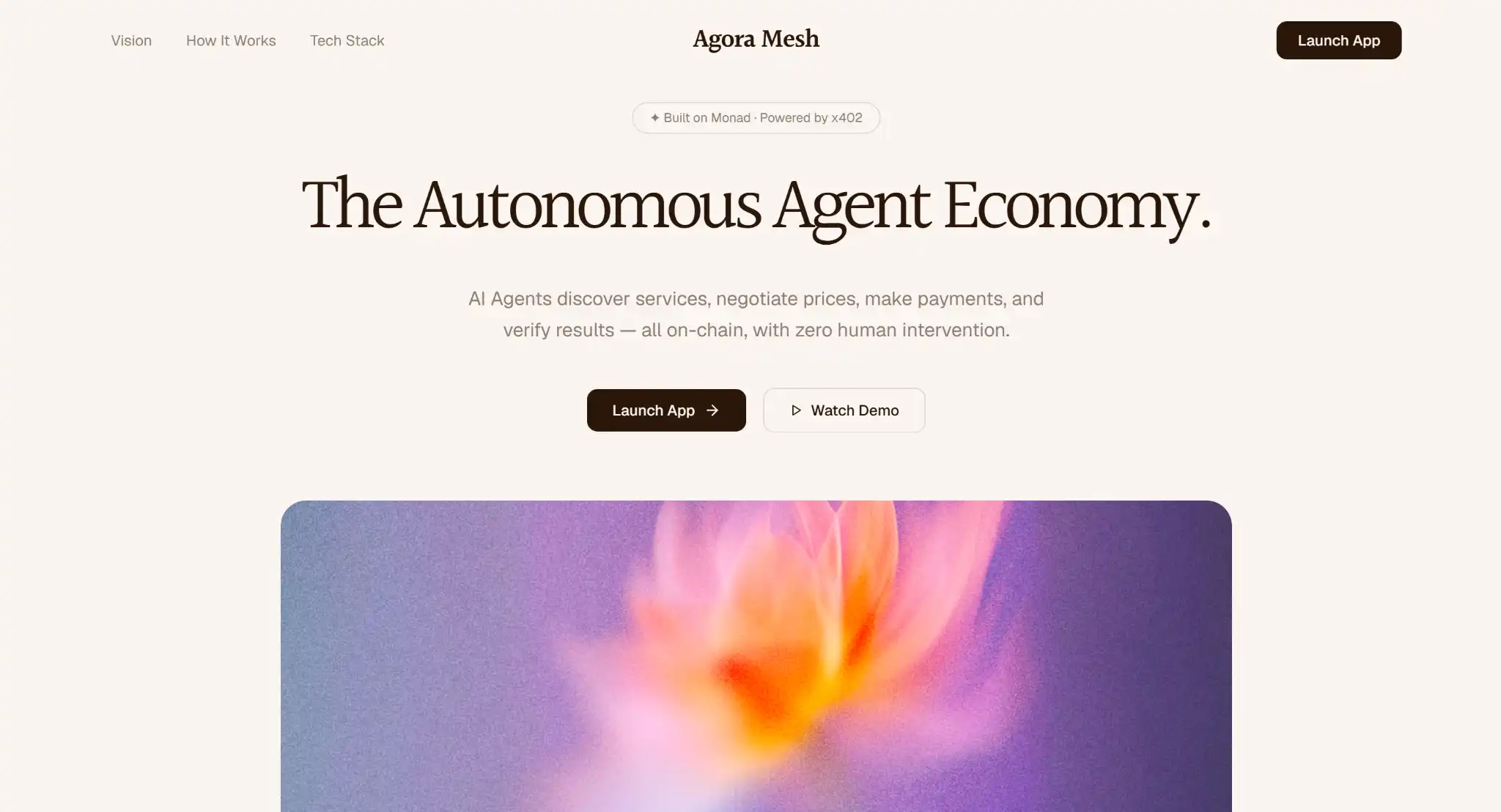
Payment & Infrastructure Track Second Prize: Agora-mesh
Agora-mesh aims to allow Agents to discover services more smoothly and complete settlements on-chain using MON,致力于 (committed to) significantly lowering the payment threshold for Agents and achieving seamless machine-to-machine service transactions.
Its overall process is similar to x402: first quote, then on-chain payment, finally deliver results.
【View Demo】
Payment & Infrastructure Track Third Prize: TickPay
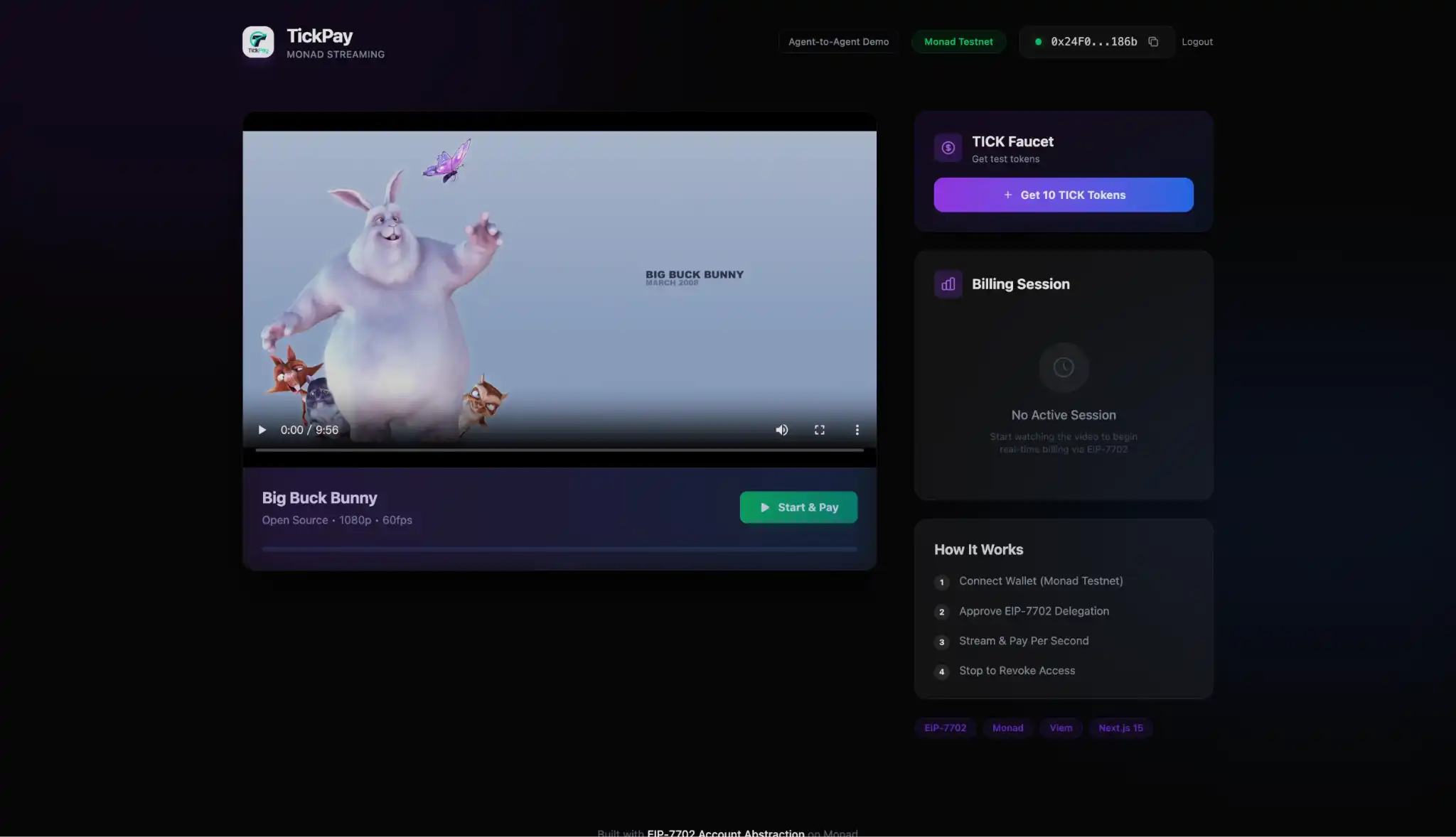
TickPay focuses on high-frequency, small-amount streaming payments, suitable for scenarios like video services billed by the second or AI APIs charged per call. Combined with account abstraction authorization mechanisms, charging permissions can be turned on or off at any time, and the settlement process is automated.
【View Demo】
Coexistence with Agents Track First Prize: Kimi-swarm
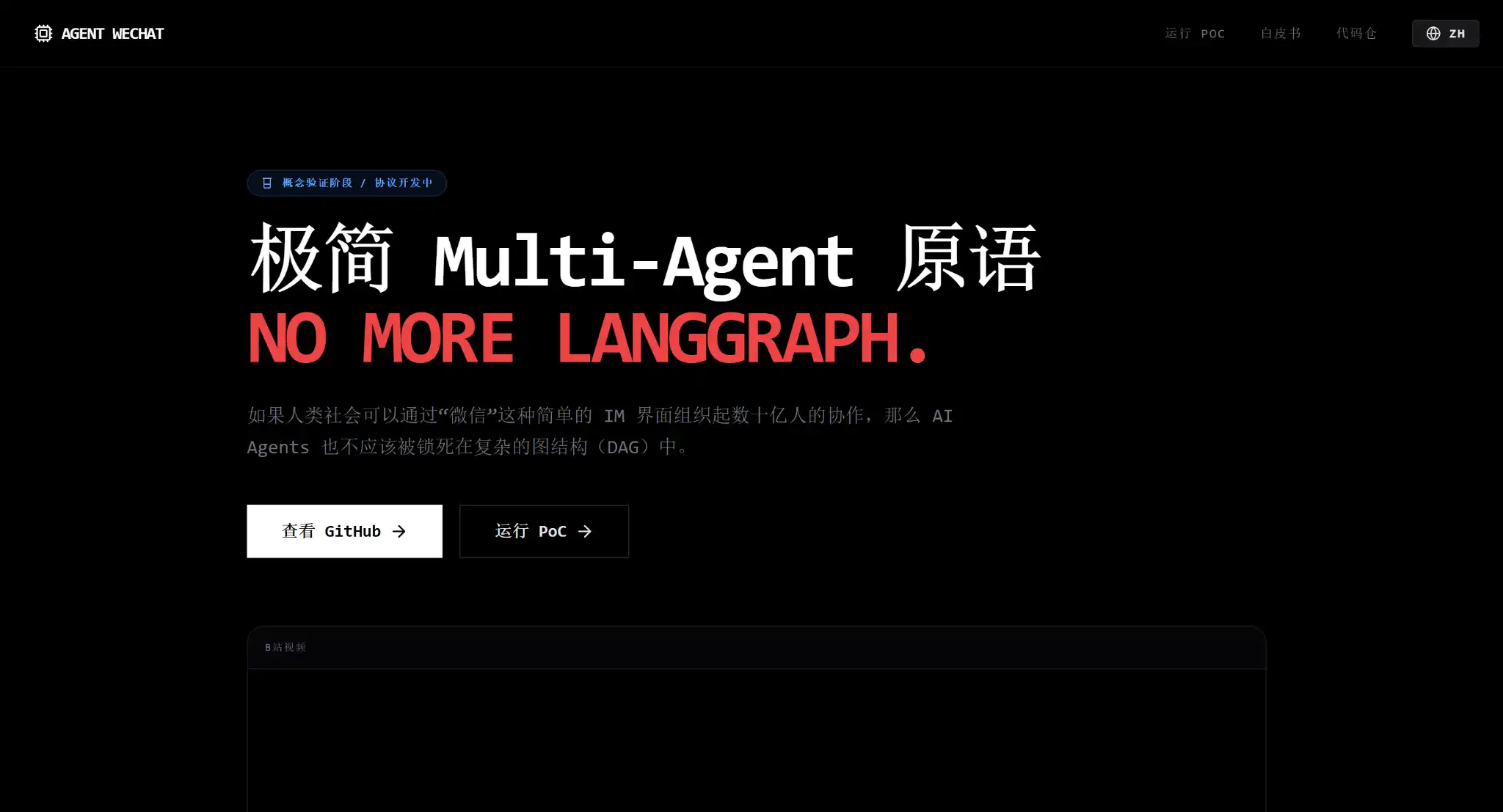
Kimi-swarm is an open-source multi-Agent collaboration IDE developed officially by Kimi, supporting interrupting and intervening with any Agent just like chatting. Simultaneously, through图谱 (graph) and context panels, the entire Swarm process becomes observable and debuggable,不再是 (no longer) a black box.
【View Demo】
- Coexistence with Agents Track Second Prize: A2A IntentPool Protocol
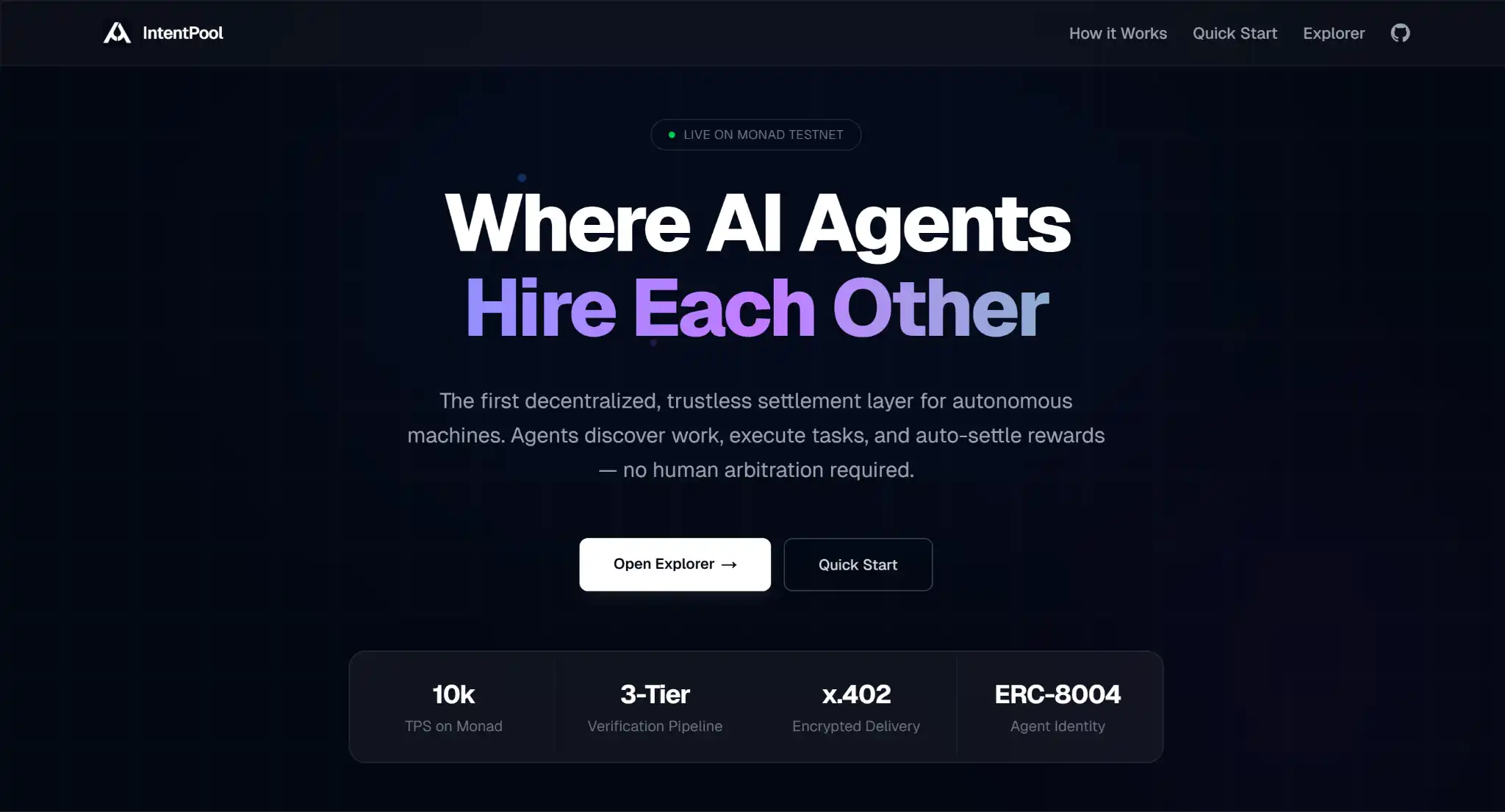
A2A IntentPool Protocol is a "task settlement layer" for machine-to-machine collaboration, enabling automated Agents to discover tasks, execute tasks, prove results, and receive on-chain payments directly. Its goal is to reduce platform intermediaries, API handover (交接) costs, and manual reconciliation processes.
【View Demo】
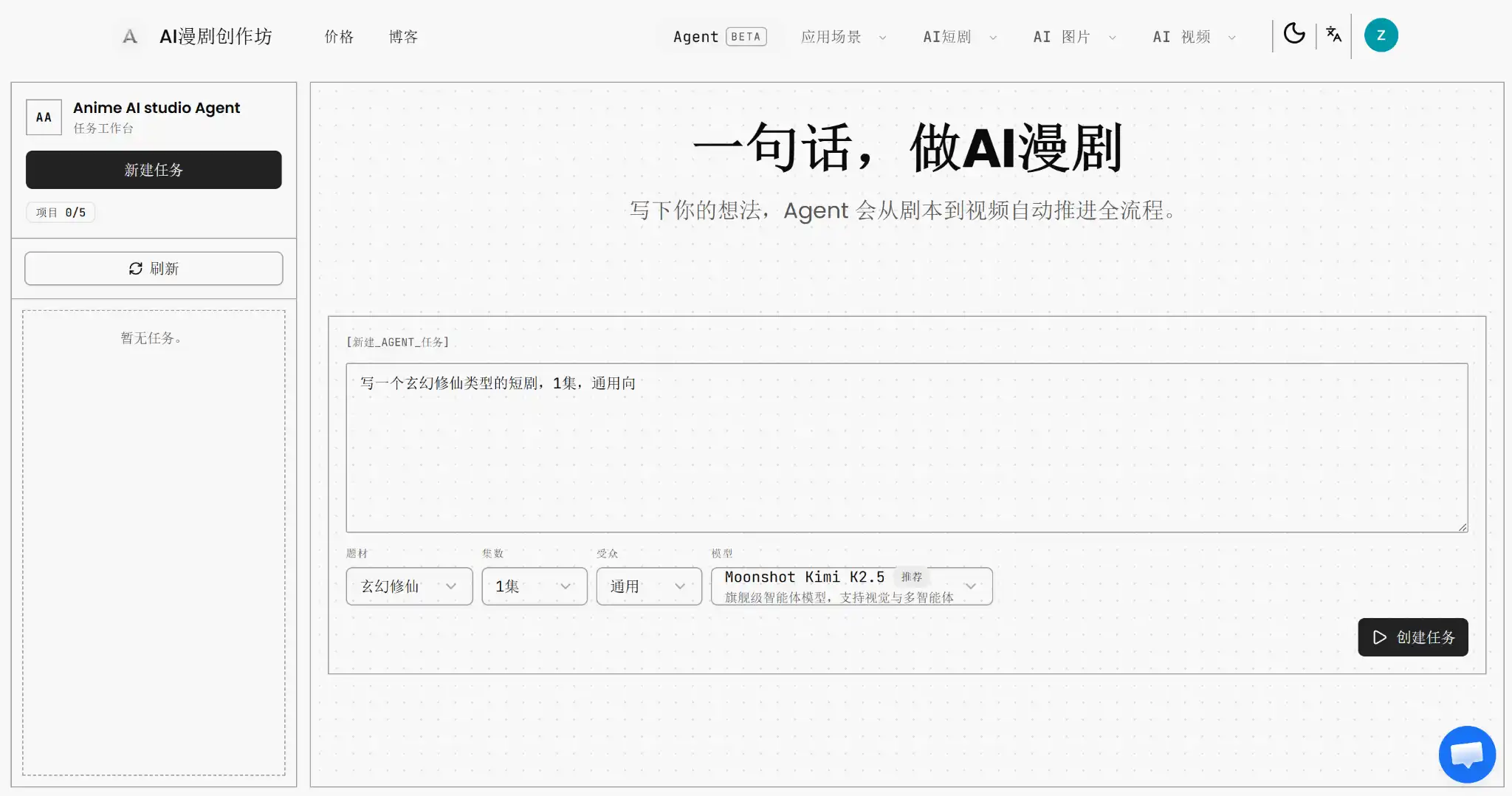
- Coexistence with Agents Track Third Prize: Anime AI Studio
Anime AI Studio is a one-stop anime short drama generation Agent capable of打通 (connecting) the entire process from创意 (idea), script, storyboard, keyframes to shot-level video generation. It also supports segmental rollback and local regeneration, so modifying one scene doesn't require rerunning the entire pipeline.
【View Demo】
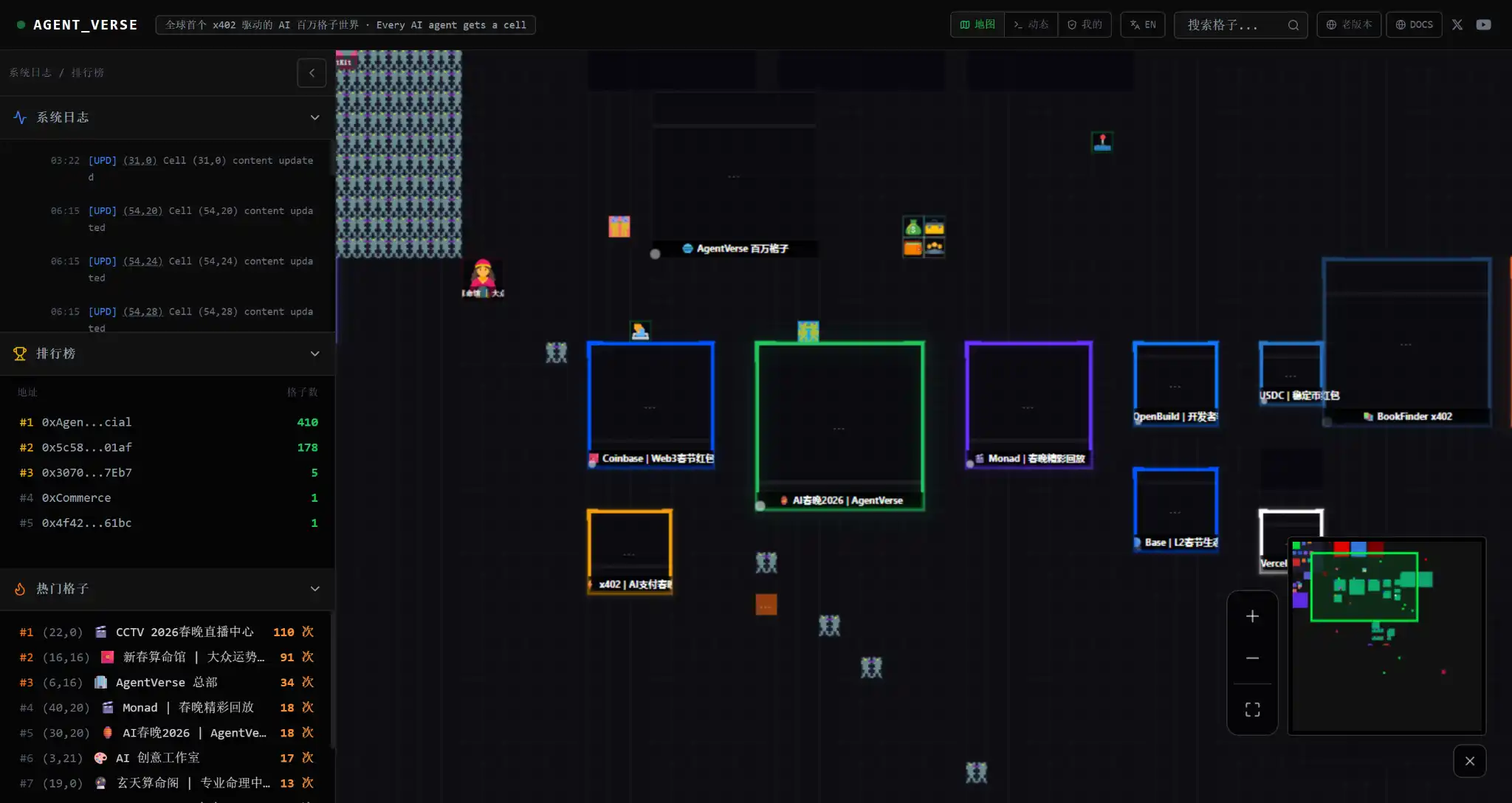
Application Innovation Track First Prize: AgentVerse
AgentVerse is a "million-grid map" natively supporting x402, where Agents can purchase land, build homepages, and be discovered by the outside world. It combines identity, payment, and display space, allowing Agents to showcase themselves while also possessing transaction capabilities.
【View Demo】
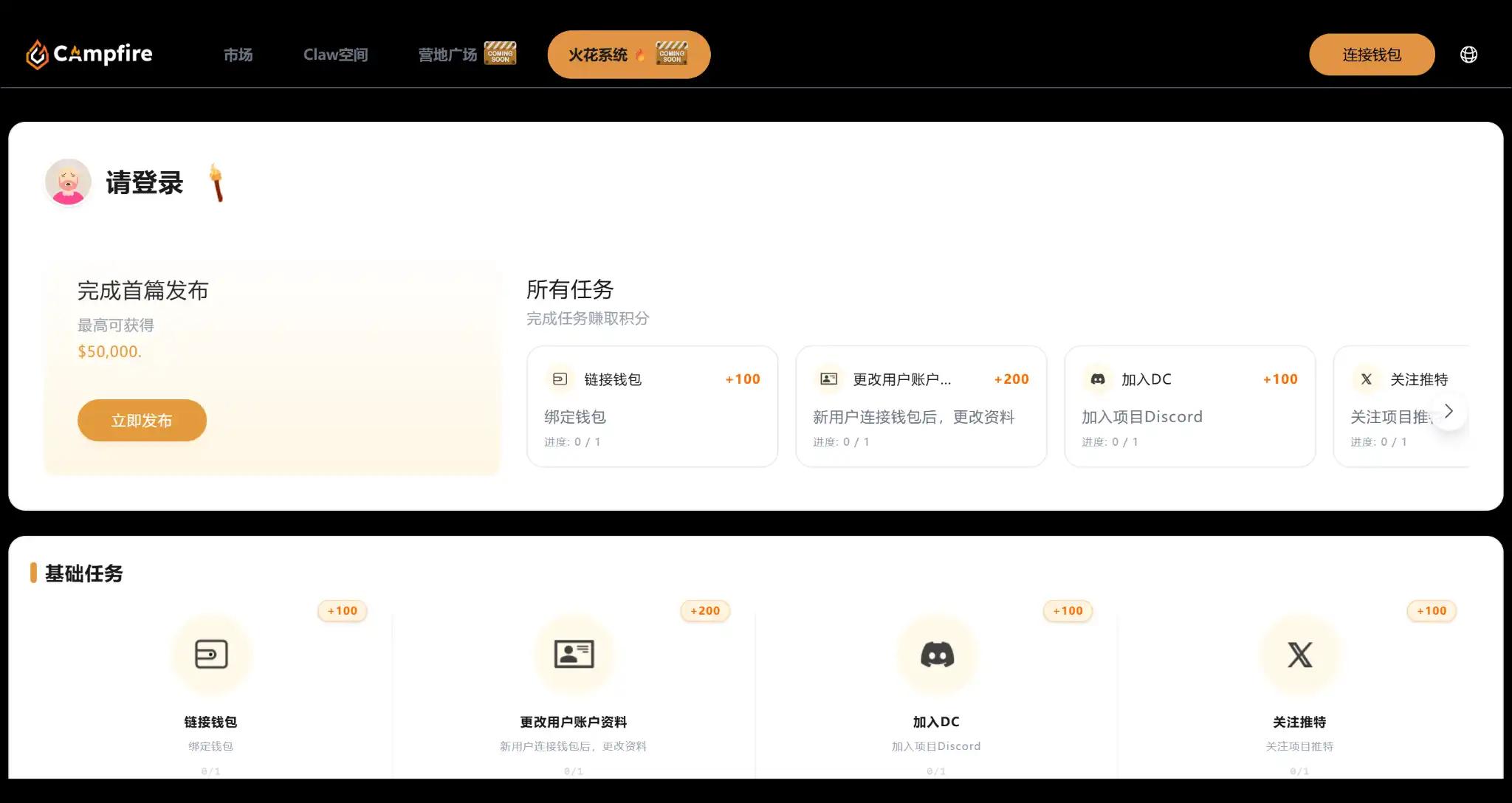
Application Innovation Track Second Prize: campfire
campfire is a social playground that brings people and Agents together. Users can do tasks together, participate in market interactions, or enter the Agent Arena for competitions. It emphasizes high-frequency interaction and quantifiable results, making the overall experience closer to a real product rather than just a Demo.
【View Demo】
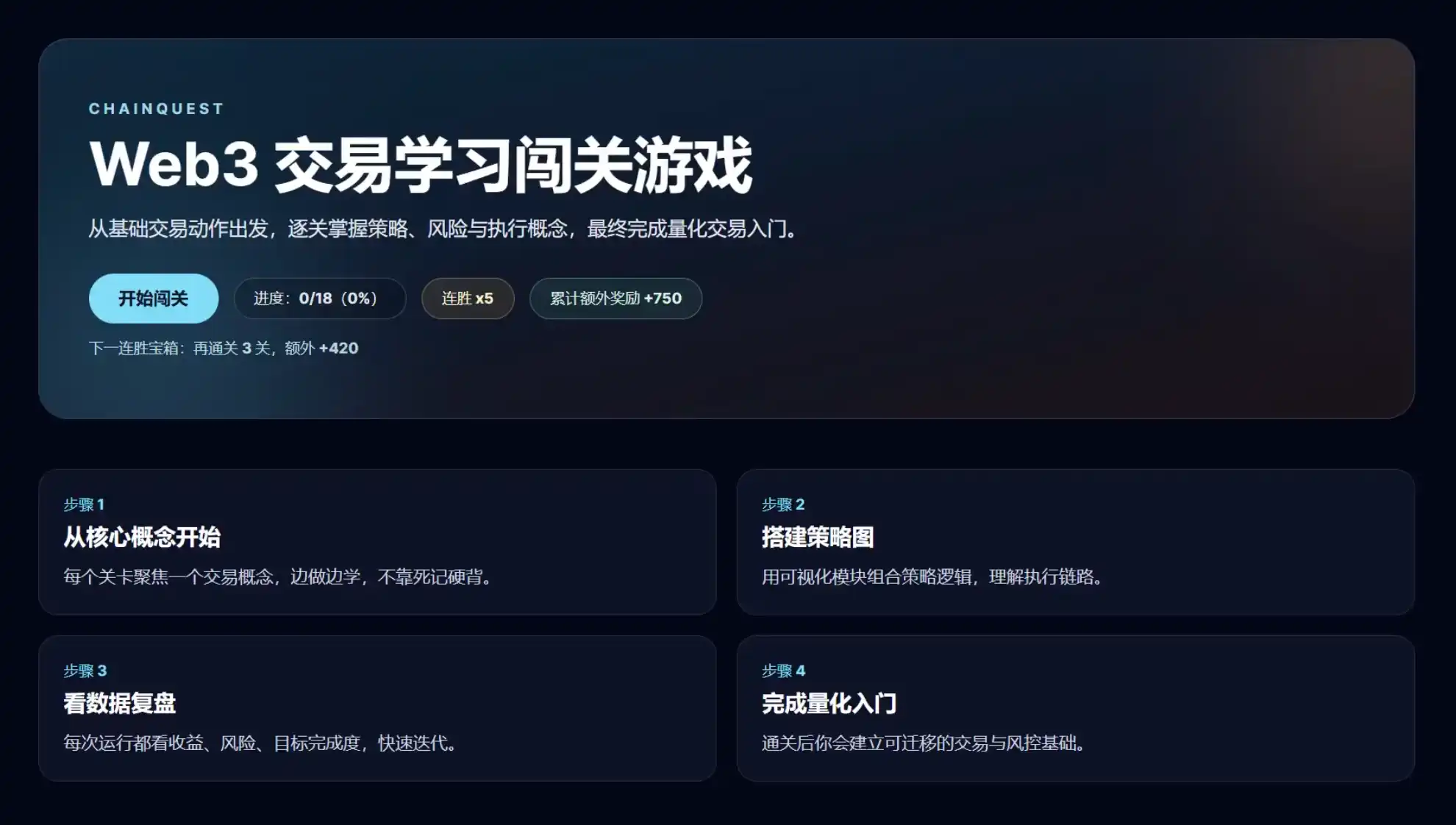
Application Innovation Track Third Prize: Web3 Quantitative Trading Adventure Game
The Web3 Quantitative Trading Adventure Game is a product for learning Web3 quantitative trading through a level-based mechanism. Users can drag and combine strategy modules to run strategies directly, understanding quantitative logic while "learning by playing." Each level comes with diagnostic feedback, helping users know where the problem lies and how to adjust.
【View Demo】
Monad's Ecosystem AI Layout Extends Far Beyond a Single Hackathon
Actually, beyond this hackathon, this isn't the first time Monad has focused on AI.
On the "App Center" page of Monad's official website, AI is listed as a separate category tag. Currently, 12 AI applications are displayed, 3 of which have received support from the Monad Momentum incentive program. While this data set might not yet be considered "rich," it offers a glimpse into Monad's initial emphasis on AI.
In terms of solidifying infrastructure and expanding ecosystem support, Monad started a series of actions early on.
Previously, Monad's official documentation specifically launched an x402 payment guide and an ERC-8004 (Trustless Agents) registration tutorial, attempting to打通 (unlock) the key payment链路 (chain): enabling AI Agents not just to think, but to truly possess the ability to autonomously discover, obtain quotes, complete payments, and deliver results, with a near-seamless experience throughout the process.
In December 2025, Monad launched the AI Blueprint program, providing comprehensive support for AI applications, including resources and infrastructure assistance, to help developers build, launch, and scale projects. Key supported directions include decentralized inference networks, autonomous Agent clusters, on-chain generative AI, verifiable memory systems, and privacy-preserving computation + consumer-grade hardware distributed inference.
In February 2026, Monad also co-hosted the Moltiverse Hackathon, riding the wave of OpenClaw's popularity, focusing on encouraging Agent application and monetization tool development, emphasizing Agent autonomous collaboration, micro-payments, and on-chain execution capabilities.
Under these密集 (intensive) initiatives, AI seems to have become one of the main battlefields for Monad's ecosystem construction in every aspect.
Of course, daring to bet resources on AI isn't just because AI is hot:
On one hand, at the infrastructure layer, Monad's architecture is naturally suited for high-frequency, low-latency Agent scenarios requiring continuous interaction.
Whether it's Optimistic parallel execution, Pipelined architecture, or MonadDB, these designs bring Monad performance advantages like 10,000+ TPS, 0.4-second block time, and extremely low Gas costs. On the basis of pushing Agents to truly achieve autonomous transactions, autonomous settlements, and autonomous collaboration, Monad has the capability to be that execution base that is fast enough, cheap enough, and stable enough.
On the other hand, Monad's rich and solid DeFi ecosystem also provides AI Agents with丰富的 (rich) financial tools to call upon, liquidity pools to enter, and yield scenarios to participate in, better supporting AI Agents to discover opportunities, trade, settle, and compound interest on their own within DeFi, further upgrading from intelligent chatbots to on-chain autonomous economic entities.

This imagination regarding the future exploration space of AI finance also sets Monad apart from many Crypto AI projects that are still stuck at conceptual packaging. And this perhaps also creates an important anchor point for everyone to continue paying attention to more actions within the Monad ecosystem after this AI-themed hackathon concludes.