Claude Code Leak: Unveiling the Five-Layer Architecture and Survival Philosophy of a Top AI Agent

marsbit发布于2026-04-02更新于2026-04-02

文章摘要

A configuration error in the Bun build tool led to the leak of Claude Code's source code, revealing the architecture and internal mechanisms of Anthropic's AI coding agent. The exposed system consists of five core layers: Entrypoints (routing inputs), Runtime (TAOR loop), Engine (dynamic prompt assembly), Tools & Capabilities (40+ tools with strict permissions), and Infrastructure (caching and remote control, including a kill switch). Key innovations include a biologically inspired memory system with three layers (long-term, episodic, and working memory) and an "Auto-Dream" process that consolidates knowledge. Anthropic’s security measures are extensive, featuring an undercover mode for anonymous contributions, anti-distillation techniques to poison API data, and hardware-level authentication. Future development points to "KAIROS mode"—a always-on background agent capable of autonomous action via webhooks and cron jobs. While the leak offers a rare look into a production-scale AI agent, it also highlights Anthropic’s challenge in balancing transparency and security ahead of its planned IPO.

In the AI community, a packaging error has triggered a "butterfly effect" that is evolving into a top-tier public lesson for the tech world.

According to media reports, due to a configuration oversight in the Bun build tool, 1,900 TypeScript files containing a total of 512,000 lines of source code for Anthropic's programming agent Claude Code were accidentally leaked. This incident not only allowed outsiders a glimpse into the technical foundation of a top Agent but also exposed Anthropic's deeper logic regarding information control and product evolution.

Five-Layer Architecture Overview: This is More Than Just a "Shell" Interface

The leaked code reveals an extremely complex production-grade system, with its architecture clearly divided into five layers:

Entrypoint Layer: Unifies routing for CLI, desktop client, and SDK, standardizing multi-endpoint input.

Runtime Layer: Core is the TAOR loop (Think-Act-Observe-Repeat), maintaining the Agent's behavioral rhythm.

Engine Layer: The heart of the system, responsible for dynamic prompt assembly. Depending on the mode, it injects hundreds of prompt fragments, with safety rules alone amounting to a hefty 5,677 tokens.

Tools & Capabilities Layer: Includes about 40 independent tools, each with strict permission isolation.

Infrastructure Layer: Manages prompt caching and remote control, even including a remotely activatable "kill switch".

Bionic Design: Layered Memory and a "REM Sleep" Mechanism

Claude Code's memory system is highly aligned with cognitive science:

Three-Layer Memory: Divided into long-term semantic memory (RAG retrieval), episodic memory (conversation sequence), and working memory (current context). The core idea is "fetch on demand, never overload".

Auto-Dream Mechanism: The infrastructure layer includes a background process named "dreaming". Every 24 hours or after 5 sessions, the system initiates a sub-agent to consolidate memories, clean up noise, and solidify vague expressions into definitive knowledge.

Information Control Triad: Undercover Mode and Anti-Distillation

The "defense lines" exposed in the source code reflect Anthropic's rigorous information control mindset:

Undercover Mode: Automatically activates when operating on non-internal repositories, stripping all AI identifiers for "covert contributions".

Anti-Distillation Mechanism (ANTI_DISTILLATION): When enabled, it injects fake tool definitions into prompts to prevent competitors from training their own models using API traffic.

Native Authentication: Employs hardware-level authentication at the Bun/Zig layer to prevent third-party tampering or spoofing of the official client.

Future Roadmap: KAIROS and the "Never-Sleeping" Assistant

Leaked Feature Flags hint at next-generation functionality: KAIROS mode. This is a continuously running background agent supporting GitHub Webhook subscriptions and Cron scheduled refreshes. This signifies a shift for AI from a tool that "moves only when poked" to a 24/7 online collaborator capable of autonomous observation and proactive action.

Conclusion: Leaked Code, Unreplicable Accumulation

Although Anthropic has urgently taken down the relevant version and issued DMCA notices, the architectural ideas behind Claude Code are already proliferating wildly within the community. For the industry, this might be the Agent field's first large-scale, production-validated "best practice". For Anthropic, however, finding a renewed balance between high transparency and security will be a critical challenge on its path to an IPO in 2026.


热门币种推荐

相关问答

QWhat was the cause of the Claude Code source code leak?

AThe leak was caused by a configuration oversight in the Bun build tool, which accidentally exposed 1,900 TypeScript files totaling 512,000 lines of source code.

QWhat are the five layers of Claude Code's architecture as revealed in the leak?

AThe five layers are: Entrypoints (unified routing), Runtime (TAOR loop), Engine (dynamic prompt assembly), Tools & Caps (permission-isolated tools), and Infrastructure (prompt caching and remote control).

QWhat is the purpose of the 'Auto-Dream' mechanism in Claude Code?

AThe 'Auto-Dream' mechanism is a background process that runs every 24 hours or after 5 sessions. It initiates a sub-agent to consolidate memories, clean up noise, and solidify vague expressions into definitive knowledge.

QWhat information control features were exposed in the source code?

AThe exposed information control features include an 'Undercover mode' that strips AI identifiers, an 'ANTI_DISTILLATION' mechanism that injects fake tool definitions to prevent API-based model training, and native hardware-level authentication.

QWhat future feature was hinted at by the leaked 'KAIROS mode' Feature Flag?

AThe 'KAIROS mode' points to a future feature of a continuously running background agent that supports GitHub Webhook subscriptions and Cron scheduled refreshes, aiming to create a 24/7 active assistant.

你可能也喜欢

WEEX API Fast Connect:10秒内将每次登录转化为实盘交易者

WEEX宣布推出API快速连接(API Fast Connect),一种一键式OAuth授权系统。该系统允许用户无需手动处理API密钥即可关联其WEEX账户。该解决方案专为WEEX经纪商合作伙伴设计,旨在通过无缝的一键体验取代传统复杂的技术接入流程,从而在合作伙伴平台上实现更快的用户转化和更强的长期留存。 **核心要点:** * **功能:** 类似“使用Google登录”的一键授权系统,让用户无需创建或管理API密钥即可将其WEEX账户连接到第三方平台。 * **解决问题:** 手动API密钥设置是阻碍潜在用户成为活跃交易者的最大障碍。快速连接彻底消除了这一步骤。 * **获益:** 实现无摩擦转化,降低用户流失,提高留存率,使用户能在数秒内(而非数分钟)从登录进入实盘交易。 * **目标用户:** AI信号平台、量化策略工具、交易机器人以及任何目前需要用户手动配置API访问的WEEX经纪商合作伙伴。 **运作流程:** 1. 用户在合作平台点击“使用WEEX登录”。 2. 系统重定向至官方WEEX授权页面进行验证。 3. 用户确认API密钥的授权范围(默认为交易和读取权限)。 4. 确认后,系统在后台生成API密钥并通过加密通道直接绑定至合作平台。 **优势对比:** 与传统手动API密钥方式相比,快速连接在用户体验(一键操作 vs 手动碎片化流程)、权限管理(预设防错 vs 易出错)、密钥安全(后端加密,用户不接触密钥 vs 前端暴露高风险)和连接速度(即时绑定 vs 手动复制粘贴)方面均有显著提升。 API快速连接是WEEX经纪商工具包的核心组件之一,旨在帮助合作伙伴将感兴趣的用户迅速转化为实际交易者。

TheNewsCrypto9分钟前

WEEX API Fast Connect:10秒内将每次登录转化为实盘交易者

TheNewsCrypto9分钟前

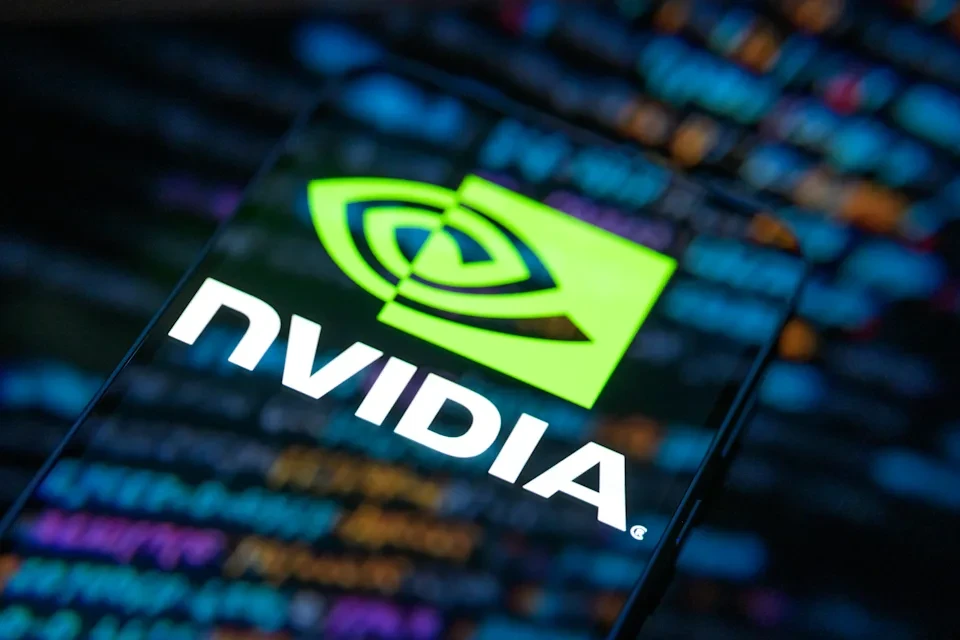
Rubin Ultra大减配,英伟达也扛不住内存涨价了?

知名投研机构SemiAnalysis近日报告指出,英伟达已向主要客户预览了其顶级AI芯片Rubin Ultra的最新规格,但相比此前预期出现显著降配。核心变化包括:算力峰值保持与普通版Rubin相同的35 PFLOPs;显存容量降至8层堆叠的192GB,甚至低于普通版的288GB;显存带宽仅微升1TB/s;芯片功耗反而略有提高。Rubin Ultra的主要升级方向转向“扩展互联规模”,支持通过NVLink将最多576张GPU互联成统一计算域,远高于普通版的72张。 报告分析认为,此次调整主要源于HBM(高带宽内存)价格持续快速上涨。以HBM3为例,其价格已从2025年二季度的低点180-220美元,飙升至目前约700-850美元。HBM成本飙升使得Rubin Ultra单机架的物料成本一度从约660万美元升至800万美元。英伟达因此重新评估设计,通过减少昂贵的HBM配置(成本占比从近40%降至28%),将资源更多投入互联能力等方向,优化整体成本结构。 此消息引发市场对HBM需求见顶的担忧。受冲击影响,韩国存储股开盘大跌,SK海力士、三星股价均下挫约8%。市场解读认为,若英伟达此举成为趋势,意味着AI芯片厂商可能开始通过优化设计来降低对高容量HBM的依赖,这或将限制存储厂商未来的提价空间,标志着AI基础设施的“堆料涨价”时代可能接近尾声。

Odaily星球日报1小时前

Rubin Ultra大减配,英伟达也扛不住内存涨价了?

Odaily星球日报1小时前

交易

现货

热门文章

如何购买LAYER

欢迎来到HTX.com!我们已经让购买Solayer(LAYER)变得简单而便捷。跟随我们的逐步指南,放心开始您的加密货币之旅。第一步:创建您的HTX账户使用您的电子邮件、手机号码注册一个免费账户在HTX上。体验无忧的注册过程并解锁所有平台功能。立即注册第二步:前往买币页面,选择您的支付方式信用卡/借记卡购买:使用您的Visa或Mastercard即时购买Solayer(LAYER)。余额购买:使用您HTX账户余额中的资金进行无缝交易。第三方购买:探索诸如Google Pay或Apple Pay等流行支付方法以增加便利性。C2C购买:在HTX平台上直接与其他用户交易。HTX场外交易台(OTC)购买:为大量交易者提供个性化服务和竞争性汇率。第三步:存储您的Solayer(LAYER)购买完您的Solayer(LAYER)后,将其存储在您的HTX账户钱包中。您也可以通过区块链转账将其发送到其他地方或者用于交易其他加密货币。第四步:交易Solayer(LAYER)在HTX的现货市场轻松交易Solayer(LAYER)。访问您的账户,选择您的交易对,执行您的交易,并实时监控。HTX为初学者和经验丰富的交易者提供了友好的用户体验。

1.4k人学过发布于 2025.02.11更新于 2026.07.15

如何购买LAYER

相关讨论

欢迎来到HTX社区。在这里,您可以了解最新的平台发展动态并获得专业的市场意见。以下是用户对LAYER(LAYER)币价的意见。

活动图片