Capital rotates to safety, but THIS leaves Bitcoin and Ethereum exposed

ambcrypto发布于2026-03-23更新于2026-03-23

文章摘要

Capital is rotating from risk assets like Bitcoin and Ethereum toward safer instruments, as insider data and liquidity behavior signal a structural shift toward defense. The Buy/Sell Ratio remains low at 0.27–0.28, indicating persistent distribution. Stablecoin supply has grown to $316.69 billion, with Tether and USD Coin expanding significantly, while U.S. money market funds reached $7.86 trillion, highlighting institutional moves to safety. Bitcoin net exchange flows show 7,844 BTC moved to self-custody, reducing immediate sell pressure but revealing weak demand. Realized Profit and SOPR metrics confirm cautious profit-taking without redeployment, leaving markets underbid and exposed despite tightening supply.

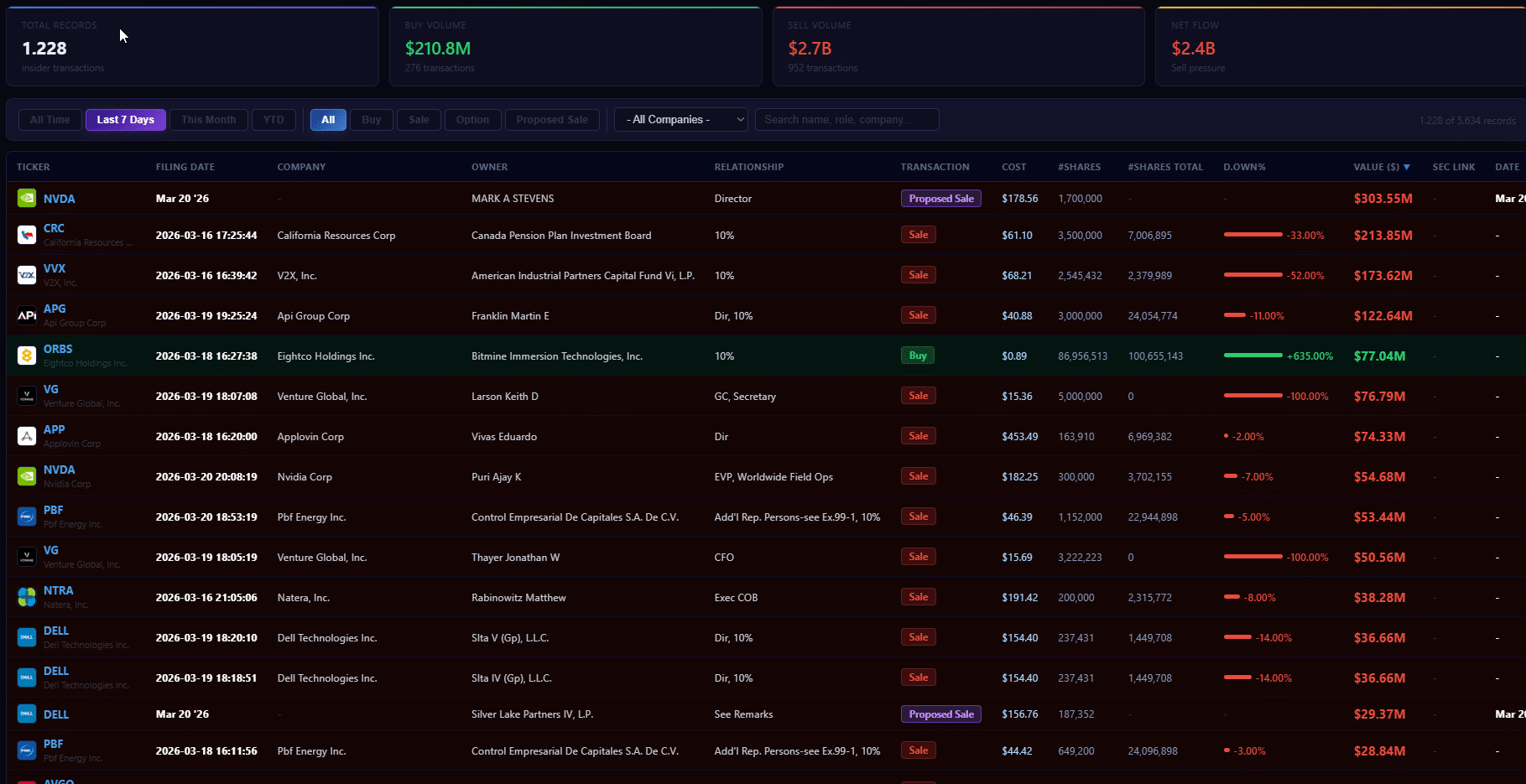
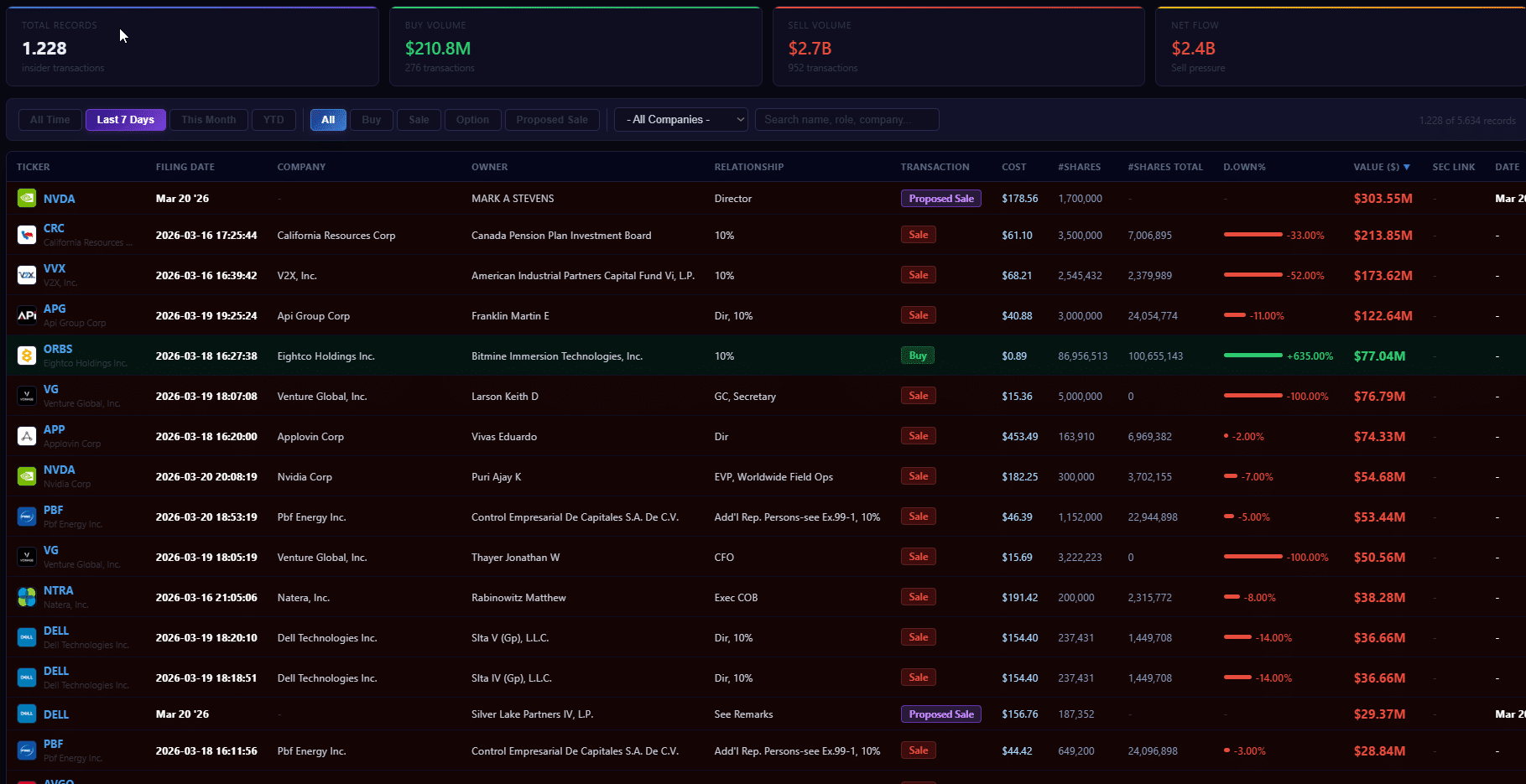
As earlier sell pressure builds, broader insider data confirms this is not isolated but structural.

The Buy/Sell Ratio sat near 0.27–0.28, well below the 0.34 norm, which reinforces persistent distribution.

Source: X

As this trend deepens, sector data showed healthcare had over $11.42 billion in sales, while technology and utilities follow similar patterns.

This alignment across sectors signals coordinated positioning rather than selective profit-taking, which strengthens the late-cycle narrative.

As buy-side conviction fades further, insiders continue reducing exposure to elevated valuations, echoing pre-correction setups. This progression suggests informed capital remains defensive, while sustained selling pressure continues shaping a cautious market structure.

Liquidity Rotates to Safety as Risk Assets Remain Underbid

Insider distribution already signals weakening risk appetite, and liquidity behavior now reinforces that shift toward defense. Capital is not exiting markets entirely; instead, it rotates into safer instruments, leaving risk assets underbid despite easing supply pressure.

Stablecoin supply rises to $316.69 billion, up 0.26% weekly and 2.83% monthly, reflecting growing idle capital.

Tether [USDT] expanded to $184.1B and USD Coin [USDC] to $79 billion, while exchange inflows increasingly point to parking rather than deployment, which mirrors weak conviction.

At the same time, U.S. money market funds add $38.68 billion, pushing totals to $7.86 trillion. Government funds alone absorbed $40.55 billion, highlighting a clear institutional move toward safety and yield.

Short-term Treasury yields hold at 3.71% and 3.76%, sustaining this rotation, while Bitcoin [BTC] and Ethereum [ETH] flows remain neutral to negative, confirming liquidity stays sidelined.

Supply tightens, yet demand remains absent

Liquidity remains defensive, and Bitcoin net exchange flows show where capital is moving.

According to Glassnode data, 7,844 BTC have left the exchanges, as holders shift coins into self-custody wallets rather than keeping them liquid.

This movement reduces immediate sell pressure, yet it also reveals how demand is failing to engage. Instead of rotating into spot markets, capital stays inactive, which leaves the price without strong absorption.

Realized Profit reached $746 million, while BTC SOPR held near 1.01 and ETH at 0.96, showing participants take profits cautiously while avoiding aggressive re-entry.

This behavior confirms cautious profit-taking, showing capital is preserving gains rather than re-entering, leaving the price without strong support.


Final Summary

  • Bitcoin [BTC] liquidity shifts defensively as 7,844 BTC moves into self-custody and SOPR near 1.01 signals profit-taking without redeployment, leaving markets underbid.
  • Tether [USDT] and USD Coin [USDC] expansion alongside $7.86T in money funds shows liquidity parking in safety, reinforcing weak risk appetite and fragile structure.
你可能也喜欢

做市商与套利者的两种生存结构

在微观高频交易领域,做市商与套利者是两种长期并存的核心生存结构。本文从风险敞口的角度,对比分析了两者的差异。 做市商通过挂单(Maker模式)提供流动性,以赚取买卖价差为目标,资金利用率高。其风险敞口源于被动成交的不连续性,常形成随机、高频的碎片化库存。这种敞口在价格均值回归期间可能贡献超额利润,但在单边行情下会导致库存积压、亏损放大。 跨所套利者则主要通过吃单(Taker模式)捕捉不同交易所间的价差或资金费率,但名义资金利用率较低,且需支付更高手续费。其风险敞口主要源于交易所间规则不对称(如订单步长不同)、执行延迟等工程层面问题,这类敞口基本属于利润的损耗项。 两者的核心区别在于:做市商是用放弃“成交时间控制权”(出售时间)来换取价差收益和低手续费,其敞口在一定范围内是利润来源;套利者则是以“资金沉没”(出售空间)为代价,换取确定性的空间套利机会,其敞口多为成本。两者都在“执行摩擦损耗”与“残差风险波动”间寻求平衡。 最终,成熟的策略会趋向融合:套利者会使用Maker模式以降低成本,做市商在风控预警时也会采用Taker平仓或对冲。二者都以不同形式的风险敞口,向市场兑换微薄而残酷的确定性收益。

链捕手3小时前

做市商与套利者的两种生存结构

链捕手3小时前

交易

现货
合约

热门文章

加密市场宏观研报:《GENIUS Act》法案取得重大进展,BTC突破历史新高,后市全新展望

2025年5月22日,比特币价格正式突破11万美元大关,创下历史新高。在政策面、宏观经济、资金面与投资者结构共同作用下,一场结构性牛市浪潮正在展开。而此轮上涨背后的核心驱动,是美国《GENIUS稳定币法案》的实质性进展以及多项利好的叠加。本文将从政策端突破、宏观环境转向、链上与ETF资金结构、交易行为演化,以及重点受益赛道五大维度,全面解析此轮BTC再创新高的深层逻辑,并前瞻下半年市场的潜在趋势。

1.5k人学过发布于 2025.05.22更新于 2025.05.22

加密市场宏观研报:《GENIUS Act》法案取得重大进展,BTC突破历史新高,后市全新展望

相关讨论

欢迎来到HTX社区。在这里,您可以了解最新的平台发展动态并获得专业的市场意见。以下是用户对BTC(BTC)币价的意见。

活动图片