The More Lifelike the Robot, the More Terrifying? Unveiling the 'Uncanny Valley Effect' in the Era of Humanoid Robots

marsbit发布于2026-06-09更新于2026-06-09

文章摘要

As humanoid robots become increasingly lifelike, they confront a significant psychological barrier known as the "Uncanny Valley Effect," a concept proposed by Japanese roboticist Masahiro Mori in 1970. This phenomenon describes a dip in human comfort and acceptance when robots appear almost, but not perfectly, human. Minor imperfections in facial expressions, eye movements, or skin texture trigger a subconscious sense of unease, as the brain detects something trying, yet failing, to mimic a person. Examples range from the controversial human-like robot Sophia to animated characters in films like *The Polar Express*. The effect poses a key design challenge for robotics companies. Some, like Boston Dynamics, avoid it entirely by creating highly capable but visibly mechanical robots. Others, like Hanson Robotics, push for greater human likeness despite the risk. For consumer robots, especially in homes, most manufacturers opt for stylized or clearly mechanical designs to ensure broader acceptance. While the Uncanny Valley remains a powerful force, its impact may diminish over time through technological advancements that achieve near-perfect realism or through generational familiarity as people grow accustomed to interacting with humanoid machines. Ultimately, navigating this psychological frontier requires as much understanding of human perception as of robotics technology itself.

Author: Dean Fankhauser

Compiled by: Felix, PANews

The relationship between humans and robots is about to become complex. As humanoid robots increasingly resemble human appearance, they are now facing an unexpected psychological barrier that may shape the future of human-robot interaction.

What is the "Uncanny Valley Effect"?

The "Uncanny Valley Effect" is a psychological phenomenon that describes how human emotional responses change as artificial creations become more human-like. This concept is simple yet profound: when robots look distinctly mechanical, they are easily accepted. Think of R2-D2 from *Star Wars* or industrial robotic arms—they are clearly machines, and viewers are comfortable with them.
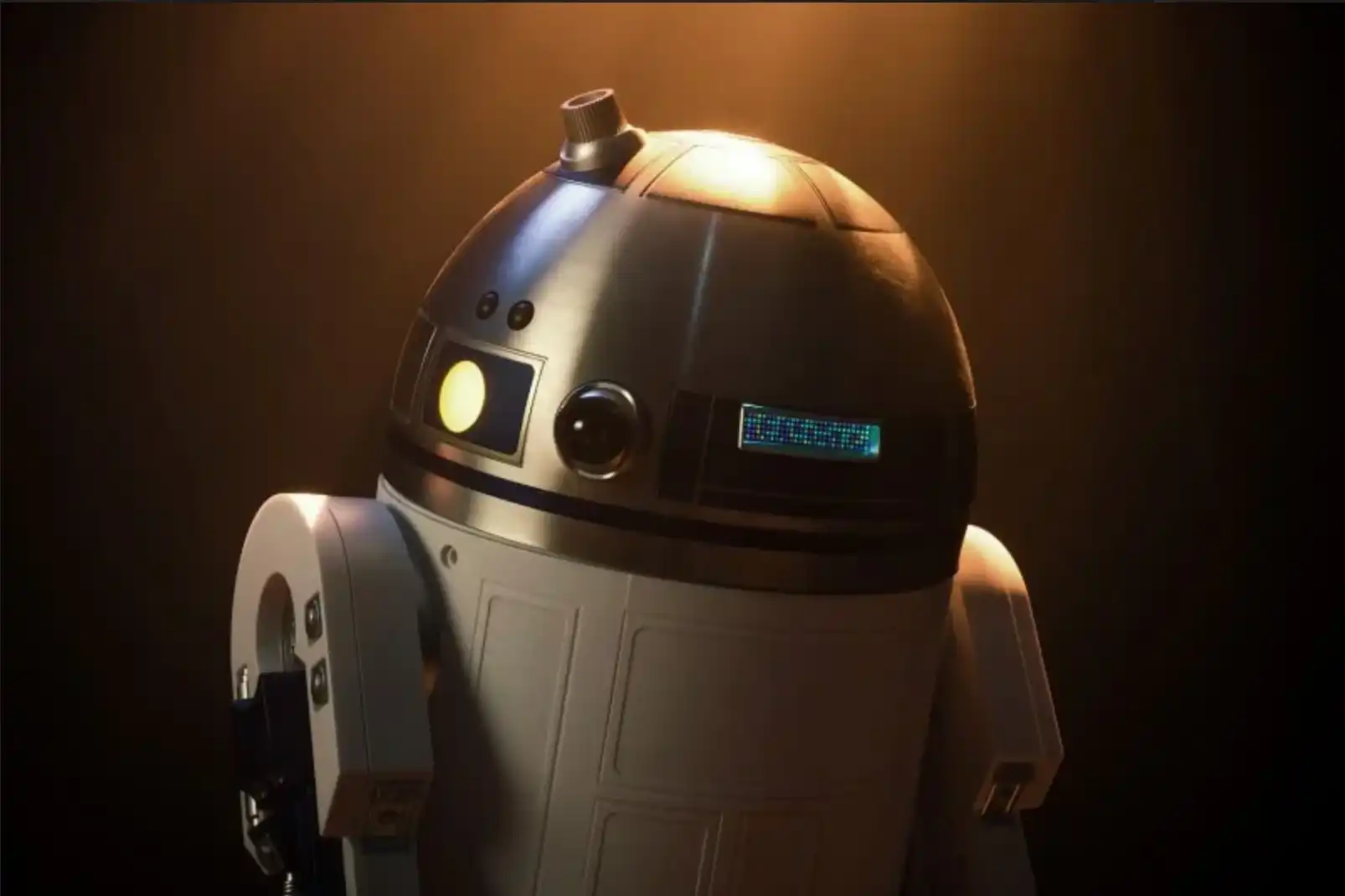
R2-D2 Space Repair Droid

As robots become more human-like, acceptance initially increases. Humans attribute anthropomorphic traits to them, finding them cute or endearing. But then, something strange happens.

When a robot reaches a certain level of similarity to humans (looking almost human but not quite), the comfort level plummets. Instead of greater acceptance, an instinctive unease arises. Minor flaws in appearance or movement that might be overlooked in more mechanical robots suddenly become glaringly and eerily apparent here.

The term "uncanny valley" was coined by Japanese robotics expert Masahiro Mori in 1970. In a paper discussing the relationship between human emotional responses to robots and their degree of realism, he proposed this concept and pointed out the typical sharp drop in acceptance when robots approach but do not fully achieve human appearance.

Movement and facial expressions are the primary triggers. Subtle errors in eye movement, the timing of blinks, lip synchronization, and facial micro-expressions can all elicit the strongest "uncanny valley effect." A perfectly realistic static image might look fine, but once it moves, it often triggers the effect.

It's worth noting that individual sensitivity to the "uncanny valley effect" varies greatly. Some studies suggest that people with higher empathy or those whose work is closely related to humans (such as medical staff, psychotherapists) might be more sensitive. Age is also a factor, with some research indicating that children are less affected than adults.

Why Does It Feel Uncomfortable?

The "uncanny valley effect" triggers a fundamental conflict in human perception. The human brain is innately wired to interpret facial expressions and capture subtle social cues. This is how we have survived as social animals for millions of years. When a robot is 90% human-like, the brain initially categorizes it as "human," but then quickly spots inconsistencies.

These inconsistencies cause cognitive dissonance. For example, eye movement might be slightly off; skin texture might be unnaturally perfect; the blinking rhythm might be a few milliseconds slow. Each subtle deviation triggers a subconscious alarm: something is masquerading as human.

Remember the movie *The Polar Express*? This film's characters aimed for realism, but audiences found them creepy. Their nearly human-like faces triggered the exact same psychological response as facing hyper-realistic robots. The characters' eyes looked lifeless, and their movements were somewhat stiff. These little oddities reminded viewers: something is not right.
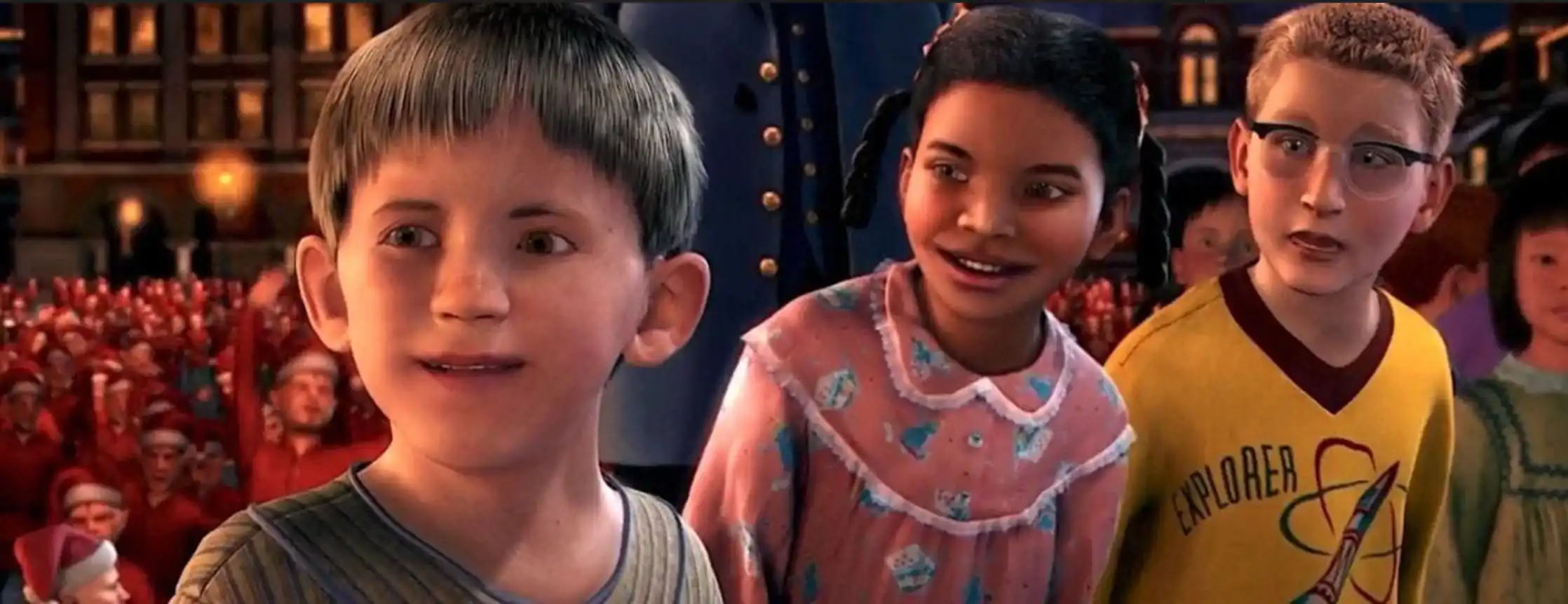
The movie "The Polar Express"

In the field of robotics, early attempts at realism were astonishing but not perfect. Hanson Robotics' robot "Sophia," which deliberately pursues lifelike human qualities, has found itself mired in controversy. Some find her fascinating, while others find her downright creepy.
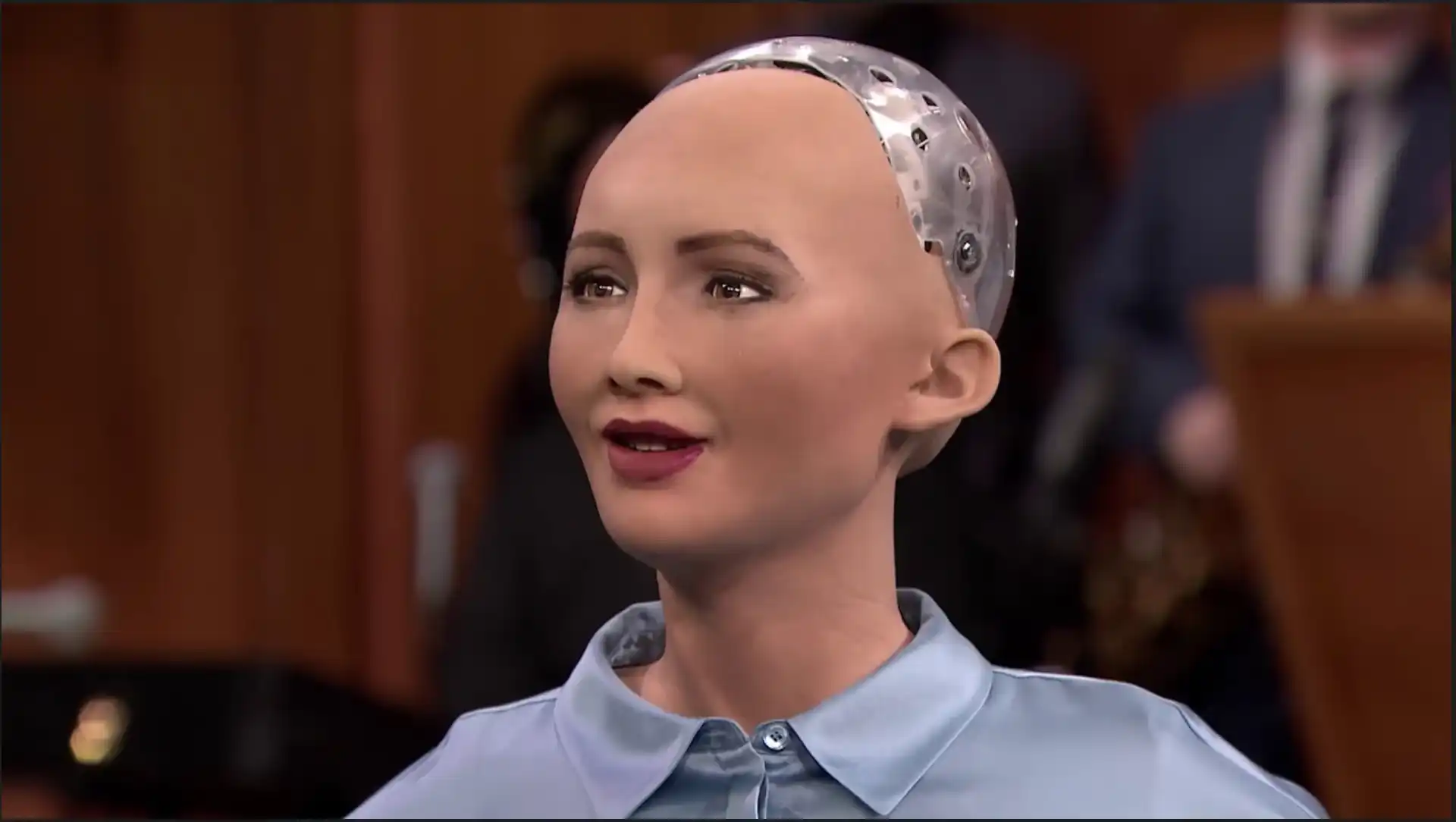
Robot Sophia

How Are Robot Companies Responding to the "Uncanny Valley Effect"?

This is not merely an aesthetic issue. The "uncanny valley effect" has profound implications for robot development. Companies investing millions in developing humanoid robots face a critical design dilemma: at what point does humanization become "too much"?

Some companies choose to avoid the "uncanny valley" altogether. Boston Dynamics' robots perform astonishing physical feats while maintaining an unmistakably mechanical appearance. Others, like Hanson Robotics, take the risk and remain committed to achieving more human-like robotics. Each approach embodies a different philosophy of human-robot interaction.

As robots become increasingly integrated into daily life, understanding and addressing the "uncanny valley effect" is crucial. It's not just about making robots work efficiently; it's about co-existing with them comfortably.

For household robots, design choices are paramount. A robot helping with chores needs to be accepted by all family members, including those more sensitive to the "uncanny valley effect." Therefore, most consumer robot companies wisely opt for stylized or distinctly mechanical designs.

Will the "Uncanny Valley Effect" Eventually Fade Away?

Two factors might dilute the "uncanny valley effect" over time. First, with advancements in robotics, robots might cross the valley by achieving near-perfect realism, eliminating those subtle incongruities that trigger unease.

Second, as people become more accustomed to the presence of humanoid robots in daily life, the novelty and unfamiliarity that amplify the effect may gradually diminish. Younger generations growing up with humanoid robots might exhibit higher tolerance.

For now, the "uncanny valley effect" still serves as a reminder: human perception is complex and often counterintuitive. In creating machines that increasingly resemble ourselves, understanding human psychology is no less important than understanding robotics technology.

Related read: From Code to Cognition: A Ten-Thousand-Word Guide to the Evolution of the Robot Brain


相关问答

QWhat is the 'Uncanny Valley Effect' and who coined the term?

AThe 'Uncanny Valley Effect' is a psychological phenomenon describing how human emotional responses change as artificial entities become more human-like. It involves a sharp dip in comfort and acceptance when something looks almost, but not perfectly, human. The term was coined by Japanese roboticist Masahiro Mori in 1970.

QWhy do humans feel discomfort in the 'Uncanny Valley' according to the article?

AThe discomfort arises from a fundamental conflict in human perception. Our brains are wired to interpret facial expressions and social cues. When a robot is very human-like, the brain initially categorizes it as human but then quickly detects inconsistencies, such as slightly off eye movements or unnatural skin texture. These subtle flaws trigger a subconscious alarm that something is pretending to be human, causing cognitive dissonance and unease.

QHow do some robot companies address the 'Uncanny Valley Effect' in their designs?

ACompanies employ different strategies. Some, like Boston Dynamics, avoid the effect entirely by designing robots with clearly mechanical appearances, even if they perform advanced movements. Others, like Hanson Robotics, accept the risk and continue to pursue highly realistic humanoid robots. For consumer-facing robots, such as home assistants, many companies opt for stylized or obviously mechanical designs to ensure broader acceptance and comfort.

QWhat factors might cause the 'Uncanny Valley Effect' to diminish over time?

ATwo main factors could reduce the effect. First, technological advancements might allow robots to achieve near-perfect realism, eliminating the subtle flaws that trigger unease. Second, increased familiarity and exposure to humanoid robots in daily life could reduce the novelty and strangeness that amplifies the effect. Younger generations growing up with such robots may develop a higher tolerance.

QWhat examples from movies and robots does the article use to illustrate the 'Uncanny Valley Effect'?

AThe article uses the animated film 'The Polar Express' as an example, where the characters' highly realistic yet slightly off facial expressions and movements made audiences feel unsettled. In robotics, it mentions the humanoid robot 'Sophia' from Hanson Robotics, which elicits mixed reactions of fascination and creepiness due to its pursuit of human likeness.

你可能也喜欢

2029 终局预判:当加密货币彻底“隐身”,谁能留在这场金融大变局?

文章预测了加密货币行业从2024年至2029年的演变路径,核心观点是行业将逐步与投机脱钩,转而成为传统金融的基础设施并最终“隐身”。 * **2026年年中**:市场焦点从缺乏内在价值的山寨币,转向链上交易的优质实体企业(如SpaceX)合成永续合约,成为未上市企业的重要估值参考。 * **2026年末**:“AI+加密”赛道基本失败,仅预测市场存活。行业分化为高调炒作AI的投机市场与低调推进资产代币化(如货币基金)的机构市场。 * **2027年**:公链基金会明确转向服务金融机构,并为其合规基建未来向普通合格投资者开放铺路。非公开发行永续合约、稳定币和资产代币化均因外部政策限制而遭遇增长天花板。 * **2028年**:市场投机属性淡化。一次由合成合约引发的连锁清算暴露出缺乏底层资产锚定的风险。监管因此放宽限制,允许向合格投资者公开宣传和交易真实的私募股权二手份额,为资金提供了有法律保障的新渠道。 * **2029年**:新一轮牛市由实体科创企业的真实股权交易驱动。代币严重分化:成功成为金融基建的公链代币捕获真实价值;无实质权益的代币则丧失流动性。稳定币平稳增长。加密货币作为结算层已“彻底隐身”,不再被单独讨论。 文章的核心验证标准是:到2028年末,普通合格投资者能否获得参与真实私募资产的合法渠道。如果依然依赖离岸合成产品,则其“行业瓶颈在于法律而非技术”的立论将不成立。

marsbit48分钟前

2029 终局预判:当加密货币彻底“隐身”,谁能留在这场金融大变局?

marsbit48分钟前

PANews专栏注册与发稿指南

PANews专栏注册与发稿指南 **专栏申请** * **内容要求**:专栏面向Crypto、Web3及相关领域的深度内容(如数据分析、观点洞察)。品牌介绍、软文或主要由AI生成的内容将无法通过审核,此类内容建议通过商务通道提交。 * **网页版申请**: 1. 访问PANews官网,在页面底部点击“申请专栏”。 2. 使用手机号或邮箱注册/登录(无需密码,通过验证码登录)。 3. 填写专栏名称、简介,上传头像,并提交已发表的文章链接以供审核。 * **手机版申请**:在APP内进入“我的”页面,找到“投稿与创作”功能进行申请。 **文章发布教程** 1. 登录PANews官网,进入“个人主页”。 2. 点击进入“创作者中心”。 3. 使用编辑器创建并发布文章。 **视频上传方法** 目前支持嵌入第三方平台(如B站)的视频代码。 1. 在视频平台(如B站)获取视频的“嵌入代码”。 2. 在文章编辑器中点击“插入/编辑媒体”按钮。 3. 选择“嵌入”标签,粘贴代码并保存。 4. 可选中视频后再次点击“插入/编辑媒体”调整尺寸,建议宽度设为100%,高度设为560px,发布后显示正常。 **PANews Skills (AI发文工具)** PANews提供官方AI技能集,支持热点追踪、内容发布和网页解析。 * **panews-creator技能**:可协助管理专栏、发布文章、上传图片。 * **使用方法**:需从PANews网站登录后,在浏览器开发者工具的Network选项中获取API授权凭证(Token),用于配置该技能。详细安装与使用指南请访问GitHub项目页面。

marsbit1小时前

PANews专栏注册与发稿指南

marsbit1小时前

交易

现货
合约

热门文章

如何购买ERA

欢迎来到HTX.com!我们已经让购买Caldera(ERA)变得简单而便捷。跟随我们的逐步指南,放心开始您的加密货币之旅。第一步:创建您的HTX账户使用您的电子邮件、手机号码注册一个免费账户在HTX上。体验无忧的注册过程并解锁所有平台功能。立即注册第二步:前往买币页面,选择您的支付方式信用卡/借记卡购买:使用您的Visa或Mastercard即时购买Caldera(ERA)。余额购买:使用您HTX账户余额中的资金进行无缝交易。第三方购买:探索诸如Google Pay或Apple Pay等流行支付方法以增加便利性。C2C购买:在HTX平台上直接与其他用户交易。HTX场外交易台(OTC)购买:为大量交易者提供个性化服务和竞争性汇率。第三步:存储您的Caldera(ERA)购买完您的Caldera(ERA)后,将其存储在您的HTX账户钱包中。您也可以通过区块链转账将其发送到其他地方或者用于交易其他加密货币。第四步:交易Caldera(ERA)在HTX的现货市场轻松交易Caldera(ERA)。访问您的账户,选择您的交易对,执行您的交易,并实时监控。HTX为初学者和经验丰富的交易者提供了友好的用户体验。

1.3k人学过发布于 2025.07.17更新于 2026.06.02

如何购买ERA

相关讨论

欢迎来到HTX社区。在这里,您可以了解最新的平台发展动态并获得专业的市场意见。以下是用户对ERA(ERA)币价的意见。

活动图片